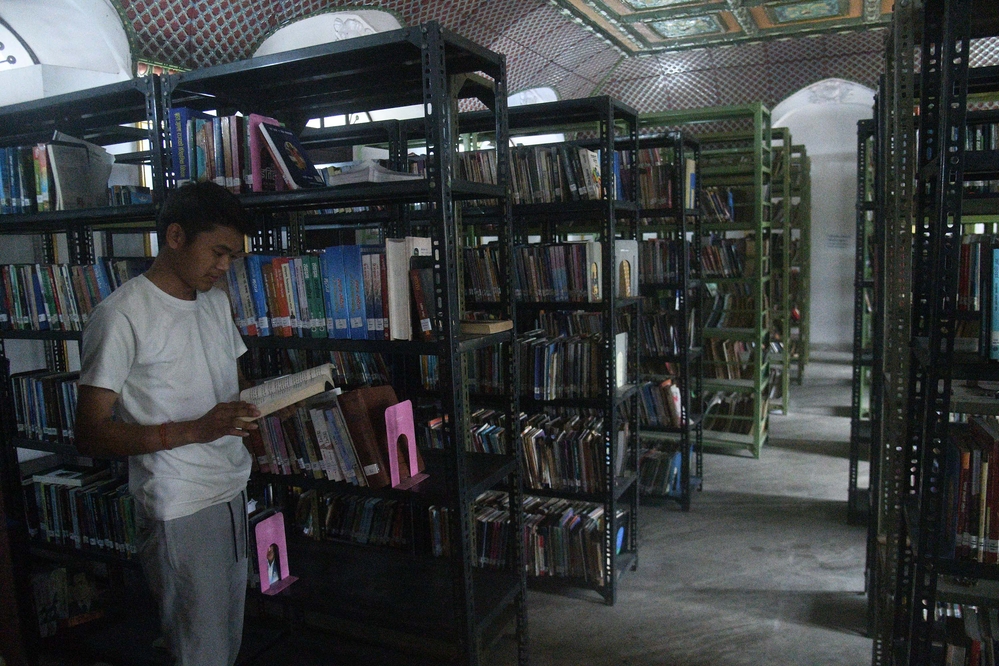
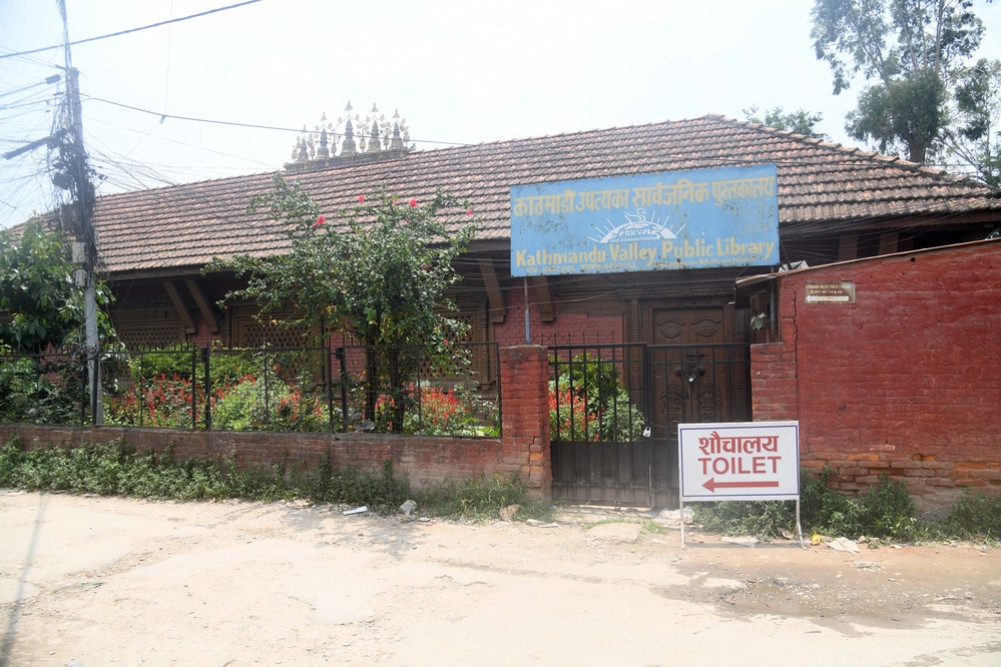
The closure of the Kathmandu Valley Public Library has raised serious questions about how much importance the state places on institutions that sustain knowledge, public spaces, and civic life.
We use Google Cloud Translation Services. Google requires we provide the following disclaimer relating to use of this service:
This service may contain translations powered by Google. Google disclaims all warranties related to the translations, expressed or implied, including any warranties of accuracy, reliability, and any implied warranties of merchantability, fitness for a particular purpose, and noninfringement.
Professor and author Abhi Subedi often repeats a saying, ‘No one talks about libraries in Nepal.’ This spring, libraries briefly came into the news. But the news was not because a new library had opened or people were returning to the habit of reading, but because one of the capital’s oldest public libraries was locked.
On April 13, the government closed the Kathmandu Valley Public Library in Bhrikutimandap, Kathmandu. The library was operating at the Bhrikutimandap Exhibition Center under the Social Welfare Council. The council had claimed that the library had not paid about 30 million rupees in rent. The incident sparked an unusual public debate.
Historian and researcher Pratyush Vanta wrote in X on May 15, ‘The Kathmandu Valley Public Library looks set to close permanently. It makes no sense for a state to claim that the Ministry of Innovation will bring about some change when it cannot find a new way to financially sustain the largest public library in the federal capital.’
Many expressed similar concerns. The question arose as to how the public library in the federal capital could disappear like this. But when Subedi said, ‘no one talks about libraries’, he did not mean just one library.
Many expressed similar concerns. The question arose as to how the public library in the federal capital could disappear like this. But when Subedi said, ‘no one talks about libraries’, he did not mean just one library. He was referring to the state in which library culture has not developed in Nepal—where people become library members, borrow books, spend hours in the reading room, and exchange ideas. According to him, a library is not just a place to store books, it shows how much importance society places on knowledge, public space, and the exchange of ideas.
‘The culture in Nepal where people become library members and borrow books from there and read has not developed,’ Subedi told Kantipur. Even after more than 90 days, the Kathmandu Valley Public Library is still locked. It houses about 60,000 books, journals, reports and booklets. On Thursday, writer and editor Bimal Acharya also expressed his concern through X. ‘A library with about 3,000 members and 200 readers visiting daily, established two decades ago through the efforts of a few generous book lovers, is now in danger of losing its existence,’ he wrote.
Acharya’s concern was not limited to one library. It was linked to the larger question of whether public study places are still a priority for the state. The closure of the Kathmandu Valley Public Library in Baisakh this year is also linked to a painful memory in Nepal’s library history. Almost 95 years ago, Baisakh itself witnessed a very important event in Nepal’s library history.
In BS 1987 (April 1930), some young intellectuals of Kathmandu had submitted a petition to the then Prime Minister Bhim Shamsher with the aim of establishing a public library to develop a culture of reading and spread public awareness. The petition had 45 signatures. The situation at that time was completely different from today. All those who signed the petition were arrested, not because the library failed, but because they tried to establish a library. The Rana regime considered it an act against the state.
Later, this incident became known as the ‘Library Festival’ or the ‘Library Movement’. Some were exiled, some were sentenced to life imprisonment. Some, including the poet Laxmi Prasad Devkota, were fined one hundred rupees and banned from participating in any public work for 12 years.
Devkota later recalled and wrote – although they were initially sentenced to three years in prison, it was later reduced to a fine of one hundred rupees and a written undertaking not to participate in public work. The Library Movement became a symbol of a time when even access to books and ideas was considered a threat by the autocratic regime.
The history of libraries in Nepal is also a history of struggle and continuity. The dream of that movement did not end there. After the end of the Rana regime and democracy in 2007, there was a significant expansion of educational institutions and public libraries in Nepal. From 2007 to 2017, institutions such as the Nepal National Library, Madan Puraskar Library, and Tribhuvan University Central Library were established.
Even though political freedom was limited in the Panchayat system that began after 2017, the expansion of libraries did not stop. According to Bholakumar Shrestha's 'Libraries in Nepal', about 400 libraries were established across the country during that period.
Even though political freedom was limited in the Panchayat system that began after 2017, the expansion of libraries did not stop. History shows that libraries in Nepal were not just places to store books. They became centers of learning, community participation, and exchange of ideas, even during politically difficult times.
Poet and essayist Shyamal has many memories of libraries. The first library he saw was the Kanti Ishwari Library in Dailekh, which was run by the district panchayat. 'It was always open during office hours, but we schoolchildren did not have time to go there and read books because office hours were our school hours. Every now and then, when I would come home on leave, pretending to be sick, and ask for leave, I would bring two or four books,’ says Shyamal.
Around 2028, the library suddenly closed. Why did it close? No one said. ‘Around 2037, when my friends from Kathmandu bought about a thousand books, collected them, and sent them, the library did not revive. But there was a complaint that the library was full of Marxist books, and the Chief District Officer ordered it closed.’
According to Shyamal, many of the extremely rare and expensive books they had collected were burned, some were buried. ‘I could not sleep for many nights after burning the books that I had sent with my hands outstretched day and night for the library. Those were very depressing days. Now that library does not exist. Bars and restaurants have sprung up all over the municipality, all over the district.’
Shyamal thinks in the memory of the old days – a house without books is a morgue, a living house has books and they are read for generations, and a country without good libraries is not a living country.
With the multi-party system restored after the 2046 people’s movement, civil society expanded and community organizations grew. Along with this, the number of libraries also increased. According to available data, there are about 60 libraries in Kathmandu, while the number of public and community libraries across the country is about one thousand.
A survey conducted by the Ministry of Education, Science and Technology in collaboration with Read Nepal and the Peace Volunteer Association in 2022 showed that there were 927 public and community libraries across the country. A detailed study was conducted on 227 libraries in all seven provinces. According to the survey, more than 90 percent of libraries were operational. But only 17 percent were open seven days a week. Less than one in four libraries had a sustainable source of income. Most libraries were run on government grants, private support or donors. These figures show that libraries have not disappeared in Nepal. But they have not yet become strong public institutions as once imagined.
The rent dispute is not the only reason for the closure of the Kathmandu Valley Public Library. It raises a serious question - what is the place of libraries in today's Nepali society? The answer to this question cannot be found simply by counting the number of libraries. It depends on how society understands the purpose of libraries. Novelist and political analyst Bishnu Sapkota says the answer depends on how much importance society gives to knowledge. According to him, the civilization and prosperity of a city is measured by respect for art, literature and knowledge.
'It is inextricably linked to the culture of reading,' he told Kantipur, 'There are very few examples in Nepal where the community itself has taken the initiative to develop a culture of reading or establish a library.'
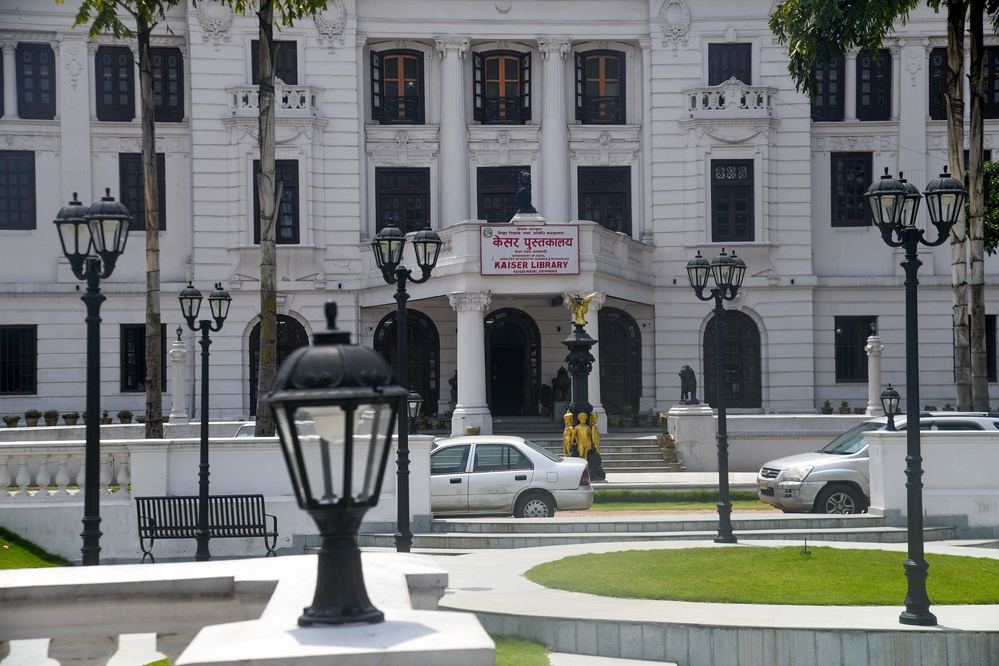
For Sapkota, the question of libraries is ultimately linked to the intellectual foundation of society. Public spaces reveal what communities value—do they invest only in economic activity and physical infrastructure, or do they also create spaces where ideas, imagination, and knowledge can flourish?
According to Professor Arun Gupto, author of the book ‘Contemplating Culture’, libraries can play an important role in making cities more democratic and civilized. So the question is not just whether there are enough libraries in Nepal, but also what role society expects from them.
Modern libraries around the world are not just places to store books. They have become a meeting place for knowledge, culture, and citizenship, where people from different backgrounds can access information, get acquainted with new ideas, and participate in community life. ‘That’s why we need to envision a modern library,’ says Gupto.
Modern libraries around the world are not just places to store books. They have become a meeting place for knowledge, culture and citizenship. According to Gupto, libraries can only contribute to building a democratic society if they reflect the cultural diversity of the communities they serve. “When everyone has the freedom to read, they also have a common public space for their artistic and cultural expression. Such libraries develop democratic values,” he says. He cites the Oudi Library in Helsinki, Finland, as an example. ‘It is not just a collection of books, it is also a cultural and community center. Its democratic significance lies in ensuring easy access for all,’ he says.
Even looking at history, libraries have been public spaces of civic life. They are places where citizens have the opportunity to become acquainted with ideas beyond their limited experience and where the basis for public debate is prepared. The role of libraries seems even more important at a time when there is a debate about the shrinking state of democratic institutions, civic participation and public dialogue in Nepal. The state of institutions that preserve knowledge and encourage the open exchange of ideas is not only a matter of cultural interest, but also directly related to the quality of public life.
A basic condition is necessary for the development of libraries as democratic and cultural public spaces—society must be ready to invest in their preservation.
According to historian and sociologist Lokaranjan Parajuli, the main reason for the poor state of public libraries is the financial aspect. ‘Without the necessary resources, it is difficult to add new books and journals and to operate the library on a daily basis,’ he says. ‘Before 2020, the government used to provide some financial support to public libraries. After that, such support almost stopped.’
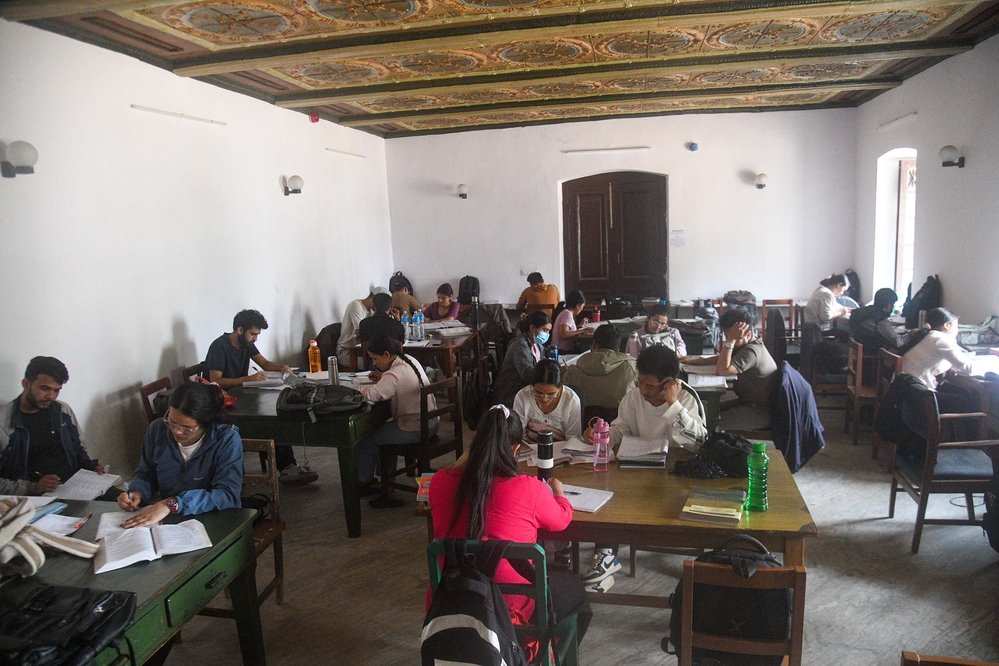
For many library activists, the reason why libraries have reached a poor state is not only a lack of money. It also raises the question of how much importance society places on learning, knowledge, and public dialogue.
A library is not just a place to store books, it is where the community’s reading culture and commitment to knowledge are built. When libraries become deserted and dusty, it indicates that the relationship between society and intellectual life is weakening.
Many libraries that cannot be operated systematically are deserted. But well-managed libraries still attract a crowd of readers. The Nepal National Library, Keshar Library, and the Tribhuvan University Central Library often do not even have a place to sit. Some students and readers study under trees or in open fields.
पाठकको सन्देश स्पष्ट छ– उनीहरू पर्याप्त स्रोतसाधन र अध्ययनका लागि उपयुक्त वातावरण भएका सहज पहुँचयोग्य पुस्तकालय चाहन्छन् । पुस्तकालयलाई लोकतान्त्रिक र सांस्कृतिक सार्वजनिक स्थलका रूपमा विकास गर्न एउटा आधारभूत सर्त आवश्यक छ— तिनलाई जोगाइराख्नका लागि लगानी गर्न समाज तयार हुनुपर्छ ।
केही दिनअघि एक दिउँसो त्रिभुवन विश्वविद्यालयकी सहप्राध्यापक बिन्दु शर्मा मार्टिन चौतारीको पुस्तकालयमा पुस्तक अध्ययनमा तल्लीन थिइन् । उनी अध्ययनको वातावरण पुस्तकालयमा पाइने बताउँछिन् । ‘समय सदुपयोगका लागि पुस्तकालय आइरहन्छु । घरमा पढ्न डिस्टर्ब गर्ने अनेक तत्त्व हुन्छन्, पढ्ने वातावरण नै हुन्नँ,’ बिन्दु भन्छिन्, ‘आफूलाई चाहिएका सन्दर्भ सामग्री र पुस्तक खोज्न पनि पुस्तकालय जान्छु,’ उनी भन्छिन्, ‘मलाई चाहिने सन्दर्भ सामग्री र पुस्तक खोज्न पनि यहाँ आउाछु ।’
शर्मा समाजशास्त्रदेखि राजनीतिक आन्दोलनसम्मका विषयमा अध्ययन गर्न मार्टिन चौतारीको पुस्तकालय प्रयोग गर्छिन् । ‘केही पुस्तक यहीं बसेर पढ्छु, केही सापटी लिएर घर लैजान्छु । दुई घण्टा मात्रै समय भए पनि पुस्तकालय आउँछु,’ उनी भन्छिन् ।
शर्माको अनुभवले एउटा सामान्य धारणालाई चुनौती दिन्छ– पुस्तकालयमा पाठक घट्नु भनेको पढ्ने रुचि नै घट्नु हो भन्ने । वास्तविक प्रश्न भनेको मानिसको त्यो रुचि टिकाइराख्ने सार्वजनिक स्थानहरू निर्माण र संरक्षण गर्न सकिएको छ कि छैन भन्ने हो । तर पुस्तकालय क्षेत्रका जानकारहरूका अनुसार नेपालका पुस्तकालयहरू अहिले गम्भीर संकटमा छन् ।
त्रिभुवन विश्वविद्यालय पुस्तकालय तथा सूचना केन्द्रीय विभागकी प्रमुख लीला न्याइँच्याइँ नेपालका सार्वजनिक पुस्तकालय बल्ल–बल्ल बाँचिरहेको बताउँछिन् । सामुदायिक पुस्तकालयको सञ्चालन र सुविधामा सहरी क्षेत्रमा ठूलो डिजिटल र सचेतनाको अभाव खड्केको उनको भनाइ छ ।
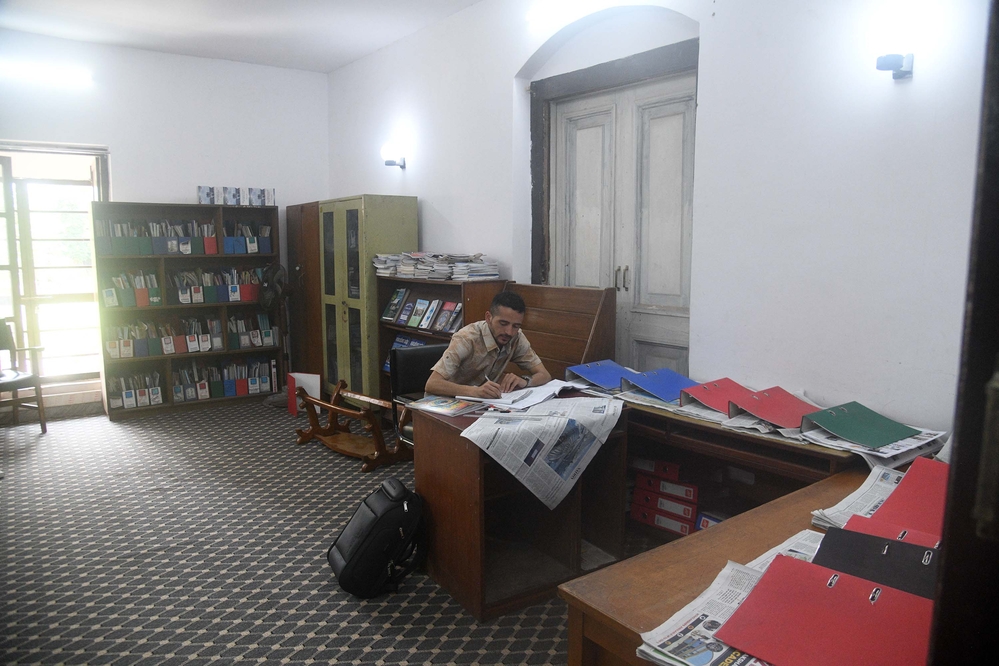
‘अचेल केशर पुस्तकालय, नेपाल राष्ट्रिय पुस्तकालय जस्ता केही पुस्तकालयमा पाठकको घुइँचो लागेकै छ । त्रिभुवन विश्वविद्यालयको केन्द्रीय पुस्तकालयमा पनि पाठकको घुइँचो छ,’ उनी भन्छिन्, ‘तर, उनीहरू बौद्धिक छलफल गर्न र बौद्धिक विषयवस्तुमा गहन अध्ययन गर्नभन्दा कुनै प्रतियोगितात्मक परीक्षा उत्तीर्ण गर्ने पाठक आउने गरेका छन् ।’
न्याइँच्याइँ महत्त्वपूर्ण दस्तावेजको संरक्षण र व्यवस्थापनलाई आवश्यक जनशक्ति बजेट र ठाउँ सबै चिजको अभावबीच नेपालका पुस्तकालय चलेका छन् । ‘न भौतिक सूचना स्रोतलाई संरक्षण गर्न पाएका छौं, न डिजिटल प्रणालीमा नै दरिलो पाइला हालेका छौं । केही थान कम्प्युटर र केही वेबसाइट बनाउँदैमा हामी डिजिटल युगबाट लाभान्वित भयौं भन्न मिल्दैन । डिजिटल पुस्तकालयका लागि आवश्यक हुने स्रोतका लागि हिजोका भौतिक स्रोतको पनि डिजिटल कपी बनाउनुपर्छ । पुस्तकालयकर्मी र पाठक दुवैलाई डिजिटल साक्षरता जरुरी हुन्छ ।’
नेपाल पुस्तकालय संघका अध्यक्ष तथा २५ वर्षभन्दा बढी अनुभव भएका पुस्तकालयकर्मी पुष्पराज सुवेदीका अनुसार विशेष गरी सामुदायिक र सार्वजनिक पुस्तकालयहरू अत्यन्त जोखिममा छन् । सरकारी र शैक्षिक पुस्तकालयहरूले पनि आफ्नै प्रकारका चुनौती भोगिरहेका छन् । उनका अनुसार सबैभन्दा ठूलो समस्या पुस्तकालय क्षेत्रलाई व्यवस्थित गर्ने समग्र कानुनको अभाव हो ।
‘त्यसैगरी कानुनी सञ्चय ऐन नहुनाले पनि राष्ट्रको ज्ञान संरक्षण व्यवस्थापन धरापमा छ । नीति र कानुनी संरचना कमजोर, दिगो आर्थिक स्रोतको अभाव, डिजिटल रूपान्तरणमा ढिलाइ, पूर्वाधार र कमजोर सेवा प्रणाली, दक्ष जनशक्तिको अभाव, पुस्तकालयको भूमिकाप्रति सीमित र संकुचित सोचले पनि पुस्तकालय संकटमा छन्,’ उनी भन्छन् । तर समस्या कानुनमा मात्र सीमित छैन ।
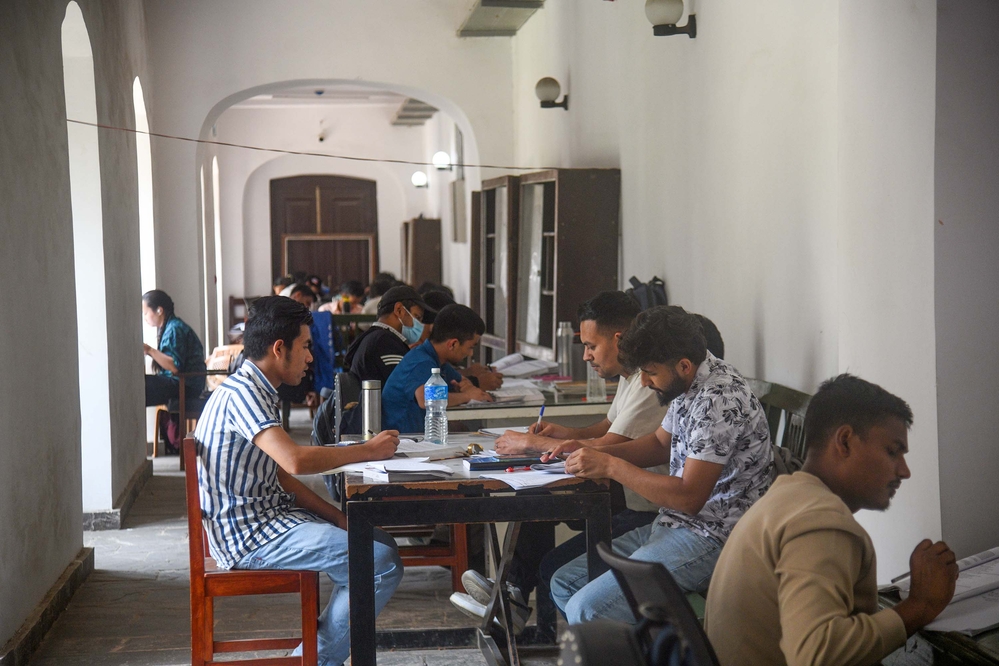
संविधानले पनि पुस्तकालय विकासलाई राज्यको दायित्वका रूपमा स्वीकार गरेको छ । संविधानले पुस्तकालय विकासलाई नागरिकका आधारभूत आवश्यकतासम्बन्धी राज्य नीतिभित्र समेटेको छ । केन्द्रीय र विश्वविद्यालय पुस्तकालयको जिम्मेवारी संघ सरकारलाई, प्रदेशस्तरका पुस्तकालय तथा संग्रहालयको जिम्मेवारी प्रदेश सरकारलाई र समुदायका लागि सार्वजनिक पुस्तकालय सञ्चालन गर्ने जिम्मेवारी स्थानीय तहलाई दिएको छ । पुस्तकालय क्षेत्रका विज्ञहरूका अनुसार यी संवैधानिक जिम्मेवारी व्यवहारमा प्रभावकारी रूपमा कार्यान्वयन भएका छैनन् । ‘तीनै तहका सरकारले आफ्नो जिम्मेवारी पूरा गरेका छैनन्,’ सुवेदी भन्छन्, ‘त्यसैले पुस्तकालयहरू प्रभावकारी रूपमा सञ्चालन हुन सकेका छैनन् ।’ पाठकको सन्देश स्पष्ट छ– उनीहरू पर्याप्त स्रोतसाधन र अध्ययनका लागि उपयुक्त वातावरण भएका सहज पहुँचयोग्य पुस्तकालय चाहन्छन् ।
उनका अनुसार संरचनागत समस्या अझ गहिरो छ । सरकारी पुस्तकालय राज्यको बजेटमा निर्भर छन् । शैक्षिक र संस्थागत पुस्तकालय सम्बन्धित संस्थाले सञ्चालन गर्छन् । तर सामुदायिक तथा सार्वजनिक पुस्तकालयहरू स्थानीय पहल, सरकारी सहयोग र दातृ संस्थाका भरमा टिकिरहेका छन् ।
सार्वजनिक पुस्तकालयका लागि स्थायी आर्थिक व्यवस्थाको अभाव अझै पनि ठूलो चुनौती बनेको छ । ०४६ सालपछि पनि सामुदायिक र सार्वजनिक पुस्तकालयहरूले आफ्नै संघर्ष झेलिरहेका छन् । राजनीतिक अस्थिरताका विभिन्न कालखण्डमा केही पुस्तकालय आक्रमणको निसानासमेत बने । सशस्त्र द्वन्द्वका समयमा ज्ञान र स्मृतिका भण्डार मानिने पुस्तकालयहरू अन्य सार्वजनिक संस्थासँगै क्षतिग्रस्त भएका थिए ।
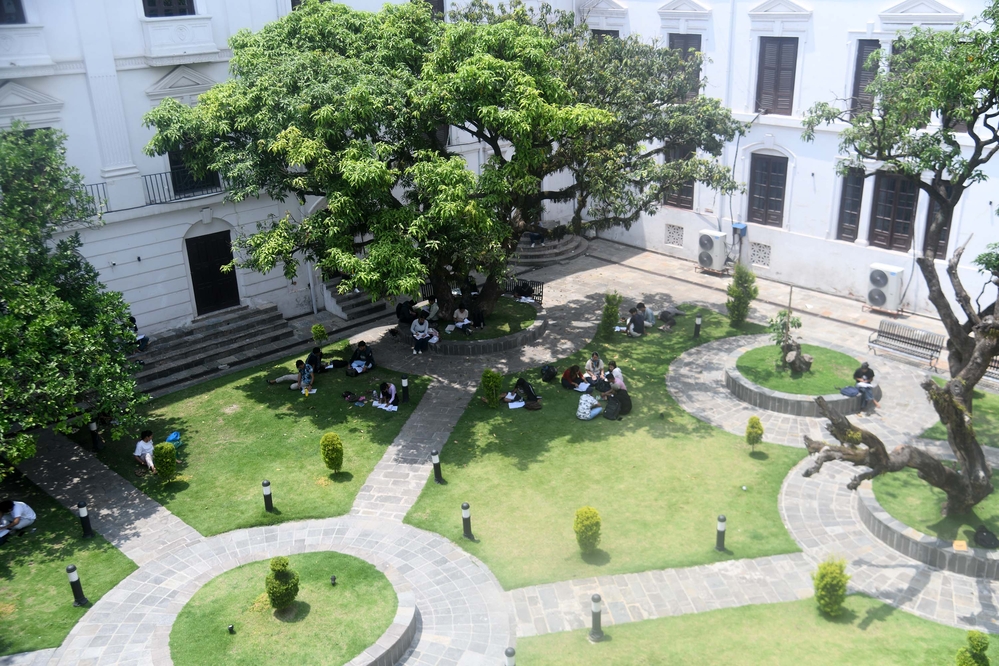
सुवेदीका अनुसार संकटका कारण पढ्ने बानी परिवर्तन हुनु मात्र होइन । डिजिटल प्रविधिको विस्तार, गहिरो अध्ययन गर्ने संस्कृतिमा आएको ह्रास तथा अनुसन्धान र ज्ञानसम्बन्धी संस्थालाई प्रोत्साहन गर्ने राष्ट्रिय नीतिको अभावले पनि पुस्तकालयहरू कमजोर बनेका छन् ।
रिड नेपाल, रुम टु रिड, लायन्स फाउन्डेसन, एसिया फाउन्डेसन र नेपाल लाइब्रेरी फाउन्डेसनजस्ता राष्ट्रिय तथा अन्तर्राष्ट्रिय संस्थामार्फत पुस्तकालय स्थापना र सहयोगका प्रयास भने जारी रहेको उनी बताउँछन् । तर सुवेदीका लागि काठमाडौं उपत्यका सार्वजनिक पुस्तकालय बन्द हुनु एउटा गम्भीर संस्थागत असफलताको उदाहरण हो । कागजातअनुसार समाज कल्याण परिषद् र त्यसका पदाधिकारीको लापरबाहीका कारण यस्तो अवस्था आएको हो ।
‘पुस्तकालयले समुदायलाई सेवा दिइरहेको थियो । आवश्यक विकल्प नै नखोजी बन्द गर्नु अन्यायपूर्ण र गैरजिम्मेवार निर्णय हो,’ उनी भन्छन् । उनका अनुसार यो भवन वा घरभाडाको विवाद मात्र होइन ! पाठकको सेवा गरिरहेको सार्वजनिक संस्थाप्रति राज्यले कस्तो व्यवहार गर्यो भन्ने प्रश्न पनि हो ।
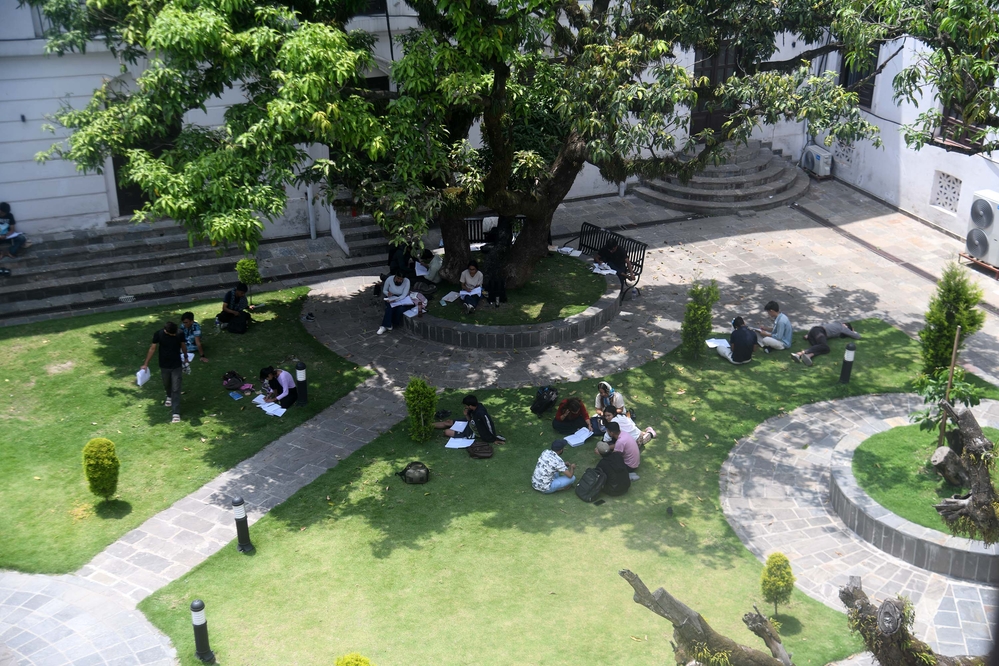
पुस्तकालयको समस्या एउटा पुस्तकालय बन्द भएको घटनाभन्दा धेरै व्यापक छ । सुवेदीले नीति, बजेट र संस्थागत कमजोरीतर्फ औंल्याउँदा त्रिभुवन विश्वविद्यालयको पुस्तकालयमा कार्यरत रमेश निरौला व्यक्तिगत उत्साह वा सामुदायिक अभियानबाट सुरु भएका धेरै पुस्तकालय संस्थापकहरू पछि हटेपछि वा उत्साह कम भएपछि कमजोर बन्दै गएको बताउँछन् । ‘धेरै पुस्तकालय ठूलो उत्साहसाथ स्थापना भए । तर सरकारी सहयोग नपाउँदा नेतृत्व गर्नेहरू निराश भए,’ उनी भन्छन्, ‘एक–दुई जनाका भरमा सामुदायिक पुस्तकालय दशकौं टिक्न सक्दैन । सेवा दिन निरन्तर स्रोत चाहिन्छ ।’ उनका अनुसार पुस्तकालयहरूले कुनै समय सामाजिक र राजनीतिक भूमिका पनि खेलेका थिए । पञ्चायतकालमा खुला राजनीतिक गतिविधि निषेध हुादा धेरै राजनीतिक कार्यकर्ताले पुस्तकालयलाई छलफल र संगठन निर्माणको स्थलका रूपमा प्रयोग गर्थे ।
‘०४६ सालअघि खुला राजनीति गर्न नपाइने हुँदा धेरै पुस्तकालय स्थापना भए । राजनीतिक कार्यकर्ताले नै तिनलाई जीवित राखे,’ उनी भन्छन्, ‘तर पछि ती कार्यकर्ता सरकार र राजनीतिक संस्थामा पुगेपछि पुस्तकालय संस्कृति कमजोर हुँदै गयो ।’
निरौलाका अनुसार अहिले पुस्तकालयहरू अभिलेखका रूपमा अझै महत्त्वपूर्ण भए पनि पढ्ने संस्कृतिका केन्द्रका रूपमा कमजोर बनेका छन् । ‘पुस्तकालयको प्रयोग घटेको छ । पहिलेजस्तो पुस्तक सापटी लिएर पढ्ने चलन क्रमशः कम हुँदै गएको छ,’ उनी भन्छन्, ‘संघीयता आएपछि स्थानीय सरकारले सामुदायिक पुस्तकालयलाई बलियो बनाउनुपर्थ्यो । तर उनीहरू अन्य प्राथमिकतामै अल्झिए ।’
निरौलाका लागि काठमाडौं उपत्यका सार्वजनिक पुस्तकालय बन्द हुनु अझ पीडादायी छ, किनभने यसले सार्वजनिक सेवा दिने संस्था र सामान्य व्यावसायिक भाडावालाबीचको फरक छुट्याउन नसकेको देखाउँछ । ‘सरकारले घरभाडा मिनाहा गर्ने विकल्प पनि सोच्न सक्थ्यो । ताला लगाउनुअघि उसले आफैंलाई सोध्नुपर्थ्यो– पुस्तकालय र मदिरा पसललाई एउटै व्यवहार गर्न मिल्छ ?,’ उनी भन्छन् ।
यस्तो घटनाले अन्यत्र पुस्तकालय सञ्चालन गरिरहेकाहरूमा पनि निराशा फैलिन सक्ने उनको चिन्ता छ । ‘यस्तै घटना अन्य ठाउँमा पनि दोहोरिन सक्छ भन्ने डर पैदा हुन सक्छ । यो संक्रामक प्रवृत्ति बन्नु हुँदैन,’ उनी भन्छन् ।
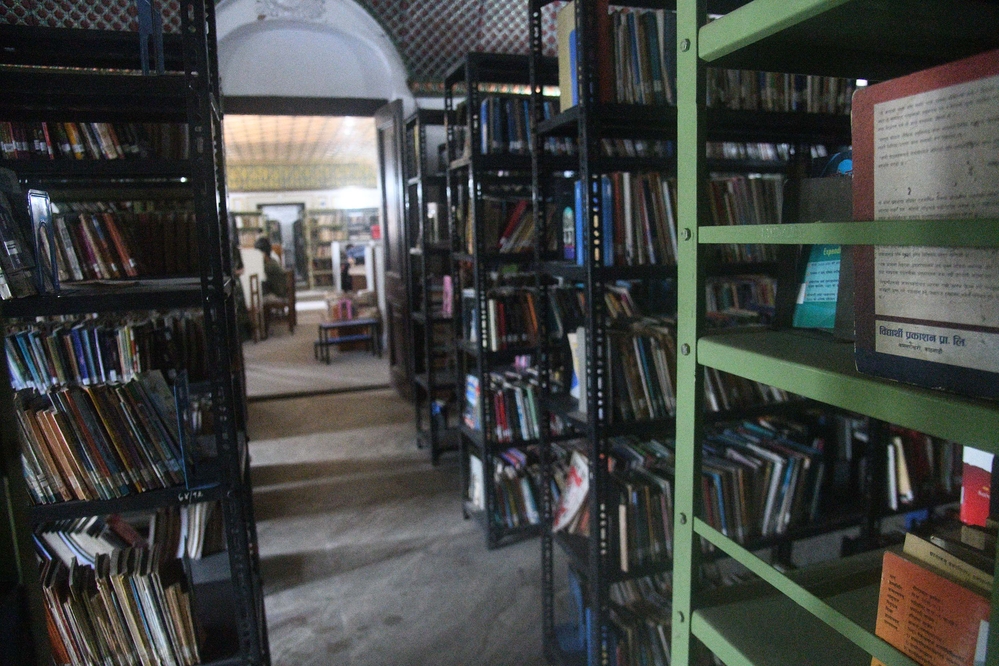
निरौलाका अनुसार मोबाइल फोन, इन्टरनेट, पीडीएफ र डिजिटल स्रोतहरूको विस्तारले पुस्तकालयको आवश्यकता घटाएको छैन । ‘मुख्य प्रश्न मानिसहरू पढिरहेका छन् कि छैनन् भन्ने हो । ज्ञान प्राप्त गर्ने माध्यम फरक हुन सक्छ,’ उनी भन्छन्, ‘यी प्रविधिले पुस्तक व्यापारीलाई असर गरेको होला, तर पुस्तकालयको महत्त्व घटाएको छैन ।’
लेखक तथा सम्पादक आचार्यका लागि अहिलेको संकट नेपालको इतिहासका दुई फरक पुस्ताबीचको गहिरो विरोधाभास हो । उनी पुस्तकसम्म पहुँच नै सीमित भएको समयमा पुस्तकालय स्थापना गर्न संघर्ष गरेको पुस्तालाई सम्झिन्छन् । ‘एक समय यस्तो पुस्ता थियो, जसले पढ्नैपर्छ र पुस्तकालय निर्माण हुनैपर्छ भन्ने विश्वास गर्थ्यो,’ उनले एक्समा लेखेका छन्, ‘त्यही पुस्ताले आफूले पढिसकेका पुस्तकहरूमा ‘सार्वजनिक’ छाप लगाएर सबैले पढ्न पाऊन् भनेर दान गर्थ्यो । तर आज नेपालको इतिहासमै सबैभन्दा शिक्षित, सूचित र विश्वसँग परिचित नेतृत्व पुस्ता हुँदाहुँदै पनि ज्ञानका ती भण्डारहरू उपेक्षाको सिकार बन्न पुगेका छन् ।’
उरुग्वेली लेखक एदुआर्दो ग्यालिआनोले ‘चिल्ड्रेन अफ द डेज ः ए क्यालेन्डर अफ ह्युमन हिस्ट्री’ मा पुस्तकालयमाथि एउटा रोचक प्रसंग उल्लेख गरेका छन् । दशौं शताब्दीको अन्त्यतिरका पर्सियाली बजिर अब्दुल कासिम इस्मायलको पुस्तकालय–प्रेम कस्तो थियो भने उनी जहाँ–जहाँ जान्थे, आफ्नो पुस्तकालय लिएरै जान्थे । ग्यालिआनोले लेखेका छन्, ‘चार सय ऊँटले एक लाख सत्र हजार किताब बोक्थे । ऊँटहरूको लस्कर एक माइल लामो हुन्थ्यो । ऊँटहरू स्वयम् किताब–सूची हुन्थे । उनीहरूले बोकेका किताबका शीर्षकअनुसार उनीहरूलाई व्यवस्थित गरिएको हुन्थ्यो । हरेक झुन्डले पर्सियाली वर्णमालाका ३२ अक्षरमध्ये एक अक्षरको प्रतिनिधित्व गर्थ्यो ।’ यहाँनेर ग्यालिआनोमार्फत इस्मायललाई सम्झनुको अर्थ हो– यस घडी नेपालमा पुस्तकालयहरू बल्लतल्ल सास धानेर उभिएका छन् ।