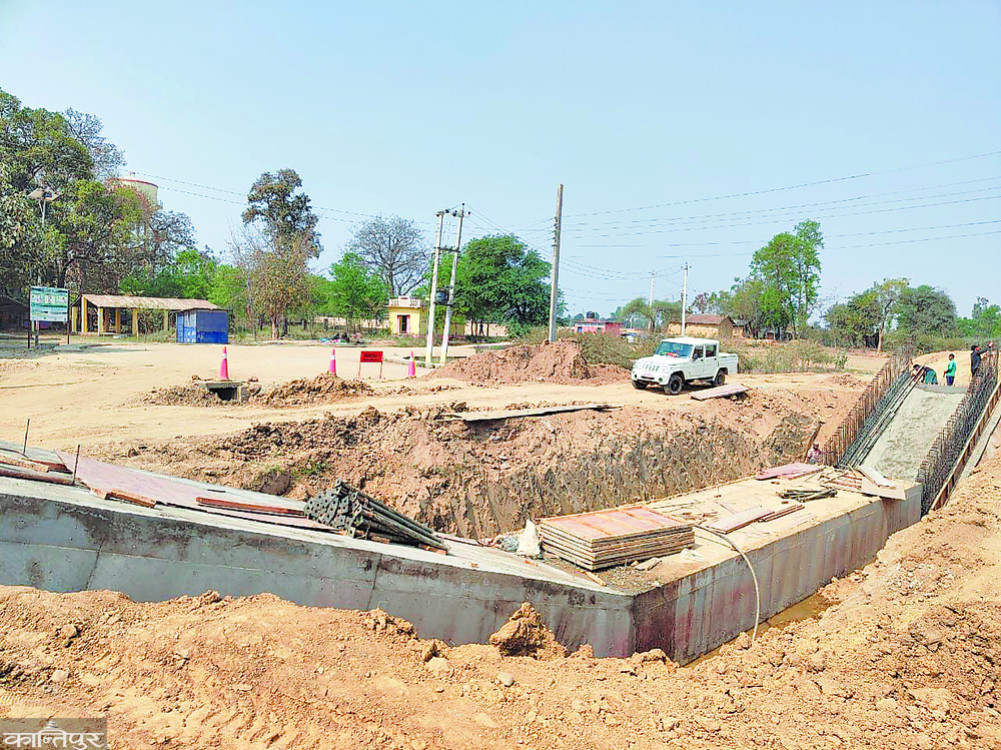
What is the pace of development and construction in the country? One need only look at the progress of some projects of national pride and strategic importance, which are still struggling due to lack of budget even after four decades of construction.
We use Google Cloud Translation Services. Google requires we provide the following disclaimer relating to use of this service:
This service may contain translations powered by Google. Google disclaims all warranties related to the translations, expressed or implied, including any warranties of accuracy, reliability, and any implied warranties of merchantability, fitness for a particular purpose, and noninfringement.
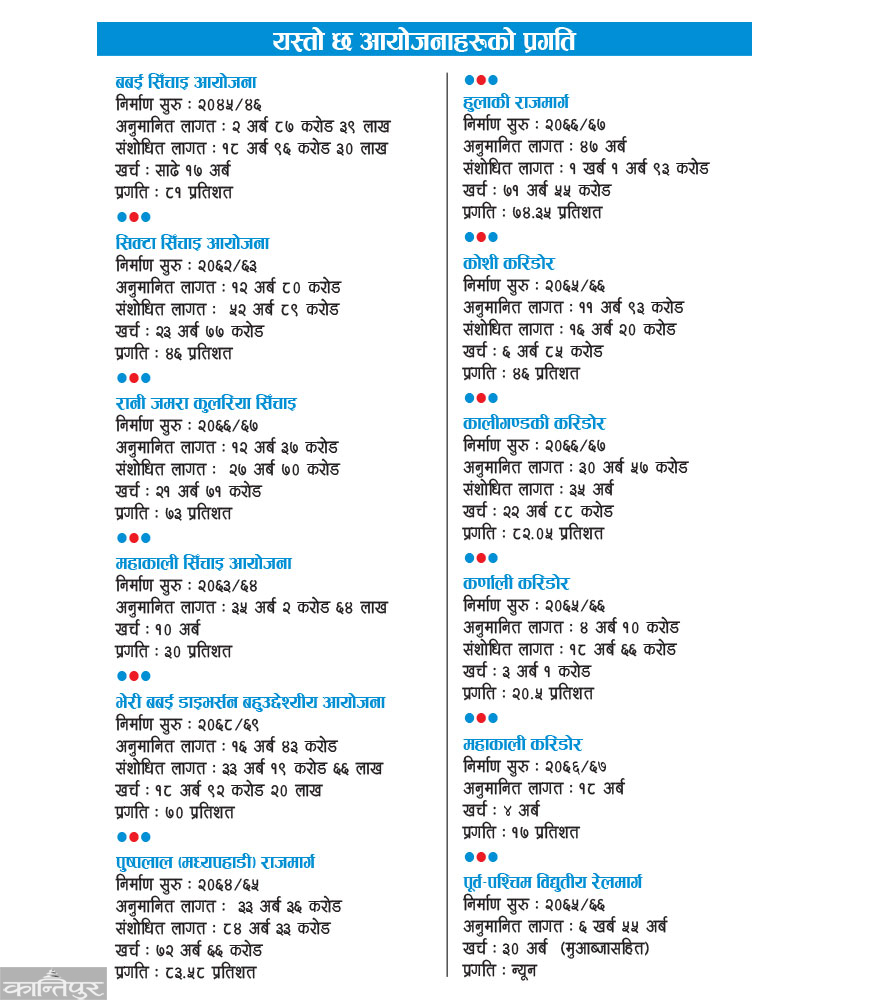
The project of pride that has not been completed even though construction began 38 years ago is the Babai Irrigation Project. The progress of this project, which started in the fiscal year 2045/46, is not satisfactory. The target was to complete it by 2082/83 according to the revised schedule after extending the deadline several times. But since it was seen that the work would not be completed even during this period, the time has been extended to 2085/86. It cannot be said that it will be completed even then.
The initial cost estimate of the Babai Irrigation Project was 2.87 billion 39 million rupees. Now the cost has been revised to 18.96 billion 30 million rupees. After the project is completed, irrigation facilities will reach 36 thousand hectares of arable land, 21 thousand in the east of Bardiya and 15 thousand in the west. Shekharnath Neupane, Information and Liaison Officer of the Babai Irrigation Project, says that the construction progress is 81 percent so far.
17.5 billion rupees have been spent on it since the project started. And, its master plan was last revised in 2082 BS, Neupane said. ‘The ministry has made a strategy to complete the work in 2084/85. The contract made in the current fiscal year will be done for two years and an additional contract worth two and a half billion rupees in the next fiscal year,’ he said, ‘The contract will be completed in 2085/86. There is a plan to complete all the work in one year.’
A branch canal of the project will have to be constructed in the Gulariya section of the West Main Canal. Work is underway after the main canal has been contracted. Neupane said that the construction of access roads, slope management, and river control work under the construction of the branch canal and irrigated area development work are still a little bit left. Irrigation has already started on 28 and a half thousand hectares of land from Babai. In the budget for the next fiscal year, it is mentioned that irrigation facilities will be provided to an additional 1 thousand 66 hectares of area through this project.
Another proud Sikta Irrigation Project has been started for more than two decades. Its overall progress is only 46 percent. When the project was started in 2062/63, it was said that the construction would be completed by 2071/72. Then the time was extended to 2077/78. Even then, the work was not completed. According to the revised schedule, the target was to complete the work by 2084/85. Since it was seen that the work could not be completed even during this period, it has been extended to 2089/90.
The initial cost estimate of Sikta Irrigation was Rs 12.8 billion. Later, it was revised to Rs 52.89 billion. In the 21 years since the project started, Rs 23.77 billion has been spent. The project has stated that the budget has also been revised along with the revision of the master plan. After the project is completed, irrigation facilities will reach 42,766 hectares of Banke. ‘Progress is increasing, there is no problem with the budget now,’ said Manoj Kumar Sah, the project’s information officer, ‘If we work well, the project can be completed in four years.’
Although there was a problem in increasing progress due to lack of budget in the beginning, Sah claims that this is not a problem now. ‘Earlier, only the main canal construction was done, now the branch canal has been built, and the branches will have to be built,’ he said, ‘Since we have received the source agreement, we will contract for it in the current fiscal year.’ He said that now there are not many big works and only small works. ‘It has been 20 years since the main canal was built, and it will also have to be maintained,’ said Sah.
The budget statement mentions that in the coming fiscal year, the Sikta Irrigation Project will provide additional irrigation facilities to 5,000 hectares of land in the east and west of Banke. A budget of Rs 2.55 billion has been allocated for this project in the coming fiscal year. The project is irrigating 22,300 hectares of land.
It has been 17 years since the construction of the Gauravkai Rani Jamara Kulariya Irrigation Project began. But it has not been completed yet. This project was started in 2066/67. As per the initial agreement, it was to be completed in 2072/73. The project aims to provide year-round irrigation facilities to 38,300 hectares of agricultural land in Kailali, including 14,300 hectares of Rani Jamara Kulariya irrigation system, 6,000 hectares of new branch canal Lamki extension, and 18,000 hectares from Patharaiya to Kandra river under irrigated area expansion. After a decade and a half of construction, the progress is 73 percent.
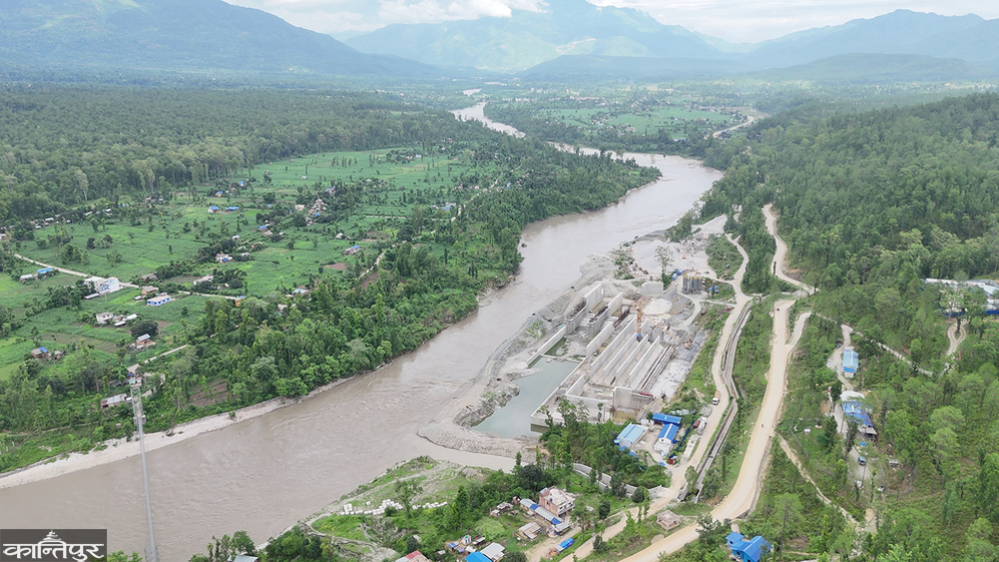 The expenditure on this has also been Rs 21.71 billion. The cost estimate when the Rani Jamara project was started was Rs 12.37 billion. The construction of 14.65 km of main canal and structures under the intake and Lamki extension has been completed under the government's investment. The construction of a 4.71 MW hydropower plant has also been completed, said Ankur Subedi, engineer of the project.
The Nepal government has invested Rs 17.5672 billion and the World Bank has invested Rs 9.9551 billion in the project. Its estimated cost is Rs 27.7 billion. ‘The work has started under the third phase of the project and the target is to complete the project in 2085/86,’ he said. ‘A 13-km main canal is being constructed under the contract.’ The Mahakali Irrigation Project has also not been able to gain momentum in construction. It has been two decades since the construction of this project began. The construction progress of the project, which began in 2066/67, is only 30 percent. The project, which has an estimated cost of Rs 35.264 billion, has been spent so far on the project.
The main goal of the project is to provide irrigation facilities to an area of 28,225 hectares through surface irrigation and 5,265 hectares through underground irrigation in Kanchanpur. Accordingly, irrigation facilities will reach Brahmadev, Malakheti, Dodhara Chandani, and Tribhuvan Basti. According to the revised schedule, the project is to be completed by 2086/87. Although the construction of the 29-km main canal has been completed so far, India has not provided water, said Yadav Baral, information officer of the project. This irrigation project is in Mahendranagar, Kanchanpur. According to the book with an introduction to the project published by the National Planning Commission, Nepal will receive 300 cusecs of water in winter and 1,000 cusecs in summer from the Tanakpur Barrage in accordance with the agreement signed between Nepal and India in 1996.
‘We have prepared a structure to provide irrigation facilities to 7,500 bighas when India provides water,’ Baral said, ‘This facility will reach 5,000 hectares in Bhimdatta, Vedkot, and Shuklaphanta municipalities.’ The plan has been updated to be completed in 2086/87 under the third phase of the Mahakali Project. ‘Since the canal passes through open land, compensation has to be paid for it, so a decision has not been made by the government yet,’ he said, ‘There is also land given to some freed Kamaiyas, but it cannot be sold, so it is a problem to build a canal on that land.’ He said that the land is owned by one person and the work has not been done because the land is in the name of another.
Baral clarified that there would be no problem in completing the project if the Ministry of Finance had given source approval and there were no budget problems. ‘If the budget of Rs 25 billion had been allocated for the next four fiscal years, the work would have been faster, but only Rs 2 billion has been allocated for the next fiscal year,’ he said. ‘If there had been no problem during the construction and if the budget had been properly managed, there would have been no problem in completing the work.’ It has been 15 years since the construction of the Bheri Babai Diversion Multipurpose Project began. The project, which was supposed to be completed in 2068/69 and completed in 2079/80, has only 70 percent progress so far. The project has stated that the work will be completed in 2084/85 as work has been added as per the master plan. The initial cost estimate of the project is Rs 16.43 billion. The revised cost, including additional expenses including dam and powerhouse, hydromechanical and electromechanical, is Rs 33.19 billion. 66 million.
Rs 18.92 billion has been spent on Bheri Babai. After the project is completed, irrigation facilities will be available for about 51,000 hectares of land in Bardiya and Banke using the additional water available in the Babai River through the Babai Headworks for twelve months. 40 cusecs of water will be taken from Bheri to Babai and 46.8 megawatts of electricity will be generated. Hari Bahadur Thapa, Senior Divisional Engineer and Information Officer of the project, said that the progress of electro and hydro mechanical work is slow. He said that only 58 percent of electro mechanical and 60 percent of hydro mechanical work has been completed.
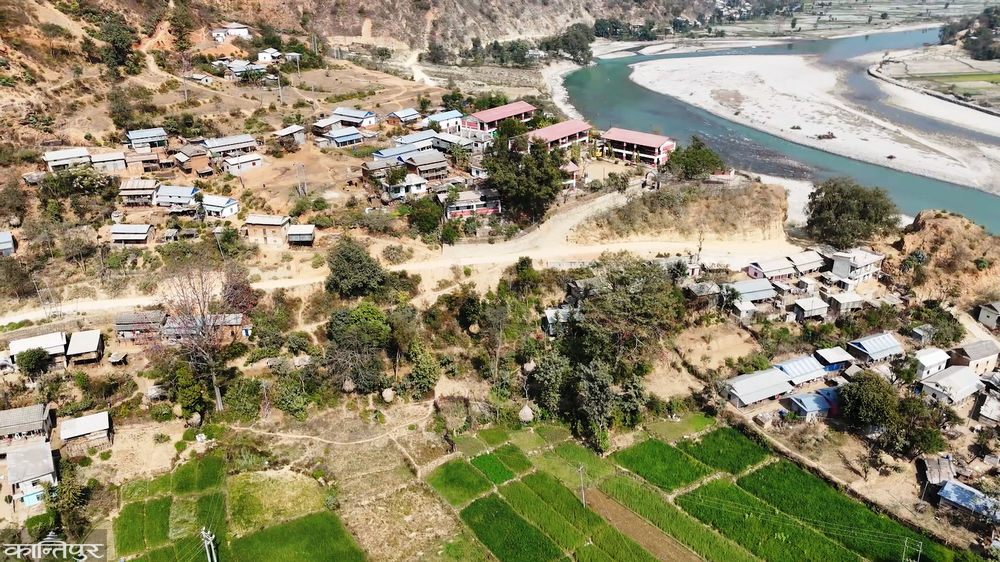 The contract for the construction of the dam has been jointly won by Chinese company Guangdong Yuantian and Nepali company Raman Construction. Its contract amount is Rs 6.88 billion 89 million. Raman-Patel JB has been blacklisted by the Public Procurement Monitoring Office for three years after the dam construction work at Sunkoshi Marina in Sindhuli was not completed on time. Patel is an Indian company. ‘Raman had worked in Sunkoshi Marine, but he has not been able to mobilize resources since he had financial problems there,’ Thapa said, ‘Since he worked in a JV with a Chinese company, we have tried to create an environment for both to work together. But the Chinese company has not come, it would have been faster if the decision had been made by the ministry itself.’
Even though the project was instructed to complete within two years, the project office estimates that it will take another three years. ‘There is a shortage of manpower, only 11 of the 22 technical staff are working,’ he said, ‘no matter how hard we try, we have not been able to work in three shifts.’
Not only irrigation, but also road infrastructure construction work has not been able to gain the desired momentum in the country. There are some road projects, the construction of which has been underway for more than 15 years. One such project is the Pushpalal (Mid-Hill) Highway.
The government had started this project in 2064/65 alone, saying that it would connect 215 settlements in 26 districts of the Mid-Hills. It is estimated that 10 million people will benefit from the completion of this project. The work has been started as per the target of constructing a two-lane blacktop road from Chiwabhanjyang in Panchthar in the east to Jhulaghat in Baitadi in the west. The target is to construct 1,879 km of road and 137 bridges. Of this, 1,93.11 km of blacktop roads have been constructed under the highway and 462 km under other projects. Out of 137, 14 bridges have been constructed. The initial cost estimate of the project is Rs 33.36 billion. The revised cost estimate has reached Rs 84.33 billion. So far, Rs 72.66 billion has been spent and the construction progress is 83.58 percent. The project was scheduled to start in 2064/65 and be completed by 2074. After the work was not completed during that period, the time was revised to 2079/80, but since the work was not completed, it has been extended to 2084/85.
 The government has mentioned in the budget for the next fiscal year that the construction of this highway will be completed within three years. But Sachin Shrestha, engineer and information officer of the Pushpalal (Mid-Hill) Highway Project Directorate, says that the work will not be completed within this time. “We have only received source approval to award contracts for eight bridges in the current fiscal year,” he said. “We have sought source approval to blacktop 44 km of roads in the current fiscal year, but it has not been received yet.” A budget of Rs 2.16 billion has been allocated to upgrade 65 km of roads and complete the construction of 5 bridges in the coming fiscal year.
Even after 17 years, the postal highway has not been built. So far, the construction progress of the project is only 74.35 percent. The project, which was started from the fiscal year 2066/67 according to the concept of connecting the area from Kechanakawal in Jhapa to Dodhara Chandani in Kanchanpur in the west, will benefit about 10 million people from 21 districts of Terai-Madhesh. But the project has not moved forward due to budget reasons or delays in policy decisions.
The overall distance of the project is 1,857 kilometers. So far, 1,380 kilometers of blacktop has been completed. Out of 300 bridges to be constructed, only 153 have been completed. 150.90 km of roads and 69 bridges are yet to be contracted and work is yet to begin. The project has said that the outline of where to build the highway from in some sections is yet to be finalized.
The distance of the east-west 975 km and the north-south connecting road is 882 km under the Hulaki Highway. When the project was started, the completion date was set for the fiscal year 2074/75. After it was not completed, it was extended from 2079/80 to 2080/81. But the project could not be completed. The time was revised to 2083/84. Now, a plan has been made to complete it in 2086/87.
71.55 billion rupees have been spent since the project started. The initial cost estimate of the project was 47 billion rupees. Later, it was revised to 65.20 billion and now it has been made to 101.93 billion rupees. The government has mentioned in the budget for the coming fiscal year that it will start widening the highway from densely populated areas and complete the construction of 8 road bridges. The budget for the coming fiscal year has been allocated Rs 4.65 billion, saying that the project will be completed within three years.
Currently, road contracts are yet to be awarded in the Chitwan National Park area, Kapilvastu, and the forest area on the border of Dang. Contracts for road sections and bridges in the forest area on the border of Dang and Banke are yet to be awarded. The lack of bitumen at the moment has affected the overall project, said Kuber Nepali, director of the Postal Highways Directorate. “The government’s goal is to complete the construction within three years, but the delays are due to design disputes and budget problems,” Nepali said.
The Koshi Corridor, a project of pride whose construction began in 2065/66, is a project of pride. Its distance, which connects Jogbani border crossing Rani to Biratnagar-Dharan-Dhankuta-Hile-Leguwa-Tumlingtar-Khandbari and reaches Kimathanka in Sankhuwasabha, is 345 km. If you go to Hile-Chainpur-Tumlingtar section through the same highway, the total distance is 390 km. The road section from Rani to Khandbari has been blacktopped. Work is underway on the 162 km stretch from Khandbari to Kimathanka. The North-South Trade Route Expansion Project Directorate has stated that the 134 km road section from Khandbari to Chyamtang is being upgraded.
The main objective of the Koshi Corridor is to increase trilateral connectivity between Nepal, India and China and achieve economic prosperity. So far, the overall progress is 46 percent. The project was said to be completed in 2080/81. After the work was not completed within that time, the time has been extended to 2085/86. The initial cost estimate of the corridor was 11.93 billion rupees and has been revised to 16.20 billion rupees. So far, 6.85 billion rupees have been spent. The construction of the Kaligandaki Corridor, which began as a project of Gaurav in 2066/67, is not yet complete. It connects Gaindakot in Nawalparasi to Maldhunga Beni-Jomsom-Korla in Parbat. Its total distance is 495 km. The
project aims to pave 87 km of gravel and 488 km of blacktop roads. Similarly, 85 bridges will have to be constructed. Only 495 km of the road track has been opened. So far, 87 km of gravel roads, 328 km of blacktop roads and 51 concrete bridges have been completed. Its construction progress is 82.05 percent. The initial cost estimate of this project was 30.57 billion rupees, but it has been revised to 35 billion. So far, 22.88 billion rupees have been spent. The completion date of the project has been extended to 2085/86. The construction of the Karnali Corridor began in 2065/66. So far, the overall progress is 20.5 percent. So far, Rs 4.1 billion has been spent. When the project was started, it was said to be completed by 2070. Later, the time was extended to 2079/80. Now, the target is to complete it by 2084/85.
 The initial cost estimate of this road was Rs 4.1 billion, but it has been revised to Rs 18.66 billion. This corridor connects Khulalu in Kalikot to Hilsa via Simkot in Humla. The distance of the section is 268 km.
Dharmendra Kumar Jha, Director of the North-South Trade Route Expansion Project Directorate, said that if there is no budget problem, the project will be completed within the specified time.
The Mahakali Corridor, whose work started in 2066/67, has also not been completed yet. Although the work on this road was initially started as the Darchula-Tinkar road, in 2072/73 BS, it was upgraded to two lanes as the Mahakali Corridor, said Ishwor Karki, acting chief of the Mahakali Corridor. “The road had already been connected to Darchula via Dadeldhura-Baitadi under the Mahakali Corridor,” he said. “Later, the construction of this project started from Khalanga, the headquarters of Darchula, to Tinkar.”
Earlier, 43 km of road tracks had been opened in the corridor. According to Karki, the Nepal Army has been given the task of opening the track at 79 km of the Tinkar-Tusharpani section. ‘Later, a plan was taken forward to expand the road to Chandani-Gaddachauki-Brahmadev-Jhulaghat-Darchula-Tusharpani, and its expansion began by opening a corridor road along the banks of the Mahakali,’ he said. ‘Currently, the Mahakali Corridor is a 413 km road from Chandani to Tusharpani, of which 79 km is being constructed by the army and 334 km by the Road Department.’ It is estimated that it will cost 18 billion to complete the corridor. 4 billion has been spent so far. But the progress is only 17 percent. ‘Every year, only 500 million to 1 billion rupees are budgeted for the project to be awarded contracts. The estimated time for completion of the project is 2085/86,’ he said. Karki said that the contract for blacktop will be awarded after the track opening work is completed.
‘The main problem in the corridor is the budget,’ Karki said. ‘Currently, the contract for blacktop of 30 km of road is ongoing in Darchula district. 3.2 km of road has been blacktopped in the Dadeldhura section.’ The progress of the East-West Electric Railway, which started in 2065/66, is very low. The government has blocked hundreds of bighas of land totaling 5,424 plots, including 2,457 plots in Jhapa, 1,638 plots in Morang, and 1,329 plots in Sunsari, for the railway. So far, there has been no decision on the compensation. It is estimated that more than 24 billion rupees will be spent on compensation. Hari Pokharel, Director General of the Railway Department, said that the compensation will be distributed as soon as the Ministry of Finance ensures the resources.
 The railway aims to start from Kakadbhitta in Jhapa and connect Gaddachauki in Kanchanpur in the west. According to the initial study, the distance of the East-West Railway was 945 km. Now, due to the change in the demarcation of the park area, the distance has reduced to 925 km. Out of the 69 km of the Jayanagar-Janakpur-Kurtha-Bijalpura-Bardibas section, 52 km are under rail service. Its final point is the East-West Electric Railway.
The Nepal government itself has built the infrastructure for the 70 km stretch from Bardibas to Sarlahi, Rautahat, and Bara. About 30 billion rupees have been spent. The department has stated that this expenditure includes compensation distribution for the Bardibas section. According to the feasibility study, the construction cost of the entire railway will cost 655 billion rupees.
The government should prioritize irrigation projects and build them, said Arjun Jung Thapa, a member of the National Planning Commission. “Once such projects are built, they will directly impact the country’s economy,” he said. “After the construction of the Babai Irrigation Project, Bardiya has undergone an economic transformation.” Thapa says that the main reason for the failure to complete Gaurav’s projects on time is the lack of adequate budget allocation. "There is a problem of not being able to set a budget, and even if the budget is set, it cannot be released," he said. "The budget is shown in the red book, but the Ministry of Finance is in a situation where it has not been able to release the budget."
Thapa understands that the project construction has also been delayed due to problems with tree felling and land acquisition.