The commission has recommended that 52 people, including 17 MPs, be investigated, and that the government implement the commission's recommendations within three months.
We use Google Cloud Translation Services. Google requires we provide the following disclaimer relating to use of this service:
This service may contain translations powered by Google. Google disclaims all warranties related to the translations, expressed or implied, including any warranties of accuracy, reliability, and any implied warranties of merchantability, fitness for a particular purpose, and noninfringement.
The National Human Rights Commission has concluded that human rights were violated in the Gen-G movement on 23 Bhadra last year and that organized criminal acts were committed as per the pre-plan on 24 Bhadra the next day. The commission has recommended that the government take action against the officials involved in human rights violations and conduct further investigation against the individuals involved in criminal acts.
The commission had formed a 6-member committee led by member Lily Thapa on 23 Bhadra itself to investigate and investigate the incident. Two months after the committee submitted its report, the commission made the details of the recommendation section of the report public on Wednesday. The commission submitted its recommendation to the Prime Minister's Office on Wednesday itself.
The commission has recommended action against the then Prime Minister, Home Minister, Communications Minister, and security agency chiefs for human rights violations. The commission has named 52 people, including 17 MPs of the Rashtriya Swayamsevak Sangh (RSS) involved in the incident on 24 Bhadra and has recommended for investigation. Two groups, including 'TOB', have also been recommended for investigation and action. The commission has concluded that the protest of 23 Bhadra turned violent due to the instigation of 'TOB'.
The commission has concluded that the then Prime Minister KP Sharma Oli, Home Minister Ramesh Lekhak and Communications Minister Prithvisubba Gurung violated human rights in the incident of 23 Bhadra. They have been recommended to be prosecuted in court under Article 249, Clause 2 (c) of the Constitution. Earlier, the Gauri Bahadur Karki-led inquiry commission had recommended that they be investigated and prosecuted for the crime of murder.
The Human Rights Commission has said that there is no provision for punishment for human rights violations in any law currently in force and has asked for punishment for crimes against humanity and human rights by making retrospective laws. The commission has also mentioned the Supreme Court's decision for this. The commission has stated that since the Supreme Court has already formulated the principle in the case filed by advocate Madhav Basnet, a new law needs to be made to prosecute and punish them.
The commission has recommended legal provisions, which include a maximum penalty of six months in prison or a fine of up to 300,000 rupees, or both. It has also been recommended to form a separate special court to hear these cases. The commission has recommended a provision to bar candidates from running for political appointments or elected positions for at least six years. If a law is passed in accordance with the recommendation, they will not be able to run for the next House of Representatives election. The commission has also recommended a law to ban administrative responsibilities for at least three years and foreign travel for at least three years.
In cases other than serious human rights violations, it has been asked to make a provision to publicly apologize, provide appropriate compensation, and grant a pardon for human rights violations with the permission of the relevant victim and the court. The commission has also recommended a provision to automatically suspend those holding any public position after a case is filed.
The Commission has also recommended that the then Inspector General of Nepal Police Chandrakuber Khapung, the then Inspector General of Armed Police Force Raju Aryal and the then Chief of the National Investigation Department Hutraj Thapa be taken into custody under Article 249 (c) of the Constitution for their alleged responsibility in human rights violations. The Commission has also recommended that the government keep a record of them so that they are not given any government service responsibilities in the future. It has been asked to conduct a thorough investigation into the security personnel who opened fire and take action.

The Commission has recommended that the Inspector General of Nepal Police Dan Bahadur Karki, Inspector General of Armed Police Narayan Dutta Poudel be appointed Deputy Inspector General of Police Om Rana, Senior Superintendent of Police Bishwa Adhikari, Superintendent of Armed Police Jeevan KC, and the then Director of the National Investigation Department Krishna Khanal be appointed as the Deputy Inspector General of Police under Article 249 (2) (e) of the Constitution. The then Chief District Officer of Kathmandu Chhabilal Rijal and
On 23 Bhadra, the field commanders of the Nepal Police, Armed Police Force and National Investigation Department deployed in the field in the Baneshwor and Parliament Building areas have also been recommended for departmental action for human rights violations.
The commission has recommended that Chief of Army Staff Ashok Raj Sigdel be instructed to take such issues seriously in the future and prioritize the protection of national property and the responsibility for the protection of human rights of the general public. The commission has also drawn the attention of the government to alert the then chief of the army battalion inside Singha Durbar and the then commander of the army at Sheetal Niwas, the President's residence, to ensure the security of Singha Durbar.
The commission said about the incident of 24 Bhadra, 'While analyzing the overall circumstances of the incident and the evidence attached to the case, it appears that the incident of 24 Bhadra started due to an angry person affected by the incident of 23 Bhadra, the nature and circumstances of the incident of 24 Bhadra appear to have occurred across the country at the same time and with the same objective. There is no need to argue otherwise with the opinion of the investigation report that these incidents were organized criminal acts according to a pre-planned plan. The commission has said that almost all the incidents of that day should be addressed as criminal activities.
Main factor Oli
The Human Rights Commission has concluded that the then Prime Minister KP Sharma Oli was the main factor in the 23 Bhadra incident. The commission has stated that the protests on 23 Bhadra started due to the ban imposed by the Oli government on social media. The then Prime Minister Oli has been pointed out as the main factor in the situation that has arisen across the country since then.
The commission says that Oli has been found guilty of human rights violations because he has remained indifferent and has not fulfilled his obligations under the law. ‘When analyzing the security situation on the evening of 23 Bhadra and the afternoon of 24 Bhadra, the Council of Ministers has not taken any decision to seek the assistance of the army even when it was seen that all security mechanisms except the Nepali Army had failed,’ the commission has stated.
The then Minister of Communications and government spokesperson Prithvi Subba Gurung also criticized Oli in a statement. He said that they had requested to lift the ban on social media, but the then Prime Minister Oli did not agree.
Questioning the role of the Nepali Army
The commission has also raised questions about the role of the Nepali Army. The document shows that the Chief District Officer of Kathmandu requested the assistance of the army after the protests on 23 Bhadra turned violent and went beyond the control of the security forces, but in practice, no such assistance was provided.
‘On the 24th, while protesters vandalized, set fire to and destroyed government office buildings across the country, including the Federal Parliament Building in Baneshwor, the archaeologically important Singha Durbar, the residence of the President, who is also the Supreme Commander of the Nepali Army, the Supreme Court, political party leaders and cadres, residences of government employees, private commercial buildings, etc., all security agencies remained mute spectators,’ the commission said in its recommendation. ‘Considering the ongoing discussion in all circles of the country that if the Nepali Army had only come out of the barracks, the incidents of vandalism and arson that would have caused so much damage to the nation would not have occurred, the commission’s investigation committee called the Chief of Army Staff and other high-ranking officials for statements, but the Nepali Army did not cooperate.’
After the investigation committee submitted its report to the commission chairman on 6 Chaitra, the army submitted a written statement to the commission (including Chief of Army Staff Ashok Raj Sigdel) through closed questions. "Even after 76 people have lost their lives and all the major structures of the state and the country's large and important commercial establishments have been set on fire and destroyed, it seems that the army was mobilized only from 10 pm on the 24th, in a situation where there is no sign of the state or government," the commission's recommendation states. "However, it is not mentioned in the statements that the army was mobilized based on the government's decision on this date."
The commission has also raised the issue that the army could not be mobilized because the government did not take a decision throughout the day on 23 and 24 Bhadra, but that it was mobilized from 10 pm on 24 Bhadra without a government decision. The commission said, "A detailed analysis of the evidence collected during the investigation revealed the weaknesses of the Nepali Army in causing the kind of human, physical and economic damage that has been caused across the country by vandalizing and setting fire to Singha Durbar, the Supreme Court, and the President's House during the protests on 23 and 24 Bhadra." The commission has recommended that legal and policy arrangements be made immediately if the army is used in internal conflicts, especially violent protests.
Former Prime Minister Karki and the chair of the Commission of Inquiry also in the recommendation
The Human Rights Commission has also recommended an investigation against Sushila Karki, the Prime Minister after the Gen-G incident, Gauri Bahadur Karki, the chair of the 'Commission of Inquiry into the Incidents of 23 and 24 Bhadra' formed by her government, and former Home Minister Om Prakash Aryal. Aryal is a minister in the Sushila Karki-led government.
Stating that there have been criticisms from various angles that their statements played a role in inciting the protests, the commission has recommended further investigation into whether or not there was any act that disturbed public peace and order and whether or not there was any incitement.

Recommendation for investigation against 17 MPs including the RSVP President
The commission has recommended an investigation against 17 MPs including the ruling RSVP President Ravi Lamichhane regarding their involvement in the Gen-G movement, including human and material losses. The commission has asked for an investigation into the incident in which RSVP President Lamichhane, who was detained in Nakkhu Prison in Lalitpur during the incident of 24 Bhadra, escaped. ‘The Nakkhu prison where Lamichhane is being held is surrounded by a crowd including Rashtriya Swayamsevak Sangh leaders Manish Jha and Hari Dhakal, and after Lamichhane left the prison citing security reasons, the prisoners of the prison broke out of the prison,’ the recommendation states. The commission has stated that Lamichhane and Nakkhu Prison Administrator Satyaraj Joshi are also involved in violating the human rights of ordinary Nepali citizens by helping to send prisoners and juvenile offenders from prisons and juvenile correctional homes out of prison.
The commission has stated that a thorough investigation should be conducted into the role played by former Home Minister and Rashtriya Swayamsevak Sangh MP Sudhan Gurung in exacerbating the Gen-G movement. ‘It appears that he was unable to stop the demonstration when it turned violent despite taking permission to hold a peaceful demonstration,’ the commission has recommended ‘further investigation into Purushottam Yadav, Sabal Gautam, Ankit Malla, Khemraj Saud and Hami Nepal Sanstha Chairman Sudhan Gurung.’
Other RSP MPs who were investigated and recommended action if found guilty by the commission are Ganesh Karki, Sulabh Kharel, Bablu Gupta, Krishna Karki, Toshima Karki, Rajiv Khatri, Som Sharma, KP Khanal, Deepak Bohara, Manish Jha, Jwala Sangraula, Asika Tamang, Shiva Yadav and Hari Dhakal. The commission has recommended the government to conduct a detailed investigation into their involvement in the incidents of 23 and 24 Bhadra, including the human and material damage, as it has been mentioned on the basis of their social media, published news and the report compiled by the National Investigation Department that they may have participated in the demonstration.
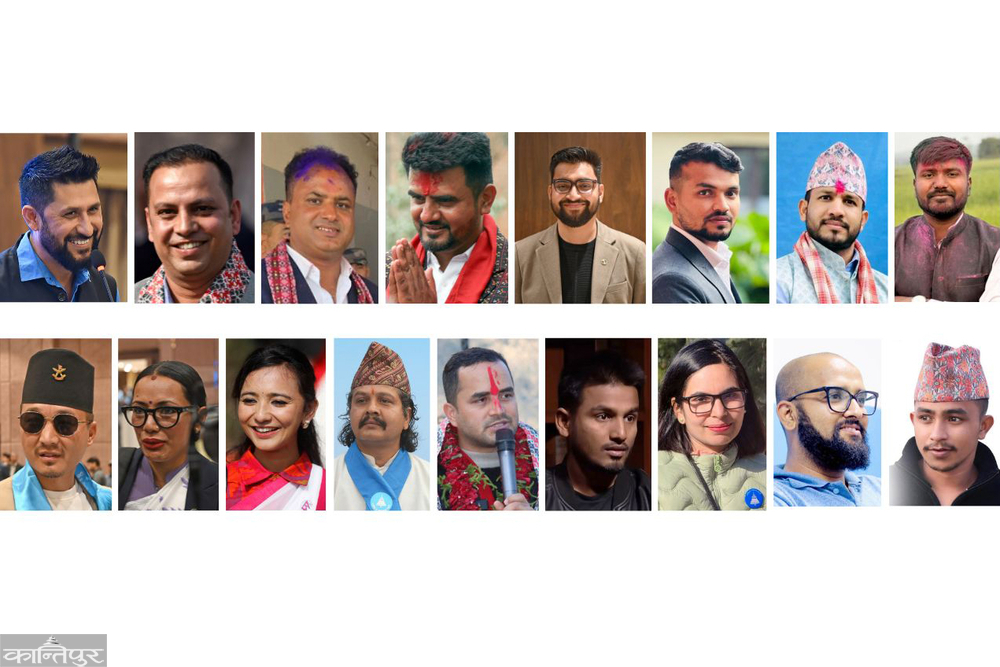
RSP MPs have responded that it is not right to recommend them for investigation because they participated in the Gen-G movement and participated in the treatment and rescue of the injured. सांसद तोसिमा कार्कीले २३ भदौमा प्रहरीको गोली लागेर घाइते भएकाहरूलाई उपचार गर्न आफू सिभिल अस्पताल गएको बताइन् । आयोगले अनुसन्धानका लागि सिफारिस गर्दैमा आफू नआत्तिने उनको भनाइ छ । ‘जेन–जी आन्दोलनमा प्रदर्शनकारीलाई गोली लाग्न थालेपछि आफू चिकित्सक भएकाले उपचार गर्न सिभिल अस्पतालमा उपचार गर्न गएकी थिएँ । सामाजिक सञ्जालमा उपचार गर्न जान्छु भन्ने लेखेर गएकी हुँ,’ उनले भनिन्, ‘सरकार नै हत्यामा संलग्न भएपछि यसको कठपुतली बनेको
संसद्को सदस्य बन्न सकिँदैन भनेर सांसद पदबाट राजीनामा पनि दिएकी थिएँ । मानवअधिकार आयोगले मानवलाई बचाउन गएको व्यक्तिलाई अनुसन्धानको दायरामा ल्याउनु नपर्ने हो ।’
बागलुङ–२ बाट निर्वाचित रास्वपा सांसद सोम शर्माले आयोगको सिफारिसप्रति आपत्ति जनाएका छन् । आन्दोलनमा घाइते भएका व्यक्तिलाई नै अनुसन्धानका लागि सिफारिस गर्नु सही नभएको उनको भनाइ छ । ‘आयोगको सिफारिसमा मेरो गम्भीर आपत्ति छ । आन्दोलनमा आफैं घाइते भएको मान्छे हुँ म । घाइतेलाई नै दोषी बनाएर कारबाही सिफारिस गरिन्छ भने प्रतिवेदनमाथि नै शंका उब्जिन्छ,’ उनले भने, ‘पर्याप्त अनुसन्धान नगरी प्रतिवेदन ल्याएको हो कि भन्ने लाग्यो ।’ अनुसन्धानमा बोलाएको ठाउँमा जाने पनि उनले बताए
सुरक्षा निकायको समन्वयमा कमजोरी
राष्ट्रिय अनुसन्धान विभाग, सशस्त्र प्रहरी बल र नेपाल प्रहरीबीच समन्वय र सूचना आदानप्रदानमा कमीकमजोरी देखिएको निष्कर्ष निकाल्दै आयोगले सो पक्ष सुदृढ गर्न सिफारिस गरेको छ । दंगा नियन्त्रणका उपाय राजनीतिक र प्रशासनिक पदबाट अलग राख्ने वा नराख्ने भन्ने विषयमा सरोकारवालासँग व्यापक सरसल्लाह गरी स्थानीय प्रशासन ऐन, २०२८ लाई आवश्यक पुनरावलोकन गर्न आयोगले सिफारिस गरेको छ ।
राष्ट्रिय अनुसन्धान विभागको कामकारबाही प्रभावकारी नभएको देखिएको उल्लेख गर्दै आयोगले विभागलाई सुदृढ बनाउने आवश्यक प्रक्रिया अवलम्बन गर्न र नेपाल प्रहरीभित्र भीड नियन्त्रण गर्ने टोलीलाई साधन स्रोतसहित सबल र सुदृढ बनाई मानवअधिकारमैत्री भीड व्यवस्थापनको तालिम प्रदान गर्न सिफारिस गरेको छ ।
अबको प्रक्रिया के हुन्छ ?
मानवअधिकार आयोगको प्रतिवेदन राष्ट्रिय मात्र नभई अन्तर्राष्ट्रिय रूपमा पनि महत्त्वपूर्ण हुन्छ । विश्व मानवअधिकार आवधिक समीक्षादेखि संयुक्त राष्ट्रसंघका मञ्चहरूमा आयोगको प्रतिवेदन कार्यान्वयनको प्रश्न उठ्न सक्छ । यी मञ्चहरूमा प्रश्न उठे नेपाल सरकारले जवाफ दिनुपर्नेछ । आयोग आफैंले पनि ‘नकारात्मक सूची’ राख्ने लगायतका कारबाही अघि बढाउन सक्छ । आयोग ऐनको दफा १७ को सिफारिसअनुसार आयोगको सिफारिस कार्यान्वयनका लागि तीन महिना समय उपलब्ध हुन्छ ।
सरकारले सिफारिस कार्यान्वयनका लागि महान्यायाधिवक्ता कार्यालय पठाउनेछ । महान्यायाधिवक्ताले अनुसन्धान अधिकृत तोकेर सरकारी वकिल कार्यालयमार्फत अनुसन्धान अघि बढाउन सक्नेछन् । सिफारिस अनुसार अलग्गै ऐन निर्माण र त्यसकै आधारमा विशेष अदालत गठन गरेर सरकारले मुद्दा चलाउन सक्छ । सरकारले प्रतिवेदनका आधारमा विद्यमान कानुनअनुसार पनि अनुसन्धान अघि बढाउन सक्ने वरिष्ठ अधिवक्ता राजु चापागाईंले बताए ।
राष्ट्रिय मानवअधिकार आयोगका सदस्य मिहिर ठाकुरले आयोगको इतिहासमा पहिलो पटक मानवअधिकार उल्लंघनमा मुद्दा चलाउन सिफारिस गरिएको बताए । उनले आयोगको सिफारिसमा ऐनदेखि अदालतसम्मका विषय परेको उल्लेख गर्दै यसलाई सरकारले कार्यान्वयनमा लैजाने विश्वास व्यक्त गरे ।
‘हामीले मंगलबारको निर्णयअनुसार प्रधानमन्त्री तथा मन्त्रिपरिषद्को कार्यालयमा बुधबार प्रतिवेदनसहित सिफारिस पठाएका छौं,’ उनले भने, ‘हामीले प्रस्ट देखेका कुरा भनेका छौं । अब आयोग ऐन, २०६८ को दफा १७ अनुसार तीन महिनासम्म पर्खन्छौं, कार्यान्वयन नभए संविधान र कानुनबमोजिम अघि बढ्छौं । तर सिफारिस कार्यान्वयन हुन्छ भन्नेमा ढुक्क छौं ।’ मानवअधिकार आयोग ऐनको दफा १७ (२) मा ‘आयोगबाट सिफारिस, निर्णय वा आदेश कार्यान्वयनका लागि लेखी आए सम्बन्धित पदाधिकारी, व्यक्ति वा निकायले सामान्यतया तीन महिनाभित्र त्यसलाई कार्यान्वयन गरी आयोगलाई जानकारी गराउनुपर्ने’ व्यवस्था छ ।
आयोग सदस्य ठाकुरले विगतमा मानवअधिकार उल्लंघनकर्तालाई कारबाही गर्न नसकेका कारण दण्डहीनता कायम रहेकाले यस पटक कानुन र विशेष अदालत नै बनाउन सिफारिस गरिएको उनले बताए । ‘सरकारी सेवामा बस्नेहरूलाई विभागीय कारबाही मात्र गरेर उन्मुक्ति दिने चलन छ । तर अवकाश भएका र अन्यलाई केही कारबाही नहुने गरेकाले कानुन बनाएर कारबाही गर्न भनेका छौं,’ उनले भने, ‘कति सजाय हुने र कस्तो अदालत बनाउने भन्ने पनि सिफारिसमा भनेका छौं ।’
एम्नेस्टी इन्टरनेसनल नेपाल च्याप्टरका पूर्वअध्यक्ष एवं मानवअधिकारकर्मी चरण प्रसाईंले आयोगको प्रतिवेदन सार्वजनिक हुनु नै आफैंमा राम्रो भएको बताए । ‘तर जति प्रभावकारी ढंगले आयोगको रिपोर्ट आउनुपर्ने हो, त्यसमा अझै कमीकमजोरी देखिएको छ,’ उनले भने, ‘जिम्मेवारीबाट पन्छिएका कतिपयलाई कारबाहीको दायरामा ल्याएको पाइँदैन ।’ अन्तर्राष्ट्रिय जगत्ले पनि आयोगको रिपोर्टलाई ‘नोटिस’ मा राख्ने भएकाले आयोगको सिफारिस महत्त्वपूर्ण हुने प्रसाईंले बताए । ‘उनीहरूले यसलाई दस्तावेजीकरण गर्न सक्छन् । यसलाई रिफरेन्स बनाउँछन्,’ उनले भने, ‘आयोगको सिफारिस कार्यान्वयन गर्नु सरकारको जिम्मेवारी र दायित्व हो । सर्वोच्च अदालतको फैसलाले पनि इफ, बट नभनीकन आयोगको सिफारिस कार्यान्वयन गर्न आदेश दिएको छ ।’ सिफारिस कार्यान्वयन नगर्नेलाई आयोगले नकारात्मक सूचीमा राख्न सक्ने भएकाले आयोग आफैंले पनि आफ्ना सिफारिस कार्यान्वयन गराउन प्रभावकारी भूमिका खेल्न सक्ने उनी बताउँछन् ।
मानवअधिकारकर्मी एवं वरिष्ठ अधिवक्ता चापागाईं पनि मानवअधिकार उल्लंघनका घटनामा आयोगको सिफारिसको महत्त्व हुने बताउँछन् । ‘मानवअधिकार उल्लंघनका घटनाको अनुगमन गर्ने, अनुसन्धान गर्ने, कारबाही सिफारिस गर्ने संवैधानिक दायित्व, कर्तव्य र अधिकार भएको निकाय हो आयोग,’ उनले भने, ‘उसले गरेको सिफारिसलाई सरकारले चित्तबुझ्दो ढंगमा तार्किक निष्कर्षमा पुर्याउनुपर्छ । यसलाई यत्तिकै फ्याँक्न मिल्दैन ।’
अन्तर्राष्ट्रिय रूपमा पनि आयोगको आबद्धता रहेकाले सिफारिस महत्त्व रहेको चापागाईंले बताए । सरकारले गौरीबहादुर कार्कीको नेतृत्वमा गठन गरेको जाँचबुझ आयोगले भन्दा मानवअधिकार आयोगले दिएको प्रतिवेदनको गुरुत्व तथा मान्यता बढी हुने उनले बताए । आयोगले कारबाहीका लागि वा अनुसन्धान गर्न गरेको सिफारिसका सन्दर्भमा सरकारले फौजदारी अनुसन्धान प्रक्रियाबाट अगाडि बढाउन सक्ने पनि उनले बताए ।
अधिवक्ता अपूर्व खतिवडा आम रूपमा धेरै मानिसलाई कारबाहीको सिफारिस गरिनु, अनुसन्धानको दायरामा ल्याइनुले रिपोर्टको गम्भीरतामाथि प्रश्न उठेको बताउँछन् । ‘सबै जनालाई दोषी भनेर त भएन, स्पेसेफिक चर्चा हुनुपर्थ्यो,’ उनी भन्छन्, ‘धेरैतिर देखायो भने कोही पनि दोषी नभएको जस्तो हुन पुग्छ । आमरूपको सिफारिस वा आमरूपको निष्कर्षले परिणाम दिँदैन ।’
आयोगको प्रतिवेदनको सैद्धान्तिक महत्त्व भए पनि कसैमाथि विभागीय वा प्रशासनिक कारबाही गर्न वस्तुगत प्रमाण चाहिने खतिवडाको भनाइ छ । ‘प्रमाणसहित सिफारिस गरिएको भए त ठीकै होला तर सतही ढंगले आमरूपमा आएको हो भने खासै अर्थ हुन्न,’ उनले भने, ‘आयोगले मानवअधिकार उल्लंघनमा दोषी ठहर गर्नु गम्भीर विषय नै हुन्छ । तर, आयोग आफैंले मुद्दा अभियोजन गर्ने होइन । त्यसलाई सरकारले कार्यान्वयनमा ल्याउनुपर्छ ।’
मानवअधिकार आयोगका पूर्वसदस्य सुदीप पाठकले आयोगको गहिरो अनुसन्धान नपुगेको टिप्पणी गरे । उनले विश्लेषण खण्ड व्यापक रहेको तर कारबाहीको सिफारिस खण्डमा त्यो नदेखिएको बताए । कानुनी र संवैधानिक हिसाबले देशभित्र वा बाहिर आयोगको प्रतिवेदनको अर्थ हुने उनले उल्लेख गरे । उनका अनुसार संयुक्त राष्ट्रसंघको मानवअधिकार उच्च आयुक्त कार्यालयले पनि यसलाई मान्यता दिन्छ । ‘गम्भीर मानवअधिकार उल्लंघनका घटनाका सन्दर्भमा आयोगले अनुसन्धान गरेर रिपोर्ट तयार गरेको छ । यसलाई त्यत्तिकै छोड्न मिल्दैन,’ पाठकले भने, ‘सरकारले यसलाई डस्टबिनमा राख्यो भने सरकारमाथि प्रश्न उठ्छ । मानवअधिकारका सन्दर्भमा सरकारको राष्ट्रिय तथा अन्तर्राष्ट्रिय जगत्मा छवि बिग्रिन्छ ।’
अधिवक्ता सुवास आचार्य आयोगको रिपोर्टमा तत्कालीन प्रधानमन्त्री केपी शर्मा ओली र गृहमन्त्री रमेश लेखकका साथै सुरक्षा निकायका प्रमुखलाई अपराधतर्फको अनुसन्धानमा नतान्नुलाई त्रुटिपूर्ण भन्छन् । ‘फिल्ड कमान्ड गर्नेलाई अपराध अनुसन्धानको दायरामा ल्याइएको छ । तर चेन अफ कमान्डमा चल्ने त्यही निकायका प्रमुखलाई मानवअधिकार उल्लंघनकर्ताको कसुरमा सिफारिस गरिएको छ । त्यस्तो कारबाहीका लागि कानुन छैन पनि भनिएको छ,’ उनले भने, ‘पश्चात्दर्शी कानुन बनाएर कारबाही गर्ने विषय संविधानसँग मेल खाँदैन । कानुनै छैन भन्ने देखाएर उन्मुक्तिको बाटो दिन खोजेको देखिन्छ । त्यो भाष्य त्रुटिपूर्ण छ ।’ नागरिकको मानवअधिकार संरक्षण गर्ने निकायका रूपमा रहेको आयोगले गरेको सिफारिसलाई सरकारले गम्भीरतापूर्वक लिनुपर्ने उनले बताए ।
थप अनुसन्धानका लागि सिफारिस भएकी जेन–जी अभियन्ता रक्षा बमले आफूलाई बयानका लागि समेत नबोलाई स्पष्टीकरण दिने मौका नदिएर अनुसन्धानका लागि सिफारिस गरिएको भन्दै आपत्ति जनाइन् । ‘नियत न्याय र अन्याय छुट्याउने हो भने अनुसन्धान प्रारम्भ हुनुपर्छ, होइन भने बयान र प्रारम्भिक सोधखोजबिनै नाम राखेर आन्दोलनलाई अपराधीकरण गर्ने काम हुनुहुँदैन,’ उनले कान्तिपुरसँग भनिन् ।

