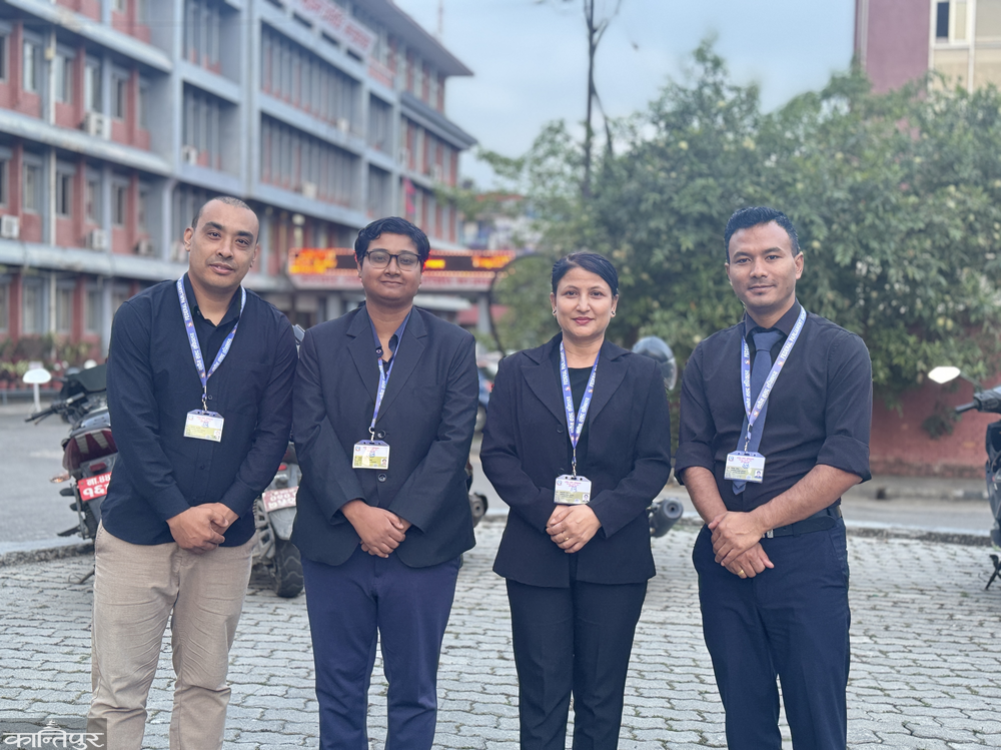
There are no signs to explain regulations, criminal offenses, ordinances, etc., the signs for some words are long, making it difficult to explain in a short time, and during protests and sloganeering, there is confusion about who is explaining/signifying what is being said.
We use Google Cloud Translation Services. Google requires we provide the following disclaimer relating to use of this service:
This service may contain translations powered by Google. Google disclaims all warranties related to the translations, expressed or implied, including any warranties of accuracy, reliability, and any implied warranties of merchantability, fitness for a particular purpose, and noninfringement.
Ghana Bahadur Thapa of Sindhuli is a teacher at Navjyoti Bahira Secondary School. He is deaf, but he can watch mobile and television like others. He can read newspapers and magazines, and he keeps updated on current affairs. Interested in everything from politics to policy-making, he is always interested in what the people he voted for in the elections say and do.
With the start of live broadcasting of the House of Representatives and National Assembly meetings in sign language, his thirst for political interest has begun to be quenched. 'Even those who cannot hear like us have got the opportunity to understand what is happening in the parliamentary meetings that make the country's policy,' he said.
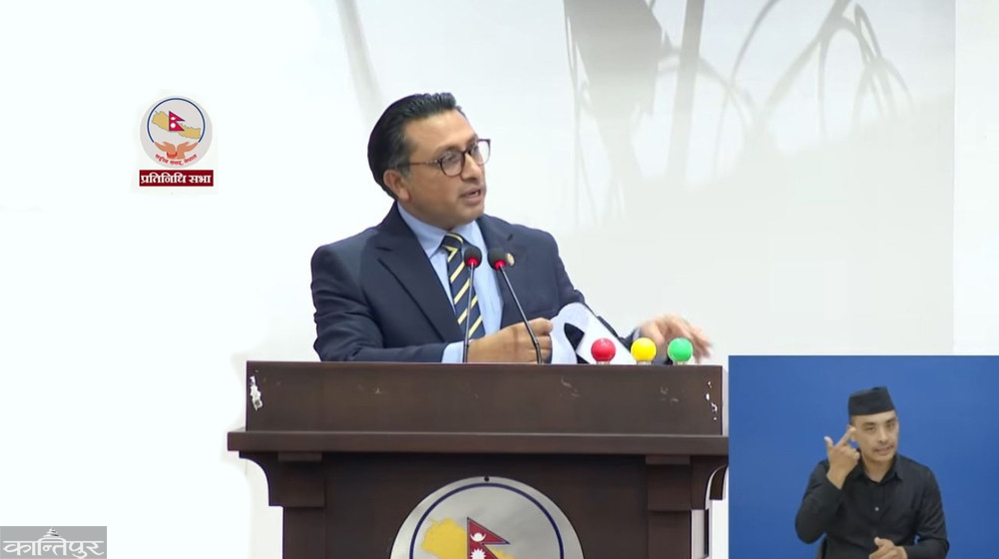
An interpreter was arranged in parliament for Raghav Bir Joshi, who represented the country in the Constituent Assembly elections in 2064 BS. Live broadcasting of the parliamentary meetings in sign language began on 28 Baisakh. Explaining the meeting in sign language is challenging for the interpreter. The parliamentary meetings do not progress evenly. Sometimes there is sloganeering, sometimes there is commotion and the meeting is adjourned.
A similar scene was seen in the House of Representatives meeting last Wednesday. Opposition parties continued to protest, saying that the Prime Minister was not present for the government's policies and programs. Some MPs came out of the parliament in search of the Prime Minister, while others protested. That time was not normal for Dinesh Shrestha, who was working as a sign language interpreter in live broadcasts. He was confused about who to point to and how to do it.
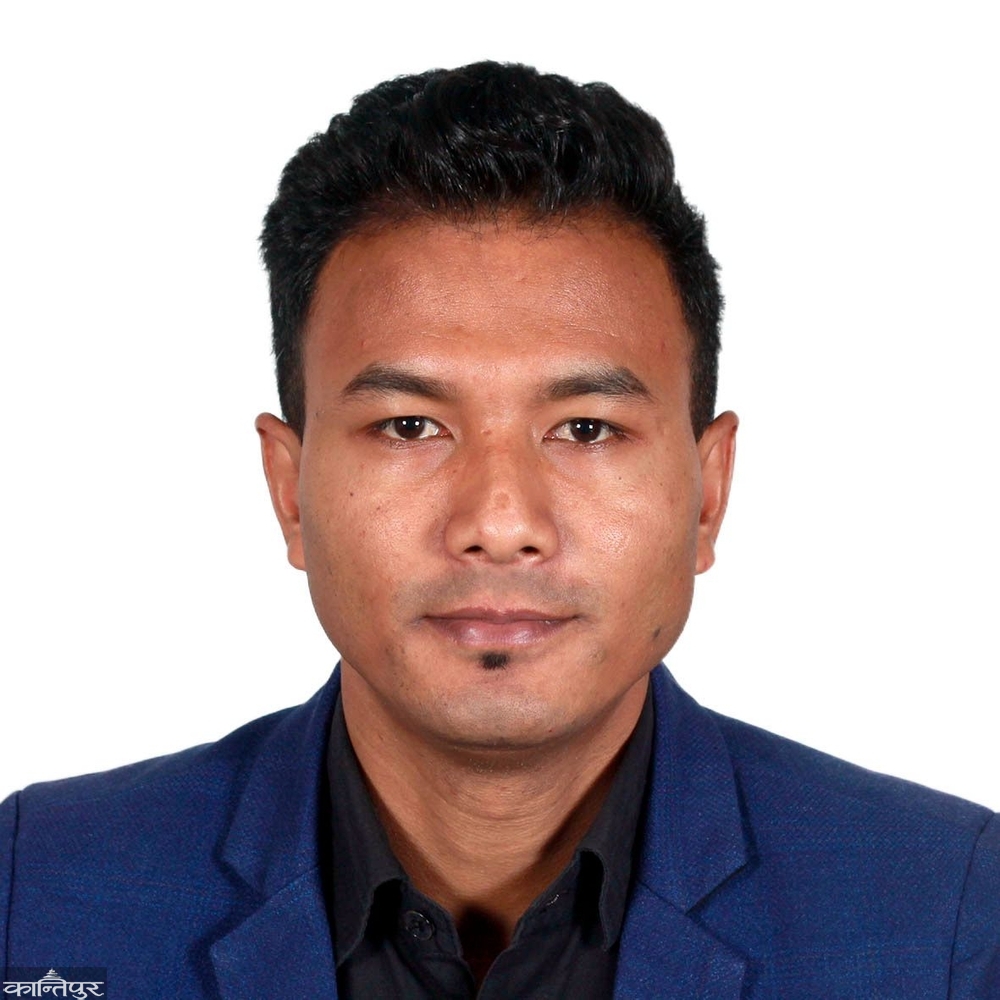
'Many voices are heard at once, and when protesting, it is confusing who to point to and what to do. Some words do not have signs at all.' He said that there are no signs to explain words like rules, criminal law, and ordinances spoken in parliament.'
Shrestha, who has been working as an interpreter for the past 15 years, has had a different experience in parliament meetings. The time an MP has to speak in parliament is limited, and it is a challenge for him to show the words spoken in sign language in that limited time. ‘With challenges, there is also an opportunity to learn,’ he said, ‘you get to understand the debates in parliament, law-making and national issues up close.’
Santoshi Ghimire is also working as an interpreter in the House of Representatives. She has now reached the parliament by taking on the responsibility of an interpreter at the Koshi Deaf Association, the National Deaf Federation and Nepal Television.
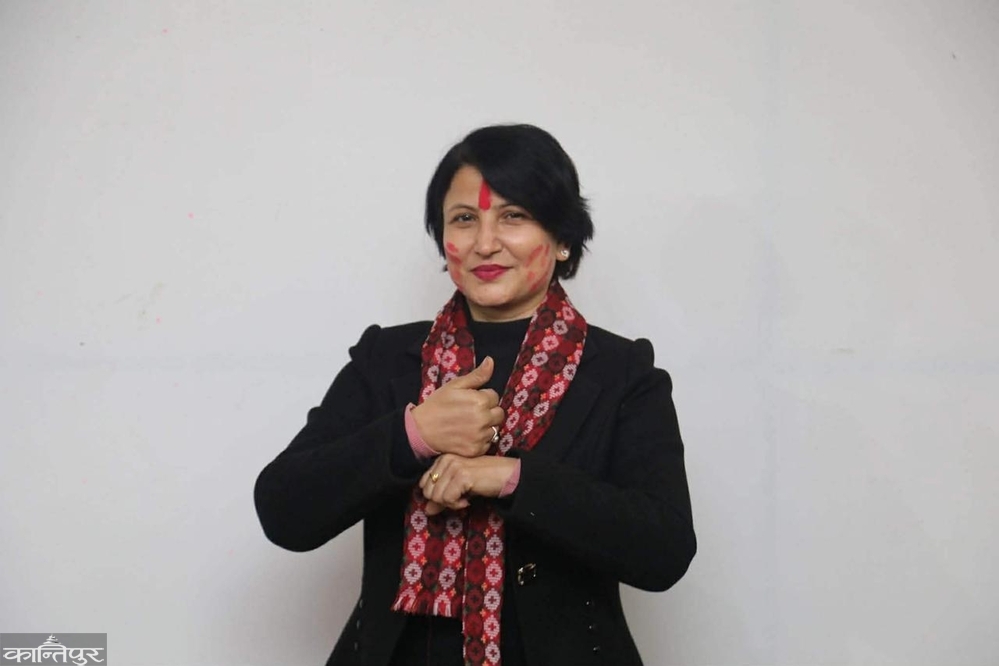
‘Not only the sound, but also the scenes in the meeting have to be explained, scenes of noise and protest have to be explained in sign language,’ she said.
Prakash Maharjan is explaining the National Assembly meeting in sign language on a live broadcast. He has been working in sign language for 17 years. Having worked for the National Deaf Association, various televisions and organizations, this is his first experience of working on a live parliament meeting. Both his mind and hands are active in a parliament meeting.
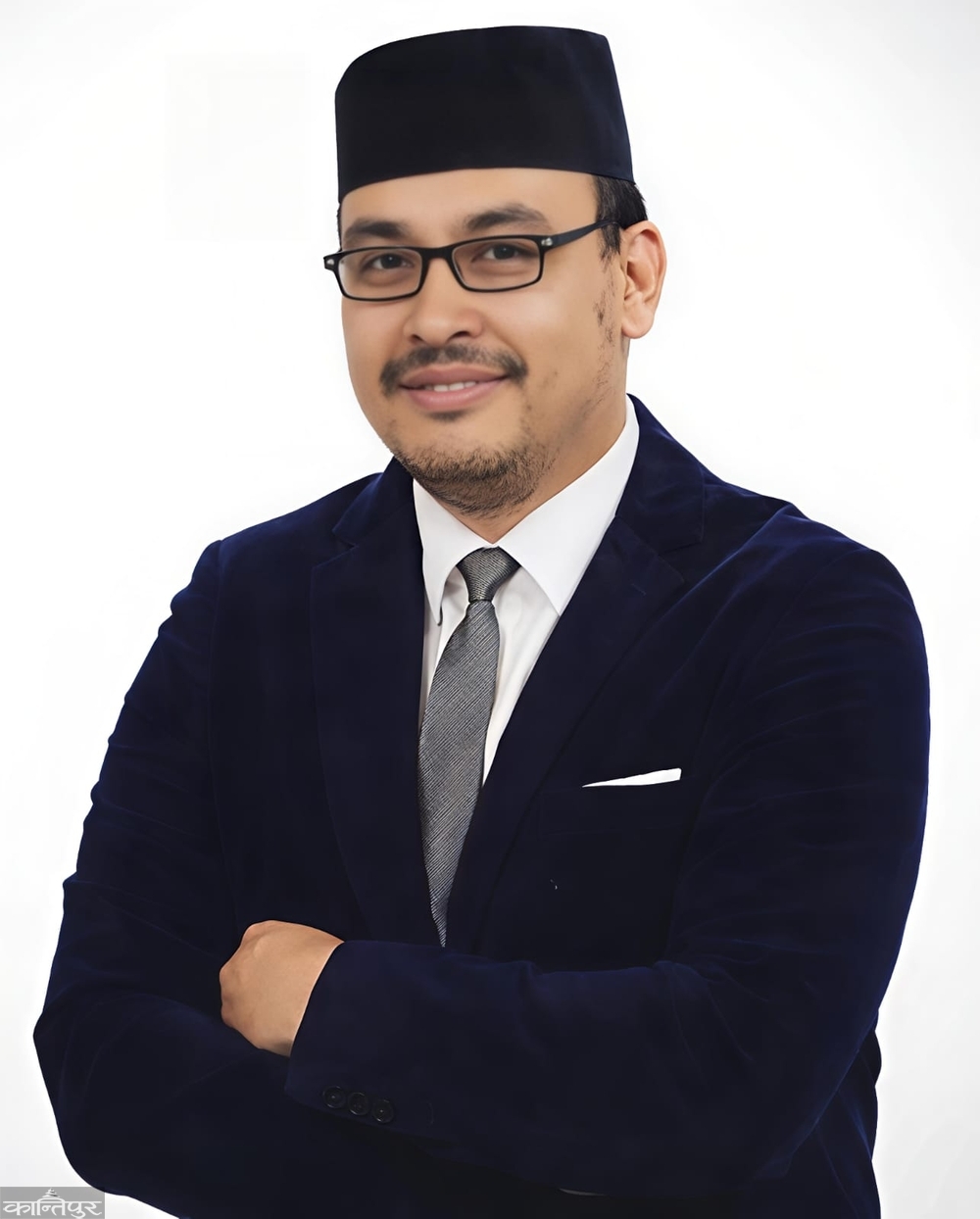
He is also facing technical problems while listening to the live and explaining in sign language. Sometimes the sound is not heard and sometimes the camera moves elsewhere. He says that this makes it difficult to accurately interpret what the lawmakers say.
Samriddhi Shrestha, who is using sign language in the National Assembly, also has a similar experience. She also said that she is having difficulty in signing words. She has experienced some technical difficulties along with words.
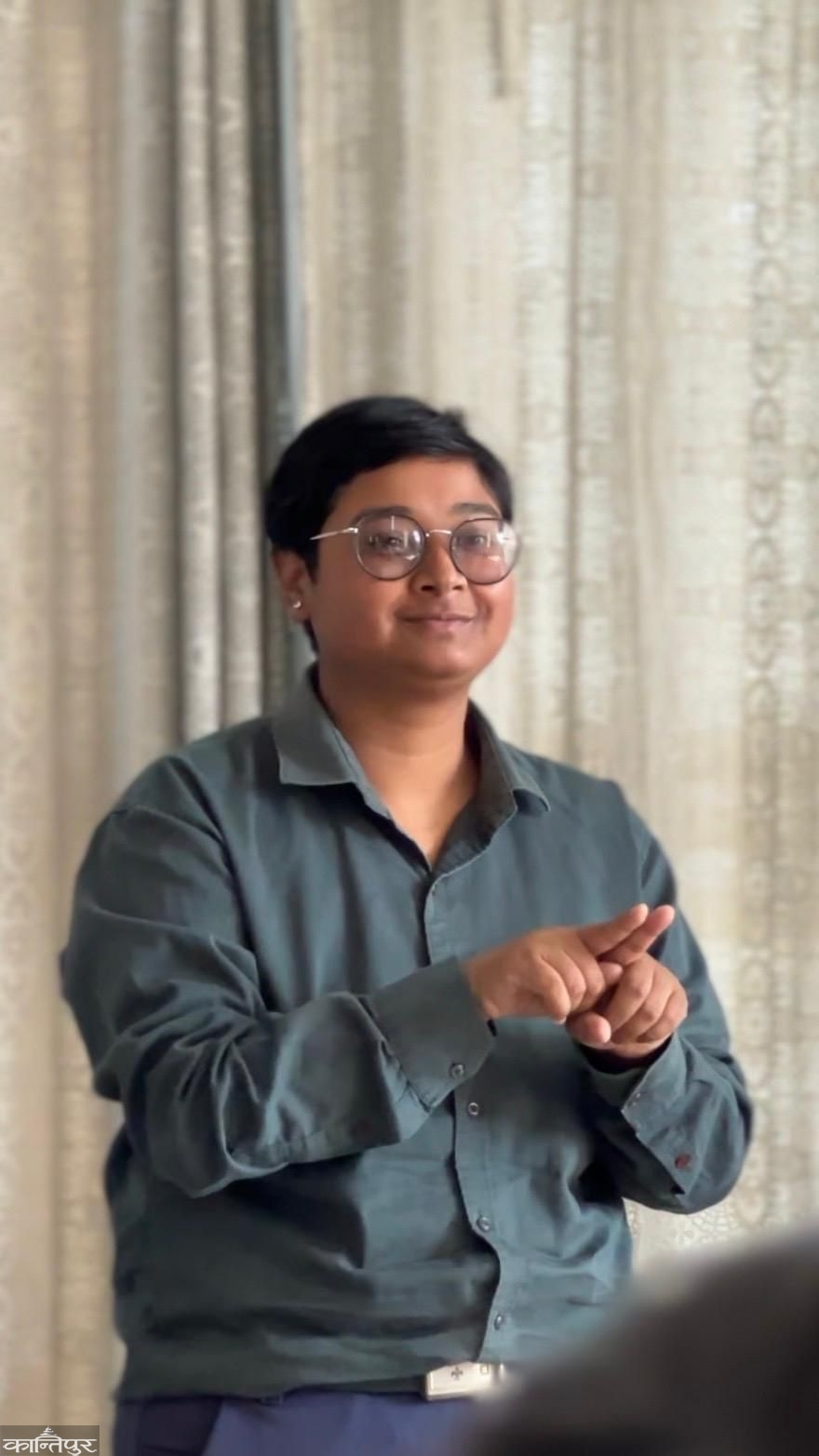
Sitaram Ojha, General Secretary of the National Federation of the Deaf, says that the provision of interpreters in the Parliament is a historic achievement and an important step towards inclusive democracy.
Ekram Giri, Spokesperson of the Federal Parliament Secretariat, said that the initiative was taken to make it relevant to the times after the concerned bodies demanded that people should be able to hear in sign language. Sunita Thapa, a member of the Gandaki Provincial Assembly who has a hearing disability, says that the use of sign language in the direct meetings of the House of Representatives and the National Assembly of the Federal Parliament is a very welcome and historic step.
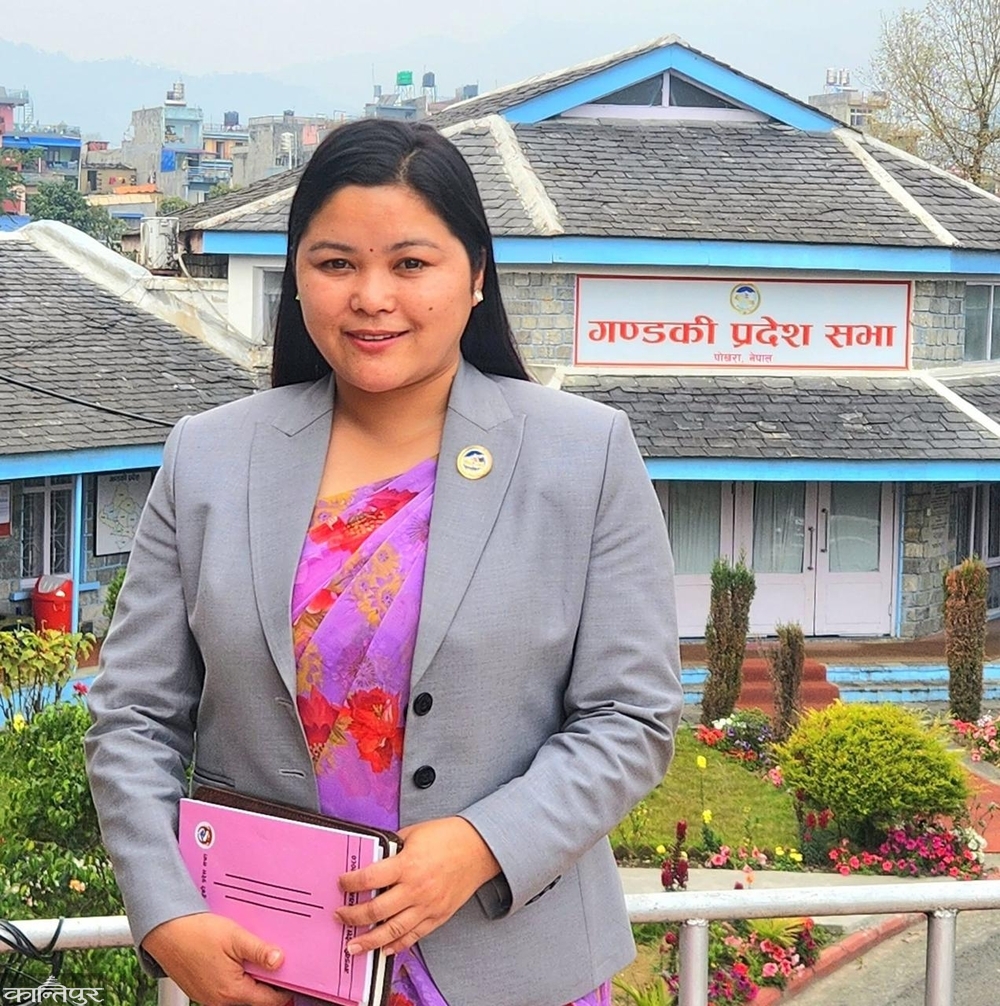
‘As a person with a deaf disability and a member of the Provincial Assembly, I take this very positively,’ she said, ‘It is the basis of democracy that all citizens can understand the debates, policies and decisions in parliament equally.’
The Constitution of Nepal 2072 BS has made provisions to ensure access to information and communication for the deaf community. The Rights of Persons with Disabilities Act 2074 BS has made provisions to ensure access to information and communication for the deaf community. According to the 2078 BS census, the population of people with hearing disabilities is 102,893.