A writ petition filed by senior advocate Bishnu Prasad Timalsina on behalf of the Consumer Interest Protection Forum is set to be registered.
We use Google Cloud Translation Services. Google requires we provide the following disclaimer relating to use of this service:
This service may contain translations powered by Google. Google disclaims all warranties related to the translations, expressed or implied, including any warranties of accuracy, reliability, and any implied warranties of merchantability, fitness for a particular purpose, and noninfringement.
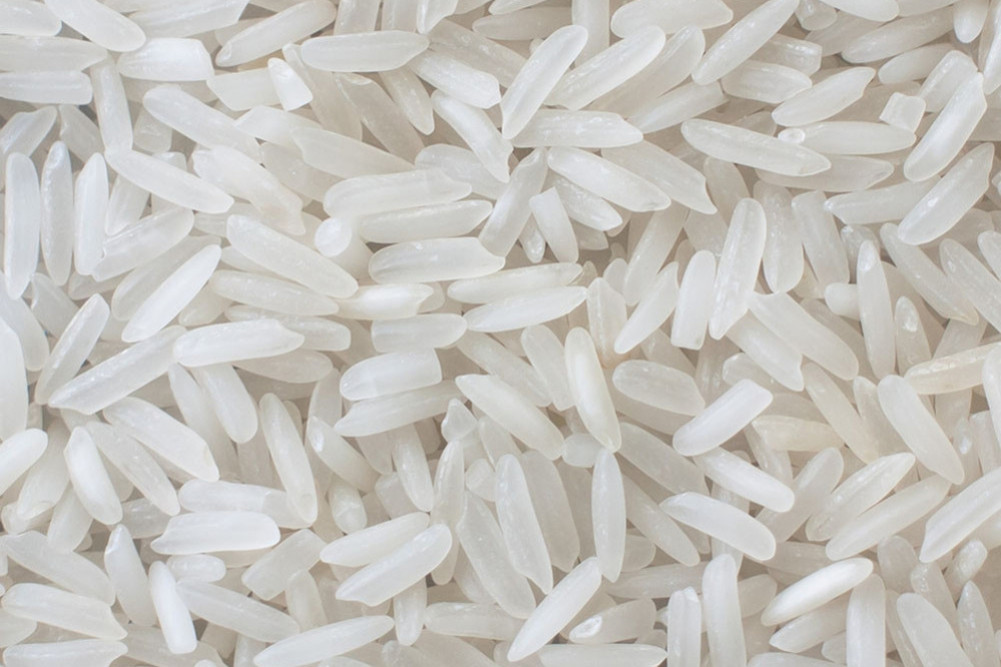
The Consumer Court is now going to hear the matter after it was found that rice consumed in the Kathmandu Valley contained 11 different types of pesticides. The writ filed by senior advocate Bishnu Prasad Timalsina on behalf of the Consumer Interest Protection Forum is going to be registered. The bench ordered the registration of the petition filed earlier on Thursday, and now the matter of consumer interest will be heard.
In the year since the Consumer Court was formed, consumers had filed individual cases alleging harm to themselves. But this will be the first case in which a case has been filed in the Consumer Court claiming collective harm to consumers.
The petition has demanded action under the principle of mass tort, saying that the fault of the service provider and the weak regulation of the regulatory body have affected the health of all consumers who consume rice.
In the case, an order has been sought to compel the submission of documents if pesticide testing was conducted while importing rice into Nepal. The local levels have been ordered to collect and examine samples of pesticide use in rice and submit an inspection report, saying that they have not done so despite the local levels being required to arrange food inspection officers.
During the investigation, the samples tested contained residues of fungicides, insecticides, rodenticides and other banned pesticides.
More pesticides have been found in rice sold in Kathmandu than in rice sold in Bhaktapur and Lalitpur. Basmati rice had double the amount of pesticides compared to non-basmati rice.
Kathmandu-based ‘Progressive Sustainable Developers Nepal’ and India’s ‘Council of Scientific and Industrial Research-Indian Institute of Toxicology Research’ recently released a report titled ‘Pesticide Use in Rice in Nepal and Farmers’ Safety Behaviour: Principles of Planned Behaviour and Potential Health Risks’.
The report pointed out that the pesticide concentration in rice consumed in three districts of Kathmandu ranged from 5.09 micrograms to 312.54 micrograms per kg. The report has been published in ‘Springer Nature’, a prestigious international academic journal ‘Environment, Development and Sustainability’.
The report states that 83 percent of the rice samples collected for the study were contaminated with pesticides. It is mentioned that residues of two or more types of pesticides were found in 80 percent of the samples. Of the 11 types of pesticides found in rice, the levels of tricyclazole, thiamethoxam and tebuconazole were found to be significantly higher than the maximum residue limits set by the European Union. The study showed that Basmati rice contained twice as many pesticides as non-Basmati rice. Basmati rice is sold at a higher price and has less resistance to pests, so farmers were found to be using more pesticides.
11 types of pesticides in Kathmandu rice, twice as many in Basmati