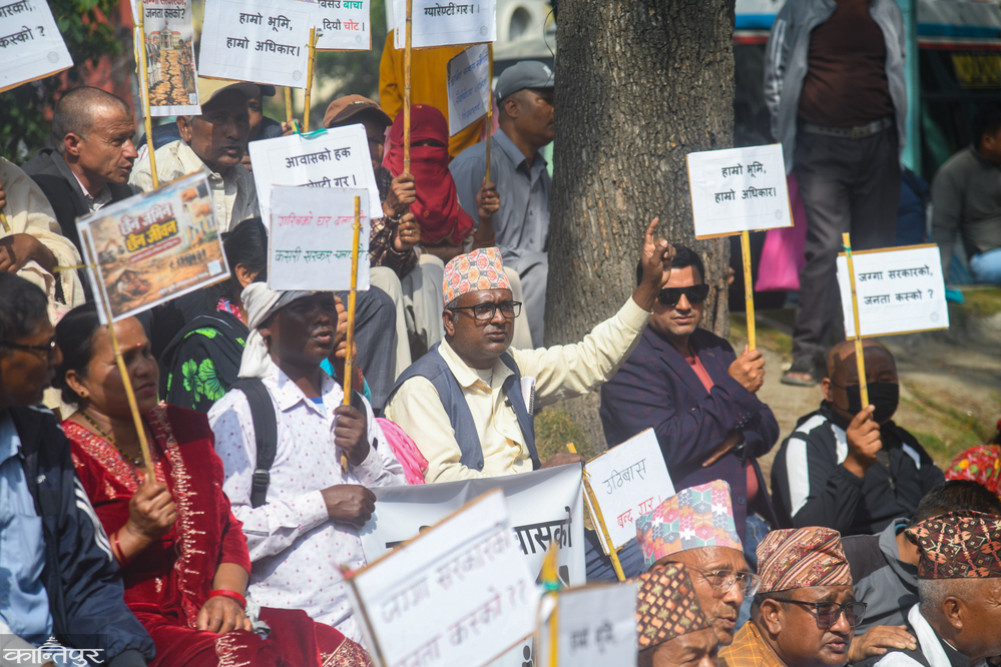
With yesterday's assurances crushed under the bulldozer today, the Maitighar mandala has become a common place of questions and pain. The landless want to convey their collective declaration of frustration to the government.
We use Google Cloud Translation Services. Google requires we provide the following disclaimer relating to use of this service:
This service may contain translations powered by Google. Google disclaims all warranties related to the translations, expressed or implied, including any warranties of accuracy, reliability, and any implied warranties of merchantability, fitness for a particular purpose, and noninfringement.
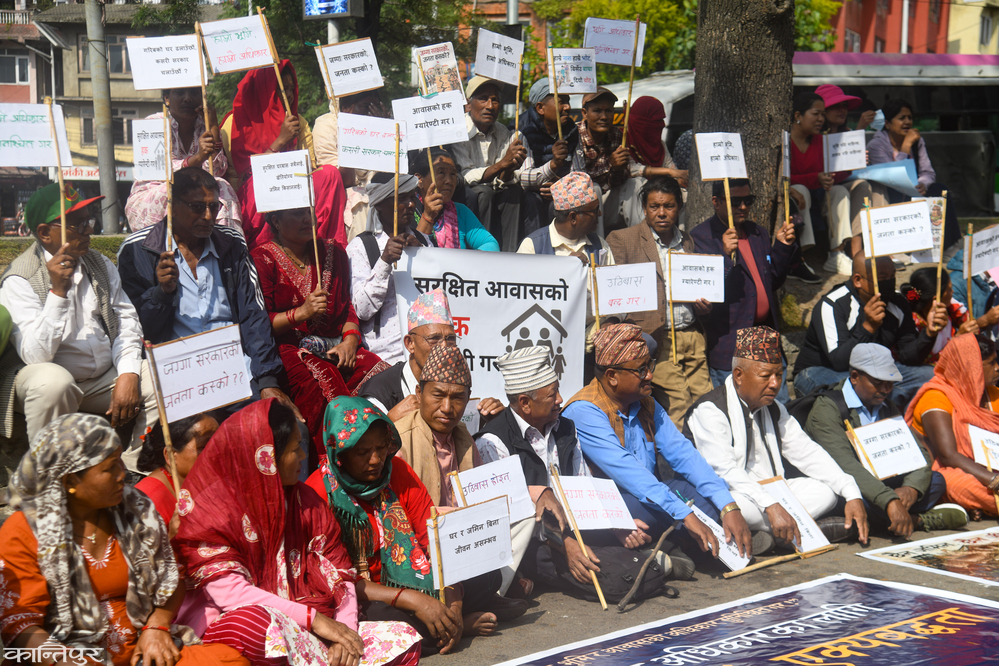
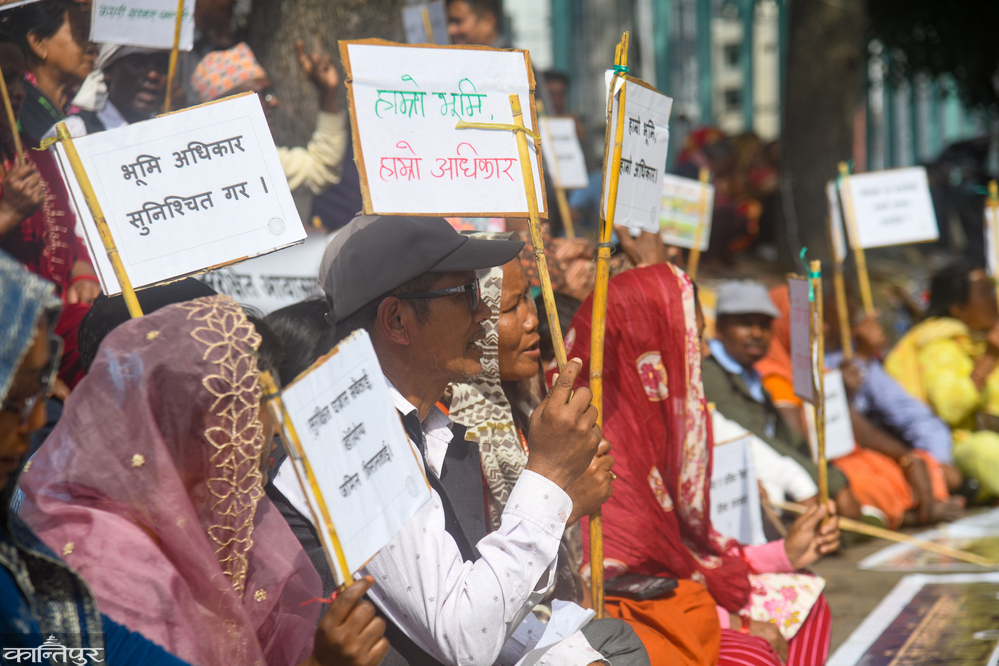
Landless, squatters and unorganized settlers from various districts of the country have descended on the capital Kathmandu to tell their stories and pains. They have gathered at Maitighar Mandala carrying the terrifying psychological fear that the state's 'dozer' could run over the land they depend on at any time.
After being evicted from the land they dream of without any proper management, the squatters and landless are asking the state a powerful question – ‘What is our alternative? Why is the land we live on being taken away without proper management and basic human justice?’
They have come to remind the government – A state without citizens and development without justice have no meaning.
Landless people across the country are currently protesting against the government's style of forcibly evicting them without any solid basis and alternative management. The collective complaint of these citizens, who have been engaged in a quick struggle on the streets and have been defeated, is – ‘We have been betrayed.’ The promises made on the eve of the elections have changed less than a month after assuming power.'
Yesterday's assurances have been crushed under the dozer today, and the Maitighar mandala has become a common place of questions and pain. The landless want to convey their collective declaration of disappointment to the government.
After the government led by Prime Minister Balendra Shah started using dozers to forcibly evict landless squatters and unorganized settlers living in the Kathmandu Valley, the landless squatters have become homeless. They are saying - the modern incarnation of the dozer that tramples and oppresses and the government seems the same to us.
Under the leadership of the National Land Rights Forum Nepal, 100 representatives of the landless from 20 districts of 7 provinces gathered at Maitighar on Monday to express their solidarity with the state and the movement of landless squatters and unorganized settlers across the country.
The slogan of the landless in Maitighar is – Don’t displace the landless, manage them! Not the homes of the poor, demolish injustice! Stop the forced squatting, stop the dozer terror! Land belongs to the government and to whom does the people belong? Our land is our right, the basis of life and livelihood!
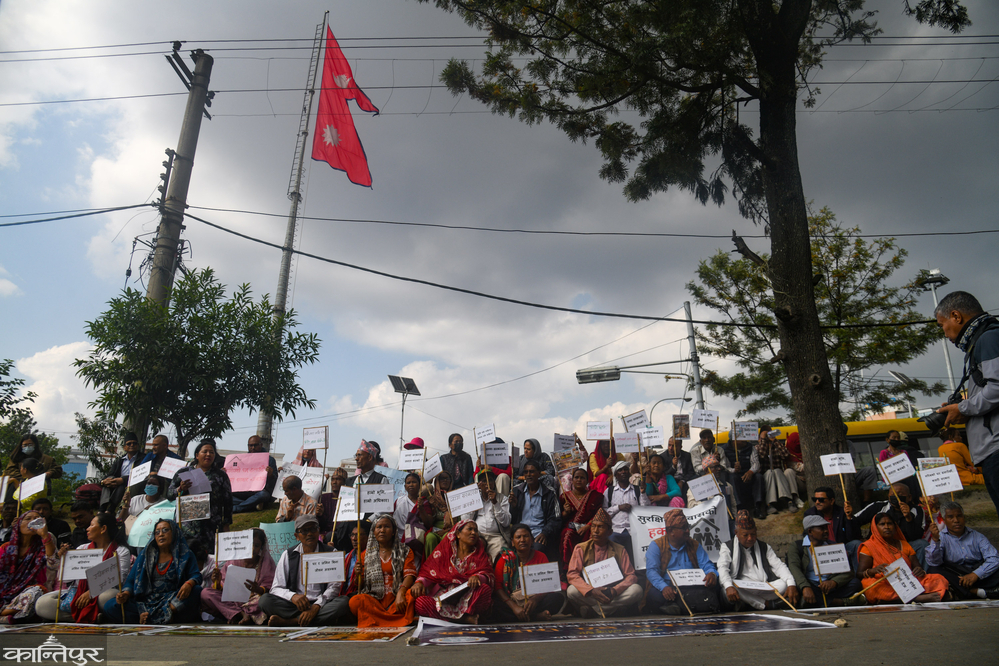
The National Land Rights Forum Nepal has reached the current government leadership, the National Independent Party (NISP) office in Balaju and submitted a request letter through party leader and parliamentary party deputy leader Honorable Ganesh Parajuli on Tuesday to ensure land and housing rights. The forum’s chairman, Lyam Bahadur Darji, read out the 12-point demand. Representatives of landless Dalits, landless squatters and unorganized settlers who participated in a representative manner from 20 districts have also held a dialogue with Parajuli to facilitate and manage the landless, squatters and unorganized settlements without displacing them.

000
Landless people who have arrived in Kathmandu from 20 districts of 7 provinces are gathering at Maitighar and are warning the state. Landless squatters have become agitated, saying that the government's policy is one thing, its behavior is another. Point 91 of the government's 100 agenda, issued on Chaitra 13, 2082, the day after the government was formed, states, 'Complete the collection and verification of integrated digital data of landless squatters and unorganized settlers across the country within 60 days and conduct a household survey in coordination with the local level to resolve the problem of landless squatters and unorganized settlers within 1,000 days, implement clear criteria for identifying real beneficiaries, update, map and prepare a digital database based on public, public and Guthi land records, provide land to identified real squatters in phases or alternatively arrange for rehabilitation through integrated housing in dense urban areas, operate a public dashboard to make the land distribution and rehabilitation process completely transparent, and coordinate, monitor and implement the entire program under the direct supervision of the concerned ministry.'
However, just a month after the government made its 100 priority agenda public, i.e. from April 12, thousands of security personnel were deployed in the squatter settlements of the Kathmandu Valley and bulldozers were used to forcibly demolish the houses and huts of the squatter settlements.
000
Currently, the landless are protesting in Kaski, Mahottari, Dhanusha, Sarlahi, Banke, Bardiya, Surkhet, Rautahat, Makwanpur and other districts. ‘We have been raising the voice that the places where the landless, squatters and unorganized settlers have been living should be managed, not displaced,’ says Lyam Bahadur Darji, Chairman of the National Land Rights Forum Nepal. ‘We were confident that after the new government came to power, the landless squatters and unorganized settlers would be properly and well managed, but the result was the opposite. We are now disappointed that the government struck first against the weak and poor. The nationwide movement is continuing, we have also sat on a vigil at our homes to convey our pain to the government.'
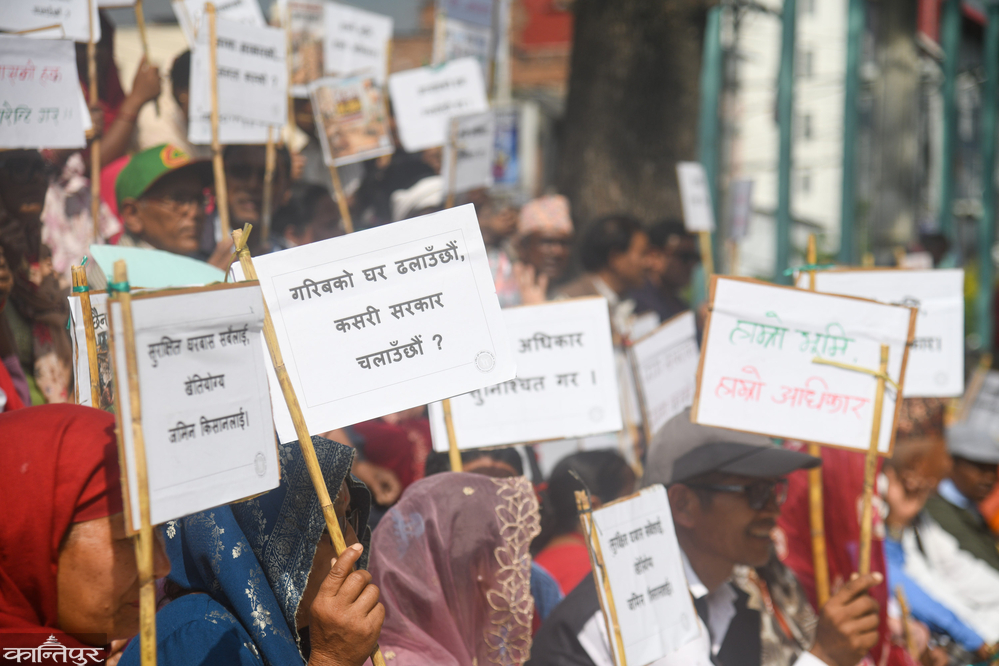
Landless and unorganized settlers, who have worked hard for decades to establish themselves in the same soil, are now being falsely labeled as 'encroachers' and 'settlers'. The forced evictions carried out under the guise of this misleading atmosphere spread by a section of the state and society have put the lives of the real landless in jeopardy.
For the squatters, who are trapped in this double trap of identity crisis on one hand and lack of shelter on the other, the state's cruel dozer has become not just an iron tool, but a ruthless weapon to erase their existence. The fact that the real victims are being declared 'guilty' by ignoring the ground of truth and justice has raised serious questions about the human face of a democratic state.
Parbati Thami, treasurer of the National Land Rights Forum, who was met during the Maitighar movement, says, ‘The government should manage the people, they have forcibly evicted them and taken them to the holding center. They have not even built houses.’
Slum dwellers who have come to Maitighar say, ‘There are landless and unorganized settlers all over the country. Are they trying to evict all the people and bring them to the streets?’
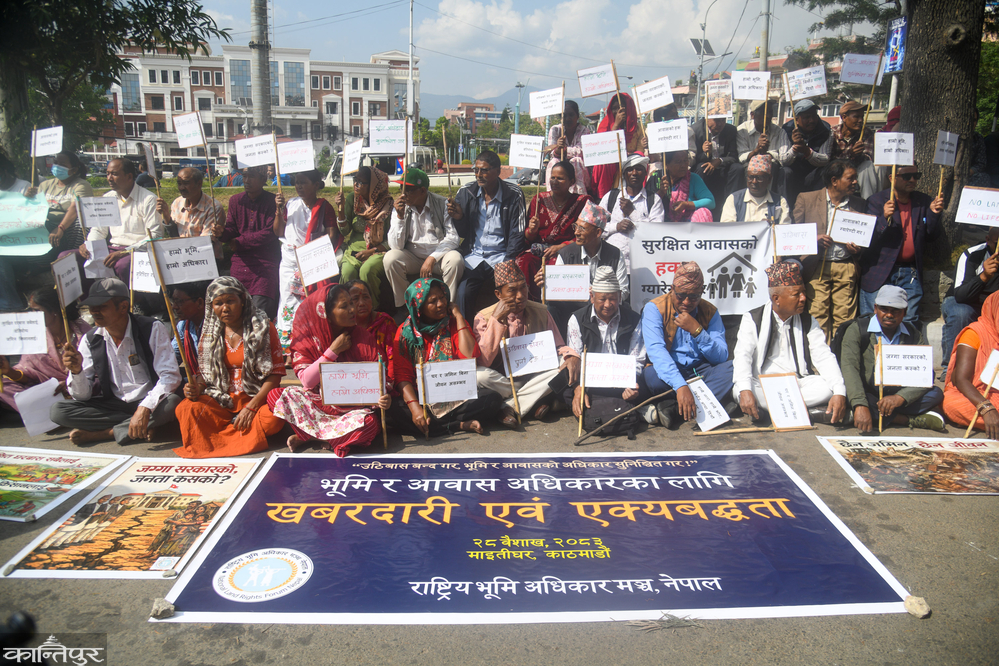
Their slogan is - Don't displace the landless, manage them! Destroy injustice, not the homes of the poor! Stop forced squatting, stop dozer terror! Whose land does the government have and who owns the people? Landless and unorganized settlers living in Kalopul, Thapathali, Gairigaun, Balkhu, Manohara, Balaju, Bansighat, Gaushala, Shankhamul, Swayambhu, Kalimati, Dhobi Khola, Kapan, Tenzing Chowk, Sattale Kshetra and Krishna Mandir areas of Kathmandu have been forcibly evicted and taken to the holding center. It is said that more than 20,000 squatters have been displaced in the valley alone. However, stakeholders are also concerned that the metropolis has not taken a single census so far.
In districts outside Kathmandu, the Ministry of Home Affairs has also issued a circular on April 16, 2006, asking them to vacate government and public land if it has been encroached upon. The Ministry of General Administration has also issued a circular on April 17, asking the local government to identify, verify and manage squatters living on public and government land in coordination with the district administration. After these letters reached the lower level from the federal government, in some places municipalities have started using dozers to evict them, while in some districts, panic has been created by publishing notices.
The circular issued by two ministries of the federal government has created panic at the district and local levels.
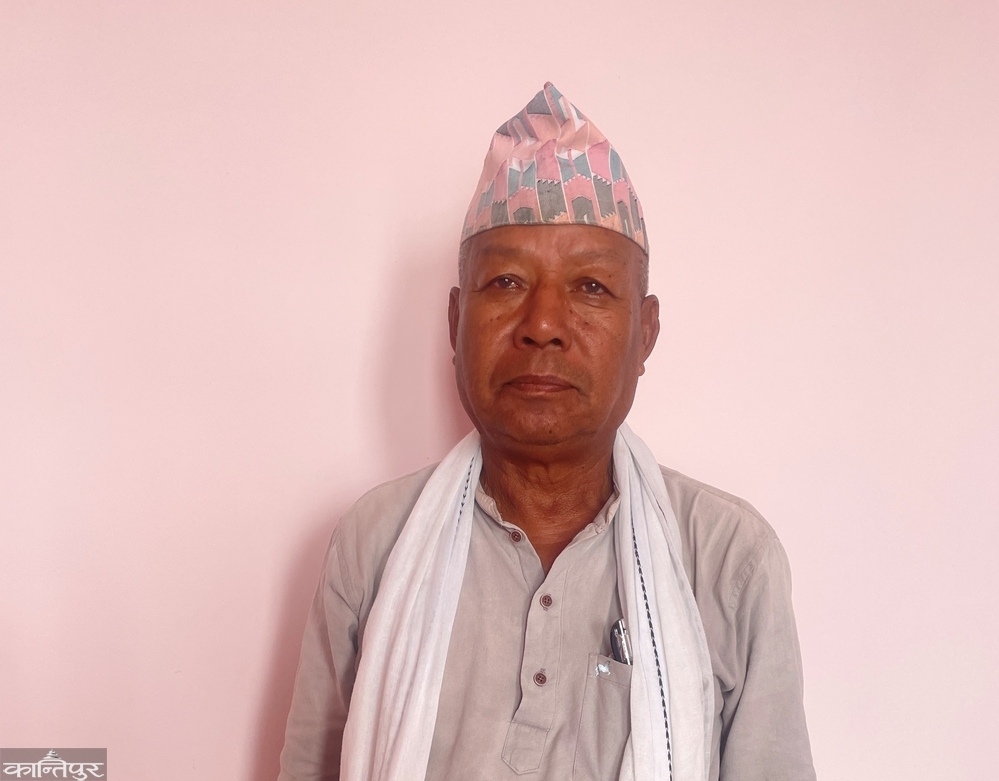
After some district administration offices and local governments tried to evict landless, squatter and irregularly settled families living on public and government land by issuing new notices, the landless families have become even more panicked. Faud Singh Syangwa, general secretary of the National Land Rights Forum, says, "While the government should be protecting the homes of people who have been living there for years, on the contrary, evicting people from their homes has put the people in even more fear and risk. Forced eviction does not provide a solution. If there is a reasonable reason for eviction, then first they should be given a satisfactory alternative and managed." Such squatter settlements, which are carried out without any alternative or management, have seriously affected the right of the squatters to live with dignity.'
000
Let's listen to the stories and sufferings of some representatives who traveled to the capital to tell their stories to the Balendra government, fearing and being chased away.
Laxmi Bishwakarma, who came to Kathmandu's Maitighar from Hetauda in Makawanpur to participate in the awareness movement against forced squatter settlements, says, 'Birds make nests for their offspring. We also need a place to live. Where did we find our nest? Since we did not have land with title deeds, we settled wherever we found an empty space. We built a house by killing our stomachs and hearts. We packed our belongings. If our world does not have a home, life will become chaotic. Since the notice to vacate the land has been issued, there has been only fear and panic. In any case, the protection and title deeds of the house and cultivated land are needed.''

Renu Tamang of Judibela, Phulbari, Naya Basti, Rautahat, Chandrapur Municipality-2, lived by the Hardiya River until 2060. That settlement was swept away by floods. Her current house in the Naya Basti is on public land. The municipality has issued a 21-day notice to remove it. She says, 'We are in complete fear. The land we live on is a forest land. We are a family of 5. We are constantly afraid that the government will remove it. We are afraid that a new person will come and remove it. We are in such pain, but how can we tell the government?''
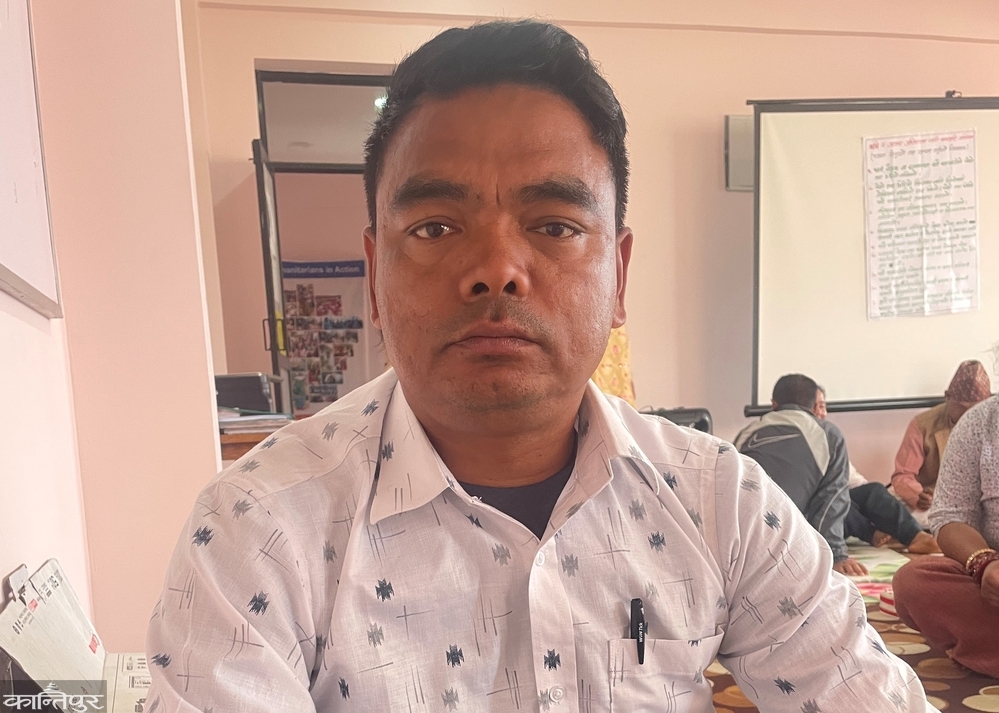
Sanjay Thapa Magar of Bharatpur Metropolitan City-20, Namuna Tole, Chitwan is physically disabled. Due to polio, his left leg is completely immobile. He farms land on a contract basis for a living. He says, ‘We have been living here for 45 years. We are completely squatters. The land we live on is in cow pasture. We are only worried about when it will be removed. If they don’t let us live here too, where will we go? We never imagined that we would face such tension from the state.’
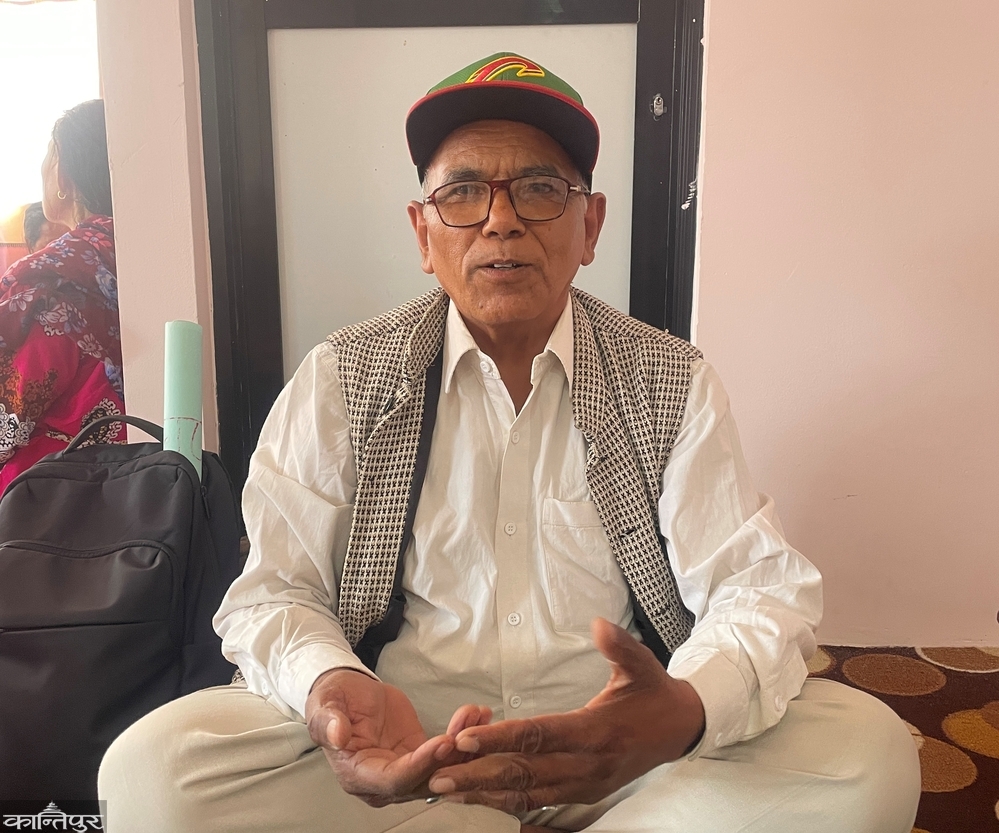
Dan Bahadur Gautam, a resident of the old airport in Dhangadhi Sub-metropolitan City-1, Kailali, says, ‘We have been living here since 2069. The land is in the name of the airport. We faced the problem of eviction on Asar 9, 2081. We are squatters. There is only an elderly person in the family. I drive an auto for a living and do daily wage work. We thought that the government was for the poor, but now the squatters are being displaced from their places of residence, which has added to the tension. We are waiting for proper and safe housing from the state, let the state listen to our pain.'
000
The current government has amended some acts through an ordinance on 20 Baisakh 20, 2082. Some provisions of the Land Act, 2021 have been changed. These provisions are mainly related to the management of landless Dalits, landless squatters and unorganized settlements. The provisions in sub-section (3) of Section 52 'A' of the Act have been removed, where 'For the purpose of providing land, the Government of Nepal shall form a commission, committee or task force by publishing a notification in the Nepal Gazette.' With the removal of this point from the Act, the Land Problems Resolution Commission has also been abolished.
Yesterday's assurances have been crushed under the bulldozer today, and the mandala of the family home has become a common place of questions and pain. The landless want to convey their collective declaration of disappointment to the government. With the abolition of the Land Commission, 1,152,870 application files collected from 750 local levels across the country have been left behind. Since 2077 BS, the Land Commissions had initiated the process of collecting data on landless Dalits, landless squatters and unorganized settlers by making agreements with the local levels. In some places, land is being surveyed to distribute to the landless, while in some places, land titles have already been prepared. The work of verifying the data collected at the local level is also done at the local level, and then the work of managing the data on landless and unorganized settlers by updating the digital data in the Central Database System was also being done. According to the details updated by the local levels on the digital data portal of the Land Problem Resolution Commission so far, there are 888,895 landless Dalits, 168,441 landless squatters and 872,181 unorganized settlers.
Section 52 C 1. has been added to the Land Act amended by the current government through an ordinance. According to the added provision, 'The Government of Nepal may form a committee or task force at the central and district levels for the purpose of providing land to landless Dalits and landless squatters as per Section 52 A and Section 52 B of the Act and for the purpose of managing unorganized settlements as per Section 52 C.'
A writ petition was filed in the Supreme Court after the forcible bulldozer operation started in the settlements of landless, squatters and unorganized settlers living in various places across the country including the Kathmandu Valley. The interim order issued by the Supreme Court on Baisakh 25, 2083 states, (1) The law has been amended to provide land to landless Dalits and landless squatters as per Section 52 A and Section 52 B of the Act.' Do not forcibly remove or displace squatters and unorganized settlers from settlements without following the procedure, and (2) take more effective action to provide basic needs of housing, education, health, food, etc. to displaced squatters or unorganized settlers.
However, in districts including Banke, without following the mentioned order, the local administration is forcibly evicting settlements by using dozers, and squatters are also agitating there.
Section 52 of the Land Act (2021) provides for providing land to landless Dalits, Section 52 b. Providing land to landless squatters, and Section 52 c. Managing unorganized settlers. Accordingly, the Government of Nepal has said that the land of the landless Dalit and landless squatters who do not own any land anywhere in the state of Nepal and their families will be managed by the Government of Nepal for a one-time period. In addition, in the case of unorganized settlers, even if the land is declared as forest land in the public or other government land or records, there is a legal provision that the Government of Nepal can provide land to unorganized settlers who have been reducing their population for at least ten years (2066 Magh 28) in the place where they have been reducing their population for a one-time period, not exceeding the specified area.
The agitating landless squatters and unorganized settlers from all over the country who have reached their homes are saying - Our right to live with dignity is being violated, we neither have hunger during the day nor sleep at night!