Now, former presidents, former prime ministers, and various constitutional and government officials will not receive such treatment expenses from government funds.
We use Google Cloud Translation Services. Google requires we provide the following disclaimer relating to use of this service:
This service may contain translations powered by Google. Google disclaims all warranties related to the translations, expressed or implied, including any warranties of accuracy, reliability, and any implied warranties of merchantability, fitness for a particular purpose, and noninfringement.
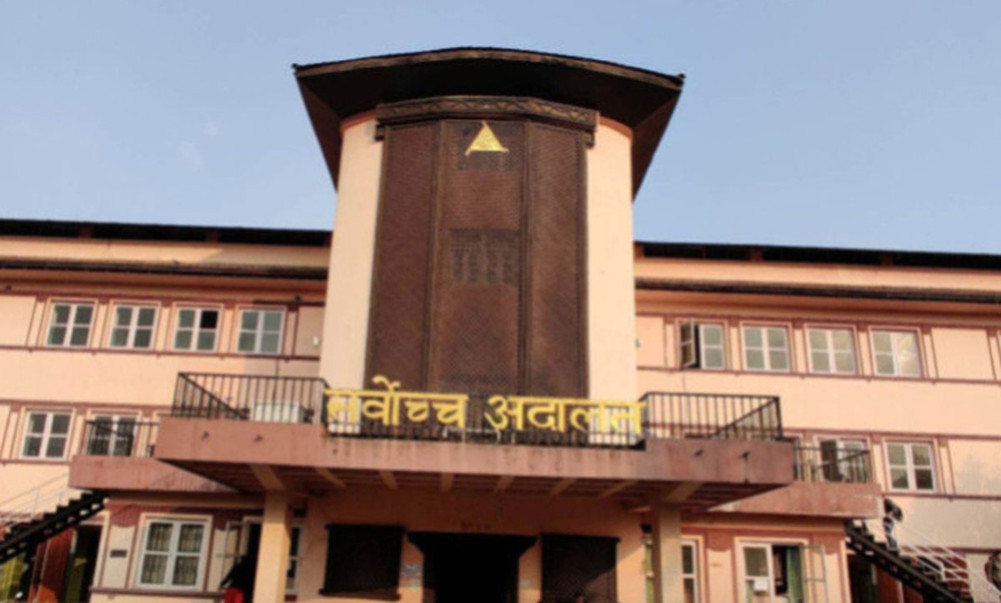
The government will no longer have to bear the expenses incurred by former dignitaries for treatment abroad. The Supreme Court on Monday rejected the provisions of the Civil Relief, Compensation and Financial Assistance Procedure regarding the expenses incurred by former dignitaries for treatment abroad. Supreme Court spokesperson Arjun Kumar Koirala told Kantipur that the ruling will not affect the treatment expenses paid by the government for treatment in the country. With this, former presidents, former prime ministers and various constitutional and government officials will no longer receive treatment expenses abroad from government funds. The writ petition filed by advocates Radika Chamlagain and Bhadra Prasad Nepal was heard by Acting Chief Justice Sapana Pradhan Malla of the Constitutional Bench and Justices Kumar Regmi, Manoj Kumar Sharma, Sharanga Subedi and Abdul Aziz Musalman.
The repealed provision covered the treatment of serious diseases including heart, kidney, cancer, Parkinson's, Alzheimer's, spinal injury, head injury, liver, aplastic anemia, thalassemia, brain trauma, sickle cell anemia.
Accordingly, there was a provision to provide treatment expenses of up to a maximum of Rs. 1.5 million to former Presidents, former Vice Presidents, former Prime Ministers, former Chief Justices and former Speakers of the House, up to a maximum of Rs. 1 million to former Deputy Speakers, former Ministers, former Ministers of State, former MPs and office bearers of constitutional bodies, and up to a maximum of Rs. 7 million to persons who have made significant contributions in the fields of education, art, literature, communication, sports and others.