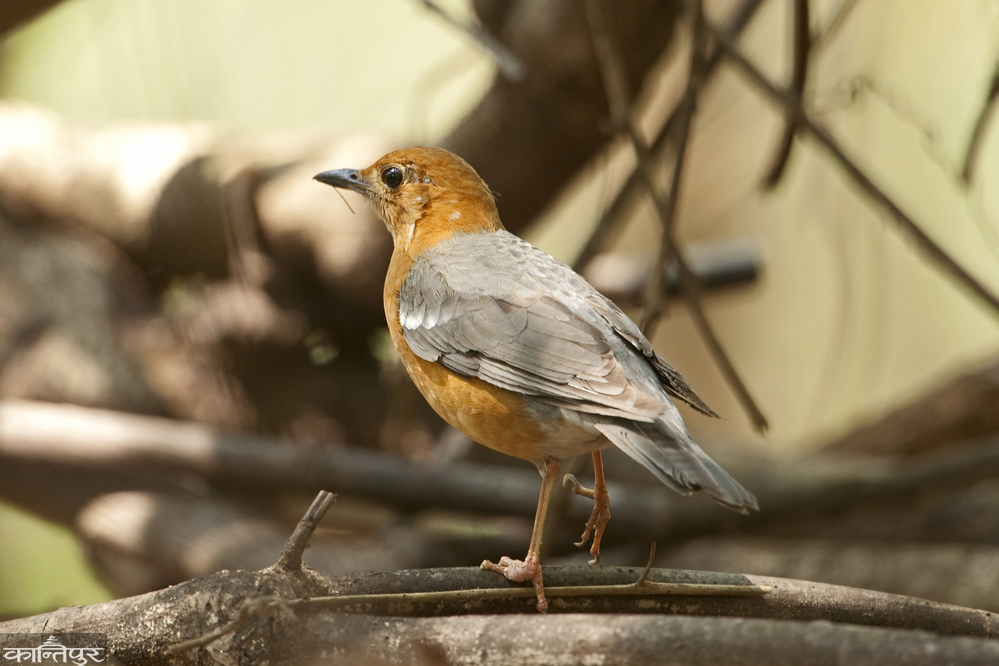
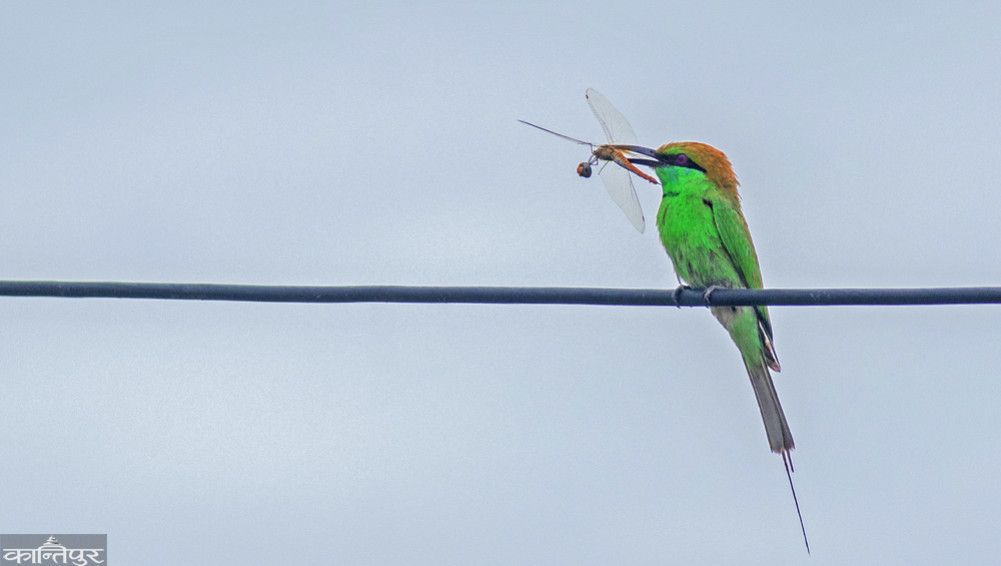
With the arrival of spring, birds have started arriving in Nepal from India, Sri Lanka, Thailand, Myanmar, Malaysia, and Indonesia in Southeast Asia.
We use Google Cloud Translation Services. Google requires we provide the following disclaimer relating to use of this service:
This service may contain translations powered by Google. Google disclaims all warranties related to the translations, expressed or implied, including any warranties of accuracy, reliability, and any implied warranties of merchantability, fitness for a particular purpose, and noninfringement.
Who wouldn't be fascinated by the flowers and foliage of spring? With the onset of summer, greenery, colorful flowers and foliage can be seen everywhere in the villages and forests after winter. The cuckoo bird fills the air with music. Be it the plains or the mountains, gardens or forests, the cuckoo's chirping steals the heart. With the onset of spring, three species of cuckoo birds that captivate humans are now making their voices heard in and around settlements. Although they may not seem attractive at first glance, their cuckoo-like voices make the environment mesmerizing and enchanting.
According to ornithologists, these birds have come to Nepal to raise their chicks. More birds are still coming. Out of the 20 species of cuckoo found in Nepal, 16 are summer visitors. The first bird to enter Nepal in late February was the ornithologist, Katusatuake Murli. Hemsagar Baral said. According to him, while the wallabies were enjoying themselves in Chitwan National Park, the Swargchari arrived in the community forest in Kawasoti, eastern Nawalparasi. The blue-tailed wallabies that came from Thailand have started enjoying themselves in the Lumbini Upavan. The Katusatuake and the blue-tailed wallabies entered Nepal from the Bay of Bengal via Dharan through the borders of Myanmar and Bangladesh. 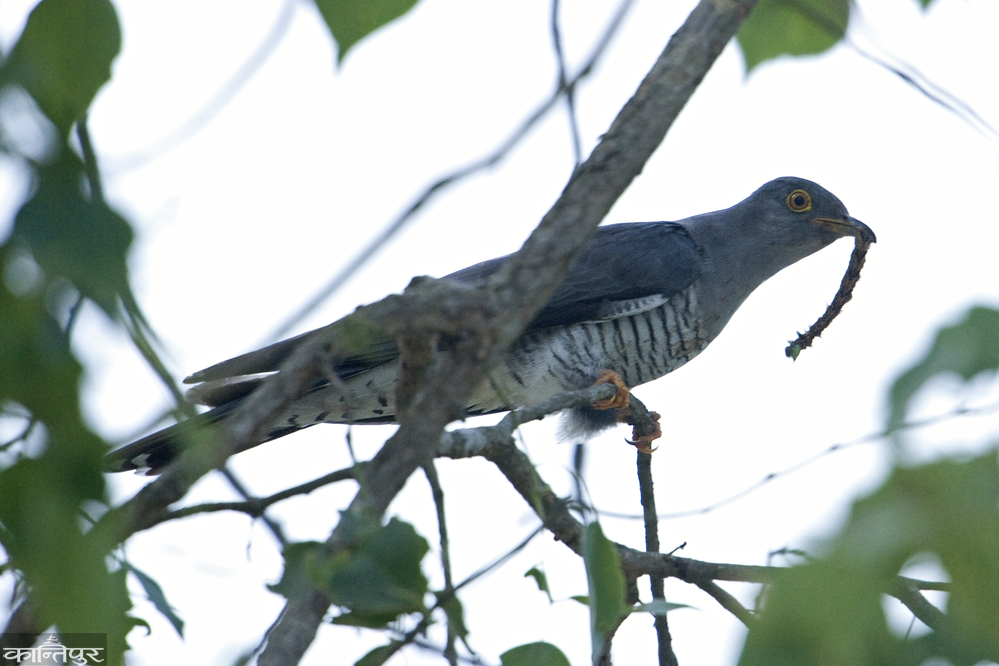
So far, 50 species of summer guest birds have arrived in Nepal. The golden-crested sandpiper, the suntale sandpiper, the royal sandpiper, the waterfowl and the chitrak pitta have arrived. The red-crested sandpiper, the red-crested sandpiper, the queen sandpiper, the thimaha falafyale, the muskrat sandpiper and the crow-tailed woodpecker have also arrived. ‘Mostly, all the chicks come to raise their nests,’ said Baral, ‘When summer visitors come, they first understand the environment here. Then, understanding the security risks, they choose a place to raise their chicks by looking at the nesting site, food and diet.’ They nest in trees, river banks and farmlands. He said that with the arrival of spring, birds come from India, Sri Lanka, Thailand, Myanmar, Malaysia and Indonesia in Southeast Asia.
According to Baral, these birds fly from 4/5 days to a week to ten days. After raising their chicks, they return to where they came from. The cuckoo species and the red-billed jays come from Southeast Asian countries. ‘Birds have started looking for nesting sites in Nepal,’ said ornithologist Hathan Chaudhary. ‘They are arranging nesting sites with weeds and grass in the selected places. New growth and abundant bird chirping have begun in the forest.’ According to Charabid, the chirping of birds has added excitement to the forest. Chaudhary said that the golden-crowned nightjar, the golden-crowned nightjar and the royal nightjar have started nesting in the Chitwan National Park and Lumbini forest areas.
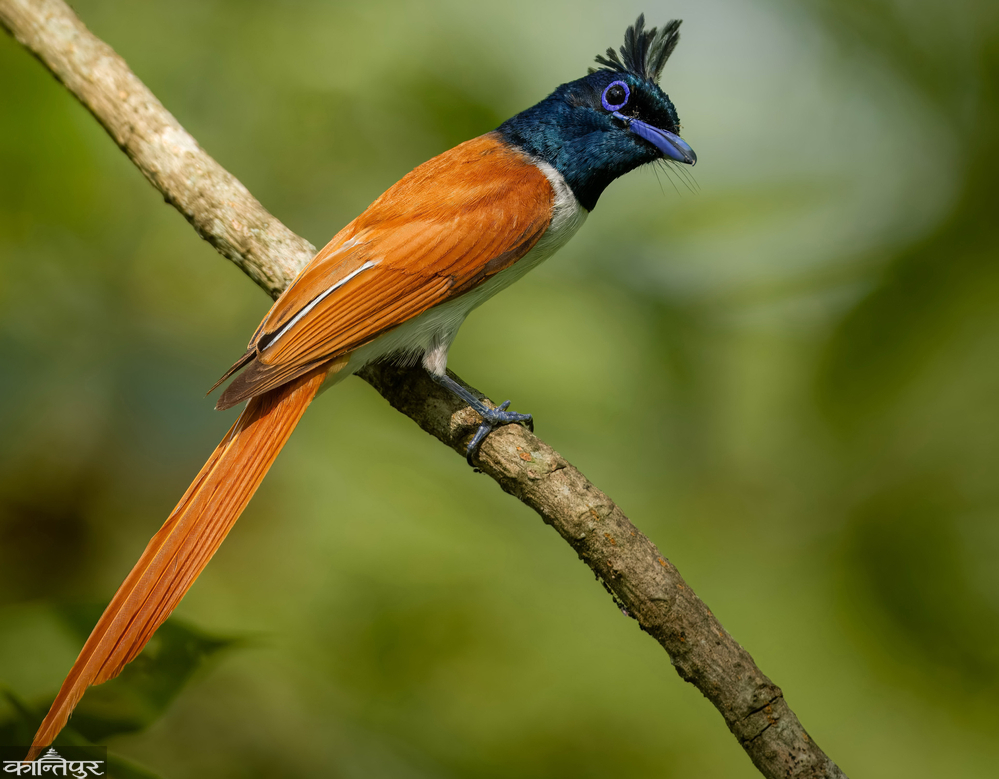
It takes about 3 weeks for birds to build a nest. They stay in the nest for about a month and hatch their young. They raise them for two to one and a half months and fly them away from the end of Bhadra to Asoj. According to Charabid, birds that come from the north to Nepal in winter return there, and birds from the south come in summer. Out of the 20 species of cuckoos found in Nepal, 16 species do not build nests and instead leave the job of raising their young to others. Ornithologist DB Chaudhary said that other birds also raise their cuckoo chicks along with them. Only the green falcon, the common falcon, the little falcon and the small falcon build their own nests. Among these, the small falcon is a bird that comes from outside. Chaudhary said that out of the 16 species of cuckoos that build nests in others' nests, the round falcon is native to Nepal, while all the others come from outside.
Among the summer visitors, about 10 species of birds are yet to arrive. The slowest of them, the yellow falcon, which travels more than 6,000 miles from sub-Saharan Africa, has not yet arrived, said ornithologist Chaudhary. He said that the bird will arrive in Nepal with the wind flow in the Arabian Sea by the end of May when the pre-monsoon begins. The white-fronted wagtail, which comes from Australia the furthest away, has not yet arrived. Apart from the white-fronted wagtail, other birds come to breed their young. The large-scale wagtail is also yet to arrive.
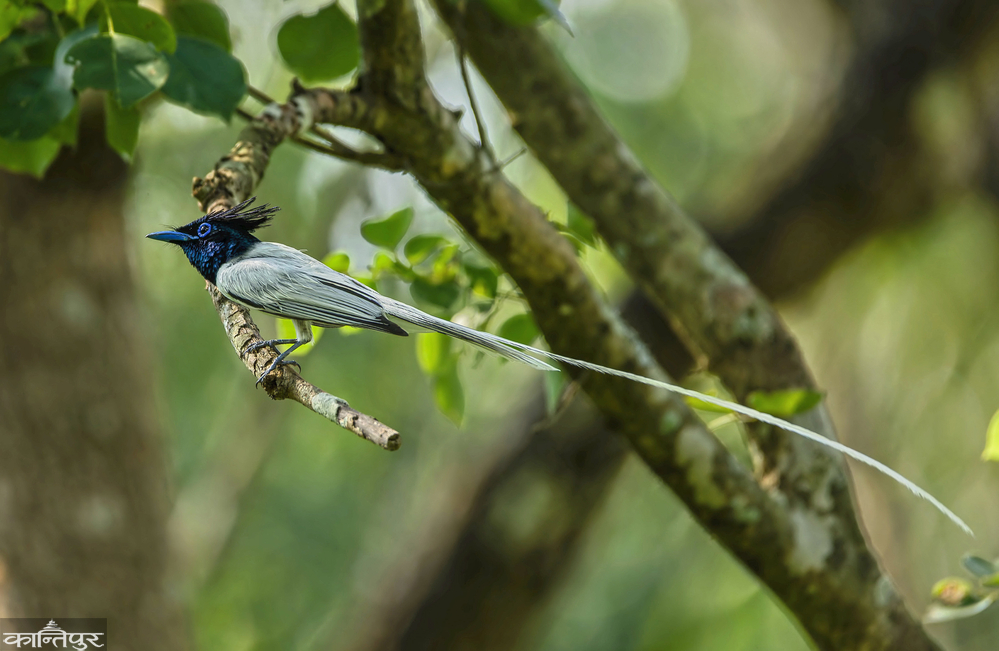
‘Many birds will have built their nests by the third week of Baisakh,’ said ornithologist Dinesh Giri, ‘They will be able to raise their young by the third week of Shrawan.’ Ornithologist Ram Shahi said that the young ones will take less time to raise their young and the older ones will take more time. He said that in foreign countries, the days and nights are equal, but in Nepal, the days are longer than the nights, so the birds are attracted here because they can feed and forage for more time. He said that they are attracted here because they will get a safe place to breed, raise and forage for their young and get a livelihood.
Birds have come to breed in Chitwan, Bardiya, Shuklaphanta, Parsa and Banke National Parks here. Similarly, birds have also come to breed in Koshi Tappu, Shivpuri Forest and Annapurna Conservation Area. It is easier for them to breed and find food than where they come from. There is no competition for food. Most of them go to the Terai, some to nest near the mid-hills and low-species Himalayan regions. They return in Asoj. There are records of 903 species of birds found in Nepal.