Voters in Kathmandu-8 are hesitant to trust even new faces as old problems like drinking water, garbage, red documents, and foreign migration remain unresolved.
We use Google Cloud Translation Services. Google requires we provide the following disclaimer relating to use of this service:
This service may contain translations powered by Google. Google disclaims all warranties related to the translations, expressed or implied, including any warranties of accuracy, reliability, and any implied warranties of merchantability, fitness for a particular purpose, and noninfringement.
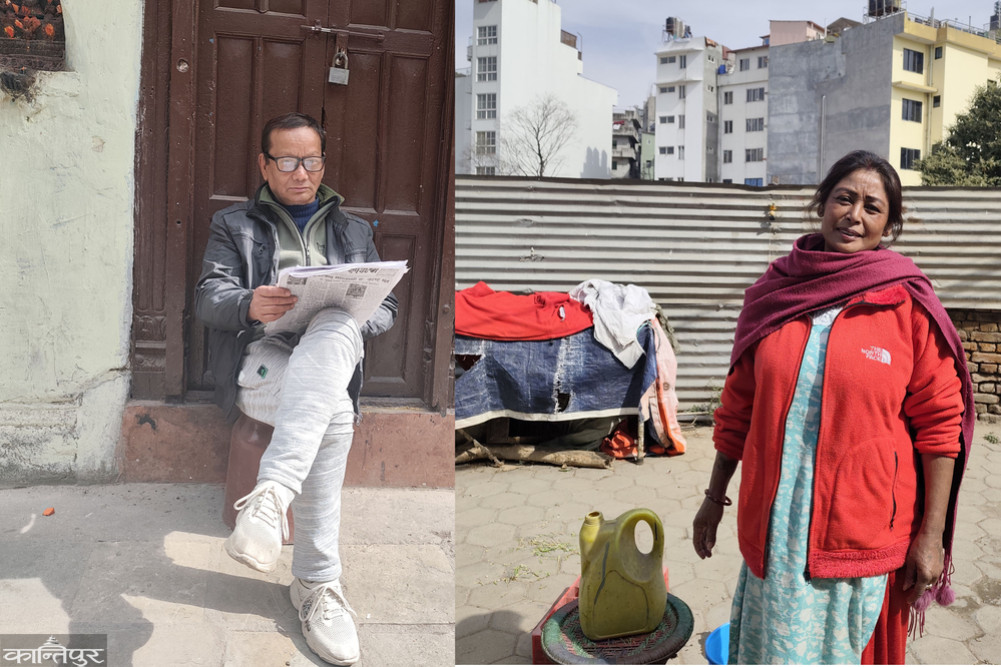
Dhan Maharjan, 60, of Dallu, Kathmandu Metropolitan City-15, looks relaxed in his water shop in the morning. Customers come to his shop to fill up the water brought in by tanker for Rs 10 per jar.
From food to sanitation, the residents of Dallu fill jars with free water. 'There have been many elections in the country. Many have been voted to victory. But no one has been able to solve the water problem,' complains Dhan Maharjan, who is collecting water. Well water is not enough here. Except for tankers, neither Melamchi water nor any other source comes to the tap.
The upcoming House of Representatives elections are being held on Falgun 21. Dhan, who is also a voter of Kathmandu Constituency No. 8, casts secret ballots. But he is indifferent to the unfulfilled promises and assurances of previous candidates. 'I have been voting since the Panchayat period. During elections, they come bowing down. Once in office, they do not look into the problems of the people. Instead of developing the country, they hide money in rooms and foreign banks through corruption,' he complains angrily.
Another issue that keeps depleting wealth is foreign migration.
He sees many young people fleeing abroad right before his eyes. He is saddened by the compulsion of his own son to go abroad. ‘Who will take care of the elderly parents after all the children have gone abroad? Unless there is an environment to do something in the country, nothing will happen by changing the candidate,’ he says.
Kathmandu 13-52-year-old Subindra Shahi, who runs a grocery shop on the banks of the Kalimati river, is a voter here. He is waiting for the atmosphere in this year’s election. ‘There is no hustle and bustle. Gradually, I will vote for whoever I see the atmosphere in his favor,’ says Subindra. Subindra, who has been voting since 2048, chooses his representative at the last minute. ‘Everyone’s promises are heard. Everyone’s objectives are understood. And we discuss in groups and throw them away quietly,' says Suvindra.
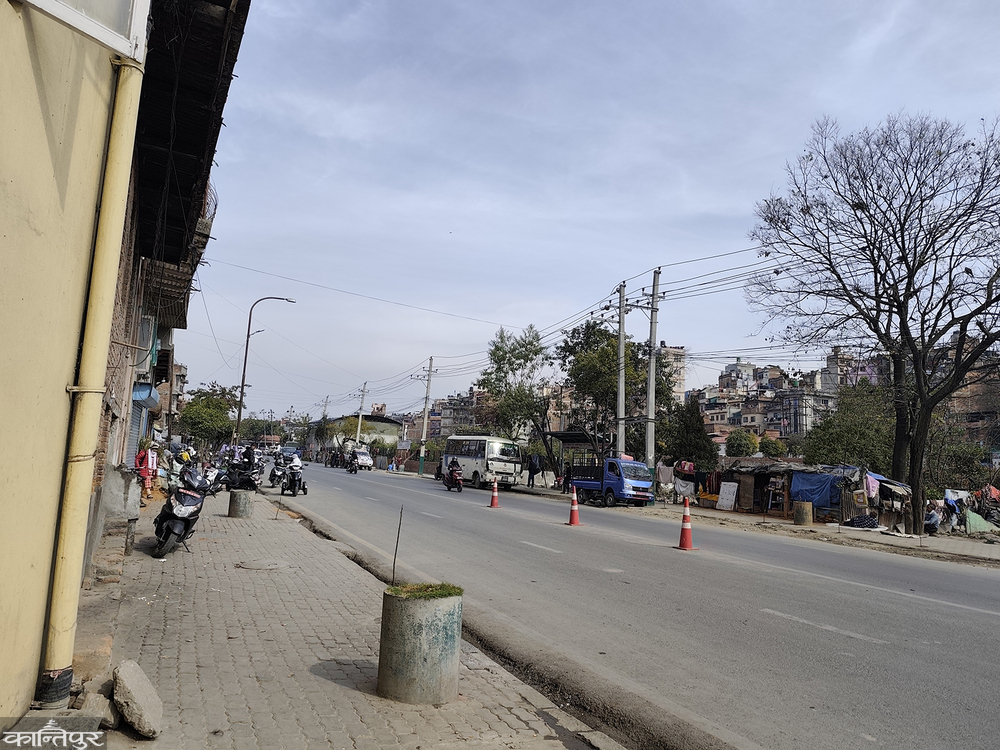
He feels that the main problem in his place is waste management. The river flowing in front of his shop always emits a foul smell. They have no choice but to endure that stench. 'Waste management in the surrounding area is also a challenge for us,' he adds.
He has a faint hope that the new leaders will do what the old leaders did not do. 'Yesterday, we voted for the old ones too. They did not work. Now we will have to find someone to work,' he says.
But Suvindra is keeping one doubt in his mind while using social media. 'What will people say? What will they write? Will there be elections?' he doubts.
Kathmandu-19 Some voters in Damaitol are struggling with the pain of not having land titles. Kavita Shahi, a 60-year-old voter here, expressed the sighs of the voters here.
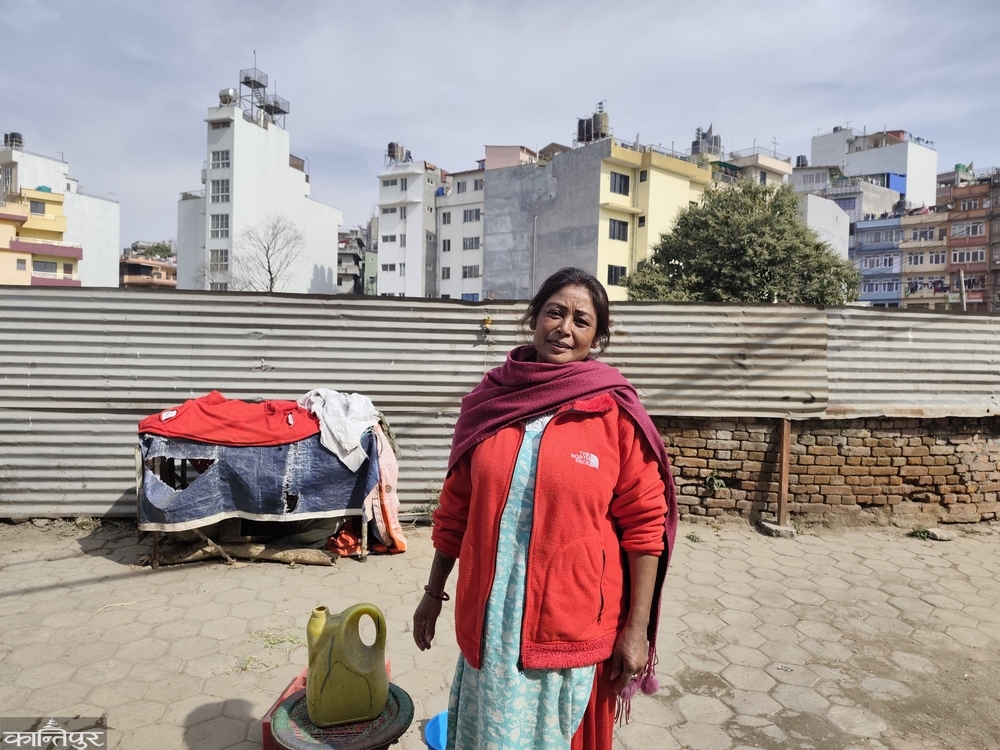
Kavita, who was found basking in the sun in her courtyard, pointed out the problem and said, ‘The biggest problem here is that many residents do not have land titles.’ Despite raising this issue repeatedly to resolve it, no hearing has been held so far.’
She said that the people’s representatives have not paid attention to other problems that remain to be solved. ‘There is a lot of water problems.’ Even the smallest work is not being done,’ says Kavita. She is thinking of voting for a new face who can do something concrete.
Raj Khadgi, a 27-year-old from Damaitol, is voting for the first time. While casting her vote for the first time, her first concern is the state’s treatment of people with disabilities.
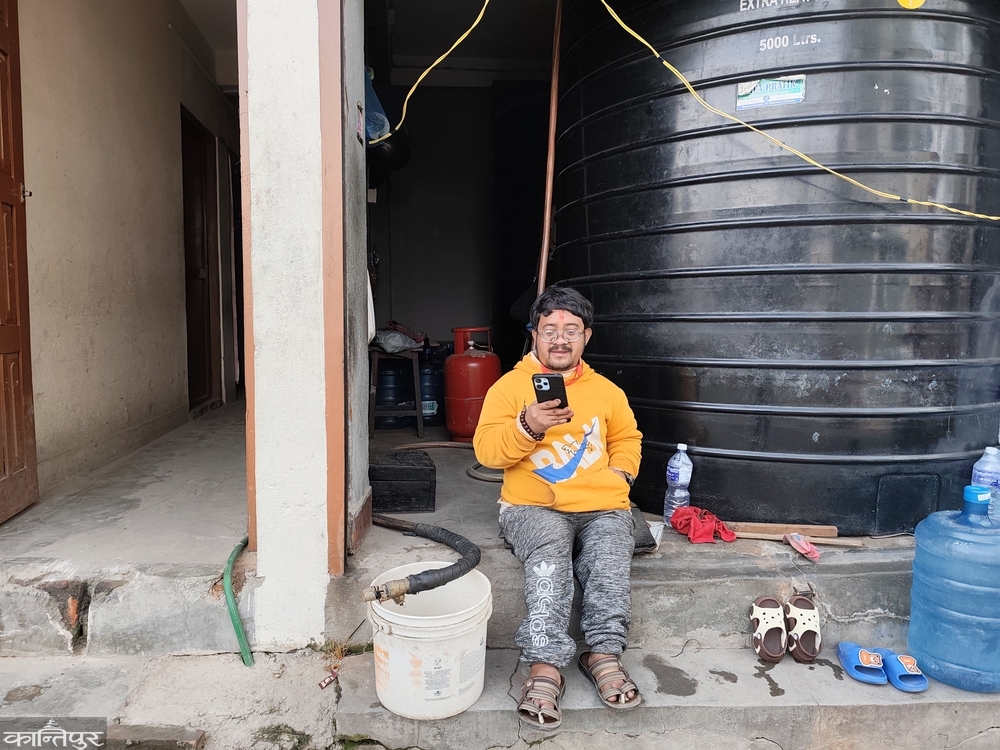
‘The state has not shown much interest in us disabled people. I will vote for the candidate who pays attention to this policy and implementation,’ says Raj.
A 50-year-old voter from Kathmandu-20 Bhimsensthan says she does not trust any candidate. ‘I have been voting before. I will vote again. But I don’t think anyone will do anything,’ says the voter, who runs a grocery store, on condition of anonymity. On the contrary, she complains that ward representatives are working at the local level, but those who have gone to the House of Representatives have not even returned. ‘Now I will not repeat the old ones. We should give the new ones a chance,’ she says.
Voter Vijay Bajracharya of Kathmandu-24 was reading a newspaper.
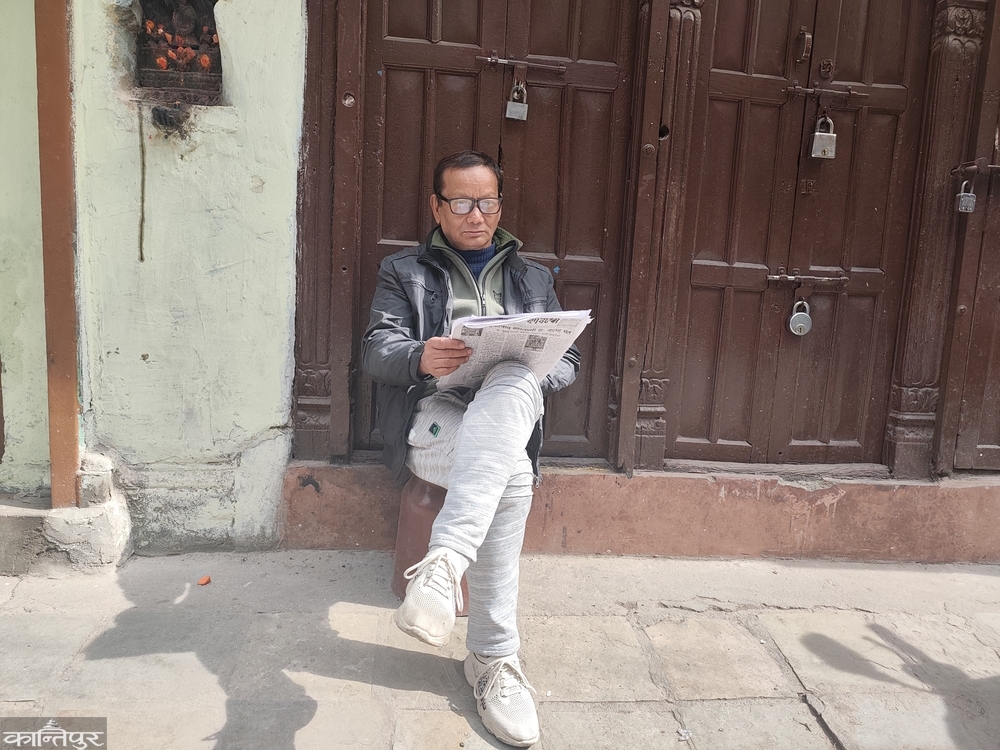
After mentioning the voting, he expressed his dissatisfaction, saying, ‘The previous representatives have not made a concrete contribution to the policies and regulations and development work. I do not have much hope from the leaders. I vote only for formality.’ Instead, he added that he was satisfied with the work done by the ward representatives.
Kathmandu constituency no. 8 includes wards 13, 15, 19, 20, 23 and 24 of Kathmandu Metropolitan City and wards 4 and 5 of Nagarjuna Municipality. Not only in Kathmandu, but also in Nagarjuna, the same complaint has been repeated by voters.
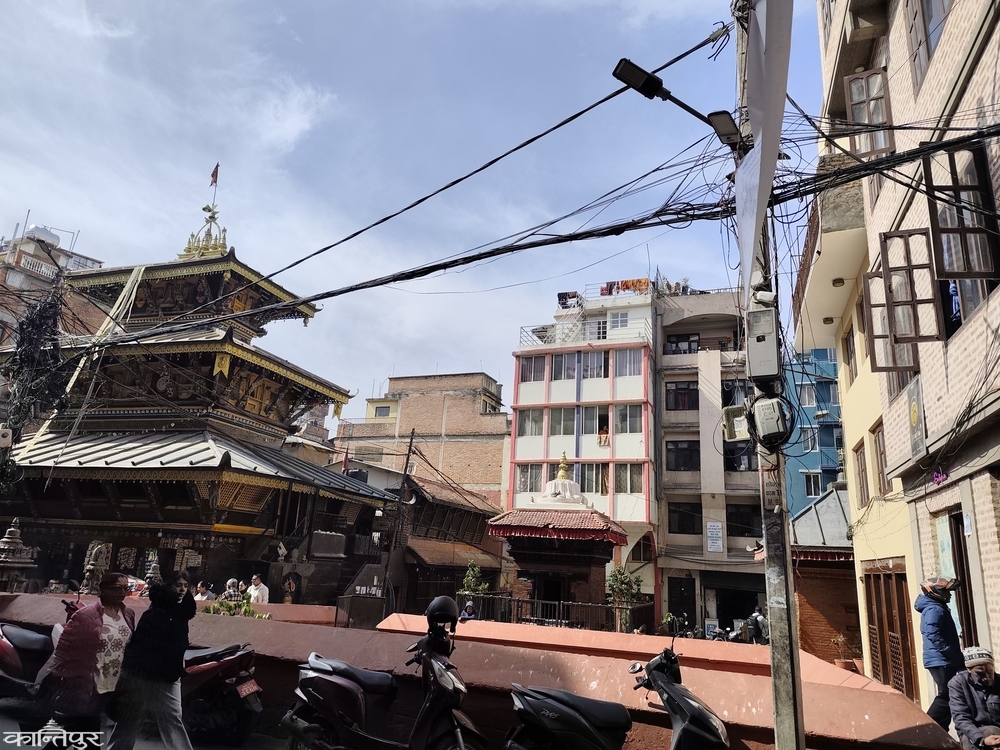
We asked Ramesh Bhusal of Nagarjuna-4 Sitapaila, who migrated to Kathmandu from Dharkot Naya Gaon in Gulmi 23 years ago, ‘Which voter are you?’
‘Half from Australia, half from here!’ he said sarcastically. His satire depicted the harsh conditions of youth migration in Nepal. Then Ramesh narrated the scenes behind the satire. Ramesh has a son and a daughter. Both are in Australia and America for higher education and employment. His daughter did not get a decent job and salary in Nepal even after completing MBBS. She was then forced to go abroad. The same situation repeated for his son. ‘I worked hard and gave my children an education. But what is the point if I cannot afford to live here?’ he adds.
Even after spending more than two decades in Kathmandu, he was still angry that due to the extreme shortage of drinking water, he had to buy tanker water and drink and that the problems of roads and garbage remained the same. ‘The leaders did not develop. That's why I'm staying home instead of going to vote in the upcoming elections,' he says with determination.
Harikrishna Tihari of Sitapaila, who has been living in Kathmandu for 20 years, is voting for the first time in this area. He has been voting in Biratnagar for the past 1 year and has been a permanent resident here. The first problem he faces here is the lack of drinking water. 'Boring water is not sustainable. Tanker water is expensive. That's why we have to suffer,' he says, 'and there is a lack of adequate parks and public recreation areas.'
What he finds most frustrating in the country is the slow technology and cumbersome administrative procedures. He is frustrated by the lack of justification for the national identity card and the need to wait years to renew licenses. 'Therefore, I doubt that even if a new party comes, due to the corruption that is rampant in the bureaucracy, there will be any fundamental change. The situation in the country will not change until there is improvement from the grassroots level,' he says. But he has made up his mind to select new candidates.
Non-repeating representatives, recurring problems
In the previous election, Biraj Bhakta Shrestha of the National Independent Party had established a stronghold of victory in this area. He is still a candidate from the Rashtriya Swatantra Party. He was also made the Minister for Youth and Sports. In the Bagmati Provincial Assembly election, 2074, he also became a provincial MP from the Bibeksheel Sajha Party through the proportional electoral system. Biraj had demolished the UML stronghold before that in 2079. If we look at this place since 2070, there have been no repeat representatives.
Congress candidate Nabindra Raj Joshi was victorious in the Constituent Assembly (second) election in 2070. Joshi also won in the 2065 elections. But in the 2074 House of Representatives election, he faced a tough competition from UML's Jeevan Ram Shrestha. Jeevan Ram won the election that time by securing 13,397 votes. In the 2079 election, Jeevan Ram was not a candidate from UML, but from the new party CPN (Unified Socialist), formed after the split of UML. He had the support of the ruling coalition including Nepali Congress and CPN (Maoist Center). However, he was defeated.
Biraj Bhakta of the National Independent Party won by securing 10,105 votes. Jeevan Ram came third at that time. On the contrary, his closest rival, Hamro Nepali Party's Suman Sayami, received only 5,889 votes. UML, which had won in 2074, suffered a heavy defeat in 2079. Shiva Sundar Rajvaidya was the UML candidate. He received 2,110 votes.
Suman Sayami, who came second last time, is contesting from the same constituency this time too. According to some voters, Suman was a household name when Biraj Bhakta was in the House. This time, voters are also positive towards him. He had contested from Hamro Party Nepal last time and this time he joined the Nepali Communist Party (NCP). Suman had also contested the election for the post of mayor of Kathmandu Metropolitan City as an independent candidate in the local level elections. Even then, he had received about 13,770 votes.
Rajesh Shakya is in the fray this time from UML. Rajesh is trying to restore the old legacy of UML. He won from Kathmandu 8 (A) in the 2074 provincial assembly elections but lost from the same constituency in the 2079 elections.
Sapana Rajbhandari is the candidate from Congress this time. In the 2079 House of Representatives election, she was elected as a proportional representative from the indigenous and tribal community. She is the wife of the late Nabindra Raj Joshi.
Due to Nabindra Raj's strong hold, the Congress has estimated its victory in this region. Moreover, since Sapana is from this region, she also interacts with the voters. Her influence in this region is also good.
In this region, Naveen Shahi from the Rastriya Prajatantra Party, Rajendra Prasad Shah from the Nepal Communist Party (United), Bandana Shrestha from the Nepal Workers and Peasants Party, Vijay Dangol from the Nepal Federal Socialist Party (single election symbol), Janata Samajwadi Party, Saroj Raj Vedya from Nepal, and Khagesh Ranjitkar from the Aam Janata Party (single election symbol) are candidates. Dinesh Shahi from the Nepal Janata Sankaran Party, Resham Bahadur Sunar from the United Citizens Party, Shiva Sundar Karmacharya from the Shram Sanskriti Party, Salam Singh Lama from the Communist Party of Nepal (Maoist), Rajan Khadgi from the Ujjaya Nepal Party, Chhatra Kumar Pakhrin from the Rastriya Mukti Andolan, Nepal, Muktinath Sharma from the Rastriya Mukti Party Nepal (single election symbol), and Bikash Khadgi, Tulsa Shrestha Maharjan, Sunita Maharjan, Sushila Nepali and Muna Neupane (Pandey) from Swatantra are also competing in the elections.
Candidate's promises
The three candidates who came in contact with Kantipu told about their dreams and plans in this area. NCP candidate Suman Sayami said that this time the campaign will be different from the traditional style. He said that he has adopted a strategy of going door-to-door and explaining the real situation of the country to the people and alternatives with ideas.
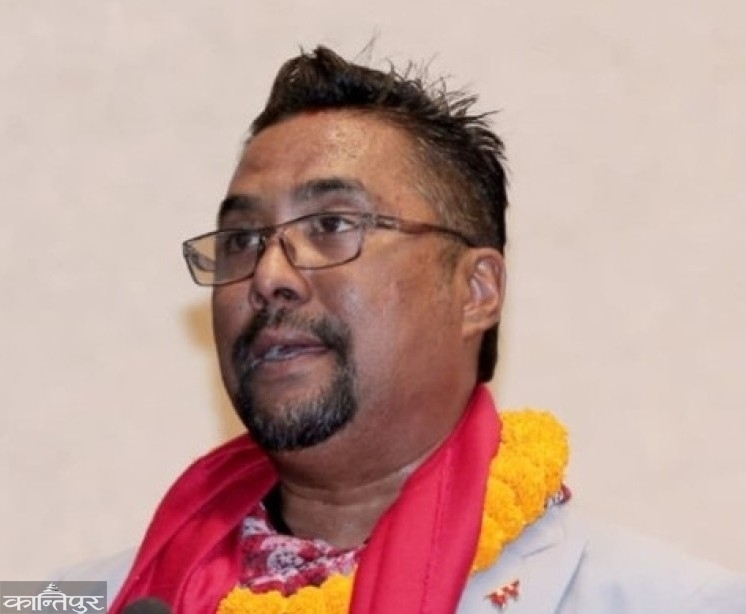 'People have been highly appreciating the continuous struggle and sacrifices I have made on the streets for a decade on issues such as the cultural heritage of the valley, Guthi, environment, and road expansion.' I am seen as a 'hardworking' and 'society' leader because I have supported the people's problems even when they are not within reach,' Sayami claims.
He says that his main priority is to implement the fundamental rights enshrined in the constitution in practice, not just on paper. He also said that he will take concrete initiatives to fulfill basic needs like education, health, and employment and put political commitments into practice.
Congress candidate Sapna Rajbhandari says that she is familiar with the problems facing the people of this region with water. 'I will solve this problem through coordination with the leadership level for the proper management of the Melamchi drinking water project.' In addition, solving sanitation and traffic problems at the local level is also in my action plan,' she says.
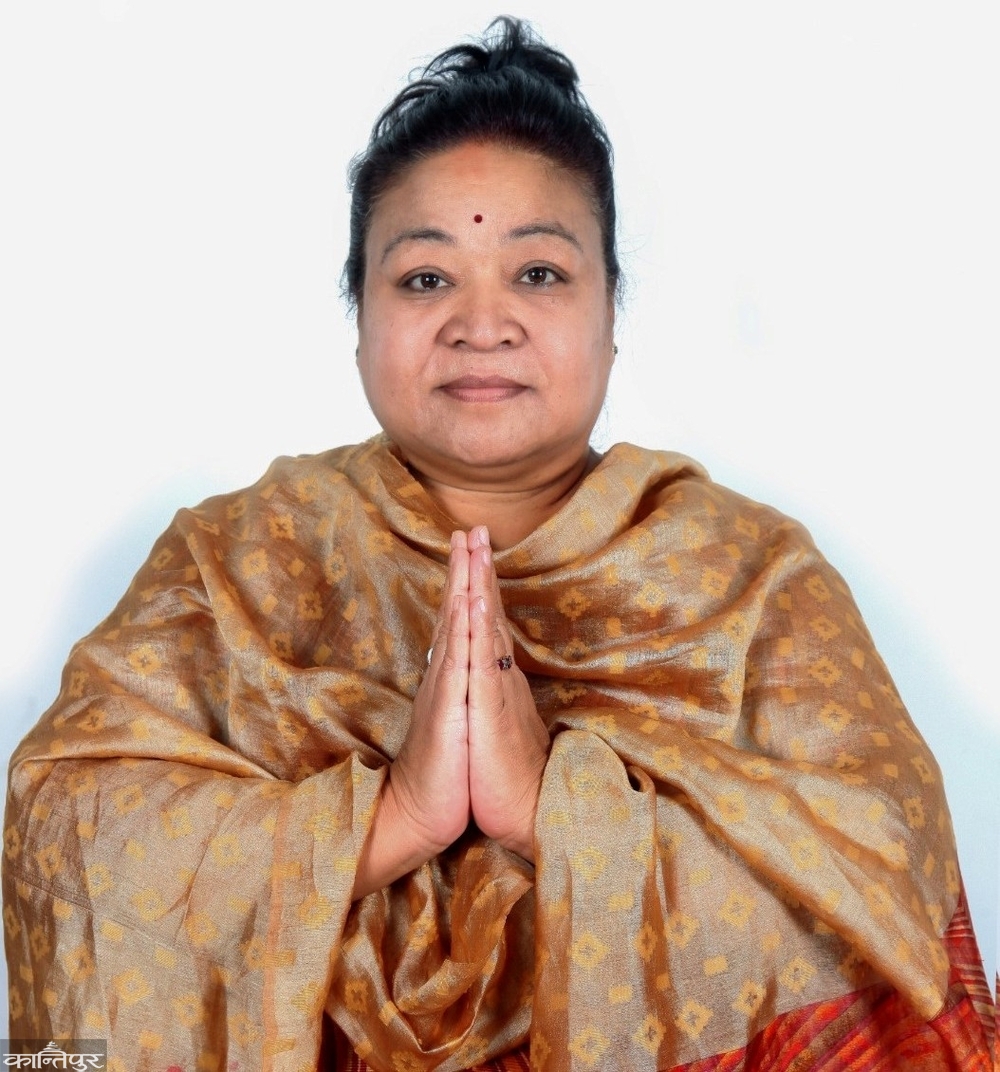 Sapna says that her main priority is to protect and promote world heritage sites like Basantapur and Swayambhu at the international level. Her goal is to make it the best tourist destination in the world by solving the problems of security, traffic management and street children in those areas. 'Protecting and promoting the art, culture, festivals, music and traditions of this area, which is home to more than 80 percent Newar people, is also one of her priorities,' she says.
UML candidate Rajesh Shakya claims that he has fulfilled 95 percent of the commitments he made when he was elected in the past and that voters are excited because he has supported the people's happiness and sorrow even when he is not in office.
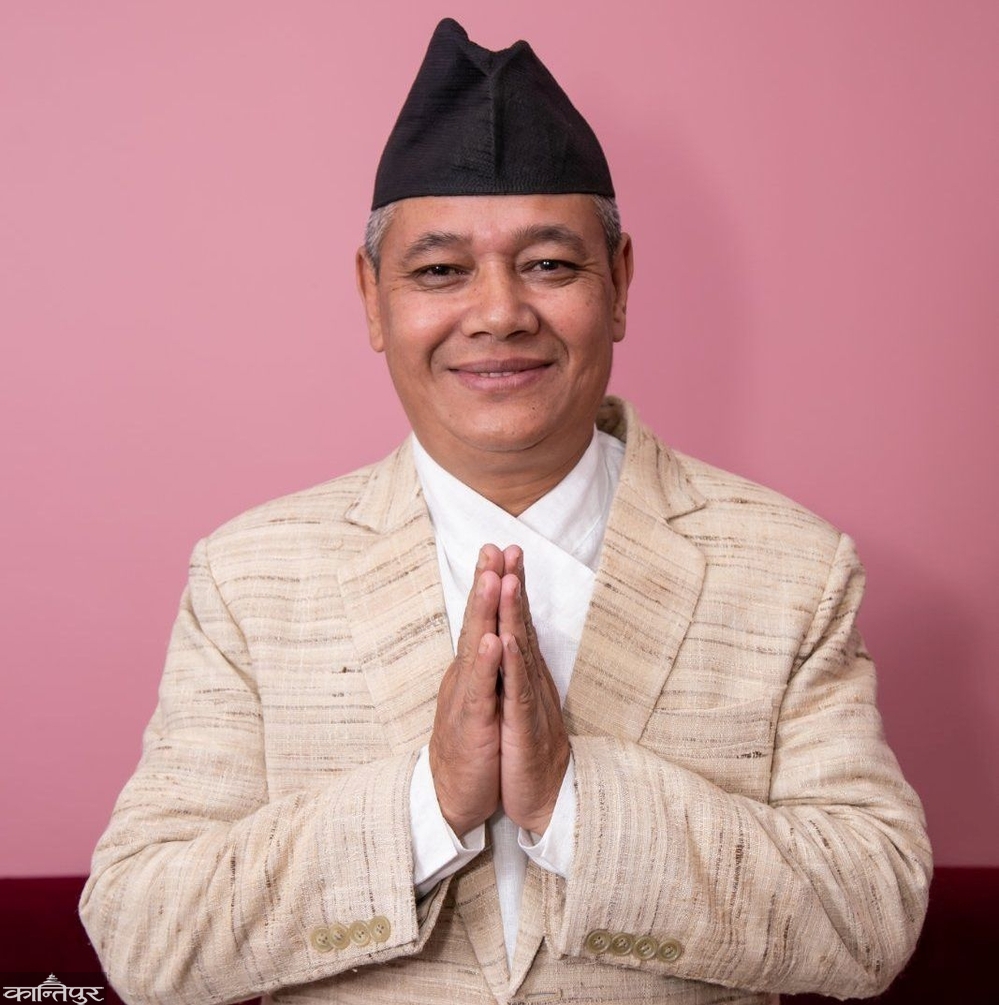 He has put forward the solution to the drinking water problem as his main agenda. 'I had successfully reconstructed Kasthamandap under my leadership. I have set a goal to create a tourism trail connecting world heritage sites like Hanuman Dhoka and Swayambhu and through this, work for the country's economic development and the prosperity of the youth,' he promised.