Journalist Dhungana has been capturing photographs of social issues and risky situations. On 23 Bhadra, he was shot and injured in front of the Parliament building in New Baneshwor while reporting on the Genji movement.
We use Google Cloud Translation Services. Google requires we provide the following disclaimer relating to use of this service:
This service may contain translations powered by Google. Google disclaims all warranties related to the translations, expressed or implied, including any warranties of accuracy, reliability, and any implied warranties of merchantability, fitness for a particular purpose, and noninfringement.
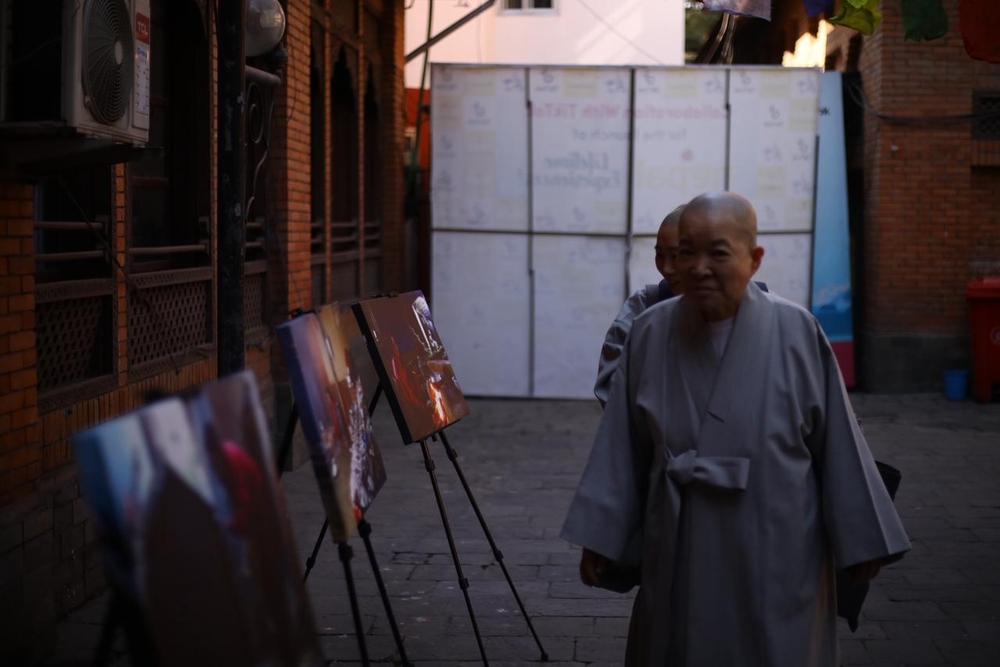
Photojournalist Dipendra Dhungana's photographs were put on display at the Nepal Tourism Board in Kathmandu on Thursday. The exhibition is organized under the title 'We Care'.
The pictures are on display during the 13th Human Rights Film Festival organized by the Nepal Human Rights Film Center.
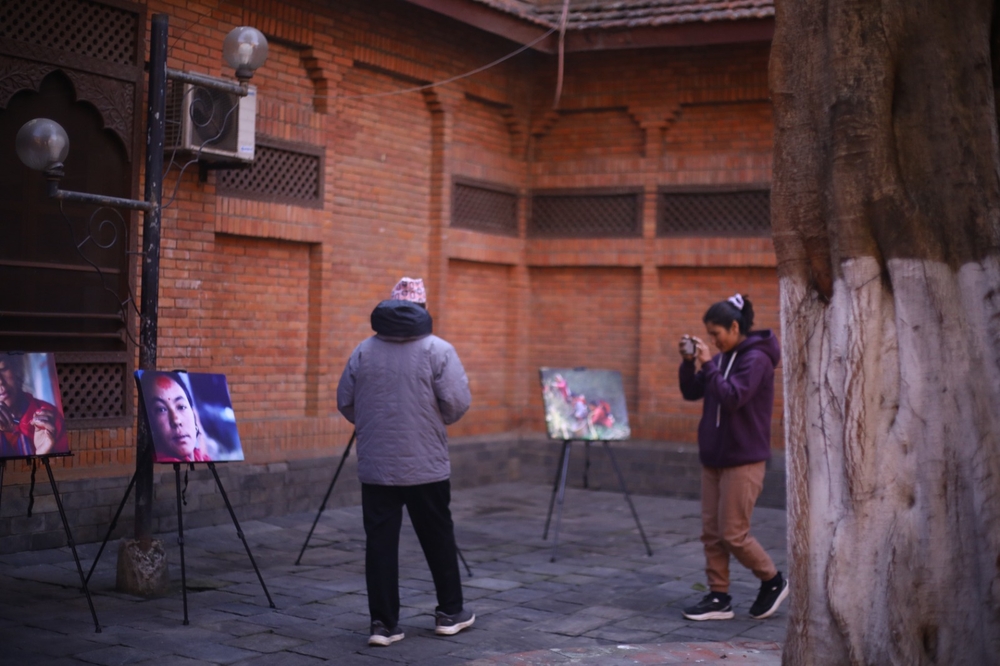
These pictures will be on display at the Film Development Board from Friday to the 28th. The closing ceremony will be held at the Tourism Board again on the 29th.
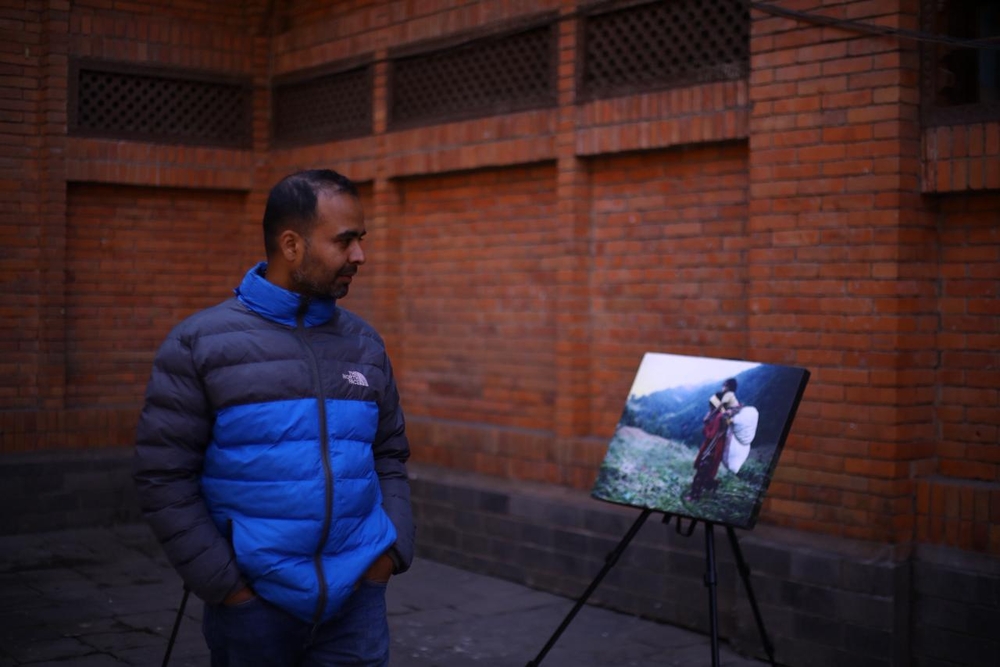
The daily life and household chores of rural women have been captured on camera. Dipendra has captured the daily life of 31-year-old Radhika Pahari, a resident of Bhumlu Rural Municipality-1 in Kavre, and her family.
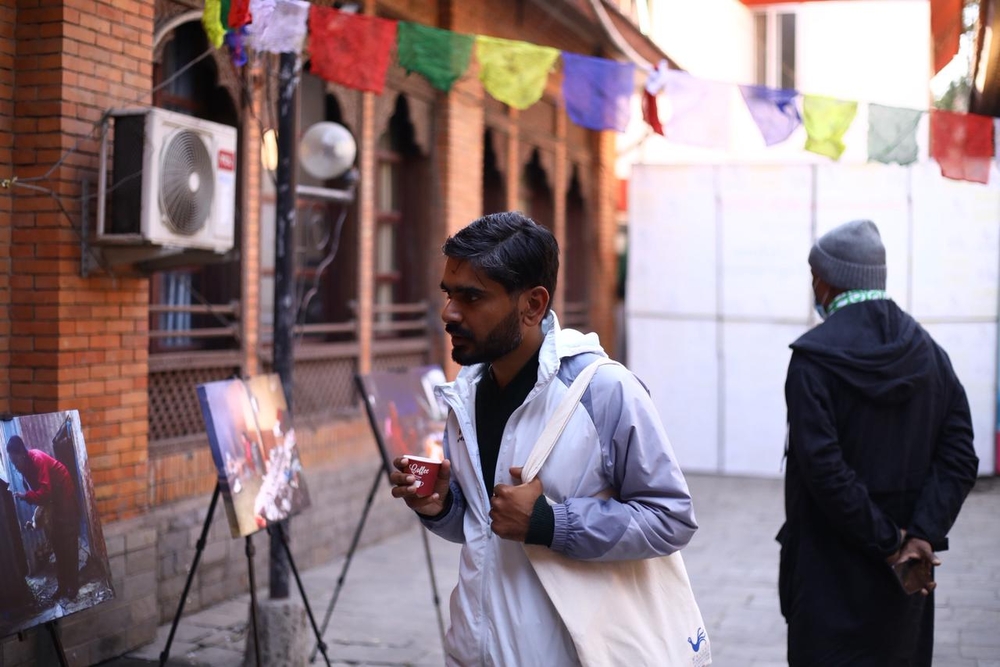
'I have shown the work that rural women do from morning to evening. Women are involved in the work of getting up in the morning and sweeping the streets, making and feeding the animals and livestock, taking care of the children and sending them to school, and then cutting grass and firewood,' said Dipendra. 'By the time the city people are ready to go to the office, rural women have already done a lot of work.' And, their work is not finished even by evening. However, the account of household work is not reflected in the economy. Society needs to keep an account of it and view it with respect and importance. To create pressure for that, I have made the life of rural women the main theme of the exhibition.
Journalist Dhungana has been capturing photos on social issues and in risky situations. Dhungana, who is associated with the Naya Patrika daily, was shot and injured in front of the Parliament building in New Baneshwor on 23 Bhadra while reporting on the Genji movement.

