Of the 465 police offices across the country that were vandalized and set on fire, 118 were completely damaged. With the help of the local community, 243 units returned to their original locations after extensive repairs and maintenance.
We use Google Cloud Translation Services. Google requires we provide the following disclaimer relating to use of this service:
This service may contain translations powered by Google. Google disclaims all warranties related to the translations, expressed or implied, including any warranties of accuracy, reliability, and any implied warranties of merchantability, fitness for a particular purpose, and noninfringement.
On 24 Bhadra, around 10 pm, a crowd of hundreds of protesters began to surround the police circle in New Baneshwor. The police tried to explain, but to no avail. The crowd was growing. The police fired tear gas to disperse them, but the protesters instead picked up tear gas canisters and threw them at the police. They even pelted stones.
When they set fire to the circle building at around 12:30, the police entered the nearby VS Niketan building to save their lives. The protesters arrived there. They searched the police and took them to the top floor. Then they started threatening them, saying, 'Should we take off our uniforms or should we throw them out from here?'
The innocent policemen quickly took off their uniforms. The protesters took them down. After reaching the street through the ground floor, the beating began. To save their lives, some of the policemen entered a nearby building, while others headed towards the river. They even chased those who entered the river, a video of which was widely shared on social media. The 15 policemen who were injured in that incident are still resting at home. The building of the New Baneshwor Police Circle was burned by the protesters as soon as the police left.
 The circle building, located on the banks of the Bagmati River near Tinkune, is now in ruins. On the top of the building, a blue board with white letters reads – Police Circle New Baneshwor. The circle’s services were then operated from the Kathmandu Police Complex, but since 1 Kartik, it has been shifted to the old building of the Citizens’ Investment Fund in Baneshwor. ‘This space is very cramped for police personnel and service recipients,’ says Police Inspector Pushparaj Thapa.
Police Constable Asha Chaudhary was on duty at the main gate on the day of the attack on the circle in New Baneshwor. When she had to protect her own life, she called her husband. Her husband brought the clothes she wore when she was at home. Wearing those, she secretly set off. She is now on duty. ‘Earlier, it was customary to come from home wearing police uniform, but now I feel scared. I come with normal clothes and change here,’ says Chaudhary. ‘Currently, there are many problems for women police officers in our office. There are also no proper toilet facilities.’
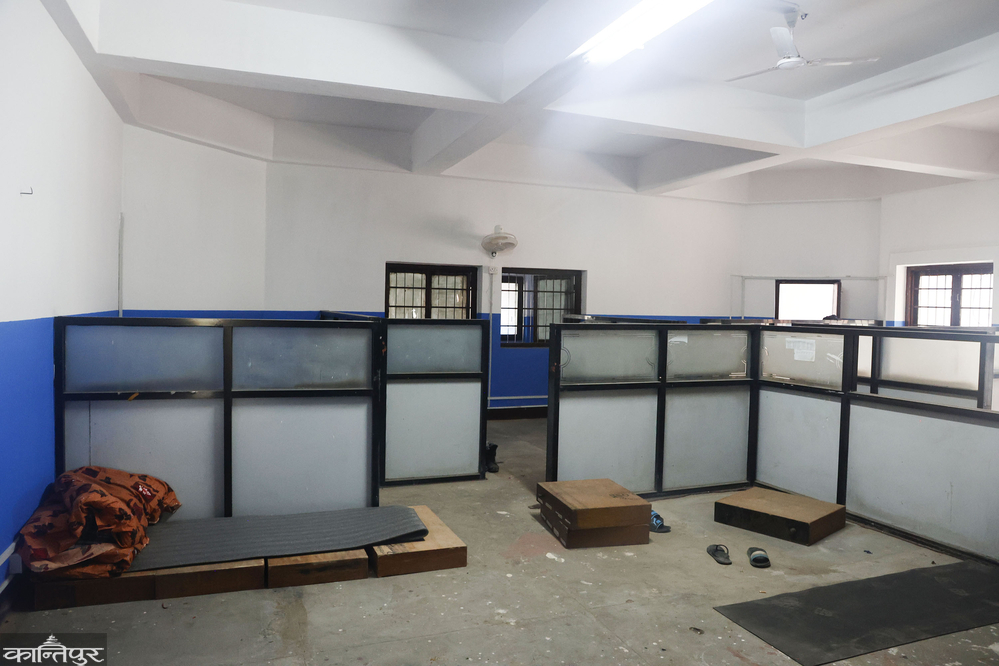 Police Circle Chief Deputy Superintendent of Police Hari Khatiwada says that efforts are being made to provide services in the same way as before even after the building was burnt. ‘It is becoming a bit difficult to provide services in an organized manner because it is a small space. Due to overcrowding, we have not been able to establish the same system as before. The accommodation for service recipients is also not good. Earlier, there were about 10 rooms for various branches including the case branch, promotion branch, special branch. Now we are operating services from two-three rooms and a tent.’
Police uniforms and personal belongings in the barracks were also burnt in the arson. Vehicles, motorcycles, computers, and documents were also destroyed. Weapons were looted. More than 60 detainees, including those arrested on charges of raping a 13-month-old girl, escaped. The repair of the burnt building has begun with the help of locals. Technicians say that the upper floor will be habitable after being demolished and reinforced, but it is not yet clear when this work will be completed.
There are 123 police officers working in the circle. The current building is too small for them to eat, go to the toilet, and operate services. There is no detention cell. When someone is arrested, they are kept in the Koteshwor and Kathmandu police premises. The New Baneshwor Circle looks after wards 10, 31, and 32 of Kathmandu Metropolitan City, as well as wards 7, 8, and 9 of Kageshwori Manahara Municipality. Kandaghari and Koteshwor divisions are under this circle.
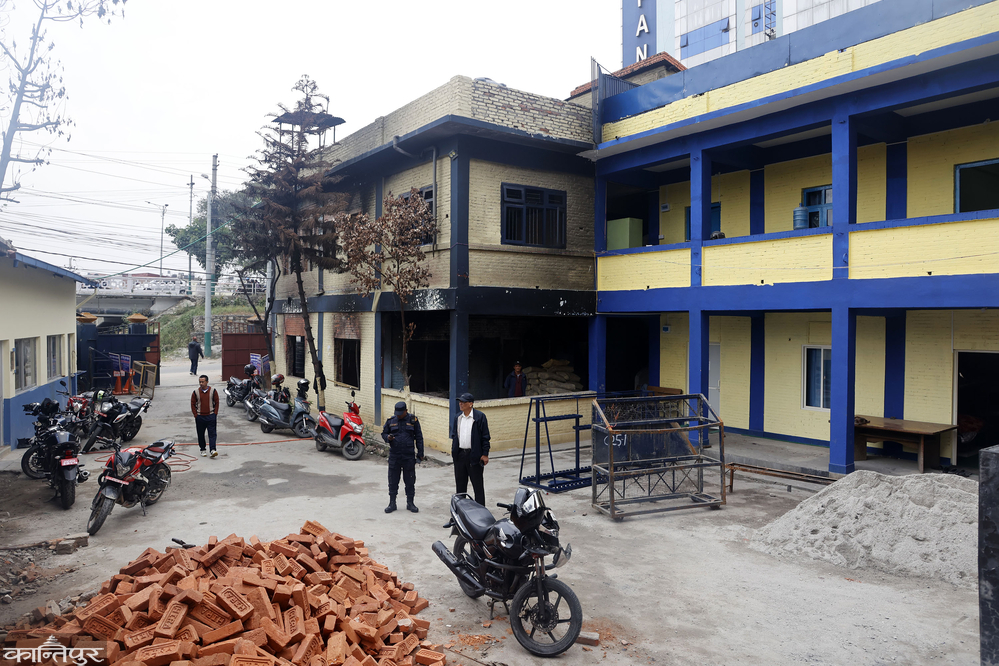 On August 23 and 24, 465 police offices across the country, including the police circle in New Baneshwor, were attacked and damaged. Of these, 118 police offices were completely damaged. According to Central Police Spokesperson Deputy Inspector General of Police (DIG) Abinarayan Kafle, 18 police offices will have to be demolished and rebuilt. “It is difficult to build some of these since they do not have their own buildings,” he says. “Currently, we are providing services from all offices using alternative buildings and offices.”
According to Kafle, the most damage has been done in the Kathmandu Valley. In the Valley, 64 offices were completely damaged and 146 were partially damaged. In Madhesh Province, 13 were completely damaged and 77 were partially damaged. In Koshi, 16 police offices were completely damaged and 41 were partially damaged, in Bagmati (excluding the Valley) 8 offices were completely damaged and 37 were partially damaged. Similarly, in Sudurpaschim, 10 police offices were completely damaged and 6 were partially damaged, and in Lumbini 4 were completely damaged and 10 were partially damaged. In Karnali Province, no police office was damaged, according to the Police Headquarters Naxal. 14 police offices in the Valley, 2 in Madhesh, and 1 each in Koshi and Bagmati are yet to be restored to their original locations.
On 24 Bhadra, protesters killed 3 policemen in Kathmandu. Sindhuli Police Assistant Inspector Malan Ray, Kaski Police Assistant Havaldar Amrit Gurung, and Darchula Police Constable Uttam Singh Thapa died after being beaten up by protesters. Ray and Thapa were working in Maharajgunj. An army helicopter rescued 24 policemen trapped inside the arson attack in Maharajgunj. Deputy Superintendent of Police (DSP) Niranjan Thapa, head of Maharajgunj Police Circle, says that despite the loss of life, weapons looting and physical structures being set on fire, the service has been restored to its original condition from the previous location. ‘We have been continuously deployed in service, realizing our responsibility to protect the society,’ he says, ‘and the locals also support us in this.’
***
Deputy Superintendent of Police (DSP) Madhu Kumar Thapa, head of Kalimati Police Circle, was deployed in the Maitighar-Baneshwor area on 23 Bhadau, the day of the Gen-G movement. A person in the crowd who had broken through the restricted area and moved forward hit him with a rod on his right leg. He reached the hospital only at 8 pm, after being deployed for duty with injuries.
‘After the doctor said I should rest for 10 days, I returned to the Kalimati Police Circle to rest in the barracks,’ he said, ‘On the morning of 24 Bhadra, I was in the office in civilian clothes. When the news came that a mob of people had started arson in Kalanki, I went with the team after injecting them with painkillers. But there was no way to control it. When we returned and reached Kalimati Circle, crowds from Balkhu, Kirtipur and Balaju had also joined them.’
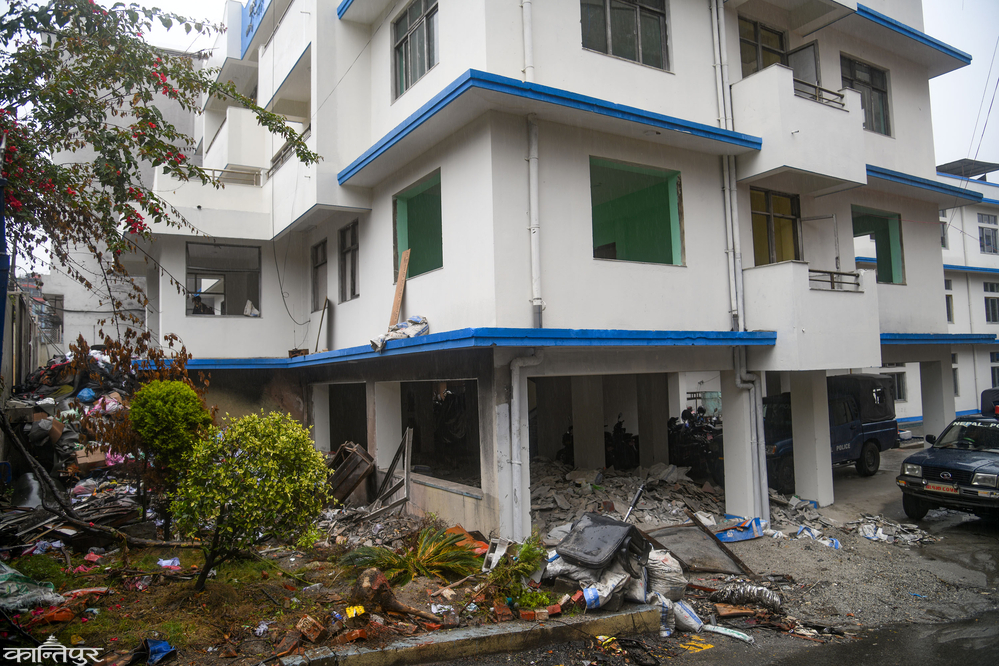 After the mob surrounded the office, the police appealed through the microphone, ‘We are staying inside the office, don’t do anything to us.’ But the mob did not listen to the police. Instead, they started throwing stones. After an attempt was made to snatch the weapon of a policeman at the gate, the police fired tear gas and lathi-charge. The mob did not disperse. The protesters demolished the gate. Even after using tear gas, it was difficult to disperse the mob. At the same time, a group entered and set fire to motorcycles and cars parked in the parking lot. There were only 192 motorcycles. ‘They had lit a glass bottle on fire and thrown it, it was definitely not just petrol,’ Thapa said. ‘Despite our efforts, the fire could not be extinguished. The fire spread in an instant.’
The protesters started saying that the police should be burned. Seeing that there could be casualties due to the arson, the police left Kalimati. ‘We reached the Kathmandu Police Complex with our weapons in our vehicles, and there was an attack there too. We worked to secure the complex until night,’ DSP Thapa said. ‘Only when the army came to the streets at night did the protesters’ activity decrease. Then at 11:30 pm, I went to Kalimati Circle with my team. When we reached, the office was already burnt.’ They returned to the Kathmandu Police Complex and went to Kalimati at 7 am the next day.
DSP Thapa was also deployed in the field in the Madhesh and Tharu movements. They say that they were able to keep their weapons, vehicles, and team safe on Bhadra 24 due to the experience at that time.
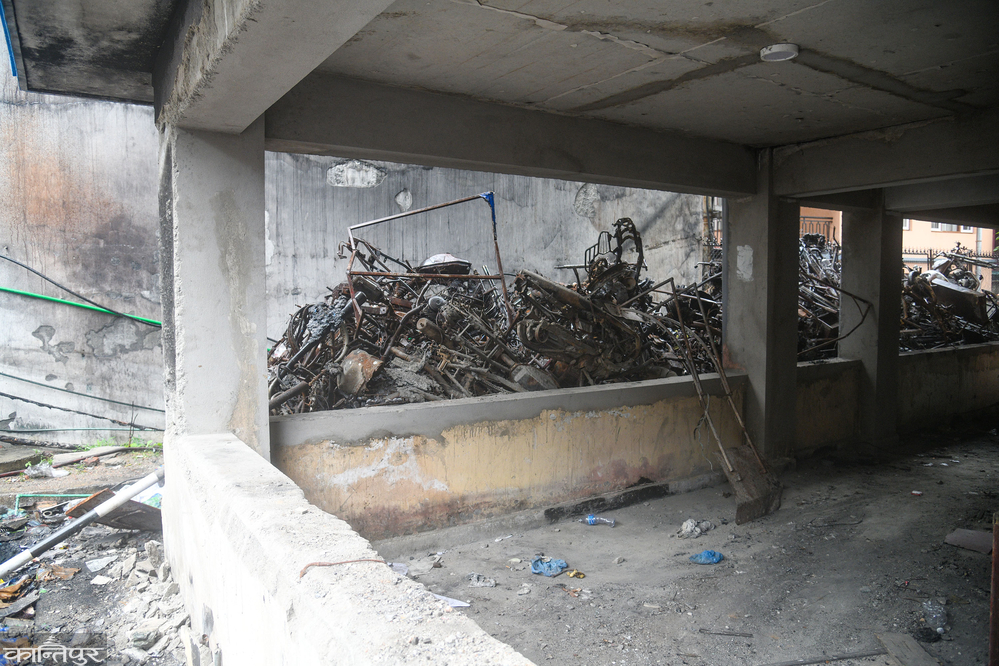 After the police team returned to Kalimati, the locals started arranging the necessary materials for them. The locals immediately bought about 200,000 worth of goods for the mess, making sure everyone had enough. The police's clothes were burned in the barracks. The locals also arranged for clothes and bedding. The police headquarters also provided some assistance in this. A Civil Security Committee was formed to operate the police circle in the old style. The committee is currently reconstructing the burned building. Work on windows, doors, wiring, etc. is underway. 58 rooms in two buildings in Kalimati will have to be prepared.
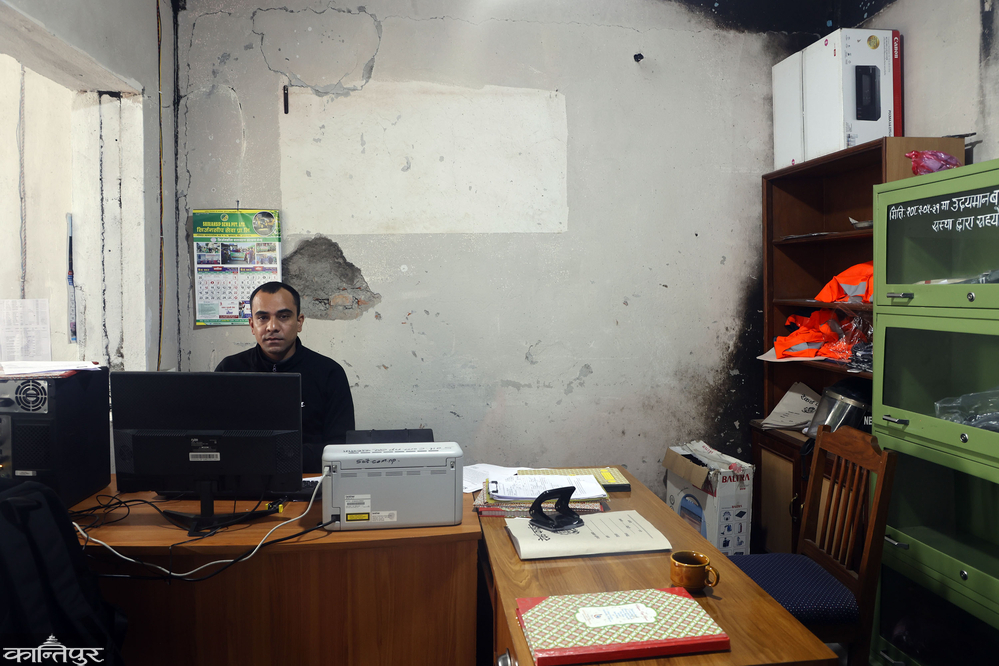
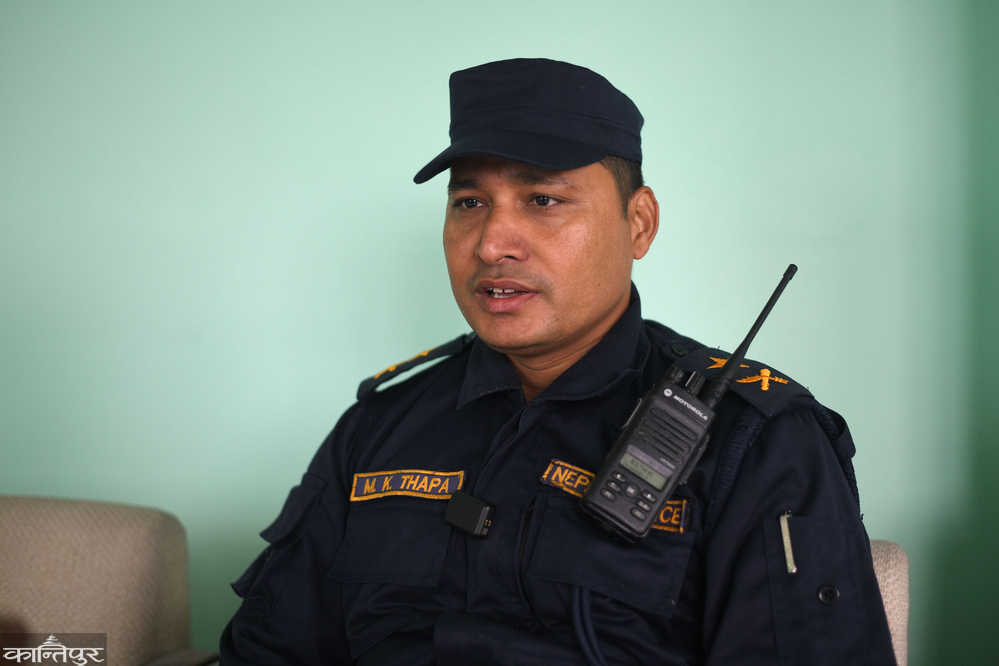 According to DSP Thapa, more than 10 million rupees have been damaged in Kalimati. 'So far, 2.5 million rupees have been spent on wiring, and 1.5 million rupees have been spent on painting, marble repair, and cleaning. Computers, tables, and drawers for office purposes have come from the Civil Security Committee,' Thapa said.
Due to the community's activism, the BITs and divisions under the circle were operational from 28 Bhadra. There are 5 BITs and 3 divisions under the Kalimati circle. Locals also helped in their operation. 'Now, all the policemen in the circle are engaged in public service. Since the physical structure and important documents were burned, it will take some time to return to the old rhythm,' says DSP Thapa.
***
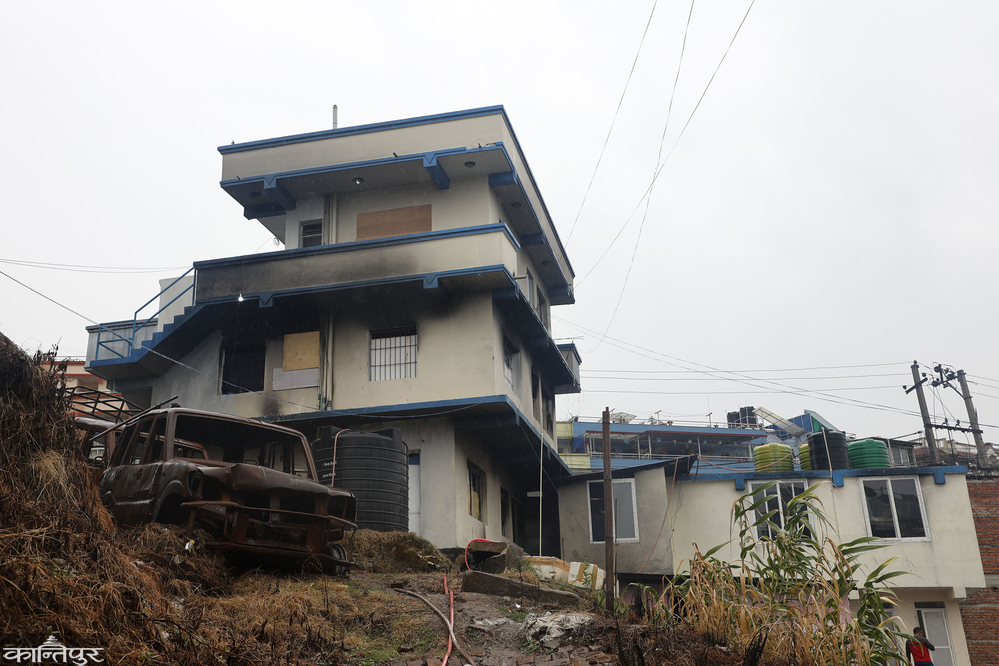
The police division building in Imadol, Lalitpur was also set on fire by protesters on 24 Bhadra. Windows, doors, tables, chairs and other materials were burned that day. The office that was set on fire is next to the road. The building itself shakes when large vehicles pass by.
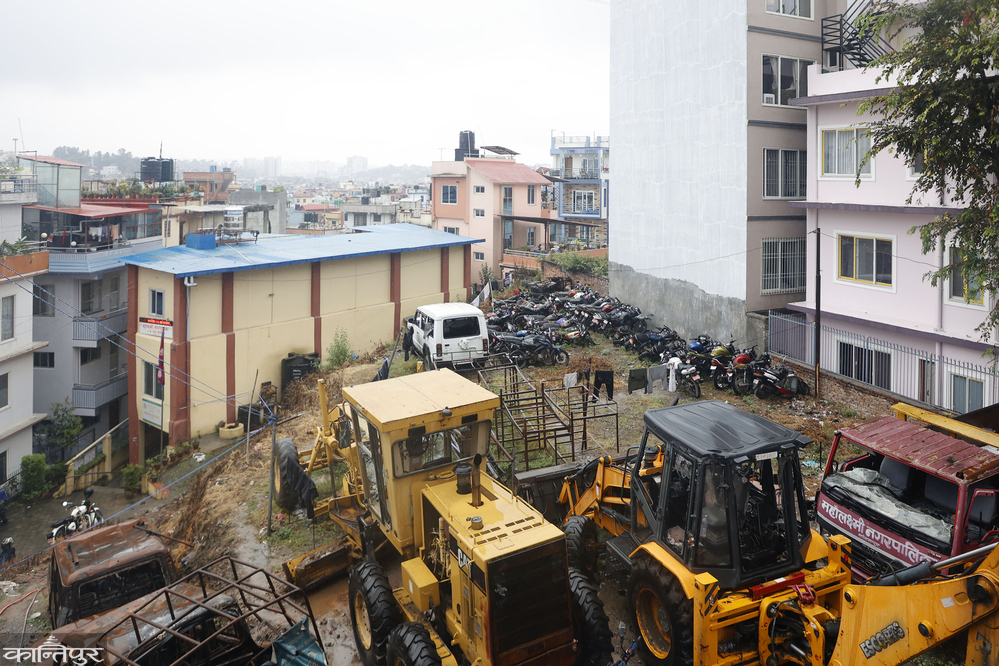
Technicians have said that the Imadol building is not habitable. But the police are operating from the same building. 'Our stay is chaotic. "We are forced to use water by using it," said a police officer. "When it rains, it easily enters through the windows and doors." A toilet has been built with plastic fences. There are 39 police officers working in the division. They are providing services even though they are staying in a risky building. They say that the security of weapons is a challenge.
 According to Senior Superintendent of Police (SSP) Hovindra Bogati, Chief of Lalitpur District Police Range, Mahalaxmi Municipality has taken forward a plan to construct a building for Imadol. He also informed that preparations are being made to house the police in a public building or a rented house for the time being.
Ward Chairman of Mahalaxmi-1 Tshiring Lama informed that since the police office is located within his ward, he has taken the responsibility of the construction. "We are working to complete the DPR of the new structure this month," he said. "We are also discussing the issue of temporarily housing the police in a rented or community building." He also informed that the municipality will arrange the expenses in case they have to stay in a rented house.
 On Bhadra 24, locals also tried to save the building of the division built in 2070 with the labor of locals. The police also dispersed the two groups by using mikes and explaining and using force. But later, a group of people who were not seen or recognized by the locals came and set the building on fire. The necessary materials including weapons and equipment there were also kept safe.
***
The Satdobato Police Circle, which leads the Imadol Police Division, was also attacked by protesters on Bhadra 24. The police of Satdobato Circle were deployed in the areas including Pushpa Kamal Dahal's residence, the Nepali Congress party office and others since the morning of Bhadra 24. The police stationed in Satdobato also sent explanations to about 10 groups that tried to vandalize their office. The locals also supported them in saving the circle.
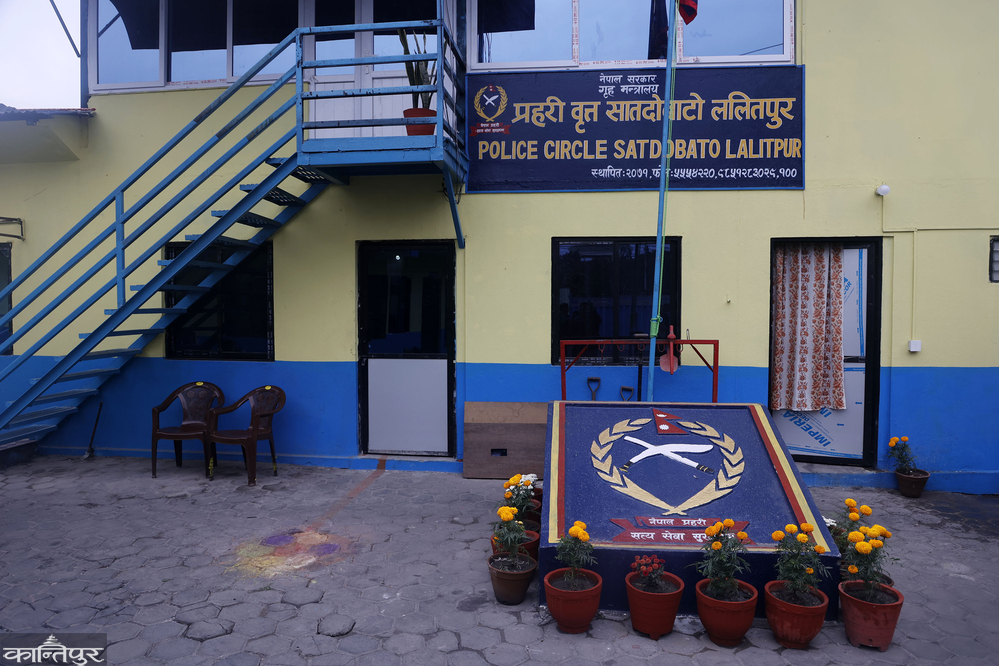 At around 3 pm, people who were not even recognized by the locals came. They set fire to the nearby Satdobato Traffic Police Office and pelted stones and set fire to the Satdobato Circle. The police and locals were unable to calm the hundreds of protesters. The police resorted to lathicharge, tear gas and air firing, but the situation did not come under control.
Finally, they secured their weapons and reached the nearby military barracks in the police office vehicle for self-defense. ‘The fire had already broken out, and there was no way the fire brigade could come,’ a police officer recalled. ‘Since there was no possibility of additional force, we left with weapons, essential documents and technical equipment.’ They had tried to go to the police complex in Lalitpur, but there was no way to reach there. After the fire started, the 44 detainees who were in custody were ‘listed’ and released.
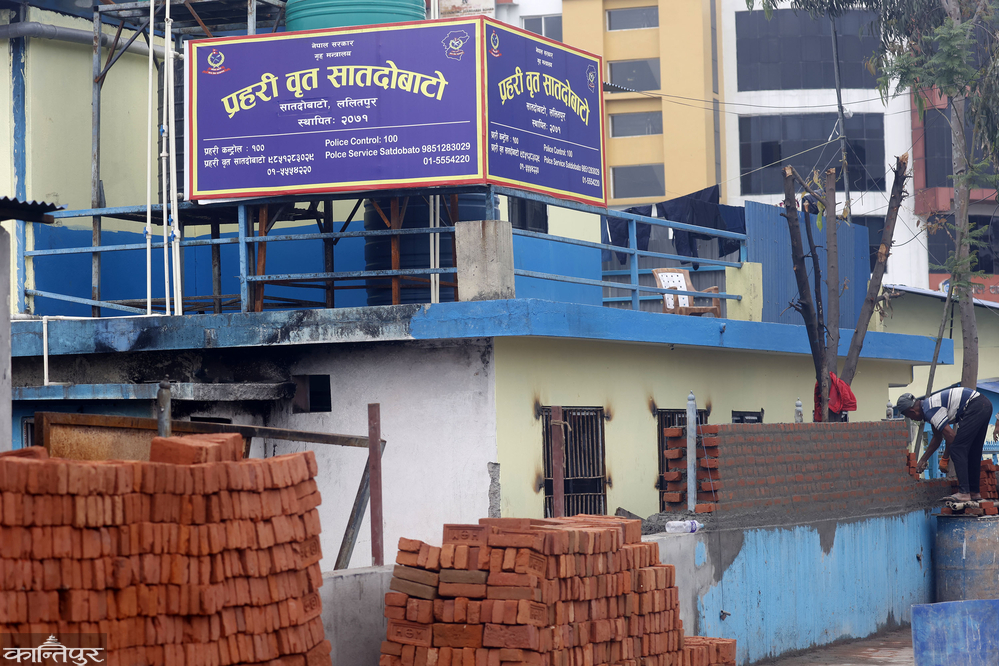 The next day, when the police returned to Satdobato Circle, the locals were busy cleaning up. Some were collecting burnt items. What to feed the police? They were also discussing how to manage the burnt clothes and housing. “When we were in danger of dying, we went to a safe place with our weapons, some case files and a computer,” said a police officer. “When we returned the next day, we saw that the local people had already started cleaning the area. This made us very emotional.”
Locals immediately provided 96 sets of soap, toothbrushes and other daily necessities for the police working in the circle. The community’s initiative has been to repair the office’s painting, plumbing and electricity lines. “The tables, drawers and chairs that were rendered useless after burning have also been repaired with the help of locals,” said Deputy Superintendent of Police Purnima Kumari Chand, Chief of Police Circle Satdobato.
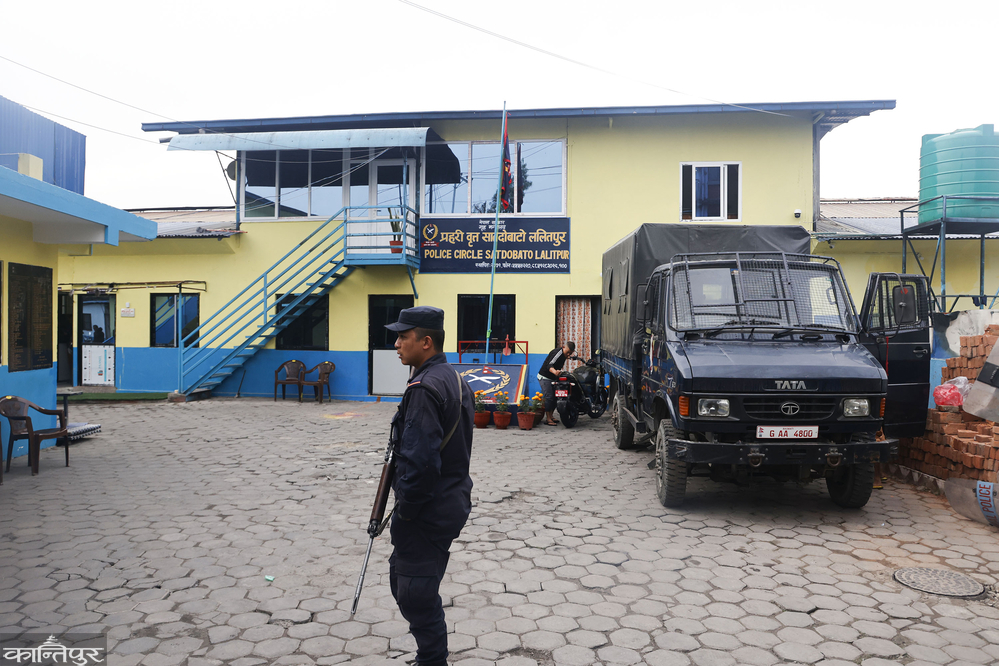 With the help of locals, Police Circle Satdobato is operating its services in the same condition as before. “I have never seen such a supportive community anywhere else,” said a police inspector who has been in the police service for 21 years. More than a dozen private motorcycles, mess materials and personal belongings in the circle were burnt. The police say that the protesters also looted.
***
Protesters had been trying to vandalize the police circle since the morning of 24 Bhadra. The situation was under control after the locals supported the police. But after 3 pm, a crowd gathered that the police could not control. Three policemen were injured in the attack by the protesters. The police also opened fire in self-defense. The police began to snatch their weapons. The police left the circle as it was seen that there could be major damage. By then, the protesters had demolished the compound and gate.
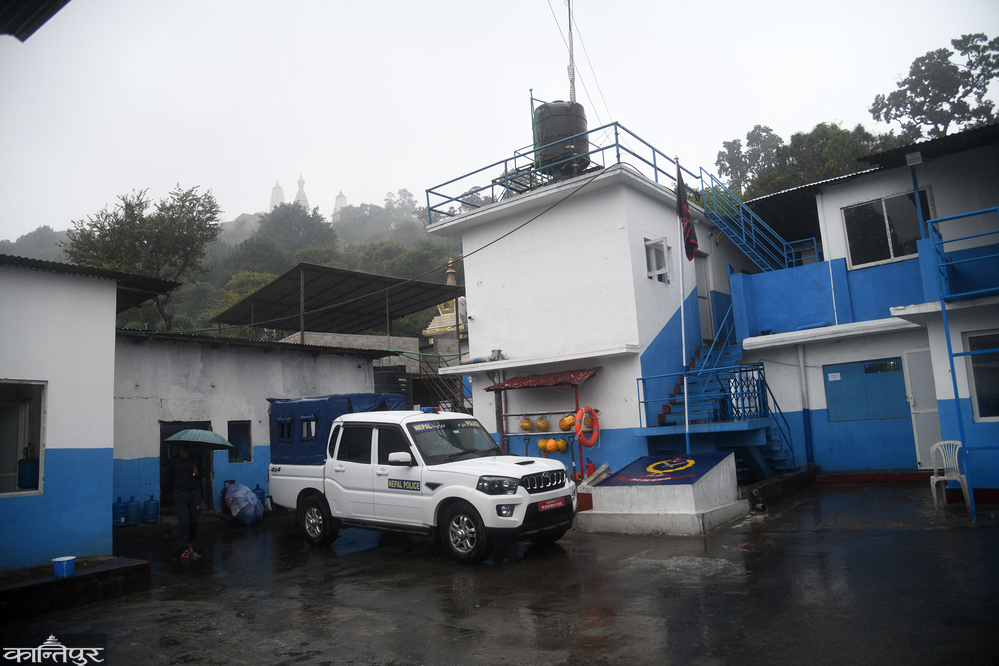 After the police left the circle, looting took place. Five vehicles, big and small, were burnt. No documents were left. A temporary simple building had been built on the land of the Guthi at the initiative of the police circle locals. The protesters attacked that same building.
After returning to the circle the next day, the locals spontaneously came to help. Some carried brooms to clean the area, while others provided financial and physical assistance for the reconstruction of the gate, walls, and building. Drinking water was provided. “On the first day, locals even brought food from their homes and fed us. After two days of hard work, a mess where food can be cooked and eaten inside the circle came into operation,” said a police officer.
 The Naxal Police Headquarters has provided two vehicles. Nagarjuna Municipality and Kathmandu Ward No. 15 have each rented one vehicle for a month. Mohan Mani Adhikari, Deputy Superintendent of Police (DSP) of Police Circle Swayambhu, said that although morale has dropped slightly due to the protest on Bhadra 24, the support of the local community has given us encouragement. “We are engaged in reconstruction with that energy,” he said. This circle includes Ward No. 15 of Kathmandu Metropolitan City and Wards No. 1 to 8 of Nagarjuna Municipality.
***
After the Gaushala building of Police Circle near the entrance to Pashupatinath Temple was set on fire on Bhadra 24, the police are providing services from Dharamshala. A temporary aid room has been set up near the burnt building. Arrested persons are being taken to the Kathmandu Police Complex due to lack of space.
The structures adjacent to the main building of the circle are also being reconstructed as they were damaged. The technicians have concluded that the main building can be reinforced and used. However, since it is expensive, it is being repaired with the help of locals. A temporary tent is being constructed for the circle with the help of various organizations, informed Deputy Superintendent of Police (DSP) Prakash Shrimal.
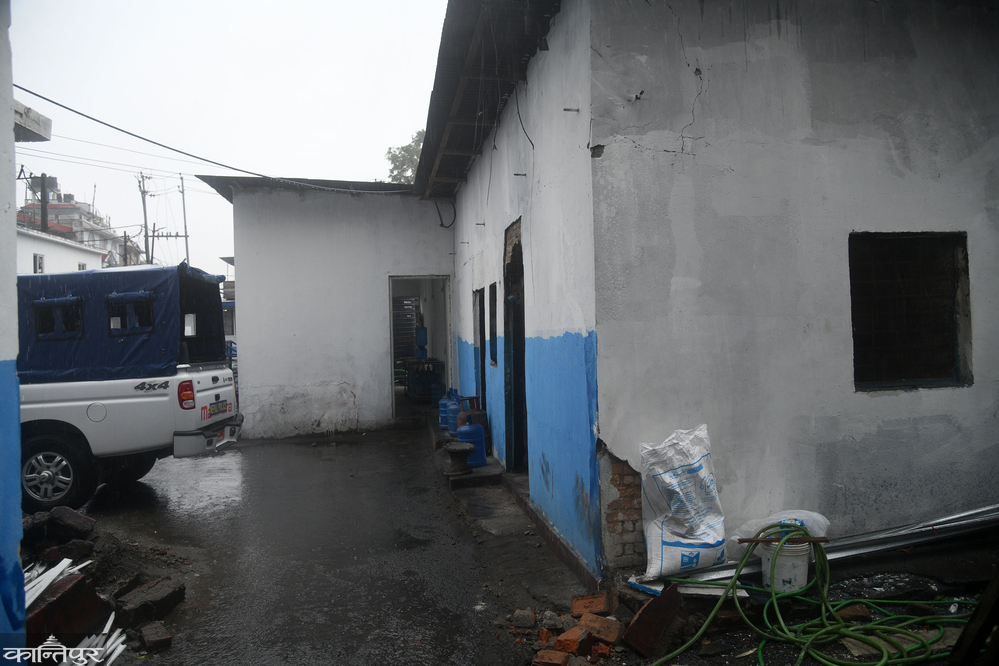 The protesters not only pelted stones and set fire to the Gaushala Circle on 24 Bhadra, they also looted the weapons of the police. One policeman was injured. After the protesters became aggressive, the police entered the airport for security. But they returned within a few hours. A policeman said that even though they are providing services to the citizens from the Dharamshala, it is difficult for the police to work on duty. ‘It is difficult to ensure confidentiality in the Dharamshala. We are in one room, the general public in the other. It is also a problem to keep our belongings and files safe,’ he said.
***
After the fire at the Police Circle Janasewa located in the Bishal Bazaar on New Road, the service has been operated from the Cultural Building. All the offices under this police office were burnt down except the police station in Tamsipakha, Ward-18, Kathmandu Metropolitan City.
 The Tamsipakha office was reconstructed in a cultural style last Bhadra. ‘It was seen that the locals stopped it from being vandalized as it is an original building,’ said DSP Krishna Kumar Chand, Chief of the Police Circle Public Service, ‘Coordination is being done with the local level to rebuild all the arson and vandalized stations in this manner.’
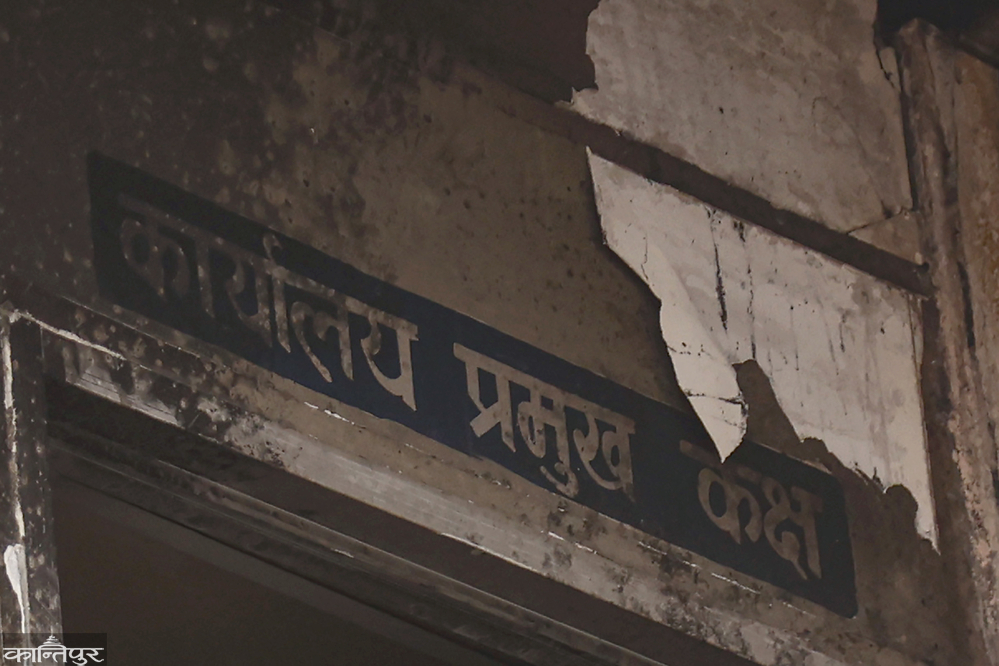 The local community has supported the reconstruction and maintenance of other police offices that were arson and vandalized. ‘No budget has been allocated except for regular maintenance. The reconstruction and maintenance of most of the buildings damaged in the incidents of 23 and 24 Bhadra are being done with the help of the locals,’ said Central Police Spokesperson Abinarayan Kafle. ‘Locals have also provided police mess materials, blankets and bedding.’
Photos: Hemanta Shrestha, Deepak KC, Dipen Shrestha/Kantipur

