We use Google Cloud Translation Services. Google requires we provide the following disclaimer relating to use of this service:
This service may contain translations powered by Google. Google disclaims all warranties related to the translations, expressed or implied, including any warranties of accuracy, reliability, and any implied warranties of merchantability, fitness for a particular purpose, and noninfringement.
The meeting of the International Bamboo Network (INBAR) was held at the headquarters in Beijing on Thursday. Forest and Environment Minister Ain Bahadur Shahi Thakuri came to Beijing on Tuesday to preside over the 13th session of the International Network for Bamboo and Rattan, Inbar Council.
As the chairing country, Nepal conducted various sessions. During the meeting, Minister Thakuri expressed his gratitude for trusting Nepal and giving him the responsibility of chairmanship, and welcomed Uruguay and the Dominican Republic as members of INBAR.
Minister Thakuri discussed the impact of climate change, conservation of biological diversity, sustainable livelihoods and the development of a green economy with transformative He said that this issue was discussed in depth in this meeting. Minister Thakuri was of the view that sharing knowledge and expertise among INBAR member states would help ensure global sustainable development efforts. He also discussed the important role of bamboo in reducing natural disasters.
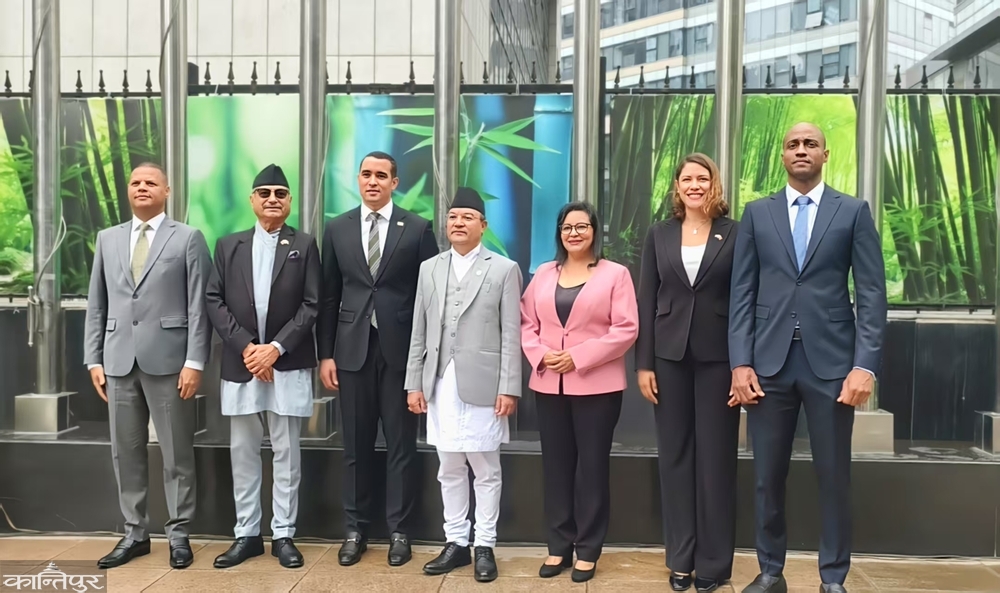 Nepali Ambassador to China Krishna Prasad Oli highlighted the importance of various species of bamboo and rattan found in Nepal and said that the role of bamboo in water and land conservation and livelihood is important. He said, 'Bamboo industry is important in employment, environmental protection, carbon sequestration, and ecological restoration in addition to boosting the national and local economy.'
Previously, the 13th session of the 12th Council of INBAR held in Beijing in 2023 unanimously elected Nepal as the chairman for the period from 2023 to 2025. Before that, he was the vice president of the Nepal organization.
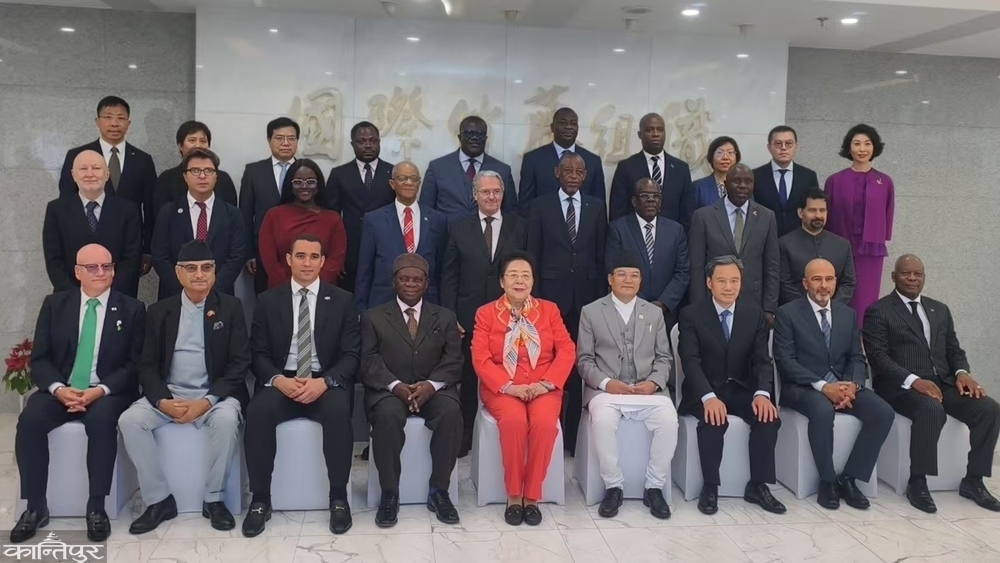 Nepal has taken the role of bamboo in efforts to promote the use of bamboo and replace plastic with bamboo. Disaster resistant housing, bamboo and rattan market development and other projects are being run in Nepal with the help of INBAR. Recently, Inbar has put forward a strategy to replace plastic with bamboo. At present, the number of INBAR member countries is 52 and the member countries are from Africa, Asia, America and Oceania, including the founding countries such as China, Canada, Bangladesh and Indonesia.
Five regional offices of INBAR operate in Cameroon, Ecuador, Ethiopia, Ghana and New Delhi, India to coordinate bamboo and rattan resource development and cooperation. When it was established in 1997, 9 different countries took its lead.

