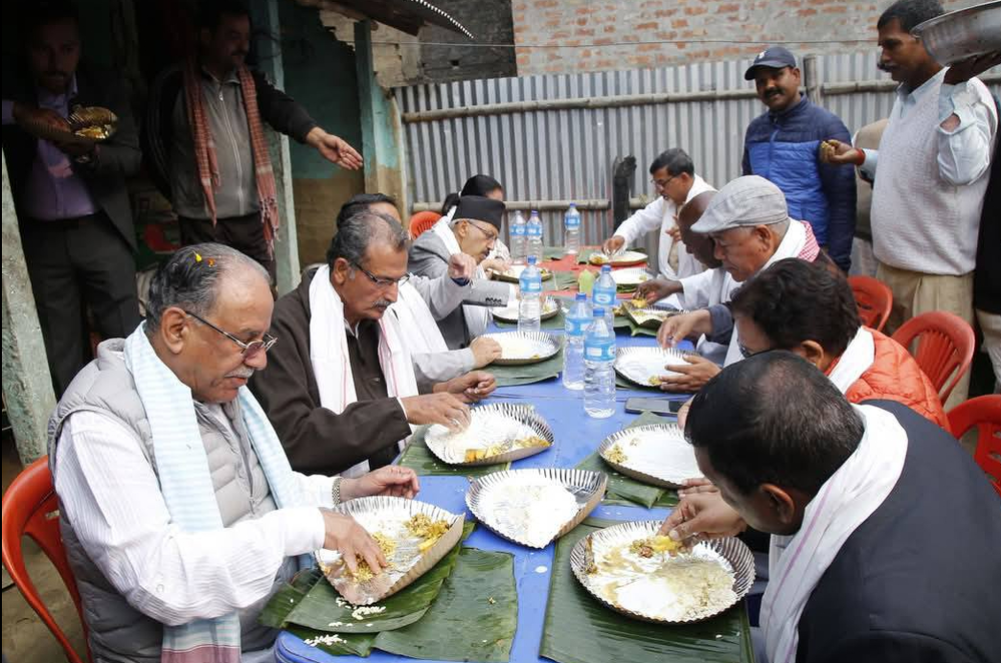
Leaders say- 'We eat and stay at local's houses, vehicles, platform construction and lunch are normal'
We use Google Cloud Translation Services. Google requires we provide the following disclaimer relating to use of this service:
This service may contain translations powered by Google. Google disclaims all warranties related to the translations, expressed or implied, including any warranties of accuracy, reliability, and any implied warranties of merchantability, fitness for a particular purpose, and noninfringement.
During the ten-year armed war, Maoist leaders, activists and fighters used to make local houses 'shelter'. He used to talk about the people's issues while interacting with the people. After nearly 20 years of coming to the same Maoist peace process, it is now on the 'long march'. The Maoist leaders are staying in the houses of the locals and trying to get in touch with them.
The Maoists have started a political campaign centered on the Hulaki Highway, which is about 1,857 kilometers long. About 200 people including President Pushpa Kamal Dahal are participating in the highway-centered Terai Madhesh "Political Long March". In which there are about 6 dozen leaders-activists who have gone from the center and the rest are local people.
Maoist long march started from Kachankawal in Jhapa. The campaign started from February 12 will reach Kanchanpur on Chait 12 and end. The Maoists said that the leaders and workers stay in the houses of supporters and well-wishers during the journey with the aim of directly connecting with the people.
Maoist's campaign has now reached Mahottari in Central Madhesh after completing Koshi Province. Co-in-charge Dharamsheela Chapagai informed that Jhapa, Morang and Sunasram in Koshi province have reached the assembly, interaction with normal expenses. "The expenses are not much because leaders and workers eat at the houses of supporters and well-wishers," she said. So we completed the campaign of Koshi with normal expenses . There is no situation for the party to incur debt. 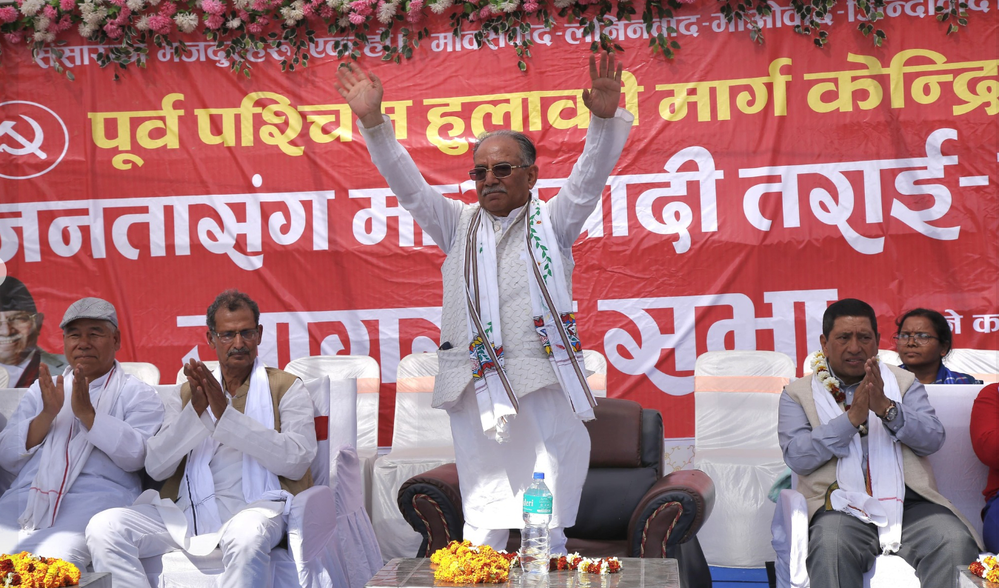 Although he is not a Maoist supporter, he says that he has found that some people are ready to accommodate the leaders. "This campaign of staying in people's houses, eating what they have and listening to them has been effective," she says.
The march named 'Maoist with Janata, Madhesh Tarai Jagran Abhiyan' came to Mahottari and took a break for two days. Officials along with President Dahal have returned to Kathmandu after taking a break from their journey. The central official meeting has reviewed the political march that reached the middle of Koshi and Madhesh. At the beginning of the
campaign, the leaders including President Dahal were staying at the house of the tribal Rajvansi in Kachankawal, Jhapa. There, Dahal had dinner at the house of Maoist martyr Sunil Rajwansi.
After completing the journey in the districts of Koshi and Madhesh, even after reaching Mahottari, the leaders and workers of the campaign continued to have dinner at the homes of the locals. They call it 'daily living style'. According to the Maoists, the accommodation of the leaders was arranged by the local party committee.
The province and district committees have taken charge of the management including the expenses of this political trip. Vice President and Spokesperson of Joho Nagar, Agni Sapkota, said that the party center spent for a month-long campaign. This campaign is entirely dependent on the people. There is no special cost after local supporters and well-wishers have arranged for accommodation,'' he said, ``People have been positive and enthusiastically helped with accommodation.'' gave . During the
campaign, as many interactions as possible were emphasized, the platform of the meeting was also made normal, and vehicles were operated with the help of party well-wishers during the journey, according to the Maoist . 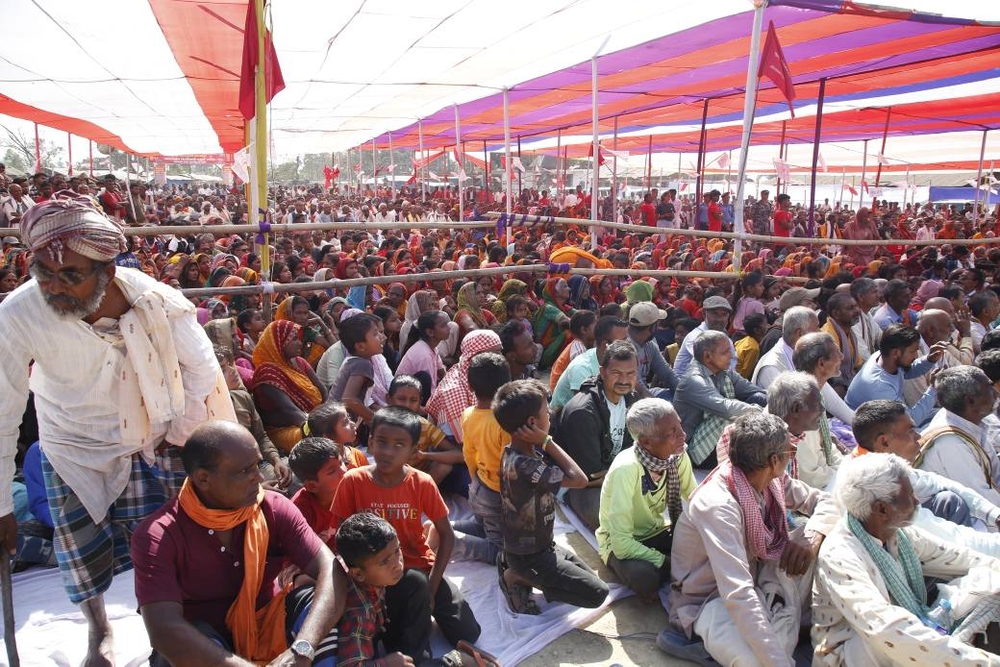
"There was no need to make a budget at the central level since the people participated," said Sapkota, "it is up to the people." is . Spokesman Sapkota said that Maoists campaigned in tribal, tribal, Muslim, Dalit and Musahar slums. Leaders who have gone from the
center live in different houses, there they have talked about the party's policy, the needs of the country and the problems of the locals. We lived in the settlements of various marginal communities. Those who eat and live there have had a new experience," Sapkota said. "The problems, interests, and needs of the marginal communities of Terai Madhesh are very different from what we see from above." The local culture, art, food, He says that Rahana Sahan has added excitement to the political journey.
During the Madhesh campaign, they wore kurta pajama to connect emotionally.
Leaders say that the campaign will start with Dahal's morning walk and continue till 9 pm. "We participate in the program from 5:30 in the morning to 9:00 p.m.," said spokesperson Sapkota. The memorandum has been discussed and understood with lawyers, farmers and workers. At least dozens of memorandums are received in every district. In the
journey, the Maoists have prioritized the party entry program . In the Terai Madhesh districts where the organization is weak, the Maoists have also carried forward the election campaign saying that 'Maoists must win for the liberation of Madhesi'.
This campaign is of multifaceted importance. The base has been prepared for the long term. In the past, the relationship with the people was thin . The class approach has weakened with the people," President Dahal has been saying in the campaign, "We have admitted that mistakes were weaknesses in the past. Maoist trust for Madhesi liberation.' 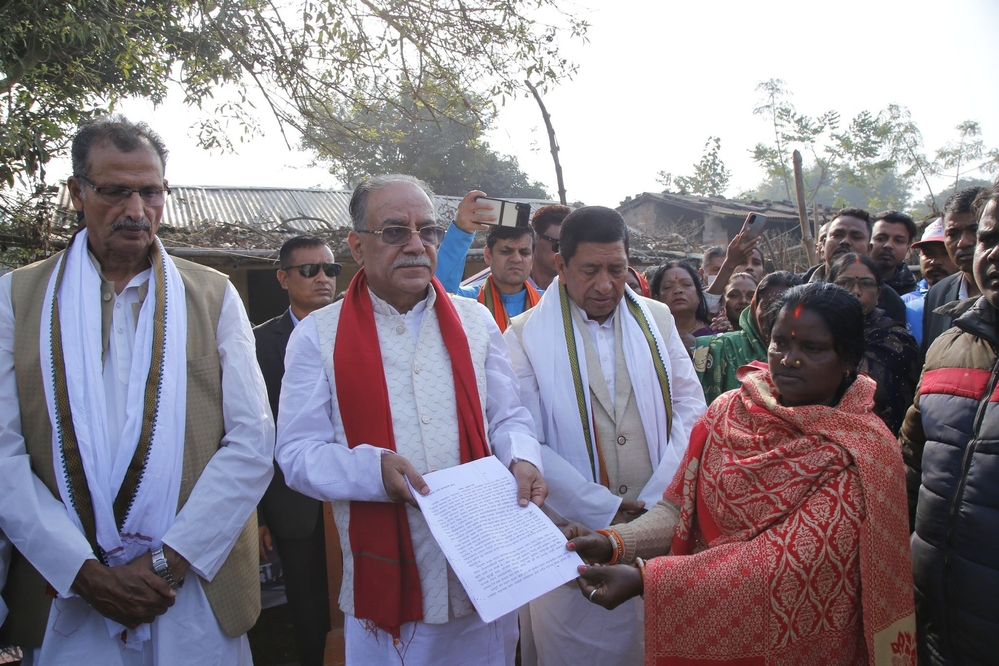 Maoists said that the issue of identity has been postponed and promised to emphasize the issue of identity in Koshi province. "Locals are excited after raising the issue of identity in the number one province," said spokesperson Sapkota, "It is a campaign to understand the sentiments of the people in Terai Madhesh."