Excessive mental stress, excessive caffeine intake, unhealthy diet, and irregular lifestyle can also increase breast pain.
We use Google Cloud Translation Services. Google requires we provide the following disclaimer relating to use of this service:
This service may contain translations powered by Google. Google disclaims all warranties related to the translations, expressed or implied, including any warranties of accuracy, reliability, and any implied warranties of merchantability, fitness for a particular purpose, and noninfringement.
A common but worrying question that frequently arises in the minds of many women is - "If my breasts start to hurt, is it cancer?" This question seems to cause fear and stress for many.
But the first thing to understand is that breast pain is not a symptom of breast cancer. Normal pain may not be a symptom of cancer. Cancer can only be suspected if symptoms such as changes in the skin of the breast, abnormal pus discharge from the nipple begin to appear.
Breast pain can be caused by various reasons. In most cases, it is normal and temporary. Breast pain before menstruation and during pregnancy can be considered normal. The causes of breast pain can be:
Hormonal changes: Breast pain, heaviness or sensitivity may occur due to hormonal fluctuations before menstruation, during menstruation or during pregnancy.
Infection in breastfeeding women: If an infection occurs during breastfeeding, the breasts may become red, swollen and painful. This condition is called ‘lactational mastitis’.
Small lumps or changes in the breast: Changes in the internal structure of the breast, such as small cysts or fibrocystic changes, can also cause pain.
Wearing the wrong size bra: Not wearing the right size bra can cause discomfort, a feeling of tightness and pain in the breasts.
Mental stress and lifestyle: Excessive mental stress, excessive intake of caffeine (tea, coffee), unhealthy diet and irregular lifestyle can also increase breast pain.
In most cases, breast pain is normal. If the pain persists for a long time, if you see an unusual lump in the breast, or if you see pus or blood from the nipple, if there is a change in the size of the breast, skin color or texture of the nipple, you should consult a doctor.
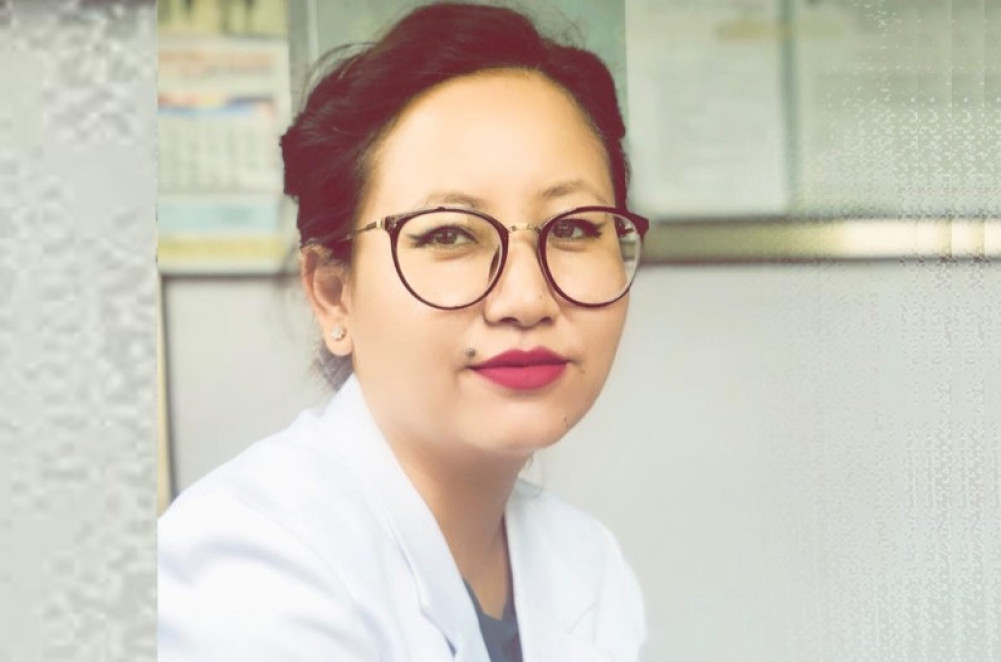
(Based on a conversation between Prakriti Dahal and Dr. Sujita Hirachan, a breast and thyroid cancer surgeon working at Tribhuvan University Teaching Hospital)