Is longevity the achievement of any festival? What should 'KIMF' have looked like by the time it reached the 22nd edition? Did its dignity melt like the snow on the mountains?
We use Google Cloud Translation Services. Google requires we provide the following disclaimer relating to use of this service:
This service may contain translations powered by Google. Google disclaims all warranties related to the translations, expressed or implied, including any warranties of accuracy, reliability, and any implied warranties of merchantability, fitness for a particular purpose, and noninfringement.
If there is a festival that has been successful for a long time in Nepal, it is the Kathmandu International Mountain Film Festival (KIMF). Kimp completed the 22nd edition just last week. In terms of continuity, Kimf is one of the oldest film festivals in Nepal. Festivals such as the documentary festival 'Film South Asia', the 'Nepal International Human Rights Film Festival' which raises the issue of human rights, and the 'Nepal International Film Festival' which includes commercial films are being actively organized, but how many editions will these festivals travel? Meanwhile, much-awaited festivals like 'Adivasi Tribe Film Festival' and 'Ekadeshma' ended their journey midway.
After all, how long will these festivals take place? This is the question that comes to the mind of director Meen Bham when he thinks about the financial challenges faced by the film festival! Let's get into the financial side a little bit, first let's look at Kimpf's 22 year journey.
Nepal's first festival Film South Asia (FSA) started in 1997. Then started in the year 2000 – 'KIMF'. Until 2005, these two festivals were under Himal Association, the then executive director of that organization was Vasant Thapa. KIMF, which was held every two years, became annual from 2007. Meanwhile, Kimf started giving a platform to young filmmakers through Nepal Panorama from 2007. Many Nepali filmmakers were born from this platform. Once upon a time filmmakers used to scramble to make films for this platform. Be it Meen Bham's 'Basulli' or Deepak Rauniyar's 'Chaukathi', Kimph became the first platform for Meen Deepak to Kesang Cheten. In a special sense, Kimf has passed the teenage stage and has become a young man. But does young Kimp still have the same zeal, energy and purpose as in the early days? What is the maturity that is emerging in Kimph as he enters his youth? Is longevity the only achievement of a festival? What should Kimf have looked like by this time? How many times should this festival be expanded? Or how high the height of Kimf became in the wider and quality? Did Kimp's height get taller or shorter when he arrived in the 22nd edition? That its dignity melted like the snow in the mountains? Review is necessary.
Vasant Thapa Kimf, who has been the director of the festival for a long time, admits that it has not become bigger and better than expected. "The kind of larger and quality festival that I thought, it is not happening. Be it in terms of quality or audience participation, it is important to have a festival that attracts big celebrities. You should be able to spread the message to the world that you must go to the festival in Kathmandu. We can sell this soft power of art in the world market,' he said recently.
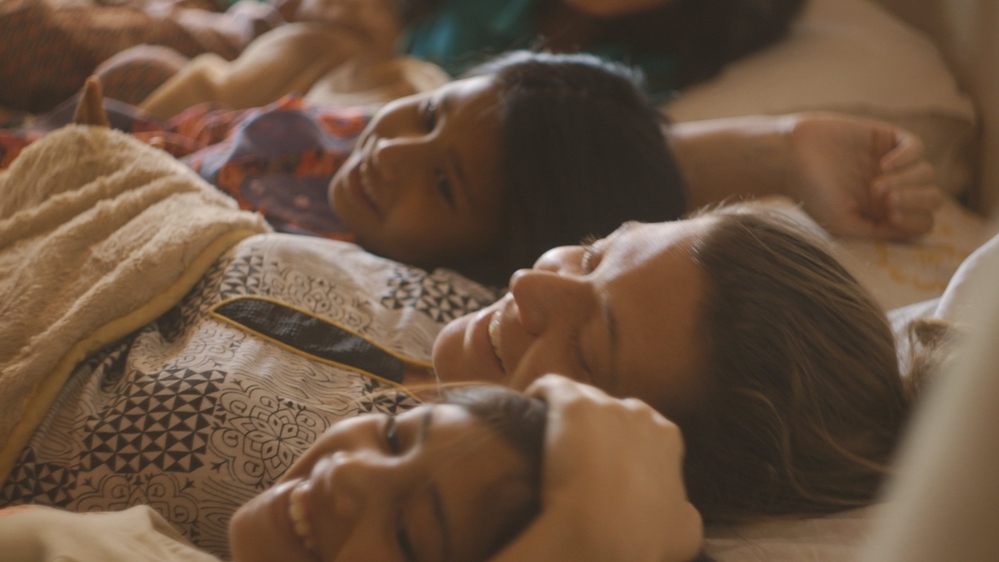 film: Between the Mountain and the Sky
In particular, as he said, until now, Kimf had to attract the world market, such as Cannes, Venice and Berlin, the world's prestigious film festivals. There should have been a commentary among the world's filmmakers that 'we have to reach Kimf anyway'. Kathmandu should have been identified as the hub of the most powerful festival in South Asia. Not only one can count on one's fingers, so far many talents had to be nurtured by giving them a platform. KIMF is giving talent a platform, but it doesn't seem to be a practice to nurture that talent. Berlin, Locarno has platforms like 'Talent' to 'Academy' that nurture, mentorship and 'exposure' not only filmmakers but also talent associated with many genres related to film. However, it is a pity that there is no vision to nurture Nepali talent in the annual festival in Nepal. However, Kimf is launching 'Nepal Panorama' targeting young filmmakers. But who is responsible for providing mentorship or follow-up to the filmmakers who have shown the film once through that platform? Director Dipendra Lama is of the opinion that this kind of festival should develop this field by following up the work and activities of filmmakers. The young director who showed the film at KIMF around 2015 says, 'We actually made a documentary for KIMF at that time. Our documentary got a good response, Kimf gave us a platform. But what about our next journey? Kimp didn't even follow up with us.'
, in particular, KIMF should not only provide a platform, but also connect filmmakers with the global market. If they only provide a platform and do not connect with the market, those filmmakers will disappear. Where have most of the young filmmakers who once had a strong presence at KIMF gone, what are they doing? At a glance, Kimf appears to be only slightly higher than it was yesterday. It can be said with the words of Basanta - Kimf couldn't have been bigger. After all, who's fault is not being able to make a festival like Kimf bigger? Of the leader of the state?
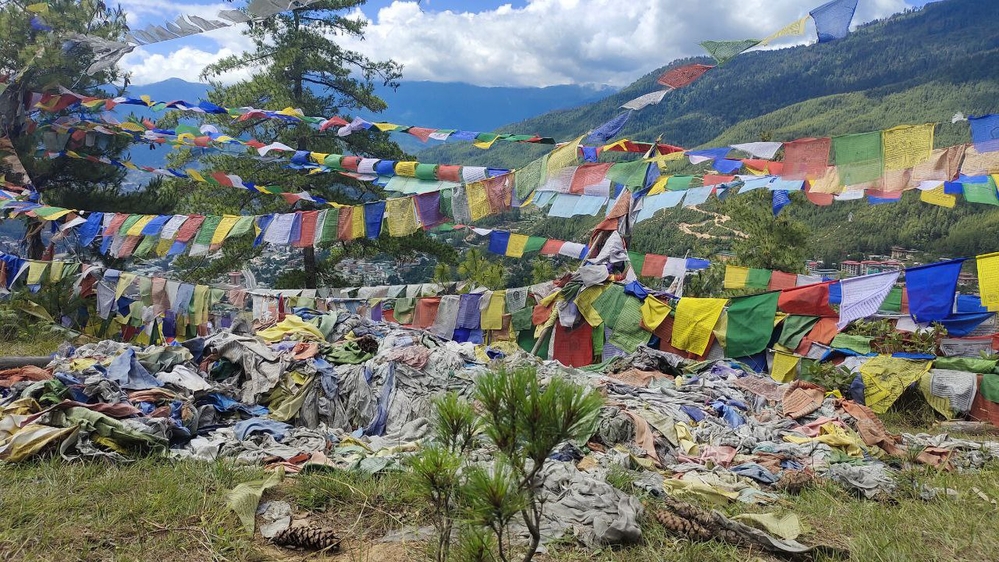 film: Butterfly Bhutan
According to director Naveen Subba, Kimp distanced himself from commercial films by already embracing the mountain genre. Especially from this year, Kimf started 'Doclab' to pitch documentaries. However, Kimf could have produced filmmakers in the mountain genre by setting up these kinds of workshops. However, how many directors/experts/people who tell stories in the genre of mountains were born in 22 years? From the Sherpas who are connected to the mountains, many human resources could be trained and established as mountain genre filmmakers. However, Kimf was not very interested in that. 'Doclab', launched targeting South Asia, is Kimp's biggest achievement this year. It is a positive aspect of KIMF to build a platform where filmmakers from South Asia can pitch documentaries on this platform and win awards. Kimf should have started a workshop to produce filmmakers who would make films in the same genre as doclab. However, it is a good thing that "Dock Lab" started in the style of "Dhilo Ayo Kada Ayo". In the
international category, strong films were selected this shift. As expected, Nepali filmmakers' films were also shown at Nepal Panorama. A powerful documentary like 'Between the Mountain and the Sky' was shown at the festival while being screened in America's halls. The documentary explores various aspects of family, love, unity and reconciliation, from CNN hero Maggie Doyne's social service through personal experiences. Be it India's choice of 'Kotukalli' or France/Pakistan's 'Sophie Lavaud', these films showed powerful stories with a strong sense of the mountains one must climb to live their dreams, love and desires. Be it 'After the Snowmelt', where he spends 47 days in a remote cave in Nepal begging for life, or 'Tentigo', which tries to show the shame, the life hidden within dignity, this time Kimf showed films with different voices like the slogan of 'Kandit Awaz, Nirman Bhasya'. Be it 'Swari Sahitya' or 'Songs of Love and Hate', it became a witness to the different voices and uses of Nepali talents - Kimf. Despite this, why couldn't Kimf be even bigger?
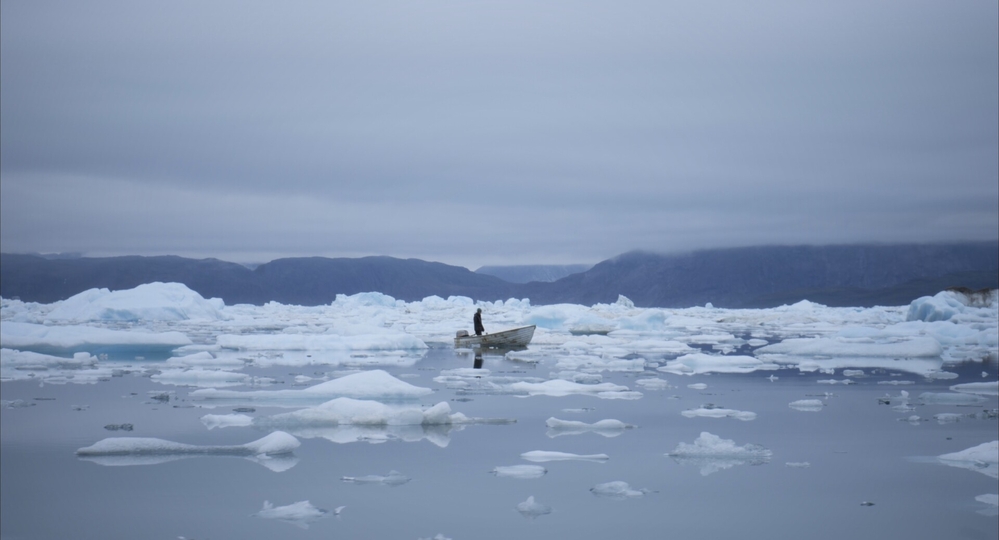 Film: Entropy
Kimf is unable to make his 'model' clear, director Subba adds, adding that the larger form of the festival is not visible. He says that the Nepali Film Festival should make itself bigger. There is an African saying, if a cat wants to become a tiger, it must stop eating mice! Therefore, there may be a lack of budget and manpower. However, the film festival here should have the dream of becoming as prestigious as the world's festival,' said Subba, 'the ambition to make KIMF bigger and a strategy should be made accordingly.' Ever since it started in Nepali films, we have been seeing the effectiveness of Kimf. At that time, it was said that let's watch a film at KIMF, make a film for KIMF,' Ghimire says, 'But, as a festival could grow and develop in 22 years, it didn't happen.' This year, KIMF has definitely started a new work. Five women filmmakers got to narrate their films at Katakatha's live pitch. Among them, three women received support from pre-production expenses for film production. Kimf became a big 'exposure' for those filmmakers. The KIMF platform has been created, but how to connect that talent with the market? Major film festivals around the world, especially Cannes, Venice and Berlin, have a number of marketing-related platforms to market for films in production. Where filmmakers around the world can find markets for their films, co-productions can be found for film production. The festival brings together the filmmakers and the market and shows the option of collaboration. However, Nepali film festivals are still weak in terms of market. In that case, should the world's filmmakers be Kimf Hos Nif? Why should there be a compulsion to come to any festival in Nepal with a smile?
The biggest challenge faced by festivals in Nepal is financial resources. The film's parent organization 'Chalchitra Bikas Board' allocates some money in the name of support, but that too turns out to be 'cumin in the elephant's mouth' and due to lack of funds, the festival has not been able to be made bigger, according to the organizers who have been organizing the festival. Due to the economic aspect, this time, Kimf was drawn into the dispute of Tibet. In particular, this year, when Kimf launched the Jizhang Panaro in collaboration with China, many Tibetan organizations protested that the panaro should be removed. Especially if it had received sufficient financial support from the Film Development Board, the Ministry of Communications, Kathmandu Metropolitan City and other private sectors, there would have been no need for KIMF to start this kind of panorama in the 22nd year. Having said that, it seems that Kimf is not aware of such cooperation because of funding. Kolni Gakkan, who won the Audience Award for 'Family Man', believes that Kimf should be able to maintain peace on such a matter. The introduction of this kind of festival is very important. Such a festival should be able to maintain peace. Peace should have been maintained even in the dispute that happened this time," he said.

