We use Google Cloud Translation Services. Google requires we provide the following disclaimer relating to use of this service:
This service may contain translations powered by Google. Google disclaims all warranties related to the translations, expressed or implied, including any warranties of accuracy, reliability, and any implied warranties of merchantability, fitness for a particular purpose, and noninfringement.
I wanted to disconnect from the world of Dhapedi for a few days and connect with the Himalayan geography. And, we went on the Kanchenjunga trek. This trip to the remote part of eastern Nepal is as exciting as it is difficult.
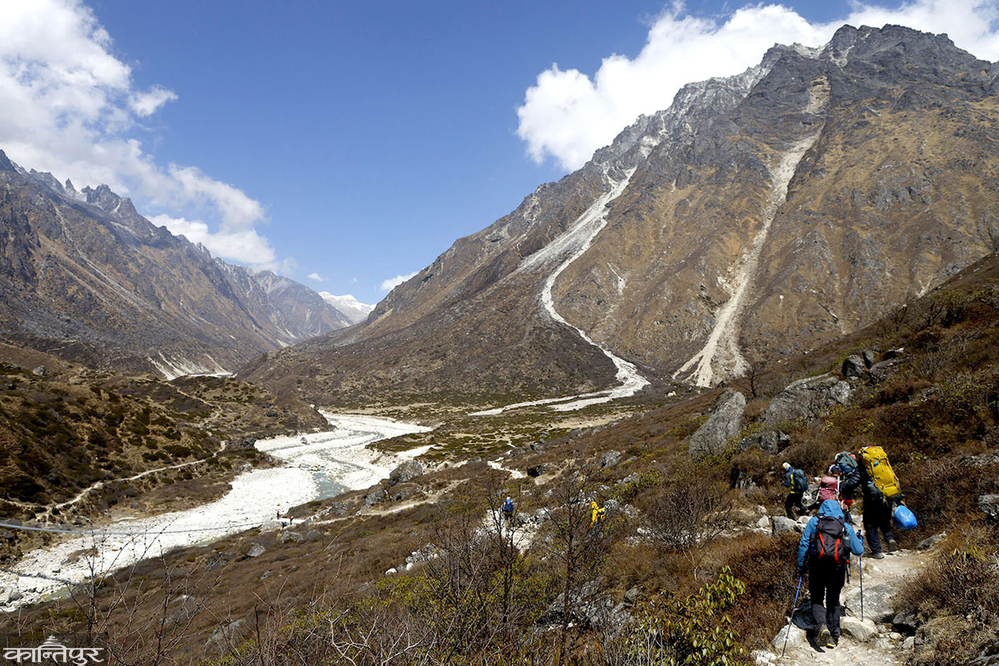
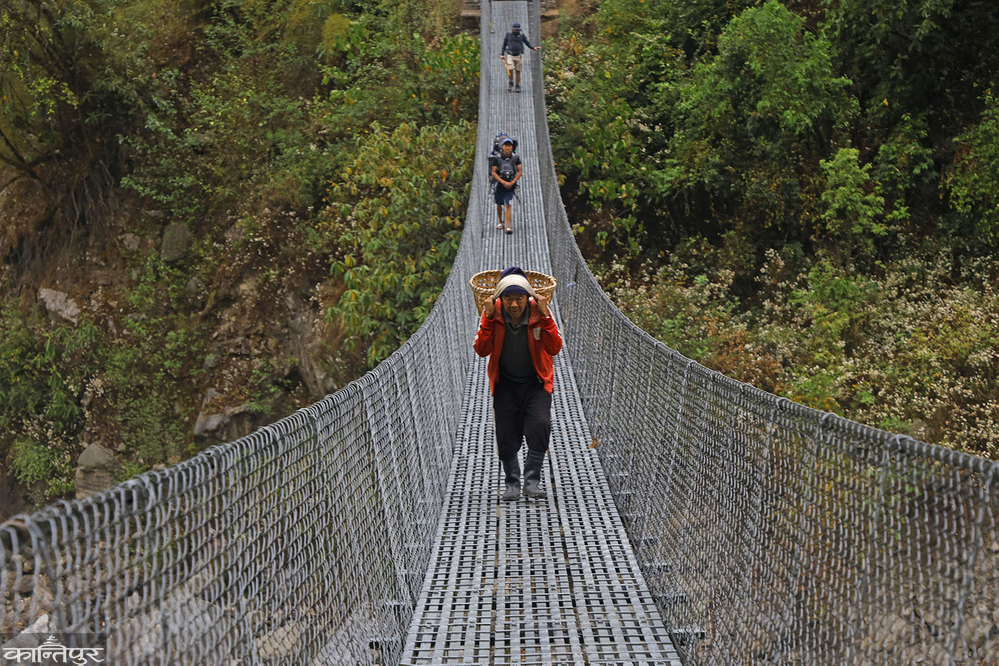
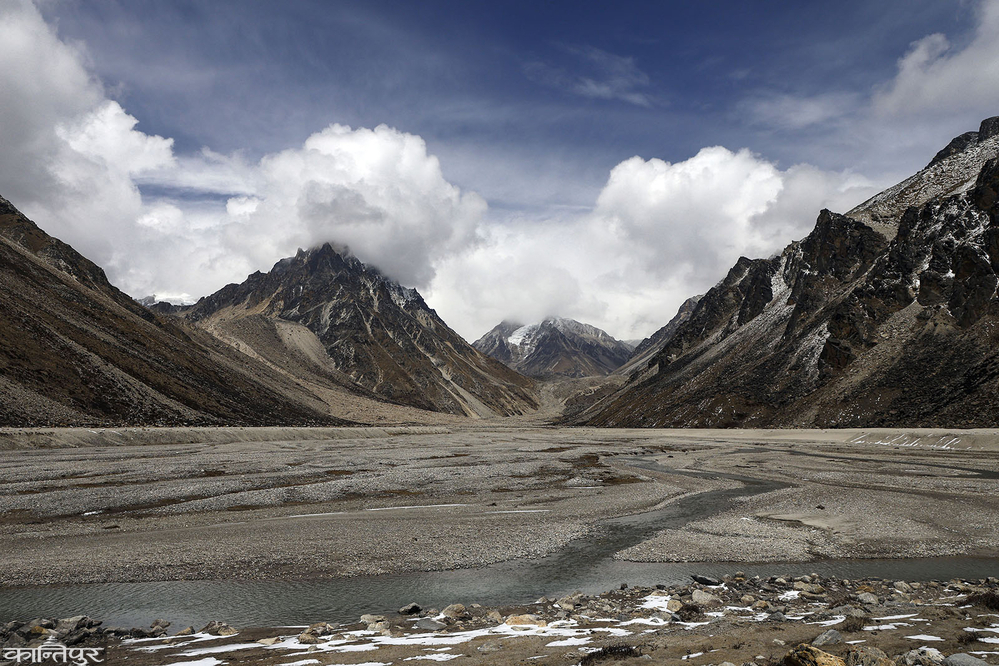
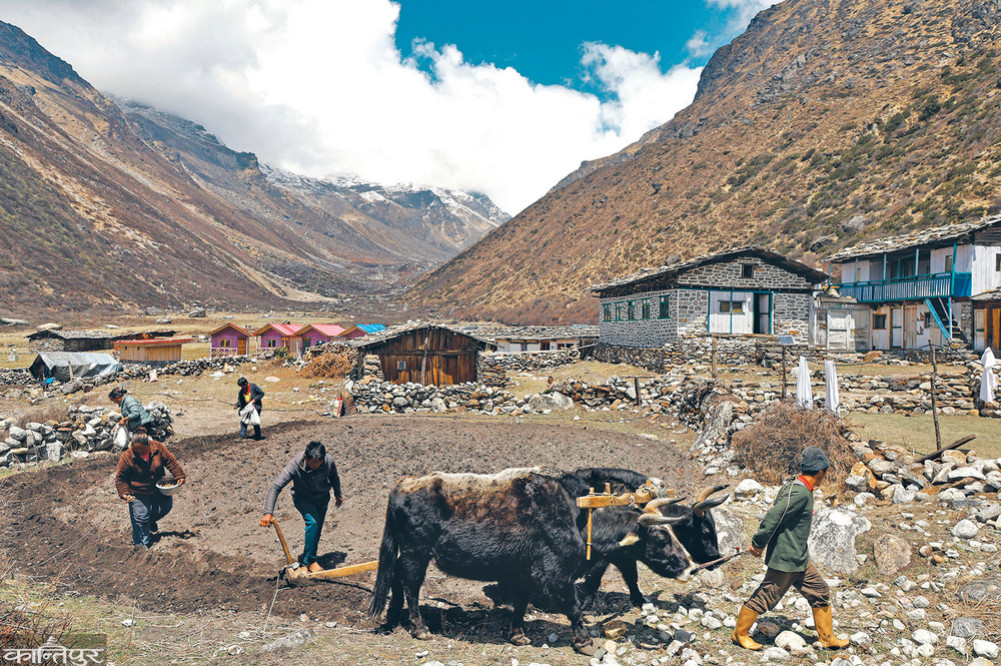
Kanchenjunga (8,586 m.) is the third highest mountain in the world and the second highest mountain in Nepal. This journey starts from Taplejung which is connected by road and air. Following the river and forest via Chiruwa and Lelep, the road ends at Sekhamut in the Kanchenjunga Conservation Area and this is where the real journey begins.
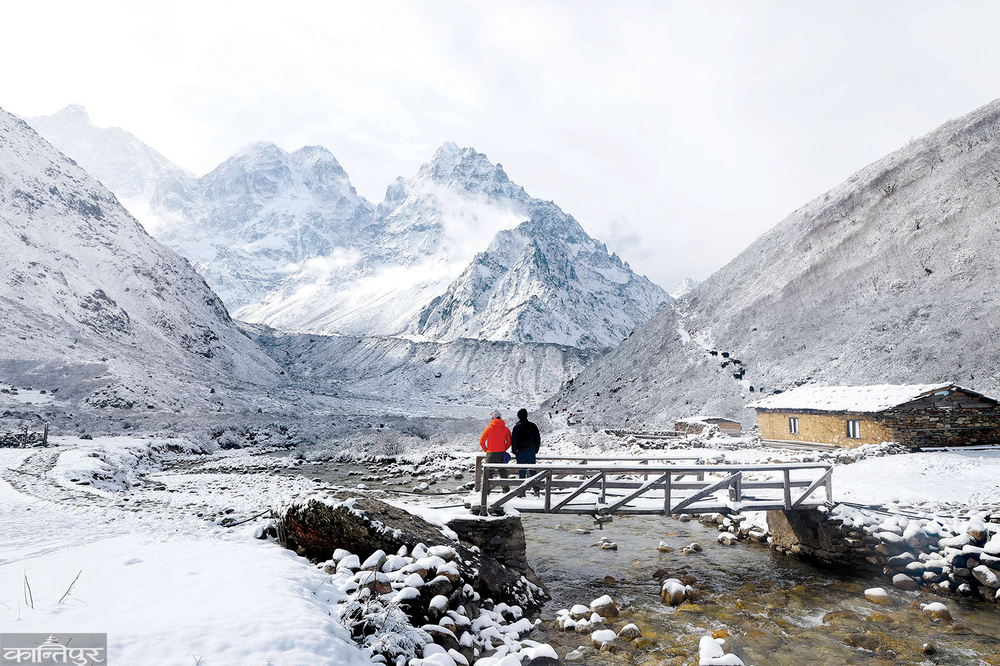
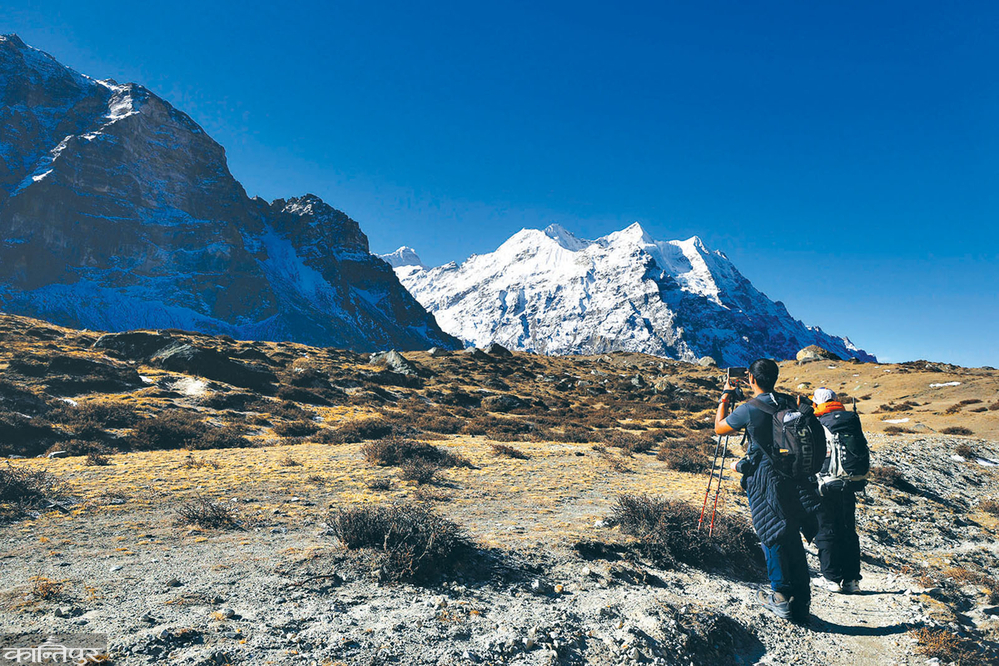
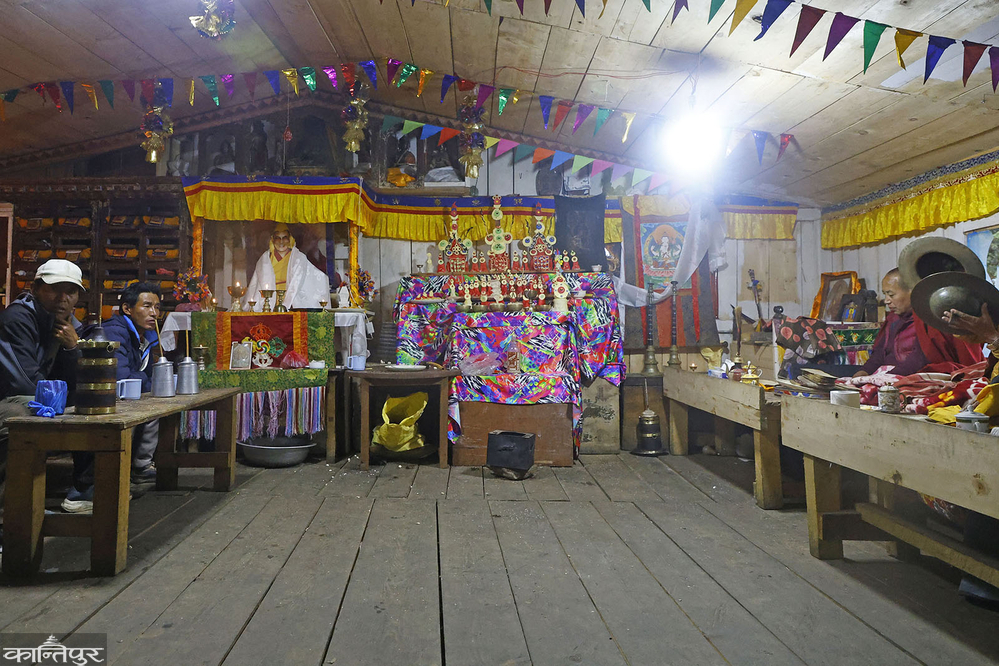
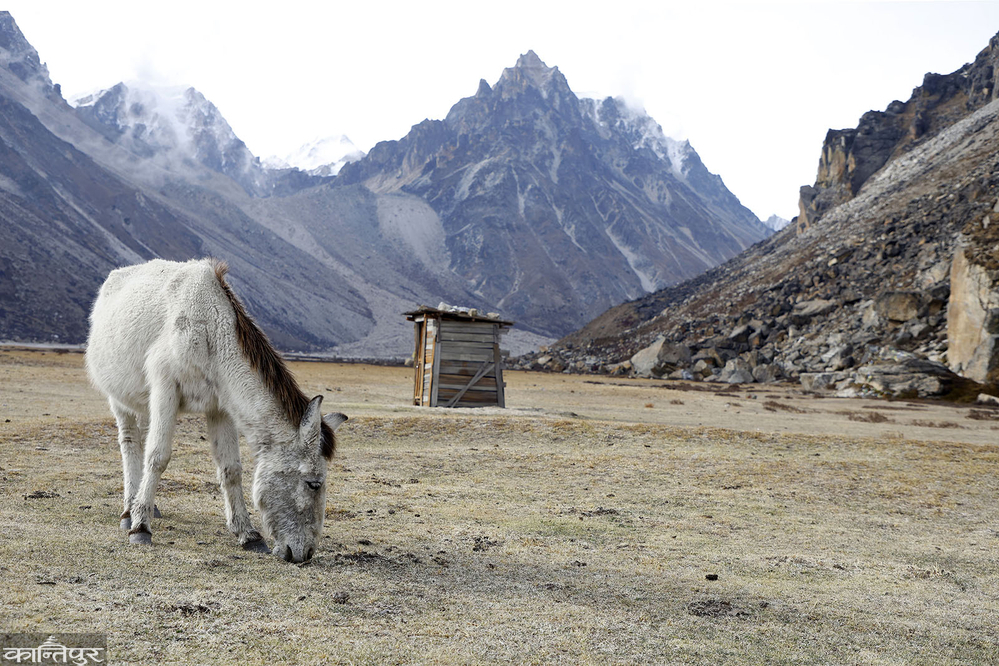
The trek passes through Sekhathmu, Amjilosa, Gybla, Ghunsa, Khambachen, Lonak and reaches the North Base Camp (5,143m) at Pangpema. Ghunsa is a picturesque village with fluttering flags and artistic Tibetan-style houses. From here the trail to Khambachen gets steeper and colder. Kumbhakarna (7,710 m.) visible from Khambachen makes the trip fascinating.
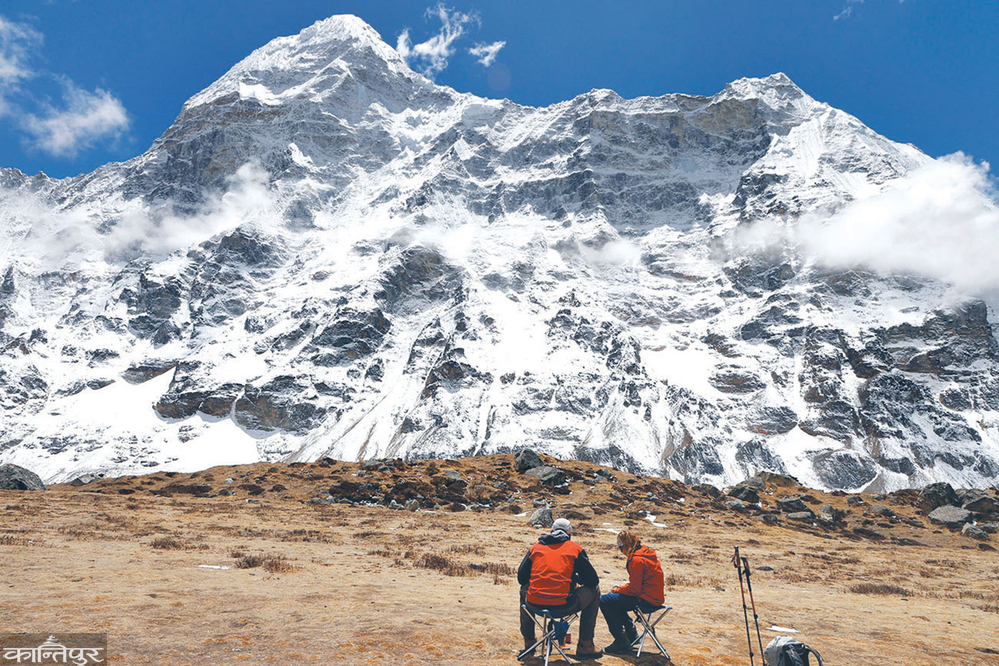
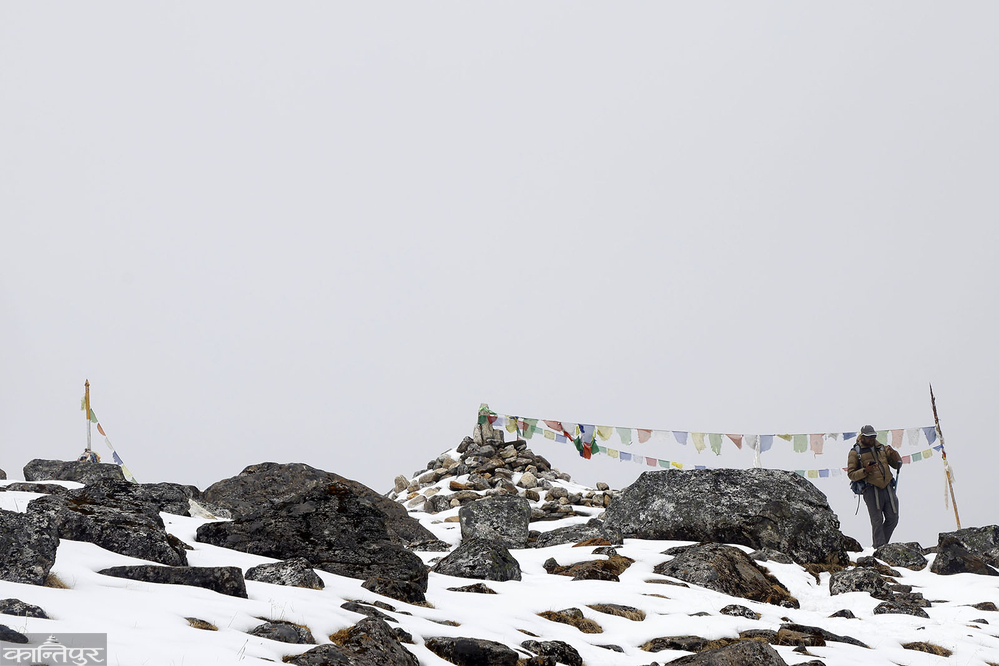
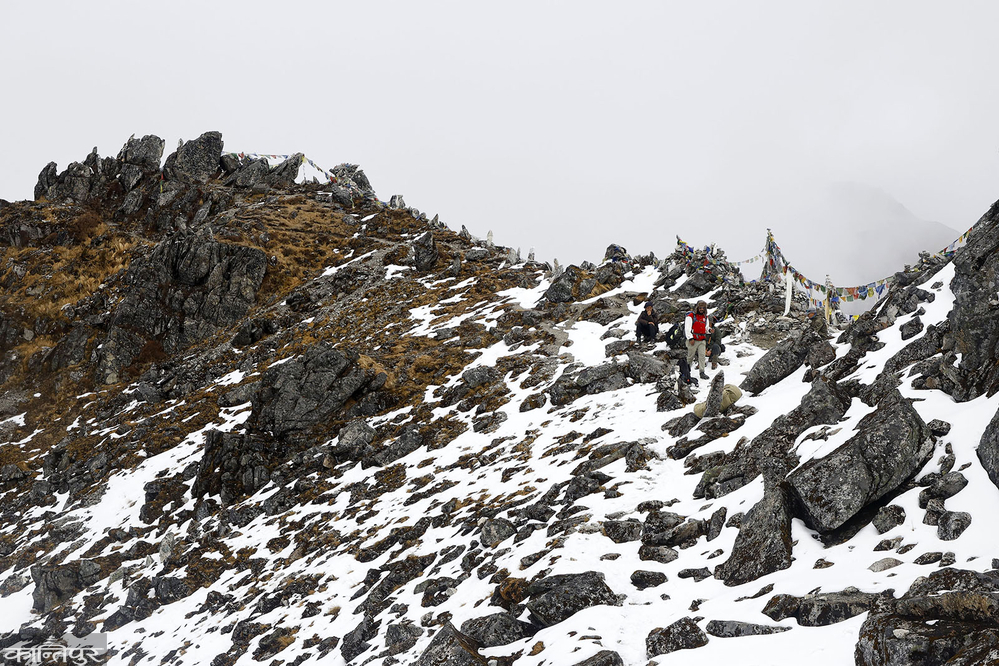
From the base camp in Pangpe through Lonak, you can see the beautiful mountain scenery and the warm hospitality of the locals will make your heart cool. After returning to Ghunsa from Pangpema, the Sele pass to the south is one of the highlights and challenges of the trek. Above 4,200 meters, winds and gusty snow make travel difficult. But on a clear day, the sight of snow ranges with Makalu and Everest is a joy to the heart.
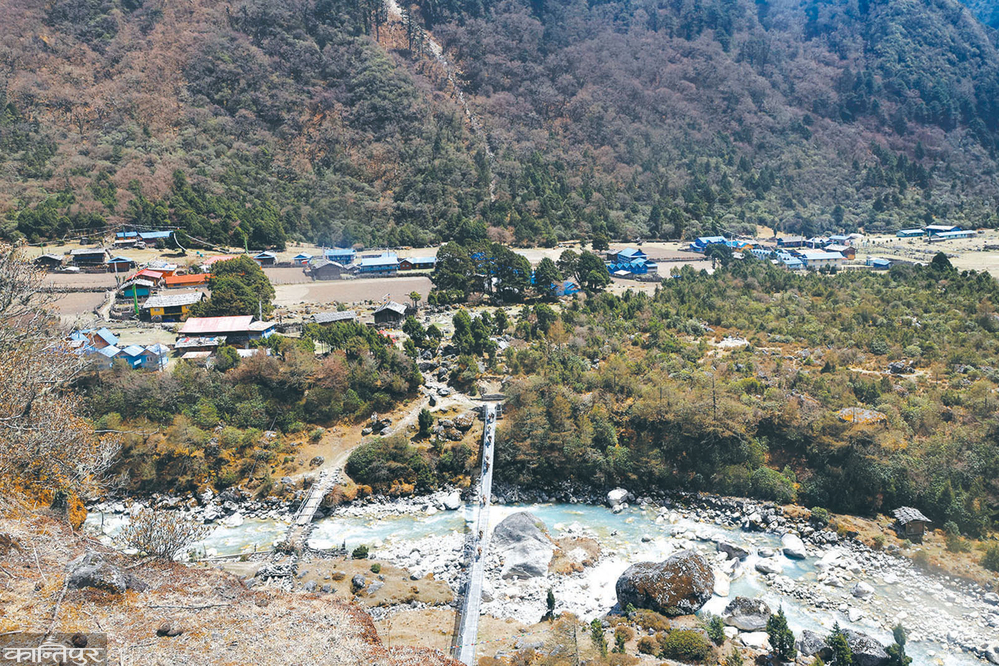
After passing Sele, the Oktang base camp is reached through Cheram in the south. From here you can see a beautiful view of isolated glaciers, lakes, dense forests. Therefore, if the complete circuit is not fixed while traveling to Kanchenjunga, the trek is incomplete. During this journey of 16 to 17 days, there are problems with the mobile network in many places. There is also a risk of landslides in places. Therefore, the demand of the locals is that the government should repair the landslide roads on time. Pearton should be planned for expansion.
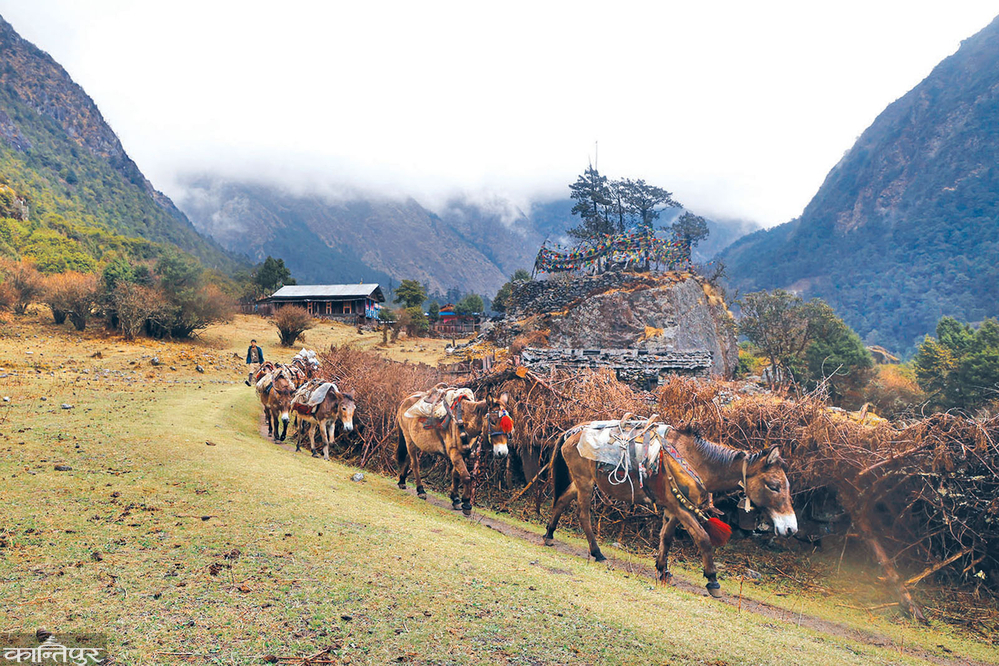
Kanchenjunga circuit trek is not only to reach the base camp but also to 'recharge' life by gathering amazing experiences.