We use Google Cloud Translation Services. Google requires we provide the following disclaimer relating to use of this service:
This service may contain translations powered by Google. Google disclaims all warranties related to the translations, expressed or implied, including any warranties of accuracy, reliability, and any implied warranties of merchantability, fitness for a particular purpose, and noninfringement.
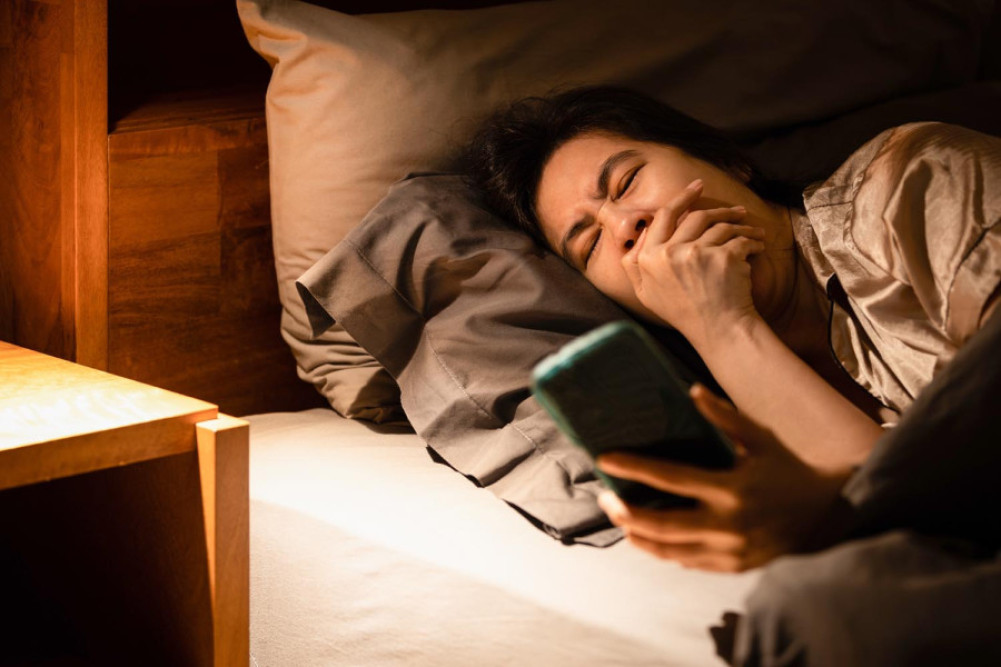
What time do you use the phone at night? This is the last one, how many movies or series episodes do you watch? How long do you stay awake for 'me time'? This is called 'Revenge Bedtime Procrastination' and it is a common problem of many nowadays.
Revenge bedtime procrastination is taking time away from day-to-day responsibilities, staying awake late into the night or reveling in solitude and delaying bedtime. It is also known as RBP . Such practice is doing us more harm than good.
According to psychologist Khushbu Aggarwal, staying up late and engaging in recreational activities instead of sleeping is a 'revenge' against our busy daily schedule . That is why such practices are called 'revenge', she said. She says, ``This practice helps people with very busy routines to take some time off and give themselves time . However, it causes serious sleep problems.'
People stay up late but have to get up early in the morning because of work. Which causes lack of sleep . Lack of sleep has both temporary and long-term negative effects mentally, physically and emotionally.
There is a big difference between RBP and other insomnia disorders. Also, some people may find it effective to work at night. There is also a difference between that person and the person who deliberately postpones sleep . According to Agarwal, procrastination is staying awake even though you know it's time to sleep. Due to which morning fatigue and sleep problems may appear. Those with insomnia are unable to sleep even if they want to sleep.
Deliberately delaying bedtime is also a form of revenge. The main cause of RBP is that people feel they don't have time for their personal work throughout the day, they stay up late for personal activities like scrolling the phone or watching TV, so they don't sleep even though they know they need sleep,'' she says. Can cause RBP .
Agarwal said that such exercise routines are often seen in people who push other tasks. He says that even after the covid, this practice has started to be seen a lot.
According to some studies, working from home has also reduced leisure time by extending normal work hours. This has especially reduced the leisure time of women . Especially after the covid-19 epidemic, stress and sleep deprivation have increased in people due to which RBP has also increased . Only after the epidemic, about 40 percent of people have experienced sleep problems .
Psychologist Aggarwal has said that adopting healthy sleep habits is the most effective way to eliminate the habit of avoiding sleep. For this, it is necessary to make the time of sleeping and waking up regularly and to prepare a suitable environment for sleep . Building good sleep habits takes time and consistent effort. But following the same routine regularly makes sleeping feel natural, which reduces the urge to stay up late. According to him, the following can be used for this:
- sleeping and waking up at the same time every day, even if it is a holiday.
– Do not consume substances like alcohol and coffee in the evening.
– Do not use digital devices like mobiles and tablets for at least 30 minutes before going to bed.
– Developing a regular routine that relaxes the mind and body before bed .
Likewise, according to Agarwal, activities like reading, meditating or light exercise before going to bed help reduce stress and make sleep easier. Also, the room you sleep in should be dark and quiet, the bed should be comfortable and the clothes you wear while sleeping need to be comfortable .
Agarwal suggests that if you have a long-term sleep problem or if you have trouble sleeping throughout the day, you should consult a health professional, a sleep specialist or a mental health specialist . She says, 'If such a problem has been seen for a long time and it is affecting work, studies, social, family relationships, then counseling should be done.'