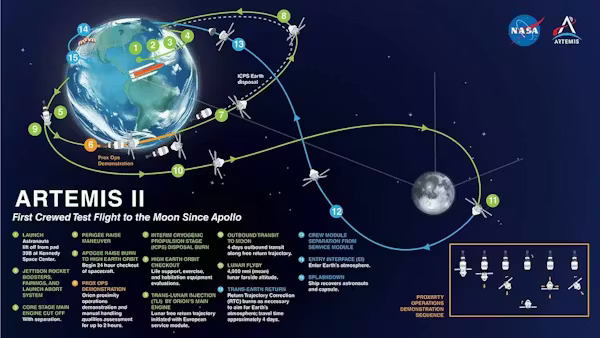
The first three astronauts landed on the moon in July 1969 and the last three in December 1972. This time, the astronauts will not land on the lunar surface, this is a 'fly-by' mission, meaning they will orbit the moon.
We use Google Cloud Translation Services. Google requires we provide the following disclaimer relating to use of this service:
This service may contain translations powered by Google. Google disclaims all warranties related to the translations, expressed or implied, including any warranties of accuracy, reliability, and any implied warranties of merchantability, fitness for a particular purpose, and noninfringement.
Four astronauts are heading back to the moon next Sunday, nearly five and a half decades after humans last set foot on it (1972). For this much-anticipated mission, named 'Artemis-2', the US space agency, NASA, has completed technical checks of the rocket, safety arrangements, and final repairs to the booster, among other tasks.
The four astronauts have been in quarantine at the Johnson Space Center in Texas for two weeks to mentally prepare themselves for the space environment and to adapt to their health. NASA is conducting a wet dress rehearsal (test flight and refueling) at the Kennedy Space Center in Florida on February 2.
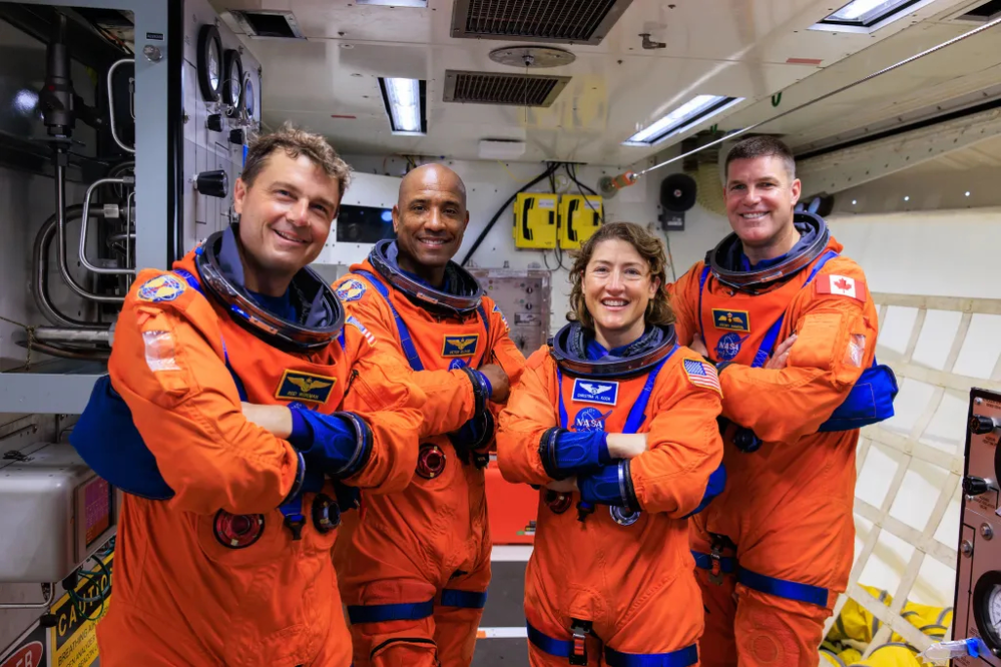
The astronauts are about to set off on a journey to the moon after exactly 53 years between February 8 and 11. Reed Wiseman, a former Navy pilot and mission commander, will lead the mission. Another Navy pilot, Victor Glover, will be the pilot, and he will be the first black person to travel to the moon. The two are joined by Christina Koch, the record holder for the longest female spaceflight as a mission astronaut, and Colonel Jeremy Hanson of the Royal Canadian Air Force. Jeremy will become the first non-American astronaut to go to the moon.
According to international media, this mission is not only a reminder of an old achievement in human history, but is also expected to pave the way for new scientific discoveries and research and Mars missions. Earlier, three astronauts reached the moon for the last time in the Apollo-17 mission in December 1972.
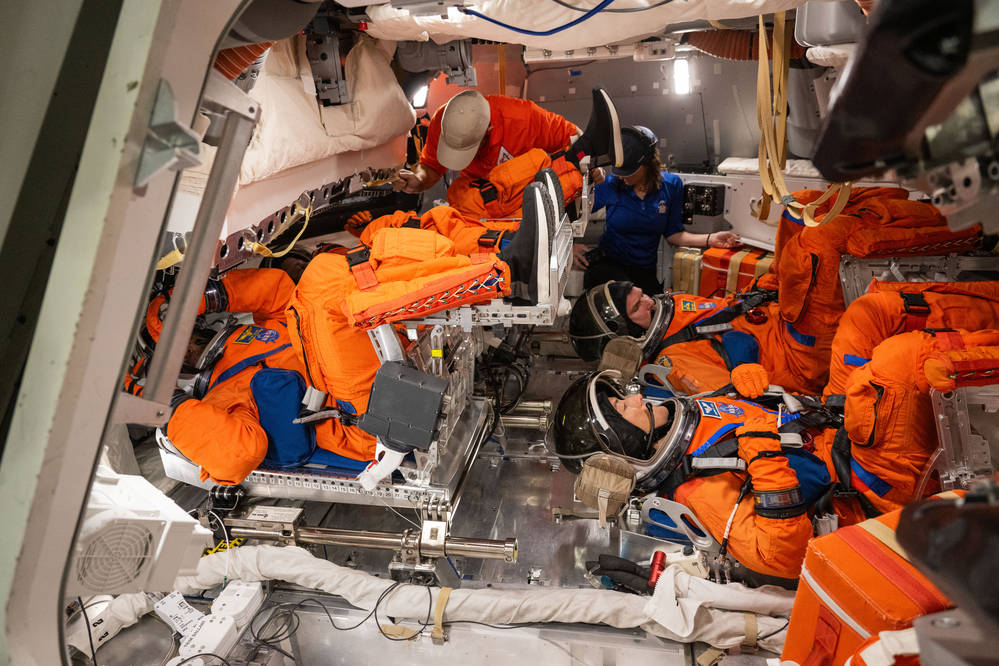
This time, the astronauts will not land on the lunar surface, this is a 'fly by', i.e. a mission to orbit the moon. However, they are also observing the far side of the moon. This trip is being conducted as a practice run for the 'Artemis-3' mission to be held in 2027 or 2028. The passengers of Artemis-3 will land on the moon. For that mission, Elon Musk's company, Space X, is building a vehicle called 'Starship'.
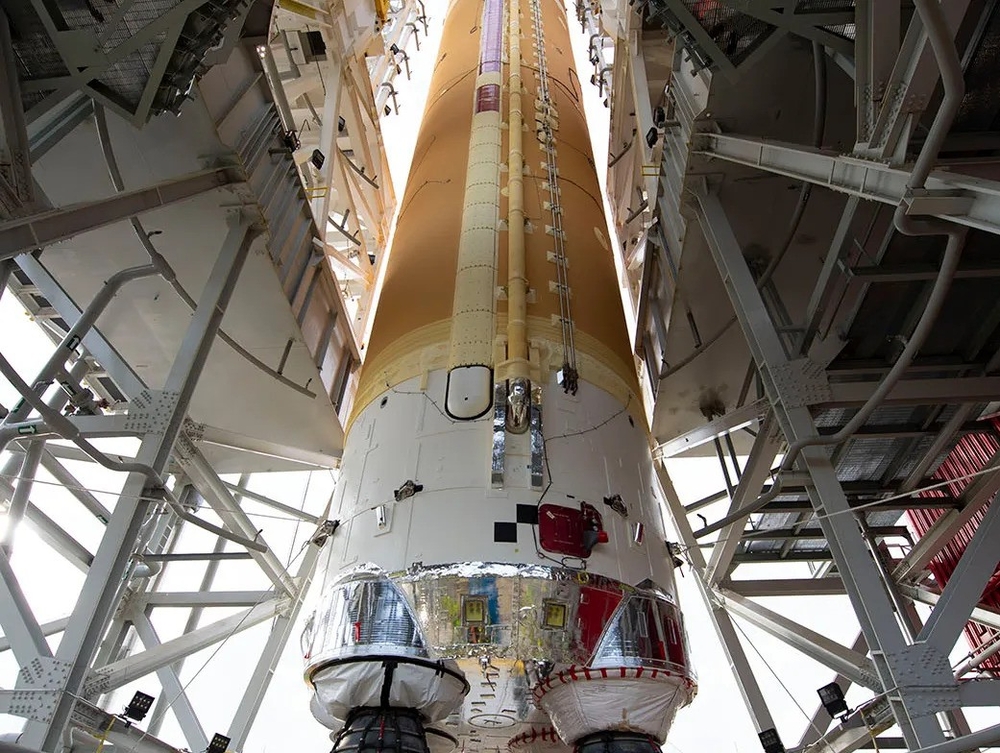
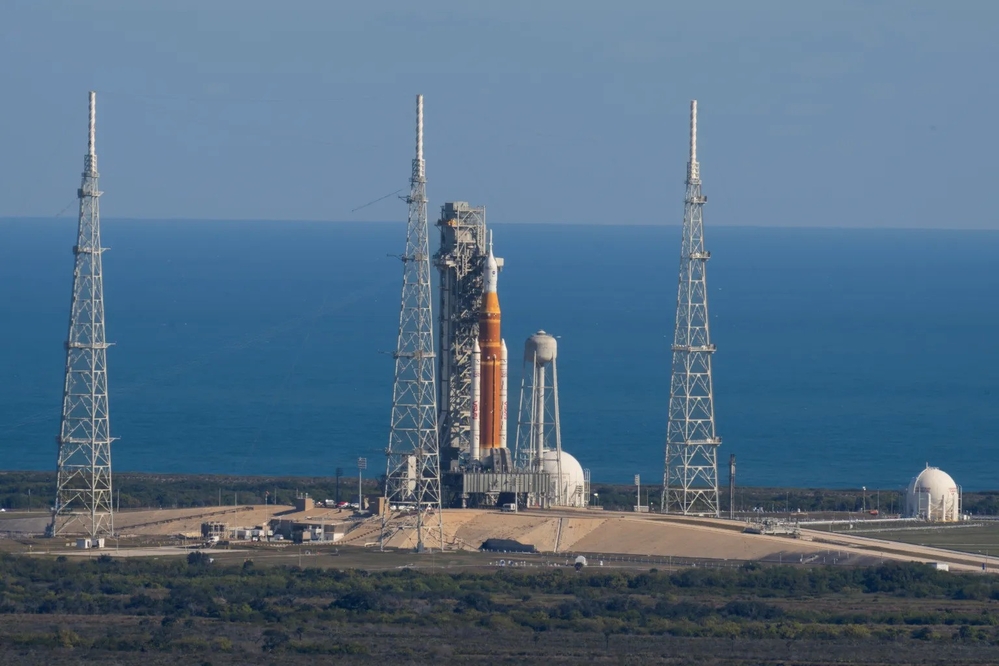
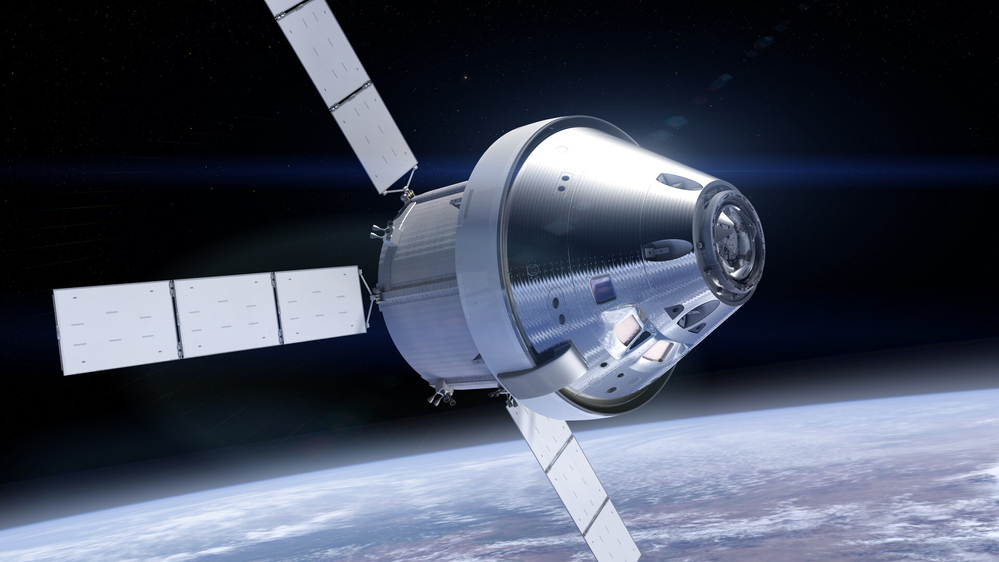
‘Artemis-2’ In this mission, passengers will board a spacecraft called ‘Orion’, which will be launched into space by NASA’s powerful Space Launch System (SLS) rocket. During the 10-day flight, the spacecraft will orbit the moon and return to Earth. NASA officials have claimed that this flight is not an ordinary practice but a crucial bridge towards landing humans on the lunar surface again.
NASA’s chief administrator, Bill Nelson, had previously said in public briefings, “We are returning to the moon again. But this time, rather than going back and forth like before, we are preparing to live there for a long time.” NASA has been reiterating ‘permanent habitation’ as the main goal of the Artemis program, and the idea of making the moon a ‘transit’ to Mars is also included in it.

Why the Artemis-2 mission is different and important can be understood from NASA’s same goal. The Apollo missions were born out of the Cold War space race. The Apollo mission was made possible by the race for superiority between nuclear technology and terror.
Artemis, on the other hand, is based on long-term thinking, with NASA planning to build a system, not just a flight or two and a photo op. Artemis-2 is the first human test of the same system. The mission will test the advanced navigation technology on the Orion spacecraft, the solar-shielded 'storm shelter', the capabilities of the SLS rocket, and human endurance during a nearly 10-day spaceflight.
The ambition to return to the moon is equally expensive. NASA officials estimate that the total cost of the Artemis program will reach more than $90 billion by 2027. This is more than the approximately $25 billion spent on the Apollo program (about $280 billion today in inflation).
A single Artemis flight is estimated to cost more than $4 billion. The Apollo-era Saturn-5 rocket launch cost about $1.2 billion in today's dollars. While the Apollo missions were once-useable vehicles, Artemis has been built with reusable technology. This time, the infrastructure for living and working on the moon is being prepared.
There is an era of technological difference between the two missions. Apollo astronauts used first-generation computers, which were weaker than today's calculators, for navigation. Orion's avionics system and flight software are based on highly advanced and cutting-edge artificial intelligence (AI).
It can automatically perform thousands of tasks simultaneously, such as launching the rocket, adjusting oxygen and temperature, navigating, and communicating with Earth, writes Jennifer Harbaugh on NASA's website. After the unmanned Artemis-1 launch in 2022, Orion was redesigned and tested due to problems with its heat shield. According to NASA, the delay in the flight, which was previously scheduled for 2024, is due to time to make the system safer.
Artemis-2 will also demonstrate a new model of space travel. The mission is based on a concept of international and private sector partnerships that was unthinkable in the 1960s. The European Space Agency provided Orion's service module, while Canada contributed robotic technology. In return, Canada has also had the opportunity to send one of its astronauts to the moon for the first time. On the private side, various companies led by Elon Musk's 'Space X' are building a lunar lander for Artemis-3.
NASA aims to land humans near the moon's south pole this time. The Apollo spacecraft never reached there. The area is believed to contain long-frozen water ice. NASA plans to use the moon as a base for long-term, large-scale space missions in the future, and eventually send humans to Mars if it is found.
Former NASA associate administrator Jim Free told reporters before retiring last year, “We are in the process of learning how to live and work outside Earth for long periods of time, and the moon is the place to prove it.”
With the arrival of the Artemis-2 mission to the moon approaching, the excitement of returning to space is no longer isolated from global geopolitical competition. China has already announced plans to send humans to the moon by the end of this decade, and has proposed building a research center on the moon with Russia.
India has also formally announced plans to send humans to the moon. According to Telegraph India, last year, Prime Minister Narendra Modi and the Indian Space Research Organization (ISRO) presented a ‘space roadmap’. India aims to land an astronaut (Indian astronaut) on the surface of the moon by 2040 and return them safely to Earth.
The enthusiasm to return humans to the moon after nearly 5 decades, to stay there for a long time and to extend that stay to Mars and other planets has come with the entry of the private sector into space. With the latest thinking and investment, billionaires from the world, especially in the technology sector, have started joining space missions.
Earlier space flights were limited to government investment and the use of military technology, but now private companies have emerged with new and economical concepts such as space tourism and reusable rockets. However, Artemis will still be operated under the leadership and investment of the US government and other countries.
Although humans did not set foot on the lunar surface in the Artemis-2 journey like Apollo 8, 9 and 10, humanity is looking forward to returning to Earth's closest neighbor after half a century.
The Orion spacecraft, which will briefly lose contact with Earth and spend 10 days on the far side of the moon, is expected to rekindle the connection between humans, Earth and the moon. It is also expected to be the start of a long-term journey and a showcase of even more advanced human technology, perhaps not just once.
(with the agency's help)