Kamala Parajuli, born in Katujeswara, Fedikhola Rural Municipality-1, Syangja, is caring for 46 children who have lost their parents, left home, or been expelled from their relatives.
We use Google Cloud Translation Services. Google requires we provide the following disclaimer relating to use of this service:
This service may contain translations powered by Google. Google disclaims all warranties related to the translations, expressed or implied, including any warranties of accuracy, reliability, and any implied warranties of merchantability, fitness for a particular purpose, and noninfringement.
Kamala Aama is an example of how an ordinary-looking young woman can accomplish extraordinary things.
With her dark complexion, unmakeup-free face, and simple speech, she looks ordinary. It is not easy for anyone to understand the depth of her deeds, courage, and love.
It was around 2065. While walking around the city, Kamala Parajuli, who was only 23 years old, became unbearable when she saw naked, hungry, and helpless children on the streets. Her desire to understand their situation inspired her to become a support for helpless children.
The thought of getting married and having her own children never crossed Kamala's mind. Those children she met on the street changed her thinking. She realized that she could become a mother through deeds without getting married. Eventually, she became a mother to helpless children, and today everyone knows her as 'Kamala Aama'. 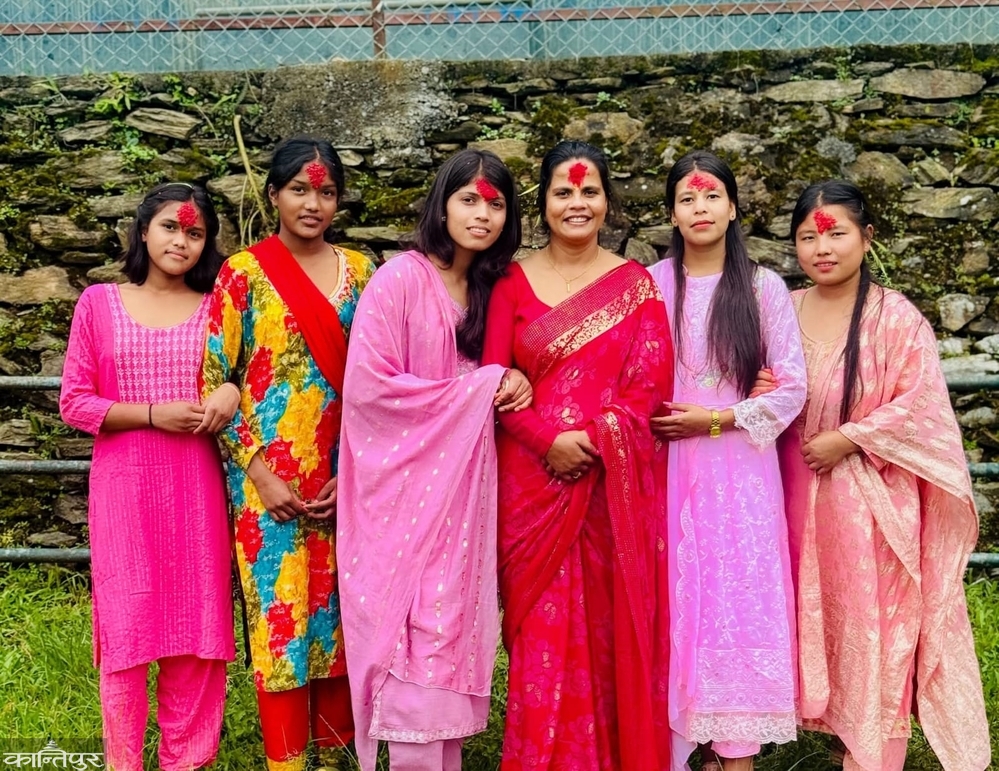
Born in Katujeswara, Phedikhola Rural Municipality-1, Syangja, Kamala is currently taking care of 46 children. ‘You don’t have to carry a pregnancy for nine months to become a mother,’ she says, ‘You can also become a mother with love, affection, and responsibility.’ Her children, from young to old, are with her. Her daily routine is spent taking care of them as a mother.
Kamala has established a children’s home called ‘Amor Sewa Nepal’ and has been protecting poor, helpless, street and homeless children. Although there are three employees at the children’s home, Kamala herself does most of the work from morning to night, such as cleaning, feeding, sending them to school, bathing, combing their hair, and dressing them.
She also takes on the responsibility of eating with the children, sleeping with them, and taking them out on holidays. Kamala has been protecting children who have lost their parents, left home, or been thrown out by their relatives.
The children’s home came into operation in 2068 BS on her initiative. Currently, she is handling the parental responsibility of 46 children, including 23 daughters and 23 sons. Saying that it pains her to see helpless children on the streets, she says, "I could not bring all the children I saw home and raise them. But it was hard to control my heart to see them stranded on the streets. There was no organization in the district to protect children, so I took the initiative." After the organization came into operation, she also brought conflict-affected children from Rukum and Rolpa under her protection.
Two children's home buildings with a capacity to accommodate about 100 children have been built on 15 aanas of land. The land was provided free of charge by Kamala's father, Dandapani Parajuli. Kamala has ensured these facilities on her own initiative in Katujeswara, which lacks roads and drinking water.
According to Parajuli, the landowner, although the protection of orphaned children is the responsibility of the state, the work done by her daughter is very great. Despite repeated marriage proposals from her parents and relatives, she remained dedicated to social service. "I feel more happy when I engage in social service than getting married and settling down," she says. 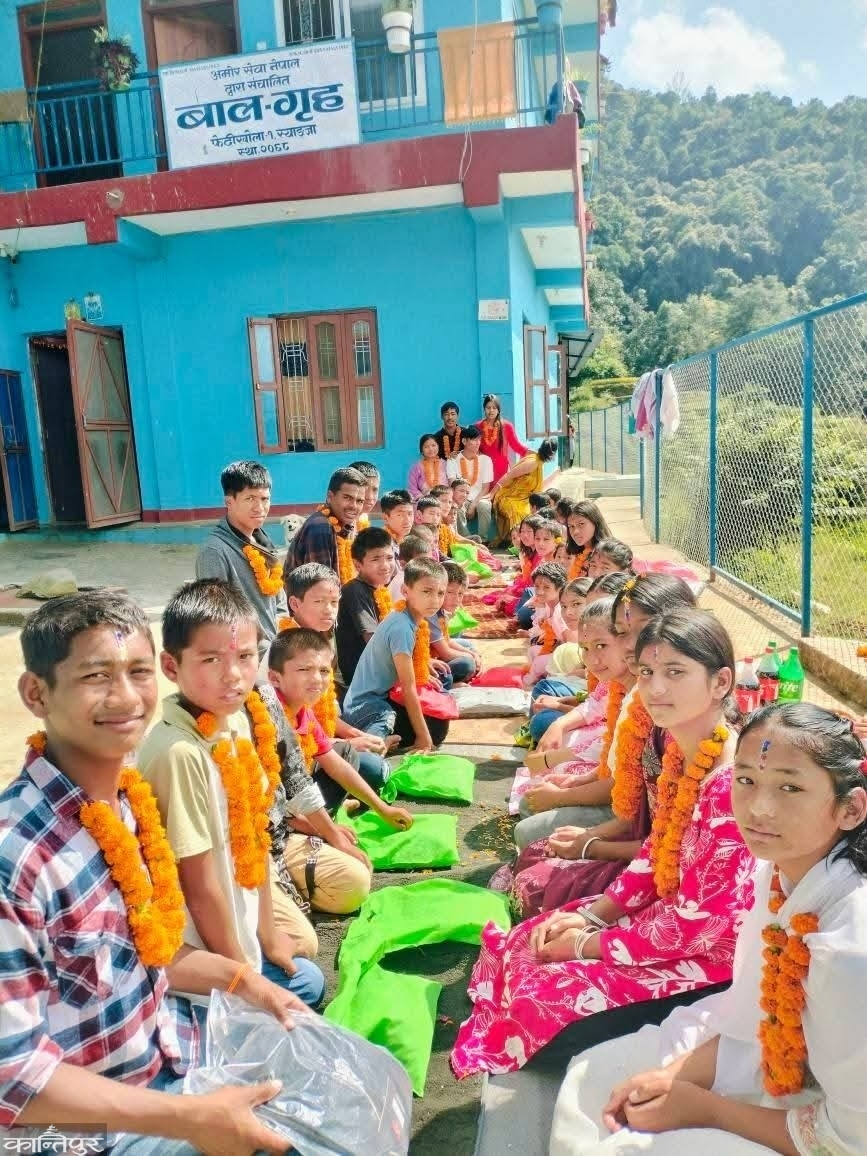
Recounting her experience of facing many obstacles from registering the organization to building construction, Kamala says, "The district administration had to rush every day. The budget for building construction was blocked. Some organizations and individuals working in the field of children also obstructed it." She said that she was able to run the organization with support from the central level rather than the district. She says that the orphanage is currently being run on a small donation basis.
Children without parents seem happy to be living in the orphanage. A girl born in Rapakot as the eldest of four sisters is currently studying at the graduation level. "I have been able to eat when I am hungry, sleep when I am sleepy, and study," she said. "Now I also want to be active in social service with Kamala mother." Another 17-year-old girl said that although she does not know how she came to the orphanage, her life has changed after coming here.
Kamala complains that although there is only one orphanage in the district, the local level and other organizations do not pay enough attention. Phedikhola Rural Municipality, on the other hand, has been setting aside some money every year. Phedikhola Rural Municipality Chairman Ghanshyam Subedi says, ‘If all local levels contributed something for the children of the district, the organization would be easier to run.’ Kamala says that there are currently financial problems in running the orphanage. ‘It is an organization run on donations,’ she says, ‘there is a need for a helping hand at this time.’
For her contribution to social service, Kamala has received various awards including the Social Guthi Service Award, the Ram Babu-Gyanu Social Service Award, the Social Service Award from the Gandaki Province Government, the Dr. Tarun Poudel Medical Association Award, and the Gandaki Icon Award.

