This song, which is currently going viral as a party anthem, has brought victory to the southeastern European country of Bulgaria for the first time.
We use Google Cloud Translation Services. Google requires we provide the following disclaimer relating to use of this service:
This service may contain translations powered by Google. Google disclaims all warranties related to the translations, expressed or implied, including any warranties of accuracy, reliability, and any implied warranties of merchantability, fitness for a particular purpose, and noninfringement.
Bulgarian singer Dara's party song 'Bangaranga' won the 70th Eurovision Song Contest on Saturday night. The song, which is currently going viral as a party anthem, gave the southeastern European country of Bulgaria its first victory.
'It's hard to believe,' singer Dara said happily at a late-night press conference after the contest concluded. 'I don't even know what's happening to me right now. But thank you to everyone who felt Bangaranga and was absorbed in its power.'
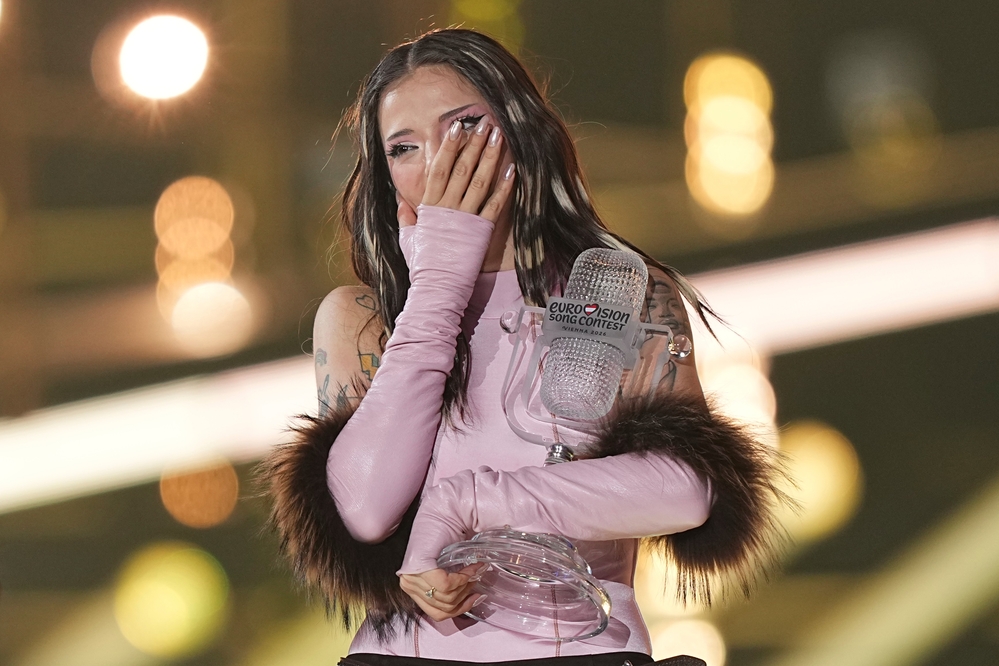
27-year-old Dara is one of Bulgaria's established singers. But few expected her to win Eurovision. The singer, speaking about her struggle with anxiety, described ‘Bangaranga’ as an inner strength that breaks the pretense of being all-encompassing.
After the victory, she said, “No one is going to sleep tonight, everyone is welcome to join this rebellion under the bright lights.” She said the song was inspired by the Bulgarian tradition of Kukri, in which young men dress up in traditional costumes and perform a dance to ward off evil spirits.
Israeli contestant Noam Bettan came second in the competition. Romanian Alexandra Capitanescu’s rock song ‘Choke Me’ came third in the competition. Similarly, Australian star Delta Goodrum’s slick midtempo ballad ‘Eclipse’ came fourth, while Italian crooner Sal Da Vinci came fifth. Finnish pop duo Piet Parkkonen and classical violinist Linda Lampenius came in sixth place.
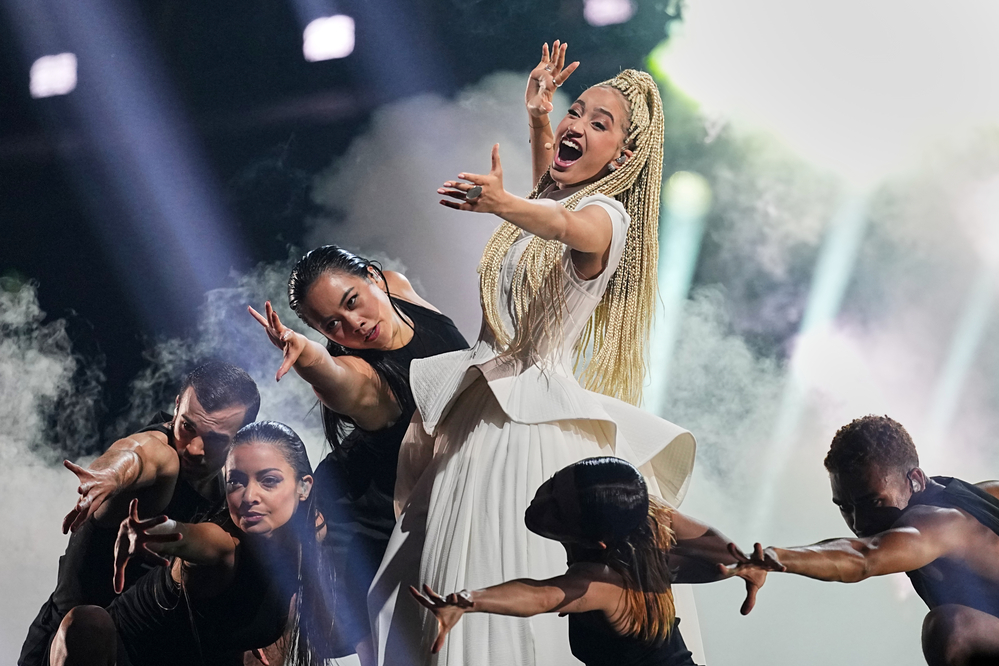
Israel's participation in the contest held in Vienna was met with fierce protests and even a boycott campaign. Spain, the Netherlands, Ireland, Iceland, Slovenia and other countries were at the forefront of demanding that Israel not be included in the contest, accusing it of escalating the conflict in Gaza and other areas.
This is the third consecutive year that Israel has been protesting against its participation in Eurovision. Controversy and opposition are not new to the politically charged Eurovision.
This year, the contest, which features artists from 25 European countries, is considered a music mega-event. 'Eurovision has never been a competition for big stars,' Eurovision historian Dean Vuletich said of the contest. 'People prefer to see underdog artists on stage.' The audience wants to see artists who are trying to become artists, artists from small and poor countries.’
The winner of the Eurovision Song Contest, which is reduced from the initial 35 countries to 25, is chosen based on votes from both the audience and the jury. The artist who scores the most points based on their performance within three minutes is not only the winner, but his or her country also gets to host the Eurovision Song Contest next year.

