The government formed a board of directors
We use Google Cloud Translation Services. Google requires we provide the following disclaimer relating to use of this service:
This service may contain translations powered by Google. Google disclaims all warranties related to the translations, expressed or implied, including any warranties of accuracy, reliability, and any implied warranties of merchantability, fitness for a particular purpose, and noninfringement.
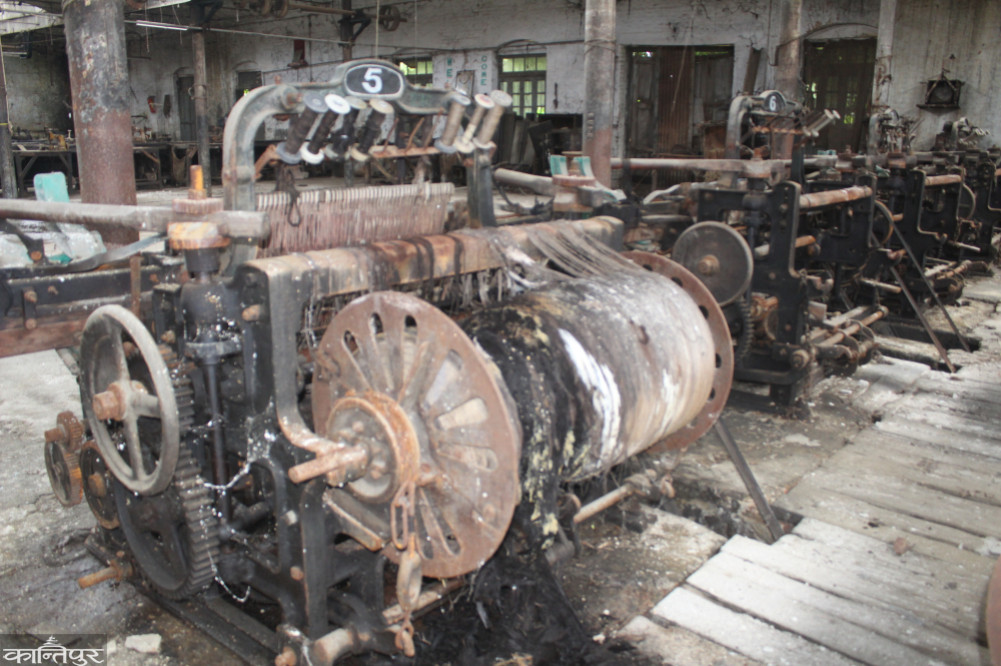
The government has prepared to re-operate Biratnagar Jute Mill, the oldest industry of the country, which has been closed for a long time and turned into a sick one. For that, the Ministry of Industry, Trade and Supply has formed a board of directors under the chairmanship of Rajendra Karki.
Tikaraj Dhakal of Biratnagar, Mukund Nepal, Head of Treasury and Accounts Control Office and Head of Commercial Office have been appointed as members of the committee.
Chairman Karki said that the government has given the committee the responsibility of auditing the accounts of the industry in the first stage, holding general meetings and protecting the assets of the industry. According to him, after the completion of the first phase, the process of operating the industry will begin.
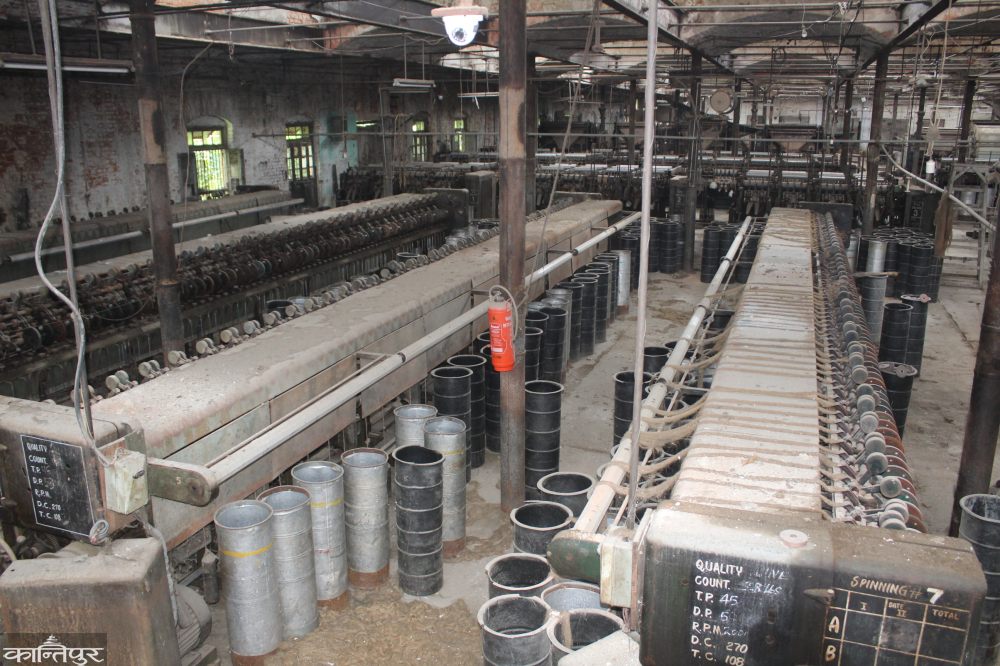
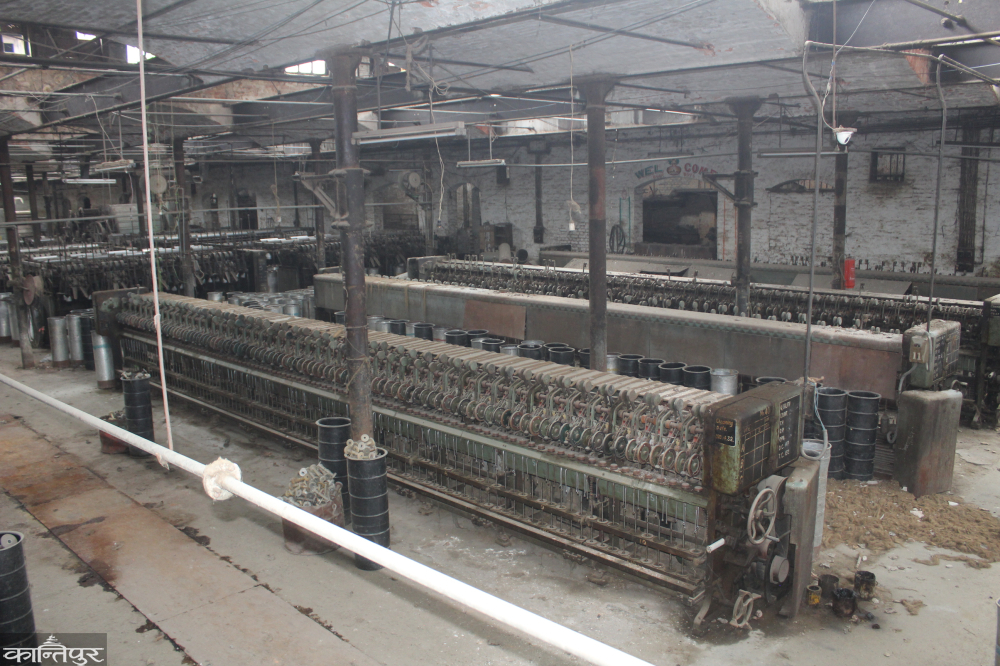
Earlier, India's Tata Company returned after inspecting the machinery and physical infrastructure of the mill, showing its interest in operating this mill. After the said company inspected the machinery and physical infrastructure of the mill, the government formed the board of directors. The Tata company issued a report that 72 percent of the mill's machinery could be reused.
This industry, which was established in 1993, had been without a board of directors since 2078, while it was closing and running several times since 2046. In the name of this industry, which has a 68 percent share of the government, it owns 68 bighas in Biratnagar and 9 bighas in Damak in Jhapa.
This mill is also known as the place where the first movement was made for democracy. B.S. The history of the political journey of Girija Prasad Koirala and Manmohan Adhikari started from the labor movement in this mill premises in 2003 and 2007.
Before 2046, this mill, which was producing 45 tons of jute preparations per day, had been shut down many times because of the board of directors who had political appointments since 2046. According to the then employee of the mill, Kishore Subba, in 2066, on the initiative of the then Chairman of the Board of Directors, Ashok Pokharel, the government closed the mill by disbursing Rs.
Then India's industrial group Winsome International closed the mill in October 2071 even though it operated on lease for 25 years under the condition of paying 13.5 million annually to the government.
Then Nilhari Kafle and Vasant One operated the mill. The 46 employees they appointed at that time have not been paid yet. According to the head of administration of the mill, Taranath Timsina, those employees are yet to receive 2.5 million service benefits. According to him, Nepal Bank Limited and various financial institutions and electricity authorities have about three billion loans in the name of the mill.
At that time, the owners of 183 shares of the mill elected Basant Van as the chairman of the management committee. The said committee invested about 12 million rupees and repaired the old machines and brought the mill into operation.
The board of directors had adopted a strategy to operate the mill by selling shares of the mill and accumulating operating capital of around 60 million. But since it was not possible to sell government-owned shares to the general public, the board of directors itself fell into controversy. Out of the 93 thousand 750 shares of the mill, the committee has 31 thousand 23 shares in the name of the government. After keeping 62,727 shares and selling them to the general public, the company's registrar office declared them invalid, and then the owners withdrew from the mill.
With the technical support of Radhakrishna Chimdia, the then jute merchant of Bharti, Ramlal Golcha and Pitaji Krishna Prasad Koirala's activism B.S. After the Biratnagar Jute Mill was established in 1993, there is a history of industrial activity in the country.