The adventure tourism industry in Asia is estimated to have grown from around Rs 10.5 trillion in 2017 to around Rs 17.9 trillion in 2024 and is expected to reach around Rs 30 trillion by 2032.
We use Google Cloud Translation Services. Google requires we provide the following disclaimer relating to use of this service:
This service may contain translations powered by Google. Google disclaims all warranties related to the translations, expressed or implied, including any warranties of accuracy, reliability, and any implied warranties of merchantability, fitness for a particular purpose, and noninfringement.
Nepal can directly benefit from the expansion of adventure tourism activities in Asia, a study has shown.
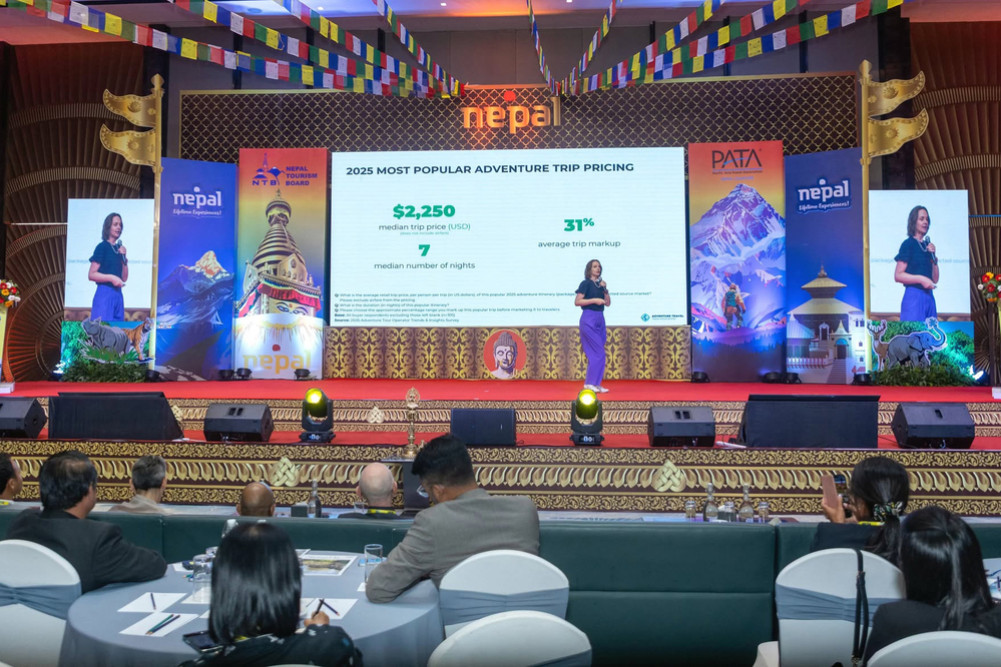
This was revealed by the study data presented by Hannah Pearson, Asia Director, on the topic ‘The Future of Adventure Travel in Asia: Trends, Opportunities and Nepal’s Competitiveness’ presented by the Adventure Travel Trade Association (ATTA) at the sixth edition of the Himalayan Travel Mart held in Pulchowk, Lalitpur.
According to the data presented by her, the adventure tourism industry in Asia, which was worth about Rs 10.5 trillion in 2017, has reached about Rs 17.9 trillion in 2024. She estimates that it will reach about Rs 300 trillion by 2032. ATTA, an international organization dedicated to adventure tourism, says that this growth is mainly focused on the Asian market and that Nepal has a strategically important opportunity.
According to ATTA, about 72 percent of Asian tourists are interested in adventure travel. Who have the potential to spend about 6.5 trillion rupees in the tourism market . Director Pearson said that regional tourism flows are a very important opportunity for Nepal, as the share of travelers coming from neighboring countries is high in this market . ‘Asia’s adventure tourism market is growing rapidly and Nepal is particularly well-positioned to benefit from this trend, as it has a unique combination of nature, culture and authentic travel experiences,’ Director Pearson said in her address .

Nepal is already established as a reliable trekking destination . Routes such as Everest Base Camp, Annapurna Trek and Langtang region have given the country international recognition . In line with the current global trend, trekking and hiking are among the most popular activities in adventure tourism, which has further strengthened Nepal’s competitiveness, Atta said . ‘Today’s travelers want to experience more than just sightseeing . They are more interested in local lifestyle, culture, nature, wellness, wildlife watching, bird watching and photography . Nepal has the rare ability to offer all these experiences in one country,” said Pearson.
According to Atta’s study, Nepal’s cultural diversity, the lifestyle of mountain communities, biodiversity and natural beauty add depth to the tourism experience. The tourism infrastructure, which extends from rural areas to high mountain terrain, encourages long-stay and high-value tourism.
An important aspect of adventure tourism is its economic impact. It keeps a large part of the income in local communities and creates jobs in rural areas. For Nepal, it directly strengthens homestays, guide services, transport, handicrafts and local products. Its impact is especially visible in areas outside the capital Kathmandu. 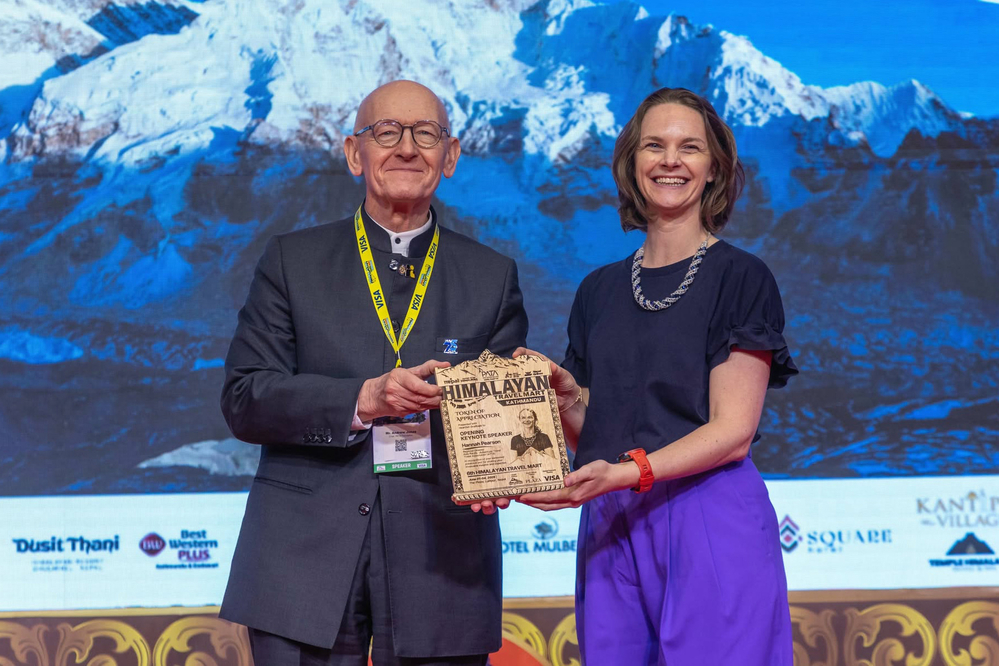
According to experts, Nepal now needs to focus on sustainable authentic stories, community-based tourism and long-stay packages. Wellness tourism, cycling, bird watching and cultural tourism should also be expanded.
Overall, the rapidly growing adventure tourism market in Asia offers Nepal an opportunity to establish itself not just as a destination but as a potential regional leader, Director Pearson said, “With the right strategy and sustainable management, Nepal has clearly demonstrated its potential to become a world-class adventure tourism destination.”