DDC officials say demand for yak cheese has increased by over 30 percent after PM Shah's post
We use Google Cloud Translation Services. Google requires we provide the following disclaimer relating to use of this service:
This service may contain translations powered by Google. Google disclaims all warranties related to the translations, expressed or implied, including any warranties of accuracy, reliability, and any implied warranties of merchantability, fitness for a particular purpose, and noninfringement.
Prime Minister Balendra Shah posted a photo of himself on social media on Saturday afternoon, where he is seen with a plate of cheese slices and a packet of yak cheese. The first line of his status read ‘Say cheese’ and the second line read ‘DDC’s cheese’.
The Prime Minister’s post, which went viral, received 463,000 likes, 46,000 comments and was shared more than 4,000 times on Facebook and X in 24 hours. The post also received mixed reactions. Some welcomed the post as an initiative to promote the indigenous brand, while others criticized the quality of DDC products.
But the biggest impact of Prime Minister Shah’s post was seen at the state-owned Dairy Development Corporation (DDC). After he posted the photo, demand for yak cheese increased by more than 30 percent on Sunday as supermarkets and consumers rushed to buy the product, according to DDC officials. “The demand is increasing rapidly, making it difficult to manage,” said Sanjeev Jha, head of market management at DDC. “Supermarkets are calling to increase supply.”
Big Mart has already increased its order for yak cheese from DDC on Sunday, while Bhat Bhateni, one of the largest retailers of DDC products, has also seen an increase in customer interest. This sudden attraction reflects Prime Minister Shah’s continued influence among youth and social media users.
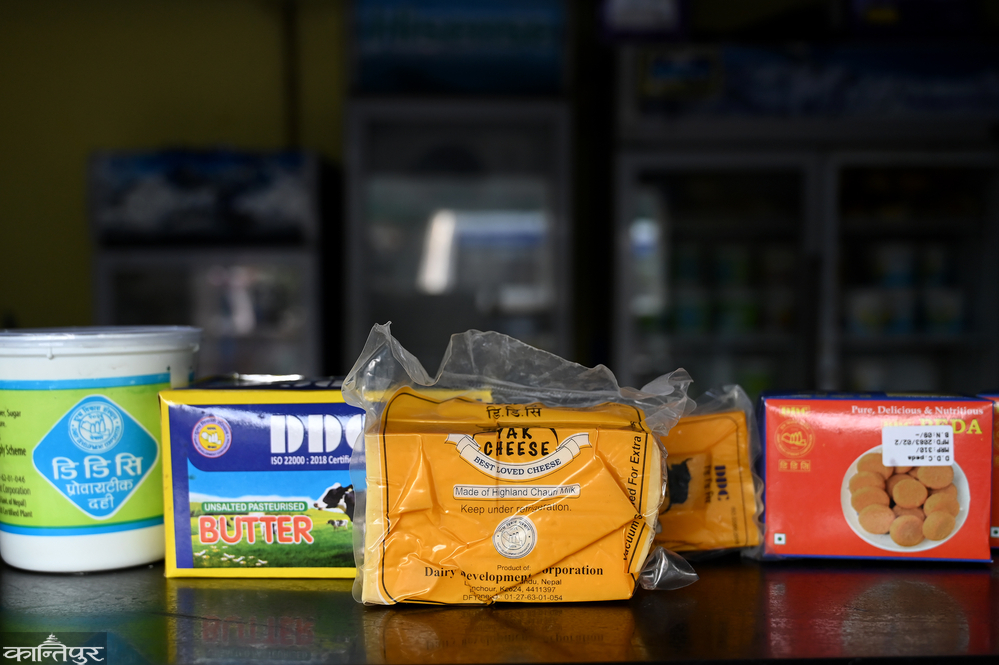
Yak cheese was mostly consumed by tourists and Himalayan communities. Therefore, there were limited consumers of the cheese in urban areas. Despite its long history and export potential, yak cheese has not been popular among Nepali consumers. Yak cheese is made from the milk of four-legged Himalayan yaks found in the high Himalayan regions of Nepal. Known for its ‘rich and nutty’ taste, yak cheese has been an important source of protein in the Himalayan community and a major source of income for farmers there.
DDC officials say that the demand for yak cheese has increased by more than 30 percent since Prime Minister Shah’s post. The tradition of making cheese in the Himalayan region of Nepal has been around for decades. It is also a way to preserve milk, mainly in the cold high Himalayan regions. Modern commercial production of cheese began in the 1950s. Nepal’s first yak cheese factory was established in 1955 at Kanjin Gompa in the Langtang Valley with the help of Swiss technicians. In 1952, the Food and Agriculture Organization of the United Nations (FAO) sent Swiss dairy expert Werner Schulthes to Nepal to help develop the cheese industry.
Yak cheese is currently produced in 9 centers in Nepal. There are 6 centers in Rasuwa and 1 each in Dolakha, Solukhumbu and Ramechhap. DDC General Manager Sharan Kumar Pandey said that cheese made in different parts of the district comes to Lainchaur in Kathmandu and is packaged after checking the quality and sent to the market.
DDC has been producing 55 to 60 tons of yak cheese annually and earning an income of about Rs 100 million. The cheese is mainly produced between April and October. Yak cheese has also gained attraction in the international market after it received organic certification 5 years ago. Currently, a packet of 100 grams of cheese costs Rs 200, while 200 grams costs Rs 395 and 500 grams costs Rs 960. In Kathmandu, the price of a kilo of cheese is Rs 1,880.
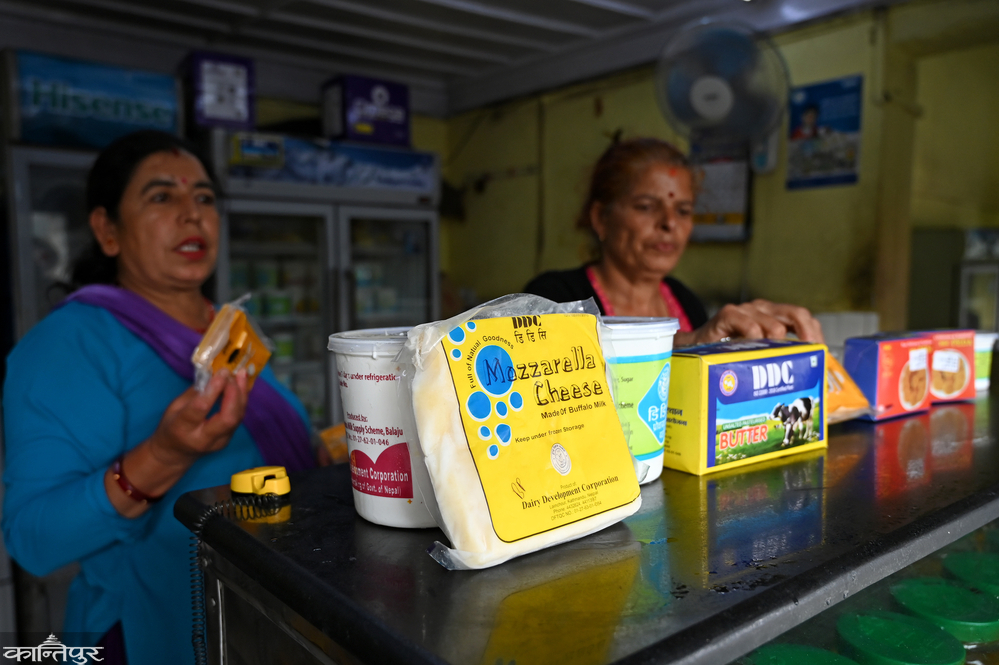
According to DDC, cheese is one of the most profitable dairy products. The new attraction to the cheese comes at a crucial time for the state-owned dairy company. In 2024, the DDC warned that Nepal's dairy industry was facing its worst recession in years after demand for milk, butter, powdered milk and ghee fell sharply. At that time, warehouses were filled with unsold products and falling consumer spending had slowed the market.
General Manager Pandey said that this promotion by the social operator has instilled positive hopes in the company. The company pays more than Rs 500 million annually to yak farmers for milk collection during the production season. Farmers are often paid in advance.
Leela Ram Khadka, owner of 'Jiri Lekali Haat Ghar', which supplies Jiri's DDC yak cheese in Shankhamul, Kathmandu, said that most Nepalis buy yak cheese to gift to friends and relatives abroad. “We are selling 20 to 30 kg of yak cheese monthly,” he said. Despite the significant increase in milk prices, the demand remains the same. It has become difficult for people, especially those with low incomes, to consume milk and other dairy products like cheese.
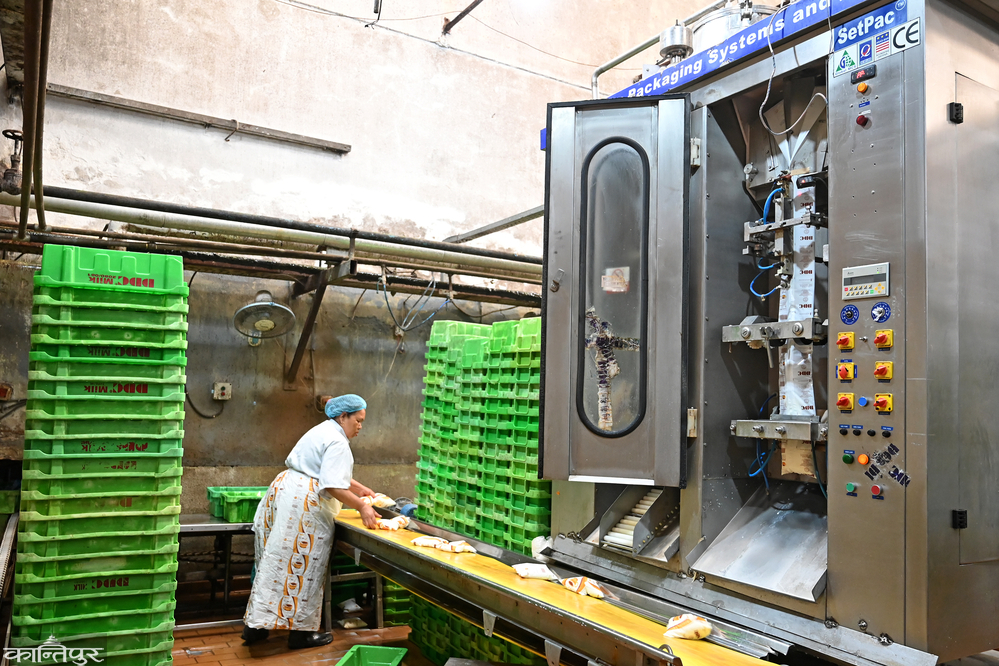
DDC has been producing 55 to 60 tonnes of yak cheese annually and earning about Rs 100 million. Yak cheese production is a long and sensitive process. Raw milk is filtered, heated and cooled before being tested for acidity, fat content and adulteration. The cheese is then ‘aged’ naturally for 45 to 120 days before being ready for consumption.
According to DDC officials, the export opportunities are limited as no preservatives (chemical preservatives) or artificial shelf-life-enhancing ingredients are added to yak cheese.
Despite growing international interest, Nepal is exporting cheese in small quantities. According to the Customs Department, in the first nine months of the current fiscal year, it has exported 50 tons of cheese worth Rs 19.10 crore, mainly to the US and India. ‘There is a demand for cheese, but we lack technical development and proper protection systems to export in large quantities,’ said Sanjeev Jha, head of market management at DDC. ‘Technical intervention is necessary to expand the market globally.’
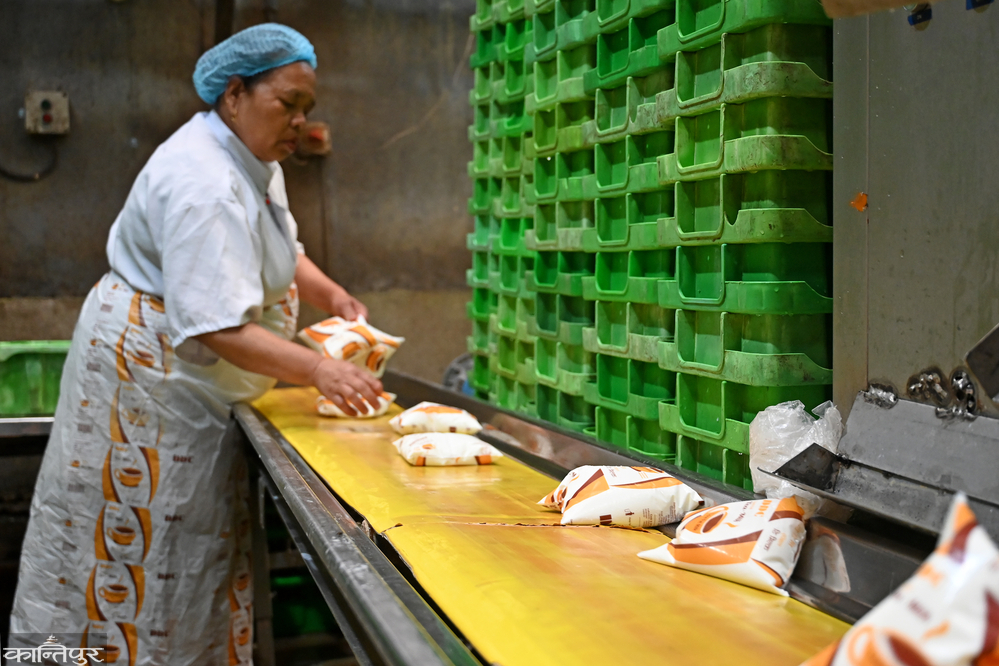
Not only in exports, the cheese industry is also facing increasing challenges domestically. The number of yak farmers in the country is decreasing due to poor infrastructure, lack of veterinary services and grazing areas, and taxes imposed on grazing within national parks. Production has also been affected due to the outbreak of lumpy skin disease in yaks. However, Nepal’s cheese market is expanding slowly. Nepal Dairy Association President Prahlad Dahal says that 28 types of cheese are produced by about 50 dairy industries in Nepal.
‘Especially due to the trend of fast food like pizza and desserts like cheesecake, the consumption of cheese in Nepal is increasing by about 10 percent every year,’ Dahal said. About 40 percent of the total demand for cheese is met by imports. Imported cheese is mainly used in large hotels and restaurants. The remaining 60 percent of the demand for cheese is being met by domestic production.
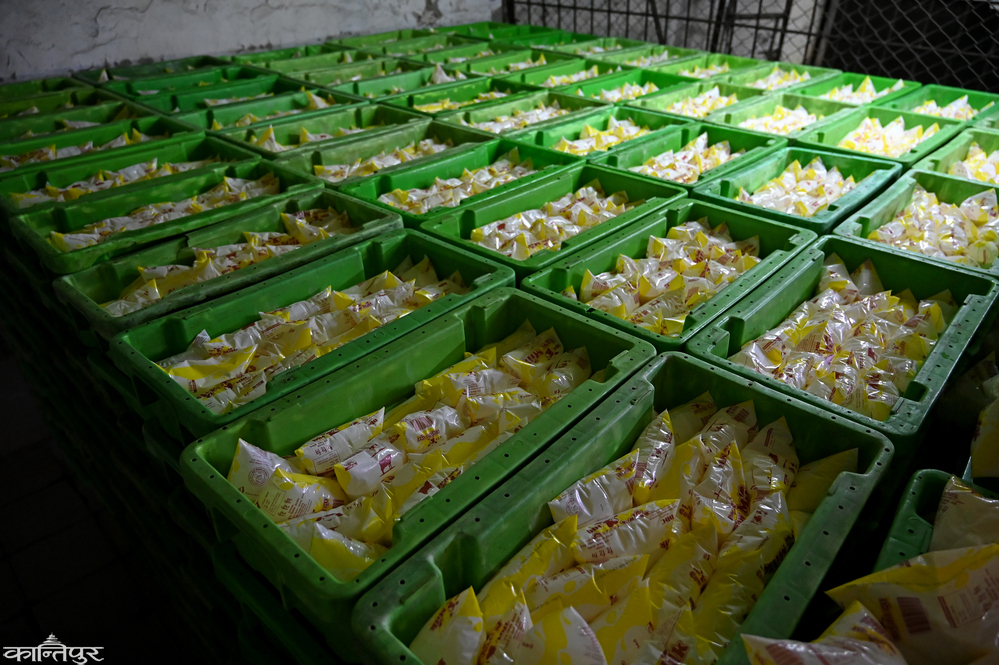
Although the demand for cheese is increasing, the DDC has stated that production is limited. Pandey said that cheese production can be increased by only 8/10 tons per year. ‘It is not very likely that it can be increased by 8/10 tons per year by coordinating with other bodies and lobbying for increasing the number of yaks,’ he said.
DDC has partnered with the Food and Agriculture Organization of the United Nations under the ‘Mountain Partnership’ program to promote yak cheese internationally. The initiative will allow DDC to use the globally recognized ‘Mountain Partnership’ logo on its packaging after certification. While there is no international campaign for now, the Prime Minister’s single social media post has given the cheese its biggest marketing boost in years.
Currently, a 100-gram pack of cheese costs Rs 200, while 200 grams costs Rs 395 and 500 grams costs Rs 960. In Kathmandu, the price of a kilo of cheese is Rs 1,880. Sabina Basnet, 26, an undergraduate student at Nepal Commerce Campus (NCC), used to eat cheese only occasionally. But after the Prime Minister’s post went viral on Saturday, she couldn’t resist eating DDC’s cheese. “I went to a grocery store on Monday afternoon. I saw the cheese in the store. Then I remembered the PM’s viral post about the cheese. And I thought of buying a small pack of cheese,' she told Kathmandu Post.
Although Yak Cheese is profitable, DDC has been struggling with financial crisis for a long time. It is not clear whether Prime Minister Shah made the post to promote DDC as a political strategy or just because of his personal social media habits. However, his party, the Rashtriya Swayamsevak Sangh (RSS), has shown interest in promoting government industries in its manifesto.
The Prime Minister's post came at a time when he is being criticized for ignoring parliamentary procedures. Last week, when President Ram Chandra Poudel was presenting his policies and programs, he walked out of the ongoing meeting in Parliament and chose not to answer questions from MPs. But not everyone was happy after the Prime Minister's post. Some expressed their dissatisfaction.
Virat Gautam, who has been criticizing the Prime Minister's silence on everything, made a sarcastic comment on Balen's post, 'Open your mouth while eating.'
Another user Smriti Timilsina also wrote, 'Balen Shah, you must be ashamed. You don't attend your own policies and programs, you get up and walk out when the President speaks, you put oil in your ears when the entire opposition should be present in parliament, and then you post such a photo on Facebook? Isn't this like teasing Nepalis? Or wasn't it like playing with pots and pans?'
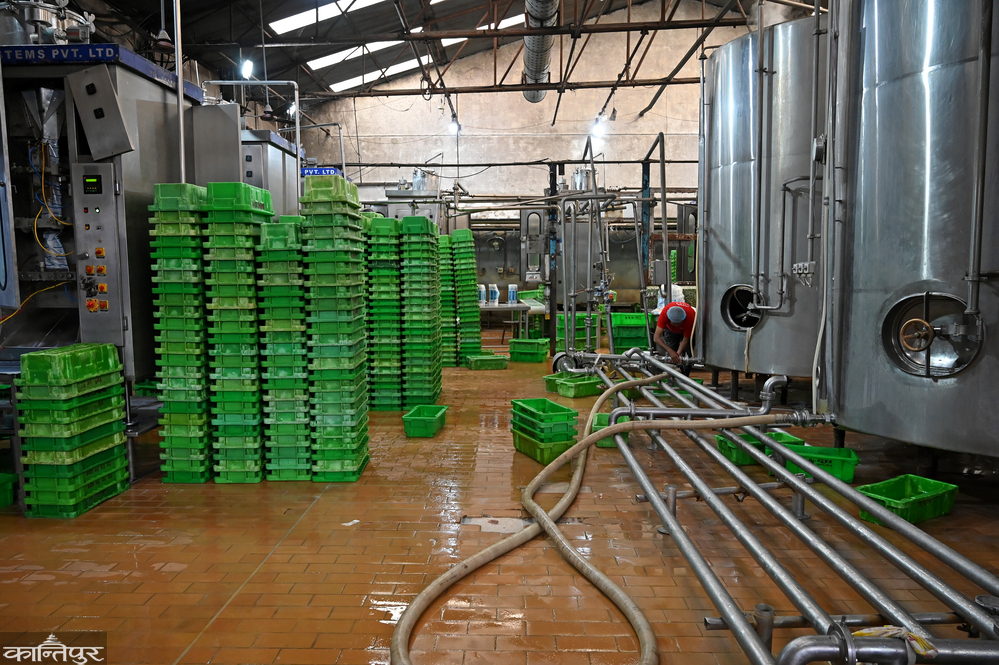
Social media user 'X' Biswas Panthi commented on the post and said, 'Excellent promotion, Prime Minister, but is the administration taking concrete steps to ensure that dairy farmers do not have to face payment delays for months again?' As Panthi said, DDC has yet to pay about Rs 500 million to farmers. Stating that farmers have an arrears of Rs 500 million, DDC General Manager Pandey said that the corporation is ruthlessly cutting internal expenses. He said that the corporation has a stock of butter including dairy products worth Rs 80/90 crore and is preparing to increase its sales. Pandey claims that more than Rs 300 million is yet to be collected from the market and that he will raise money through these various means to pay the farmers' arrears.
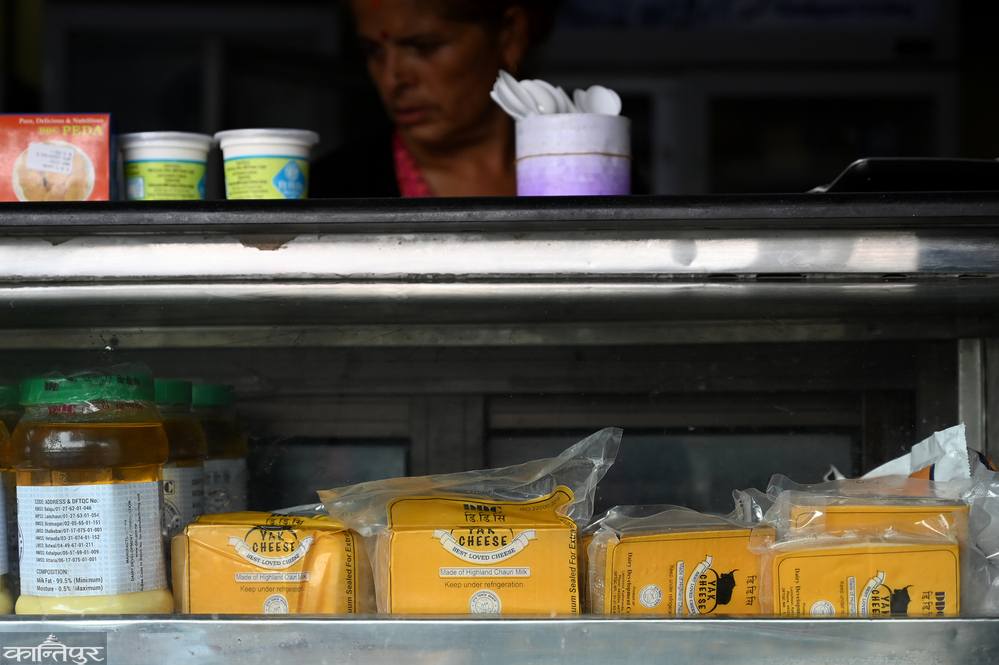
Although DDC has limited counters now, the demand for cheese has increased by 2/300 percent, he said. ‘DDC has counters only in Lainchaur and New Road, the rest are sold through supermarkets like Bhatbhateni, Big Mart,’ he said, ‘We send it to Chitwan, Hetauda and Butwal outside the valley based on demand.’ Pandey said that now, there are demands from all over the country for selling and distributing yak cheese along with other items. ‘Demand is increasing rapidly at distribution counters, and demand for sales and distribution is also increasing,’ he said.
A notice has been issued by DDC appointing contact persons for those who want to sell and distribute milk and other dairy products produced commercially. Pandey said that DDC is working on 60/70 thousand liters of milk daily and aims to deliver 100,000 liters by the upcoming Asad.

