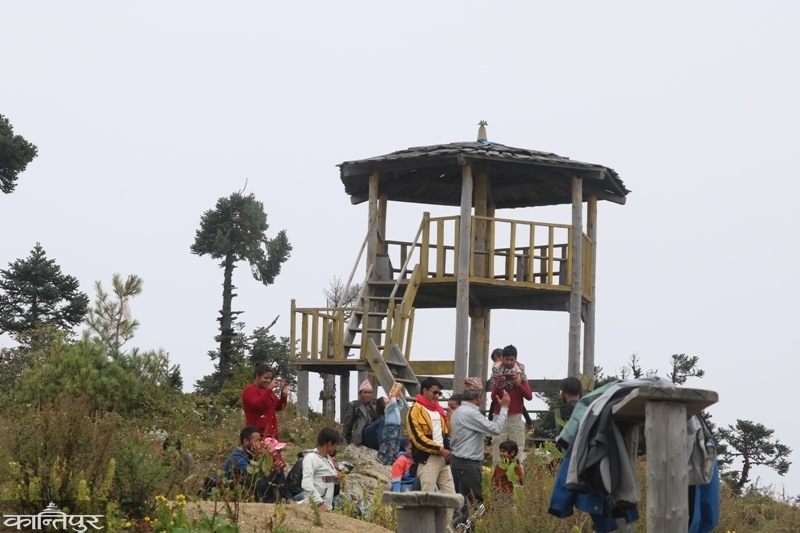
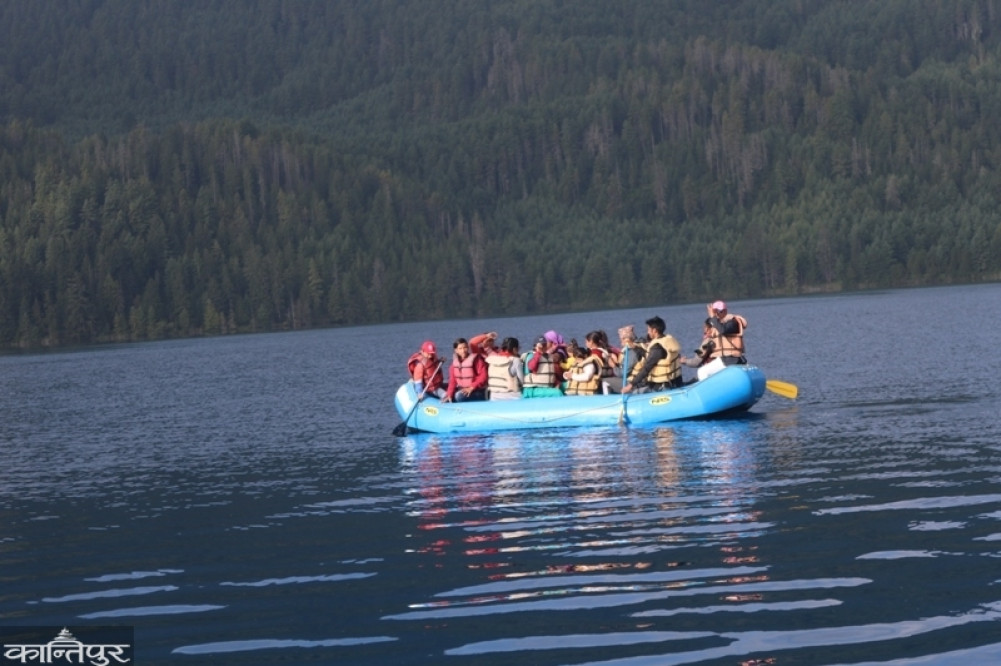
Booking cancellations have had a major impact on the tourist destinations of Pokhara and Chitwan. When the situation was better, Pokhara hotels used to have 80 percent occupancy during the spring season, but now it is limited to around 60 percent. Bardiya is disappointed. Koseli in Jumla is not selling well.
We use Google Cloud Translation Services. Google requires we provide the following disclaimer relating to use of this service:
This service may contain translations powered by Google. Google disclaims all warranties related to the translations, expressed or implied, including any warranties of accuracy, reliability, and any implied warranties of merchantability, fitness for a particular purpose, and noninfringement.
The West Asian tensions have affected the country's tourism sector. Tourists preparing to come to major destinations here from third countries have started canceling their bookings in droves. The country's major tourist destinations Pokhara and Chitwan have been hit the hardest. Pokhara's only five-star hotel, Pokhara Grand, used to have 80 percent occupancy in previous spring seasons. However, due to the impact of the war, it has dropped to 50 percent this year.
He said that the hotel is conducting promotional programs to attract more expensive Indian tourists to replace the European and American tourists who have decreased due to the impact of the West Asian war. 30-40 percent of tourists from Europe and America have canceled their bookings. Some have put them on hold. New bookings from those countries have almost stopped. Indian tourists account for half of the current occupancy. The rest are occupied by domestic tourists. The number of Chinese tourists is increasing.
‘Indian tourists are currently supporting business,’ he said, ‘domestic tourists have also increased because of the holidays on Saturdays and Sundays and the closure of schools.’ He said that the hotel is conducting promotional programs to attract more expensive Indian tourists to replace European and American tourists who have decreased due to the effects of the West Asian war.
At the Temple Bell Boutique Hotel and Spa on Pokhara’s lakeside, 30 percent of foreign tourists have canceled bookings in the current season. American, European and Canadian tourists were among the many who canceled bookings. Bhishma Raj Poudel, the owner of Temple Bell and secretary of Rewan Pokhara, says that disruptions at airports in Dubai and Qatar, travel becoming risky and even increasing air fares have directly affected Nepal’s tourism.
‘The good thing is that the number of Indian tourists has increased significantly,’ Poudel said, ‘especially the number of religious tourists reaching Muktinath has increased.’ He said that the arrival of Indian tourists has brought relief to Pokhara’s tourism. ‘Lakeside seems to be bustling since Friday due to the holidays on Saturday and Sunday,’ he said. He said the number of Chinese tourists has increased slightly from before.
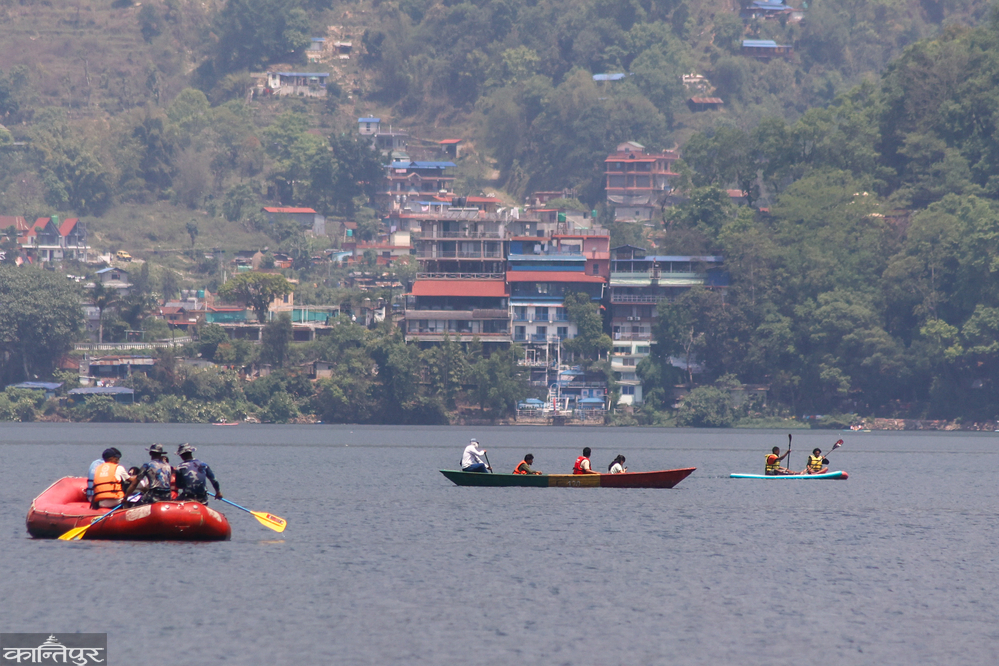
Operations Manager Bhavishwara Adhikari said that bookings for 200 rooms made in Chaitra for 200 nights at the three-star Hokke Hotel in Lumbini, the birthplace of Buddha, have been canceled. ‘Now, bookings have stopped coming,’ he said, ‘the hotel is deserted even during the tourist season.’
1,200 foreign tourists had booked at another Kasai Hotel in Lumbini last Chaitra. Of these, 500 have canceled their bookings, says hotel manager Prajwal Karki. Manesh Limbu, president of the Meghauli Ghatgain Nature Guide Association in Chitwan, says that none of the tourists who had booked have arrived. “I had groups from Germany and Spain who had booked directly with me. They were supposed to come on March 21. They cancelled at the last minute,” Limbu said. “Foreign tourists are coming less even during the tourist season.” Om Pandey, president of the Sauraha Regional Hotel Association in East Chitwan, says that 20 to 25 percent of bookings have been canceled in the current season. He said that even those who said they would come without canceling their bookings have not arrived. “They book saying that 20 people will come. But only 10 people come when they arrive,” Pandey said. 1,200 foreign tourists had booked at another Kasai Hotel in Lumbini last Chaitra. Of these, 500 have cancelled their bookings, says hotel manager Prajwal Karki. ‘Foreign tourists come around Buddha Jayanti,’ he said. ‘As the Iran-US war drags on, it has become difficult to see foreigners.’ He said that bad days have begun for tourism.
The second biggest season after autumn in terms of tourist arrivals is spring. During this season, Pokhara receives a lot of tourists from third countries who are trekking in the Annapurna region and Indian tourists who are going to Muktinath. Tourists spend the night in Pokhara on their way out and back on their treks. Since schools are closed, lakeside hotels are also full of domestic tourists who come to visit with their families.
According to Laxman Subedi, president of the Pokhara Hotel Association, Pokhara, when conditions were comfortable, the occupancy rate in Pokhara hotels used to be up to 80 percent during the spring season. He said that the occupancy rate is now around 60 percent. He said that although the West Asian War had an impact on the decline in tourist arrivals, the increase in fuel prices did not have a significant impact. “If there had been a situation where petroleum products were not available, tourism would have been greatly affected,” he said. “Since tourists who go out to visit are in a spending mood, the increase in fuel prices does not make much sense.”
Timilsina said that since the transportation cost to visit Nepal from India is cheaper, Indians come to Pokhara in their own vehicles. ‘Since buying a car there is cheaper, travel and tour operators provide services at a cheaper rate,’ he said, ‘that is why Indian tourists going to Dubai are currently diverting to Pokhara.’
Timilsina said that the number of Indian tourists who bring food and other materials from India in their own cars and cook and eat by themselves has been decreasing recently. He said that after the prohibition of alcohol in Bihar, Indian tourists used to come to Pokhara in a day and have fun. ‘There are Indian tourists here, from spending money in casinos to five-star hotels to saving small hotels,’ he said.
The West Asian war has also affected the tourism sector of Chitwan. Hoteliers said that foreign tourists in Chitwan, a major destination for wildlife viewing, have canceled bookings and that fewer people have shown interest.
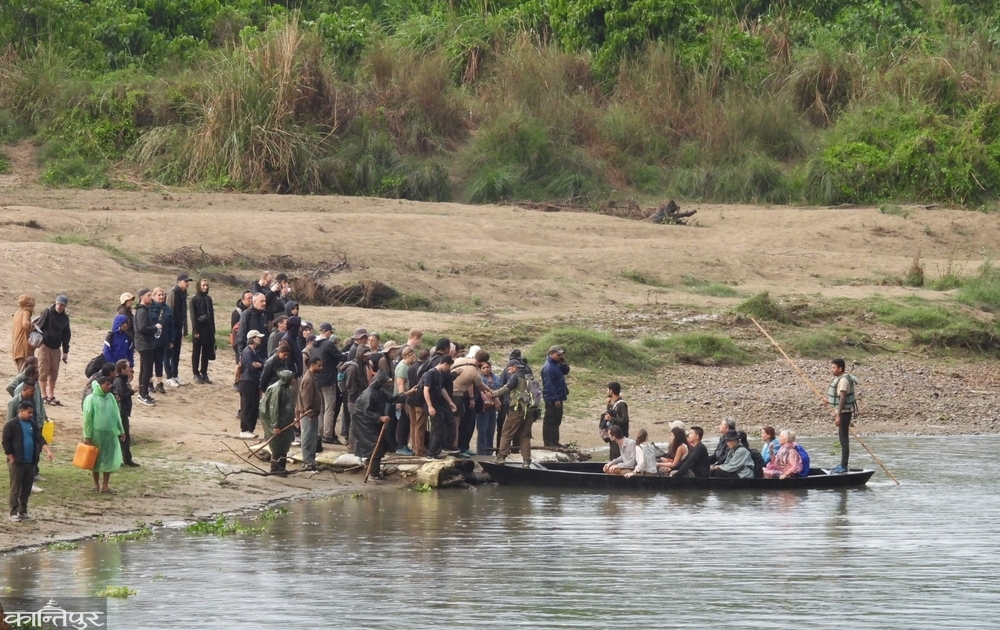
Sauraha’s nature guide Samjhana Tiwari has been busy for the past month. She said that despite the rush to take tourists to the forest, the number of foreigners is low. “Recently, about 80 percent of those who have come have been domestic. Indians and other foreigners are about 10 percent each,” she said. “In previous years, domestic tourists used to be around 60 percent and the rest were foreigners.”
The number of domestic tourists in Chitwan National Park is satisfactory. The US-Iran war has almost stopped foreign tourists coming from the Gulf countries and their flights, said conservationist and Sauraha tourism entrepreneur Basu Dhungana. He said that the number of foreign tourists coming from India has also decreased. “After the Iran war, bookings started getting canceled. There has been some relief only because Nepalis are doing well,” he said. Hoteliers said that foreign tourists have canceled bookings in Chitwan, a major destination for wildlife viewing, and that fewer people have shown interest.
Sauraha used to be crowded as it was the tourist season. According to Chitwan National Park, a total of 197,136 tourists, including 119,200 domestic tourists, 12,179 from SAARC countries and 65,757 foreigners, have visited the park from Shrawan to Chait in the current fiscal year.
Chitwan National Park Information Officer Abinash Thapa Magar said that the number of Nepalis visiting Chitwan in Falgun/Chait has decreased compared to Poush/Magh. Compared to last year, the number of Nepalis visiting Chitwan in Falgun/Chait has increased. Last year, 11,776 Nepalis visited the park in Falgun and Chait. This year, 15,691 Nepalis visited the park in Falgun and Chait, and 13,925 Nepalis visited the park in Falgun and Chait, said Information Officer Thapa Magar.
In Falgun this year, 1,387 people from SAARC countries visited the park and 2,344 in Chait. Similarly, the park's details mention that foreign tourists came in Falgun from 10,326 and 9,717 in Chait. Last year, 2,065 people from SAARC countries visited in Falgun and 2,606 in Chait. Last year, 8,227 people from Falgun and 11,191 people from third countries visited Lumbini. Foreign tourists have also decreased in Lumbini, the birthplace of Buddha. As tensions between the US, Israel and Iran increase, the number of foreign tourists in the birthplace of Buddha has decreased sharply. Lumbini Hotel Association President Leelamani Sharma said that 60 percent of foreigners visiting Lumbini have canceled their hotel bookings. The number of tourists from Europe and America, who come to Nepal via Middle Eastern countries, has decreased. "They have not been able to come due to air insecurity and flight cancellations," Sharma said. "If this situation continues, the tourism sector will be badly affected, just like the COVID-19 pandemic."
Lumbini has become deserted now. Ancient Kapilvastu, Niglihawa, Gotihawa, Devdaha and Ramgram under the Greater Lumbini region are also deserted. There are 82 small and large hotels and restaurants in Lumbini. The number of tourists coming to Nepal has decreased due to Qatar and the UAE being the main transit points, said Lumbini Development Trust Senior Information Officer Haridhwaj Rai. Tourists and pilgrims from about 100 countries of the world visit Lumbini every year. He said that a new promotion plan should be made as the conflict and unrest in foreign countries have affected Nepal's tourism sector.
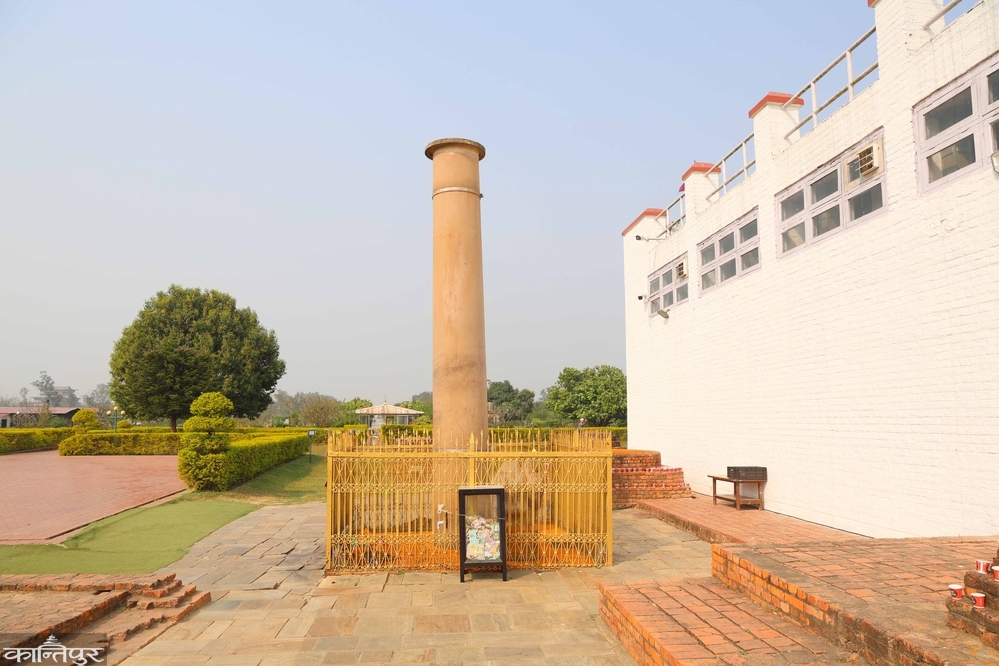
Lumbini Hotel Association President Leelamani Sharma said that 60 percent of foreigners coming to Lumbini have canceled hotel bookings. The number of tourists from Europe and America, who come to Nepal via Middle Eastern countries, has decreased.
‘The number of domestic tourism has decreased due to the increase in fuel prices,’ Chaudhary said, ‘Foreign tourists are coming sporadically.’ He said that the number of tourists has decreased as the fares have also increased due to the increase in fuel prices. He said that foreigners who have come here are also spending less. Businessmen are disappointed after the Thakur Vira, a major tourist destination in Lumbini Province, is devoid of tourists. Recently, the number of travelers has decreased due to the increase in fuel prices, which has led to a decrease in the tourist area of the district. Mohanlal Chaudhary, President of the Bardiya Chapter of the Hotel Association of Nepal, said that the increase in fuel prices due to the shortage of fuel has directly affected the tourism sector.
‘There is a shortage of quality guests who can spend more,’ said Chaudhary. ‘In normal circumstances, domestic tourism used to cost only Rs 12,500 for a one-day jeep safari,’ said Chairman Chaudhary. ‘But with the increase in diesel prices, domestic tourism has recently cost Rs 18,500 for a one-day jeep safari.’
It is even more expensive for foreigners. Krishna Bahadur Shah, Chairman of the Nature Guides Association of Bardiya, said that tourism activity has decreased compared to before due to the increase in fuel prices. Krishna Prasad Bhattarai, Chairman of the Ecotourism Development Forum, said that the number of tourists has dropped sharply due to the increase in fuel prices and fares. ‘All bookings have been canceled since the Gen-G movement,’ he said. ‘I am seeking loans to pay salaries to employees.’
From last Shrawan to Chaitra, 13,047 Nepalese, 819 from SAARC countries and 5,249 foreign tourists visited the park, said Bardiya National Park Information Officer Sarojmani Poudel.
The number of tourists visiting Karnali has decreased after the increase in the price of petroleum products. Now, tourist vehicles have stopped being seen on the roads here. There used to be many tourists who would reach Raratal in Mugu and then reach Khalanga in Jumla via the Karnali Highway. Tourists used to be found at the crossroads of Khalanga, the district headquarters. The hotels here used to be full of tourists.
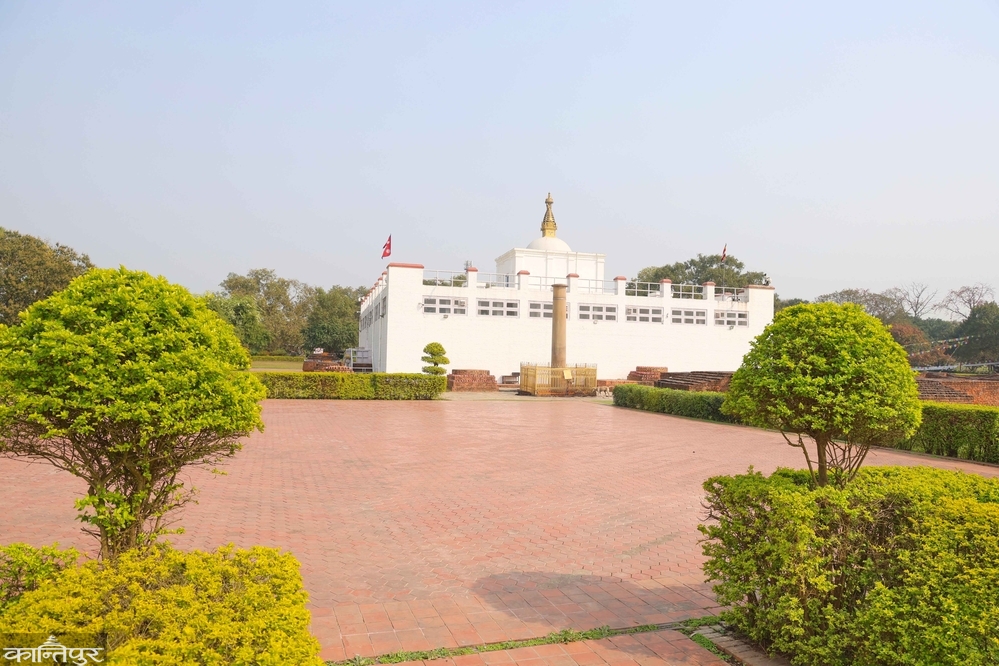
The district headquarters Khalanga has been deserted for a week. With the decrease in tourists, local products have stopped being sold. Local Raju Bohora says that the sale of organic products has decreased. According to him, a week ago, organic products worth up to Rs 100,000 were bought and sold in a day. Now, transactions of up to Rs 15,000 are not happening in a day. ‘Tourists are not coming, citing the price hike,’ he said. ‘Business has declined due to the lack of guests.’
Flights carrying tourists to the district have also been focused eastwards. ‘There are fewer vehicles on the road,’ said Bohora. ‘Khalanga is deserted now.’ He said that hotels used to be full of domestic and foreign tourists at this time, but now it has become deserted. Tourists come to Khalanga after visiting Rara Lake through the Sinja Valley of Karnali. They visit the Chandannath Temple and buy local products before returning.
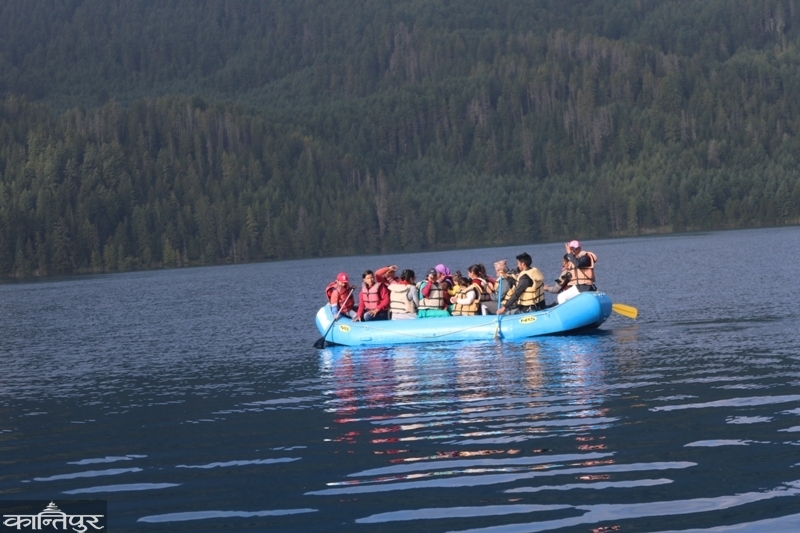
Amar Bahadur Thapa, chairman of the Chandannath Bhairavnath Guthi Committee, says that the number of tourists has decreased. According to him, there used to be a figure of up to 500 tourists visiting the temple every day. Now, not even 20 people reach there. Tourists enter Jumla to observe Shey-Phoksundo in Dolpa. Tourists who come here bring back everything from apple chickpeas, bean lentils, bean seeds, clothes made from local sheep wool to phapar, chino, kaguno, and marsi rice. Deepak Pariyar (Pokhara), Ramesh Kumar Poudel (Chitwan), Manoj Poudel (Lumbini), Ram Prasad Chauhan (Bardiya) and DB Budha (Jumla)