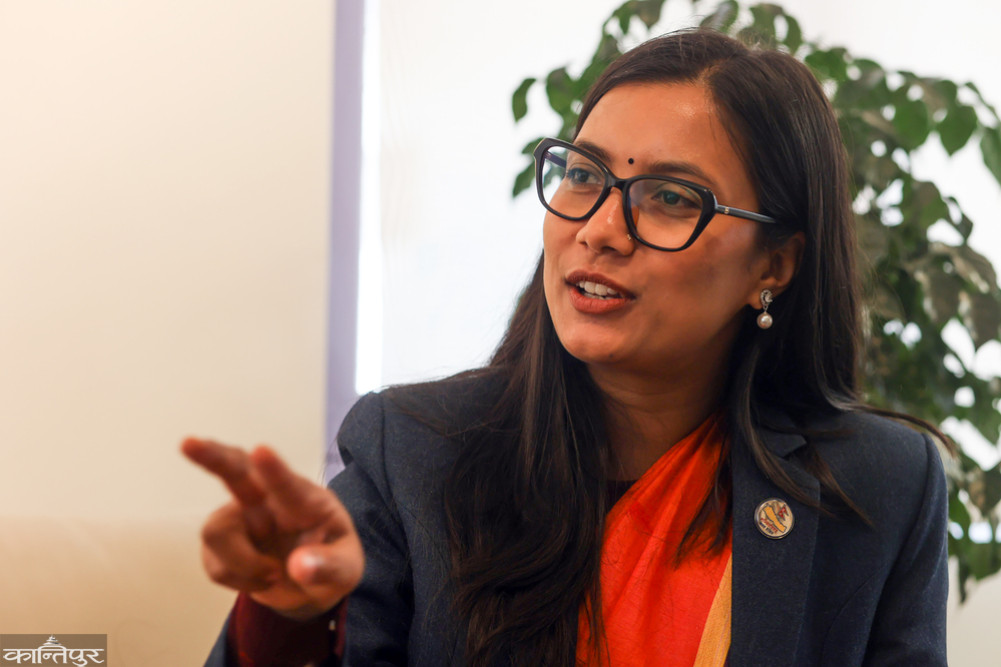
In a conversation with Kantipur, newly appointed Minister Sobita Gautam said that the KP Oli-led government decided to form a commission, the subsequent government formed a commission, and now they have reached the stage of implementing it.
We use Google Cloud Translation Services. Google requires we provide the following disclaimer relating to use of this service:
This service may contain translations powered by Google. Google disclaims all warranties related to the translations, expressed or implied, including any warranties of accuracy, reliability, and any implied warranties of merchantability, fitness for a particular purpose, and noninfringement.
The Rashtriya Swayamsevak Sangh (RSS) has won nearly two-thirds of the seats in the House of Representatives elections held on 21 Falgun. This mandate is seen as an opportunity to maintain good governance and run a single government for five years for the development of the country. The Rashtriya Swayamsevak Sangh (RSS) also formed a 15-member cabinet on Friday. In a strong government, Sobita Gautam () has been given the responsibility of the Ministry of Law, Justice and Parliamentary Affairs. Gautam will have to work in areas ranging from the judiciary, parliament and transitional justice. In this context, Durga Dulal () and Jaisingh Mahara () spoke to Kantipur: Former Prime Minister and UML Chairman KP Sharma Oli and former Home Minister and Congress leader Ramesh Lekhak were arrested soon after the government was formed. You are also a law student along with the Law Minister. Did you have to rush to arrest Oli and Lekhak by issuing necessary arrest warrants, seeing the possibility of destroying evidence or fleeing? The arrest may be recent, but it is not the only incident that has happened recently. When Oli was the Prime Minister, the decision to form the commission was made on 23 Bhadra. The government that they formed (led by Sushila Karki) formed the commission. The commission formed by that government investigated and studied and submitted a report. When it reached the stage of implementing that report, we came to the government. If we talk about this arrest incident in a sequential manner, the decision to form the investigation commission was made by one government, another government formed it, and this government was given the responsibility to implement it. If we look at it from the people's eyes without looking at who is in the government, the events have progressed in a sequential manner. We have decided to take forward the report of the committee they formed. As soon as this government was formed, it took the initiative to make arrests when the courts were closed. The government could have made arrests by obtaining permission from the court instead of the necessary arrest warrant. However, it is said that it hastily proceeded with the arrests without considering the investigation, right?
The government has the objective of working according to the people's 'mandate'. The issue of arrests was not related to my ministry. The Home Minister has also said that the 'spirit' of the people's 'mandate' is to do justice, to act according to the law. He has said that this is not revenge, but a matter of justice.
The KP Oli-led government had decided to form a commission, the subsequent government formed it, and we have now reached the implementation stage.
He himself will have a lot to say on this issue. As far as the implementation of the report is concerned, the Oli-led government had decided to form a commission. The next government formed it. And now we have reached the implementation stage. We have expressed the opinion that it should be implemented. What and how to implement it is a matter related to the Home Ministry. I think that whatever should be done should be done according to the law and whether it was done according to the law or not is up to him (Home Minister Sudhan Gurung). Why was an urgent arrest warrant issued, he will say in the coming days.
In principle, we are in the right place when it comes to the implementation of the Karki Commission report. We are clear that we should work according to the law. Whatever developments we are seeing here now, they do not proceed in any other way than according to the law. We will proceed in the same way as the law says. My only point is that we cannot act outside the law, above the law, we are aware of that. How is the government looking at the issue of one side questioning the Gauri Bahadur Karki Commission and accusing it of taking sides in the report?
What do you say to those who suspect that the country will be heading towards instability and political conflict if the two-thirds government initially takes political revenge?
We do not have the right to seek revenge and lead the country towards political conflict and create an environment of instability. If we think about the arrest incident without looking at it as an individual, the country has high expectations now. We have always been in instability. If we look at the history of Nepal, democracy came in 2007 BS. Democracy came through a rebellion. After that, political changes have occurred every 10-15 years.
We do not have the right to seek revenge and lead the country towards political conflict and create an environment of instability.
Those changes were born due to political dissatisfaction. After the people's movement of 2062/063, we went to the peace process. From now on, there will be no conflict in the country, there will be no war in the country, we have gone towards peace. When we go towards peace, it means that the country's priority is now economic prosperity. But the citizens are asking the government whether we have been able to achieve economic prosperity in the country as we expected. The people themselves are asking themselves what happened after the people's movement.
After we entered the parliament in the 2079 elections, we played our role as the opposition with restraint. We did not engage in anarchic activities and unparliamentary work. When we said, "Let us have our say in parliament, we should be able to say our say, in a democracy we should be able to say it, we should be able to question the government," we tried to stop our voices when we said it with restraint. They tried to suppress our voices. We were feeling this. The people were also doing it. That is why the elections to be held in 2084 came in 2082. Why did we get this kind of public opinion? The people said through their votes that what the previous government was doing was not a good practice. It was moving forward in an undemocratic way. The people were saying this, they also expressed it through their votes. Therefore, now it is not up to us to cause such political conflicts. In the meantime, it took 10 years to draft the constitution. When it took 10 years to draft the constitution, it was not possible to provide good governance and rule of law according to the people's wishes within the framework of the interim constitution. 10 years has been a long time for the people. Perhaps the people were feeling weak in matters such as good governance, a sense of justice, and eradicating corruption. During this period, political changes were seen one after another, but if we sat on the ground and looked, questions like whether inflation had decreased or not, whether the people had received justice or not, whether education was accessible to all, whether health was accessible to all were being raised at the public level. There was dissatisfaction among the people. We felt that that dissatisfaction would arouse discontent with the system itself, as if the system itself had been questioned.
What I would like to urge the leaders of parties, civil society, and politics is that democracy belongs to all of us, in a democracy everyone should be able to speak, everyone's voice should be heard, no one should stop or obstruct anyone. The government is aware of this issue. If there are questions being asked whether the current events were not in accordance with the democratic process, I would like to say that we did not take revenge on anyone, stop anyone, or obstruct anyone. This was the people's 'mandate'. After the people came to the RSVP government, our youth were killed in the incident of 23 Bhadra, we should know clearly about them and who committed the wrongdoings and shortcomings that happened that day, they should be punished. Someone or the other should be held accountable for that incident and we should be given answers, he had said.
There are also Nepalese people who want an investigation into the destruction that took place on 24 Bhadra and action against those involved in that destruction?
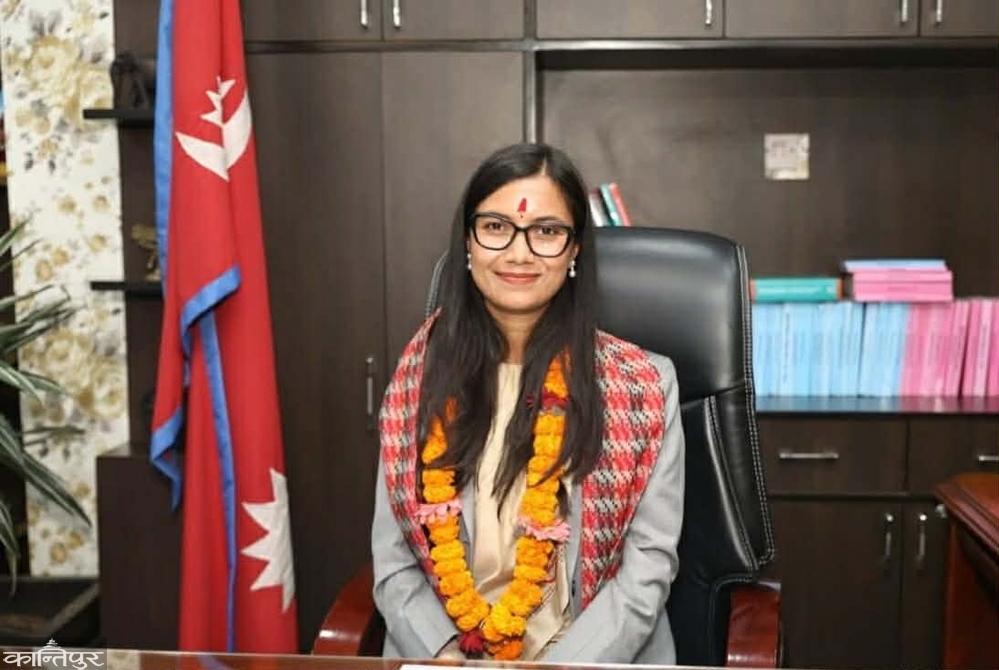
There are. However, whatever has been said in the report of that investigation committee, we will implement it. We have decided to proceed according to the law. The investigation committee was formed. We are currently implementing its report. There is nothing else to it, we will proceed with whatever 'mandate' we received according to the law.
You have been given the responsibility of the Ministry of Law, which is not always discussed but is an important ministry. What are your priority plans and priorities?
A new government has just been formed. This government has received public opinion to run the government confidently for five years. The new government has the responsibility to ensure good governance, control corruption and economic prosperity as well as equitable justice. To fulfill this, it is also obliged to stay within the boundaries of the constitution. It will have to make laws within this. What happened in the past was yesterday's thing. Now this government does not have the freedom to keep doing yesterday's things. Now we have to give new things and do things that were not done in the past. We will now have to move forward by improving the work that was incomplete in the past. We need to move forward by making a basis for fulfilling the promise that our party brought before the election. We will study it and move forward. The Ministry of Law is a ministry that works on long-term interests, even if it is less directly connected to the people or connected to the daily lives of the people. This ministry is a place to comment on what the government did in the long term rather than providing immediate relief to the people.
Now, how many laws are left to be made after I take over as a minister. The main issue is how quickly we will move forward to make them all. Initially, we will determine the legal basis. We will prioritize those things that are necessary to fulfill the goals taken by this government in lawmaking. On the first day, there was only a briefing on what is in the ministry. Now we will move forward in a planned manner. What is the current status of the ministry? How are you working? What is the manpower there? We have only been asked to gather information on this issue. Now we have received a 'mandate' to work at a new pace. We will have to explain that issue to the employees of the ministry.
Even after 10 years of the promulgation of the constitution, some federal laws have not been made, which has led to problems in implementing the constitution. How do you prioritize the work of making these laws?
The greatest expectation of the people is good governance. This is also the reason why good governance should be given first priority when determining priorities. The first phase is to establish good governance and remove obstacles in the formulation and implementation of laws necessary for that. Then, we will pay attention to why federal laws to implement it have not been made even after 10 years of the promulgation of the constitution.
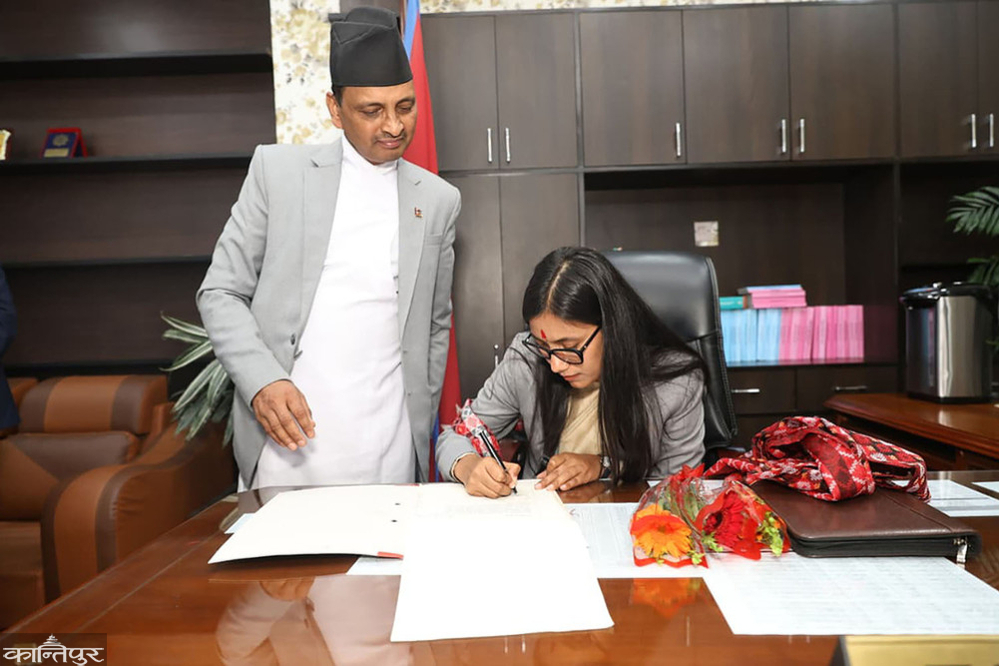
Arrest of Oli and the writer We did not do it to take revenge on anyone, stop anyone, or deter anyone, this was the 'mandate' of the people.
Similarly, there is a provision in the constitution to review some provisions. Similarly, when some provisions in the constitution have not been implemented, it is necessary to know whether the constitution has worked or not. For that, the ministry also needs to conduct a study. Similarly, there are some contradictions in the law. There are also duplicate laws. We are preparing to move forward by prioritizing all of these and preparing a framework for work.
Similarly, we have made an act to make provisions regarding legislation after extensive discussions in the previous parliament. At that time, I was also in the same committee. We have said that through that act, the government will determine when and which laws it will bring to parliament. Now, the parliament will have advance information about which laws the government is giving. We will table the bill according to a timetable, make it available for public study, and make it public. In the first phase, we also have to convince the people that good governance will happen. For that, we need to make some laws and work on implementing the constitutional provisions. In this way, we determine the priorities separately, considering the immediate and long-term needs, and then work.
You talked about good governance. The constitution said that ‘other commissions’ would be abolished in 10 years. This deadline set by the constitution has passed. How do you move this forward?
The issue of amending the constitution is now not only a matter of the National Independent Party, but of all citizens and political parties in this country. संविधान संशोधनको विषयमा पक्कै पनि रास्वपासँग बलियो उपस्थिति छ । तर त्यो भनेर हामी एक्लै अघि बढ्ने पक्षमा छैनौं । संविधान संशोधन गर्नका लागि के–के विषयवस्तुलाई प्राथमिकतामा राख्ने ? जनताको आवाज के छ ? यस्ता सन्दर्भमा सबै दल मिलेर नै अघि बढ्नुपर्छ ।
हामी बढी उपस्थिति भएका कारणले गर्दा हाम्रो कुरा अलि बढी जनतासामु पुर्याउन र जनताका कुराहरू लिएर आउन सहज होला । तर सबै दल, सबै स्टेक होल्डर तथा नागरिक समाजसँग पनि हामीले संवाद गर्न जरुरी छ । उहाँहरूलाई संवादमै राखेर आवश्यक पर्ने कुराहरू साथै लिएर अगाडि लैजानुपर्छ । तपाईंले १० वर्षमा पुनरावलोकन गर्नुपर्ने आयोगहरूको कुरा उठाउनुभयो, सुशासनको पहिलो अभ्यास नै यसबाटै सुरु हुन्छ ।
सरकारले सुरुमा तीन महिनाको पहिलो प्राथमिकता निर्धारण गर्छ, अनि त्यसपछिको अवधिमा के कति काम भयो र अरू काम कसरी गर्ने भन्नेबारेमा खाका बनाएर अघि बढाउने काम हुन्छ । वाचापत्रमा हामीले जसरी भनेका थियौं, त्यसैलाई आधार बनाएर, त्यसलाई केन्द्रबिन्दुमा राखेर काम गर्छौं । तीन महिनामा भने अलिकति फ्रेमिङ गर्न हामी लागेका छौं । अनि कसरी सरकार अघि बढ्छ भन्ने सबैले अनुमान लगाउन सक्नुहुन्छ ।
अर्थमन्त्रीले पहिलो निर्णय नै राजस्व अनुसन्धान विभाग र अर्थसँग जोडिएका केही कानुनहरू खारेज गर्ने कुराबाट सुरु गर्नुभयो । हामीसँग कामै नलाग्ने र दोहोरोपन देखिने धेरै कानुन मौजुदा छन् । यी कानुनलाई एकीकृत गर्नेबारे योजना के छन् ?
अघिल्लो कार्यकाल सांसदका रूपमा रहँदा मैले पनि अनुभव गरेको हो, हामीकहाँ सिस्टम वा कानुन मन्त्रालयको नेतृत्व र कोर्डिनेसनमा कानुन मस्यौदादेखि निर्माणसम्म हुने रहेनछ ।
संविधान संशोधनको विषयमा रास्वपासँग बलियो उपस्थिति छ, तर एक्लै अघि बढ्ने पक्षमा छैनौं, सबै दल मिलेर नै अघि बढ्छौं।
हिजोमा दिनमा कानुन मन्त्रालय मात्र होइन, राज्यकै निकायबीच राम्रो कोर्डिनेसन भएन होला तर अब त्यस्तो छुट यो सरकारलाई छैन । किनकि यो रास्वपाकै मात्र बहुमत प्राप्त सरकार हो । एकअर्कामा समन्वय गरेर काममा दोहोरोपन नआउने गरी एकद्वार प्रणाली हुनुपर्छ । यसका लागि सिस्टम बनाउन जरुरी छ । यही सिस्टमभित्र काम गराउने हो ।
मन्त्रालयगत रूपमा कानुन मस्यौदाको काम हुने गरेको छ । कानुन बनाउने काममा कानुन आयोगलाई पनि समावेश गरेर उसले अध्ययन गरेर ड्राफ्ट गर्ने अभ्यास सुरु गर्नुपर्छ । अनि जति पनि कानुन निर्माण हुन्छन्, त्यसमा कानुन मन्त्रालयको अनिवार्य भूमिका हुनुपर्छ । कानुन मन्त्रालयलाई जानकारी नदिई वा थाहा नभई कानुनलाई दोहोरो बनाउने काम कसैले पनि नगरोस् भन्नका लागि पनि काम गर्नुपर्नेछ । यी सबै कुरालाई व्यवस्थापन गरी समन्वय गरेर एकद्वार प्रणालीबाट काम गर्ने अभ्यास अब सुरु हुन्छ । हाम्रा राज्यका भनौं या देशमा भएका जति पनि संरचनाहरू छन्, ती सबै निकायका बीचमा राम्रो कोअर्डिनेसन हुन जरुरी छ । यसले मात्र एकआपसमा बाझिएका र दोहोरो भएका कानुनहरूलाई एकीकृत गर्न सक्छौं । हामीले यही कानुन निर्माणकै लागि भनेर कानुन आयोग पनि बनाएका छौं । तर त्यसले के गरिरहेको छ भन्ने थाहा छैन ।
तपाईं कानुनमन्त्री मात्र नभई न्याय परिषद् सदस्य पनि भएकाले अदालतमा राजनीतिक व्यक्तिहरूको प्रवेशदेखि न्यायपालिकामा हुने विकृतिविरुद्ध कस्तो कदम चाल्नुहुन्छ ?
जे हुन्छ, कानुनबमोजिम हुन्छ । हामी कानुनभन्दा माथि छैनौं । हामी विधिको शासनमा विश्वास गर्छौं । यही अनुसार जे हुन्छ, कानुनबमोजिम नै हुन्छ । कुनै काम गर्नुपर्ने अवस्था आयो भने कानुन बनाएर नै गरिन्छ । कानुनभन्दा बाहिर गएर केही पनि गरिँदैन । त्यस कारणले ‘के हुन्छ ?’ भन्ने प्रश्न नै हुँदैन । विद्यमान कानुनमा जे छ, त्यसलाई पूर्ण कार्यान्वयन गर्ने हो । आवश्यक परे कानुन बनाएर पनि उत्कृष्ट काम गर्ने कोसिस मेरो हुनेछ । विधिकै शासन हुनुपर्छ त्यसमा हामी प्रतिबद्ध छौं । न्याय परिषद्ले पनि त्यही कुराको पालना गर्नुपर्छ ।
तपाईंले कानुनमन्त्रीको जिम्मेवारी पाइरहँदा सार्वजनिक चर्चामा भने सर्वोच्च अदालतको प्रधानन्यायाधीश को हुने र यसअघि राजनीतिक भागबन्डा गरिएका न्यायाधीशको पद के हुन्छ भन्ने विषय छ । रास्वपाको यसमा नीति के हो ?
न्यायालय सबैभन्दा बढी सुशासन र न्यायको अनुभूति दिने थलो हो । सरकार पनि गलत बाटोमा जान लाग्यो र सुशासनको ‘म्यान्डेट’बाट बाहिर जान लागेको अवस्थामा न्यायालयले नै सच्याएर सही बाटोमा हिँडाउने हो । तर अहिले सबैभन्दा बढी सुधार न्यायालयमा हुनुपर्ने विषय उठिरहेको छ ।
विद्यमान कानुनमा जे छ, त्यसलाई पूर्ण कार्यान्वयन गर्ने हो, आवश्यक परे कानुन बनाएर पनि उत्कृष्ट काम गर्ने कोसिस मेरो हुनेछ।
जनतालाई न्याय भयो भनेर अनुभूत दिलाउन नसक्ने हो भने न्यायालय रहनुको कुनै अर्थ रहँदैन । त्यसैले न्यायालय सुधारका पाटोमा हामीले धेरै काम गर्नुपर्नेछ । सर्वोच्च अदालतको पुरानो नेतृत्व बिदा हुँदै नयाँ आउनेक्रम छ । उहाँले पनि अब कसरी लैजानुहुन्छ भन्ने प्रश्न पनि बाँकी छ । कानुन मन्त्रालय अदालतको पनि एउटा सम्पर्क मन्त्रालय मात्र हो ।
न्यायाधीश नियुक्ति गर्दा खुलेआम राजनीतीकरण भएको कुरा सार्वजनिक सञ्चारमाध्यमले उठाएकै हुन् । त्यही कारणले गर्दा विकृति आयो । त्यस्तै शब्दमा भनिने तर कानुनमा नदेखिने अनि व्यवहारमा देखिने त भएकै छ । कानुनले हेर्दा सबै कुरा पारदर्शी हुने तर व्यवहारमा अपारदर्शी हुने किन भयो ? यसको उत्तर त अब जनतालाई दिनुपर्छ । अदालत अलग्गै निकाय भएकाले त्यहाँको कामकारबाही आफ्नै रूपमा स्वतन्त्रपूर्वक सञ्चालन हुन्छ । सरकारले न्यायालयको काममा कुनै पनि हस्तक्षेप गर्दैन र गर्न पनि मिल्दैन । तर अब कानुन निर्माण गरेर न्यायालयलाई पनि एउटा स्थितिमा राख्ने काम हुनुपर्छ भन्ने देखिन्छ ।
यही जवाफ खोजेर नै जनताले हामीलाई मत दिएका हुन् । अदालतमा राजनीतीकरण गर्ने अनि राजनीतिक सम्बन्धहरूका आधारमा राजनीतिक नियुक्तिहरूझैं न्यायाधीश बनाउने काम पनि भएकै हो । फेरि पनि मैले दोहोर्याएँ, यसमा ‘नो इफ, नो बट’, जे हुन्छ, कानुनबमोजिम हुन्छ । कानुन नै उपयुक्त निर्माण गर्नुपर्छ, त्यसमा सुधार गर्नुपर्ने पाटाहरू छन् ।
धेरैले विगतमा एमाले, कांग्रेस र माओवादीले नियुक्ति गरेका न्यायाधीशहरू थिए, अब रास्वपाले भर्ती गर्छ भनेर आशंका गर्छन् नि ?
त्यस्तो हुँदैन । त्यही काम नगर्नका लागि जनताले हामीलाई ‘म्यान्डेट’ दिएका हुन् । मैले माथि नै भनें, जे हुन्छ त्यो कानुनबमोजिम नै हुन्छ । यदि कसैलाई मेरो योग्यता छ, म नेतृत्व गर्न र त्यो पदमा पुग्न योग्य छु भन्ने लाग्छ भने उसले खुला प्रतिस्पर्धामा भाग लिनुपर्छ । विद्यमान र निर्माण हुने कानुनको क्षेत्राधिकारभित्र अटाउन सक्नुपर्छ । विगतमा उठेका आचारका विषयलाई अब अनदेखा गरिँदैन । ती सबै रेकर्डमा हुन्छन् र हेरिन्छ । हामी कसैलाई ‘फेभरेटिजम’ को काम गर्दैनौं, बायस हुँदैनौं र सिस्टमभित्र कानुनबमोजिम उपयुक्त पात्र छनोट गर्ने विधिलाई बलियो बनाउँछौं ।
तपाईं आउँदै नयाँ प्रधानन्यायाधीश नियुक्तिका लागि संवैधानिक परिषद्ले सिफारिस गर्नुपर्नेछ । ६ जनाको एउटा रोस्टर न्याय परिषद्ले पनि पठाएको छ । रोस्टर तलमाथि हुन्छ कि हुँदैन ?
यो पेचिलो प्रश्न भयो, अहिले सबैको चासोको विषय पनि भयो । यसमा मेरो जवाफ एउटै हो– कानुनबमोजिम हुन्छ । विगतमा जे जति भयो, अबचाहिँ कानुनबमोजिम हुन्छ । कानुनअनुसार योग्यता भएका र प्रश्न नउठ्ने व्यक्तिलाई नियुक्त गरिन्छ ।
रोस्टरमा रहेका सबै योग्य भएकाले नै सिफारिस गरिएको हो नि ?
६ जना त सबै योग्य हुन् । अन्तिमबाट हुने वा सुरुबाट हुने भन्ने त कानुनबमोजिम नै हो । अनि त्यसको पनि प्रक्रिया छ । संवैधानिक परिषद्को आफ्नै संरचना छ । त्यहाँ प्रधानमन्त्रीदेखि प्रतिपक्षको नेतासमेत सहभागी हुन्छन् । पक्कै सबै विचार गरेर नै सिफारिस हुन्छ । त्यो सिफारिसपछि संसदीय सुनुवाइ हुन्छ ।
त्यसमा पनि पक्कै विचार होला । त्यसैले अहिले नै पहिलो वा अन्तिम वा बीचको भनेर तोक्न मैले देखेको छैन । को राम्रो र उत्कृष्ट भन्ने त सिफारिस गर्नेले पक्कै हेर्छन् होला नि ? त्यसमा आत्तिनुपर्ने केही पनि लाग्दैन । तर हिजोको दिनमा जसरी भयो, मेरो दलको मान्छे, म निकट मान्छे वा मेरो मान्छे भनियो । अब त्योचाहिँ हुँदैन । न्यायालयमा यसकै कारण विकृति भयो र बाहिर जनमानसले पनि यही प्रश्न उठाउँदै आए ।
अहिले सबैभन्दा बढी सुधार न्यायालयमा हुनुपर्ने विषय उठिरहेको छ, जनतालाई न्याय भयो भनेर अनुभूत दिलाउन नसक्ने हो भने न्यायालय रहनुको कुनै अर्थ रहँदैन
आजको दिनमा देशमा सुशासन र न्याय भनेर कसैलाई किन विश्वास छैन ? यसको जस त न्यायालयको नेतृत्वले नै लिनुपर्छ । न्यायालय सुधार गर्ने ‘म्यान्डेट’ पनि हामीलाई जनताले दिएर पठाएका छन् । न्यायालय सुधार गर्ने पाटो पनि हामीले प्रत्यक्ष हस्तक्षेप गरेर होइन, कानुन निर्माण गरेर र विधि बसाएर गर्ने हो । कानुनभन्दा बाहिर गएर वा कानुनभन्दा माथि गएर हामीले पनि केही गर्न मिल्दैन ।
त्यस्तो हुँदैन । यहाँ पृष्ठभूमि नभएको व्यक्ति कोही पनि छैनन् । जेसुकै पृष्ठभूमि होस् तर उसले अहिले कस्तो कार्य गरिरहेको छ भन्ने पनि हेर्नुपर्छ होला नि ? राजनीतिक पृष्ठभूमि मात्रै भनिनँ मैले, मान्छेको जीवनमा अगाडि बढ्दै जाने क्रममा त विभिन्न पृष्ठभूमिहरू हुन्छन्, तर त्यो विषय उसको काममा देखिनु हुँदैन । हिजो कुनै न कुनै पार्टीसँग आबद्ध भएर अथवा कतै न कतै नजिक भएर न्यायाधीशहरू आउनुभएको छ । तर न्यायालयमा रहँदा राम्रै काम गरेको देखियो भने पनि उनीहरूको हकमा पुरानै आँखाले हेरिन्छ कि भन्ने चिन्ता पनि छ नि ?
संक्रमणकालीन न्यायको प्रक्रिया झन्डै १९ वर्षदेखि अल्झिरहेको छ । यसपालि तपाईंहरूलाई सजिलो छ । यसलाई कसरी टुङ्याउने सोच बनाउनुभएको छ ?
संक्रमणकालीन न्यायका विषयमा हाम्रो एकदम यसमा स्पष्ट मत छ । हामी पहिला कानुन समितिमा रहँदा पनि टीआरसी लगभग सहमतिको बिन्दुमा पुर्याएका थियौं । हामी त्यतिखेर सानो साइजमा भए पनि त्यतिबेला राखेको पोजिसनमा अहिले पनि छौं । बाँकी रहेका विषयलाई अब टुंगोमा पुर्याउनै पर्छ । हामी यता पनि हैनौं, हामी उता पनि हैनौं । हामी टीआरसी टुंगोमा पुग्नुपर्छ भन्ने पक्षमा छौं । यसलाई अब धेरै लम्बाउन हुँदैन भन्ने नै हाम्रो धारणा हो ।
संक्रमणकालीन न्यायका विषयमा हाम्रो ‘पोजिसन’ पहिले जे थियो, अहिले पनि त्यही छ।
संक्रमणकालीन न्यायको एउटा अन्तर्राष्ट्रिय सिद्धान्तअनुसार नै यसको समाधान खोजिन्छ । यसको प्रिन्सिपलभन्दा बाहिर जान हामी सक्दैनौं । संक्रमणकालीन न्यायको सिद्धान्तभित्र रहेर सबै स्टेक होल्डरका बीचमा सहमति गरेर एक ठाउँमा उभिएर हामी काम गर्छौं ।
संक्रमणकालीन न्यायसँग सम्बन्धित मुद्दामा सरकार मात्रै नभई अन्तर्राष्ट्रिय समुदाय, राजनीतिक दल, पीडित र पीडकहरू स्टेक होल्डर छन् । अहिले दुवै आयोगका नियुक्तिविरुद्ध सर्वोच्चमा मुद्दा पनि विचाराधीन छ । यस्तो अवस्थामा सबैलाई मिलाएर यो विषय कसरी टुंगोमा पुग्ला ? हामी यति गर्न तयार छौं भने अब हामीलाई द्वन्द्वरत पक्ष, पीडित र अरू सबै सरोकारवालाहरू पनि सहयोग गर्न तयार हुनुपर्छ । यो निकै लामो पेचिलो मुद्दा हो । यो अब सल्टिनुपर्छ । यसलाई समाधान गर्न हामी शतप्रतिशत सहजीकरण गर्छौं ।
ती आयोगहरूमा जोसुकै रहे पनि संक्रमणकालीन न्यायसँग सम्बन्धित विषयलाई सल्टाउन चाहेको हो भने यी सम्पूर्ण मुद्दाहरूलाई संक्रमणकालीन न्यायकै सिद्धान्तको दृष्टिबाटै हेर्नुपर्छ । त्यो सिद्धान्तभन्दा बाहिर गएर हामीले हेर्न मिल्दैन । अन्तर्राष्ट्रिय समुदाय, पार्टीहरू, नागरिक समाज, पीडित सबैले यो मुद्दा के हुन्छ भनेर हामीलाई हेरिरहेको अवस्था छ । जहाँसम्म आयोगसँगका सवाल छन्, विगतको सरकारको प्रयास एक ठाउँमा पुग्यो तर परिणाम निस्किने गरी काम गर्न सकेको जस्तो देखेनौं । अहिले त्यही फ्रेमभित्र रहेर हामीले काम गर्नुपर्ने चुनौती छ । सबै जनालाई एक ठाउँमा ल्याएर सहजीकरण गरेर नै अगाडि बढ्नुपर्छ भन्ने कुरामा म प्रतिबद्ध छु । जहाँसम्म आयोगमा नियुक्तिहरूको प्रश्न छ, सरकार नयाँ बनेको छ । नयाँ सरकारले नयाँ ढंगले काम गर्न खोजिरहेको अवस्थामा सबैले सहजीकरण गरिदिए उपयुक्त हुन्छ भन्ने सरकारको धारणा रहन्छ । कसैलाई पनि यसमा छेक्ने, बाधा पुर्याउने, सम्पूर्ण प्रक्रियामा नआउनुस् भन्ने हाम्रो चाहना छैन । नयाँ सरकार नयाँ तरिकाले संयोजन गरेर अगाडि जान चाहन्छ ।