The World Bank has warned that Afghanistan is at high risk of external economic shocks and that the import-export imbalance is increasing.
We use Google Cloud Translation Services. Google requires we provide the following disclaimer relating to use of this service:
This service may contain translations powered by Google. Google disclaims all warranties related to the translations, expressed or implied, including any warranties of accuracy, reliability, and any implied warranties of merchantability, fitness for a particular purpose, and noninfringement.
The auto parts import trade in Spin Boldak, a southern Afghan trading hub, has been halted by regional conflict. The long-standing trade in Kandahar province has been severely affected by the closure of the border with Pakistan and tensions in the Middle East. The border with Pakistan has been almost completely closed since October following cross-border violence with Pakistan, cutting off the import route. Alternative routes include Bandar Abbas in Iran and the United Arab Emirates, but those routes have also been affected since the recent Middle East war. According to traders, parts from countries including Japan used to reach Spin Boldak via Pakistan, where vehicles were assembled and repaired. But now, transportation costs have skyrocketed and the supply chain has been disrupted. Traders say that trade routes around Iran and shipments through the Strait of Hormuz have also been affected as tensions in the Middle East have escalated, deepening the crisis.
According to shipping companies, delays are increasing at the UAE's main trading hub, Jebel Ali Port. This has also affected and disrupted the regular supply system between Japan and the UAE.
According to local businessmen, container costs have increased from US$2,000 to US$8,000, and many containers are stuck in the UAE and Japan.
The World Bank has warned that Afghanistan is at high risk of external economic shocks and that the import-export imbalance is increasing.
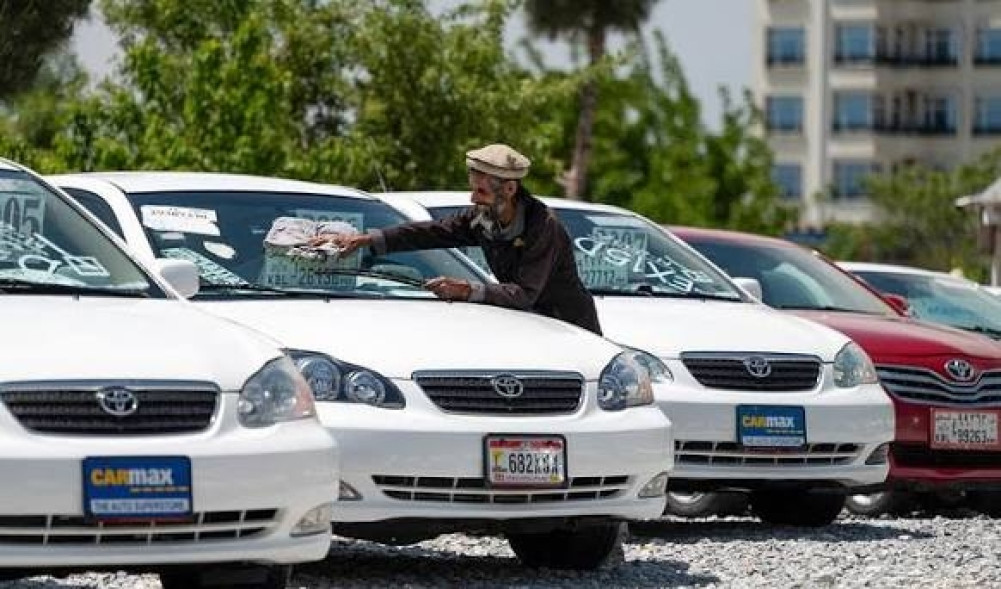
Thousands of workers and traders working in the spin-off market have been affected. Many are facing the risk of losing their jobs as car manufacturing, repair and sales activities have come to a halt.
Businessmen have expressed hope that regional tensions will be resolved and international waterways and border routes will reopen.