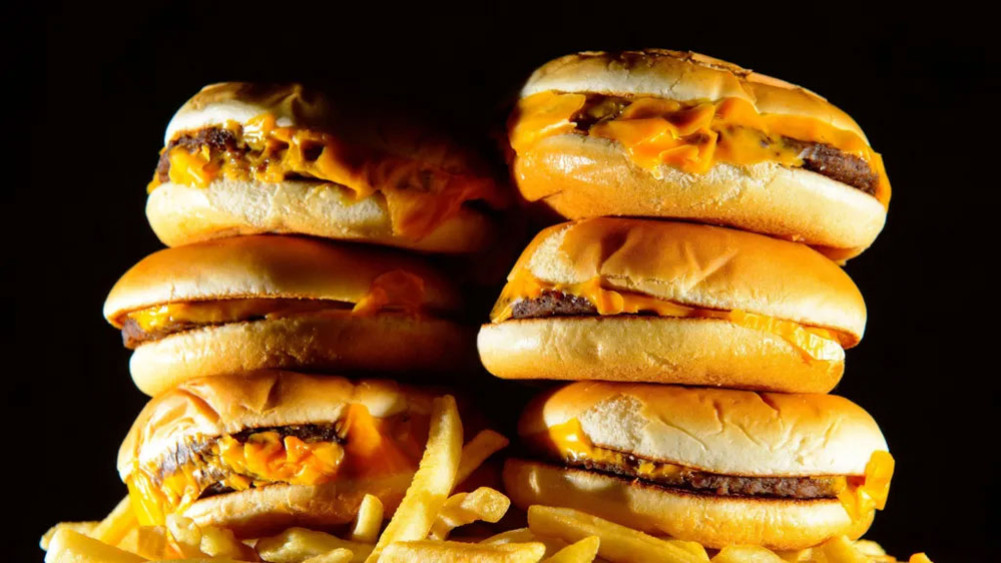
The rule, which will apply across the UK, bans advertising of foods and drinks high in fat, salt and sugar on TV before 9pm and prohibits any advertising online.
We use Google Cloud Translation Services. Google requires we provide the following disclaimer relating to use of this service:
This service may contain translations powered by Google. Google disclaims all warranties related to the translations, expressed or implied, including any warranties of accuracy, reliability, and any implied warranties of merchantability, fitness for a particular purpose, and noninfringement.
Junk food advertising on television and online has been banned in the UK since Monday in an effort to control childhood obesity.
The UK-wide rule bans advertising of foods and drinks high in fat, salt and sugar on TV before 9pm and online.
The UK government has described the ban as a ‘world-leading measure’ in a situation where children are facing obesity due to junk food. The Ministry of Health has said that the ban on advertising targeting products high in fat, salt, sugar and calories will help to make children’s diets healthier.
The partial ban on advertising of junk food products such as ‘soft drinks’, chocolate, sweets, pizza and ice cream, which are considered to be the main factors contributing to childhood obesity, has been imposed. The Food and Drink Federation (FDF) has stated that such a ban has been imposed to guarantee children’s right to a healthy diet.
In addition to unhealthy foods, the ban will also apply to some breakfast foods and porridge, sugary bread, and sandwiches. It is said that the advertising of which products will be banned will be determined by a ‘scoring tool’ based on the quality of nutrients and the amount of fat, salt, or sugar.
Plain oats and most porridges, muesli, and granola will not be banned, while advertisements for some foods with added sugar, chocolate, or syrup may be affected.
According to Josh Tilley, brand strategy director at marketing agency ‘Initials CX’, while companies will be allowed to advertise their own brands, they will not be allowed to advertise junk food products. ‘However, advertisements such as the Pepsi logo or McDonald’s Arch will not be banned,’ he said.
The latest rule is likely to affect large companies less. Small companies may be directly affected by this ban because they cannot afford to spend money on advertising campaigns to establish their brands in addition to advertising their products. Fast food companies will not be allowed to advertise their products, but they will be able to promote their brands.
The Advertising Standards Authority (ASA) will take action against companies that break the rules. Local authorities have also been given the power to ban fast food outlets from being set up outside schools. According to NHS figures, around 9.2 per cent of children aged four to five are obese, which is one in 10.