We use Google Cloud Translation Services. Google requires we provide the following disclaimer relating to use of this service:
This service may contain translations powered by Google. Google disclaims all warranties related to the translations, expressed or implied, including any warranties of accuracy, reliability, and any implied warranties of merchantability, fitness for a particular purpose, and noninfringement.
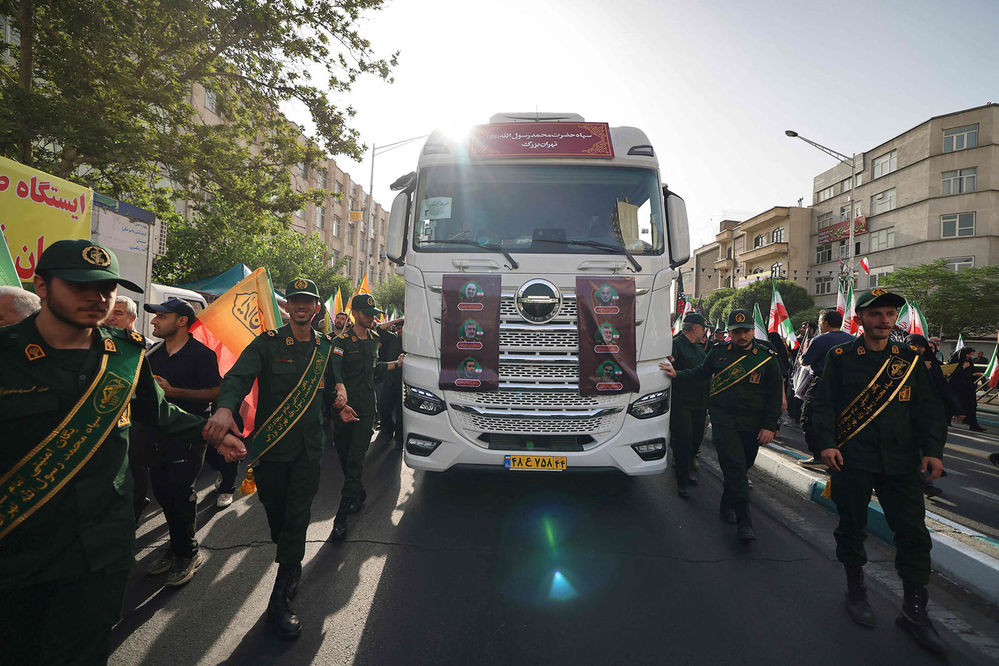
On Saturday, Iran started burying around 60 people killed in the 12-day long war with Israel in the capital Tehran with national honors. Among the dead are high military officers to scientists, women and children.
Thousands of people peacefully participated in the national memorial service which started at 8 am at Engelab Chowk in the capital and showed their respect by carrying the national flag and pictures of the deceased .
According to Iran's Ministry of Health, 627 civilians died on the Iranian side in that war, while 28 Israeli citizens were killed by Iran's attack, according to the Israeli side.
Meanwhile, Iran has strongly objected to US President Donald Trump's public statements about Iranian Supreme Leader Ayatollah Khamenei. Iranian Foreign Minister Abbas Araghchi made it clear that no diplomatic dialogue is possible without mutual respect.
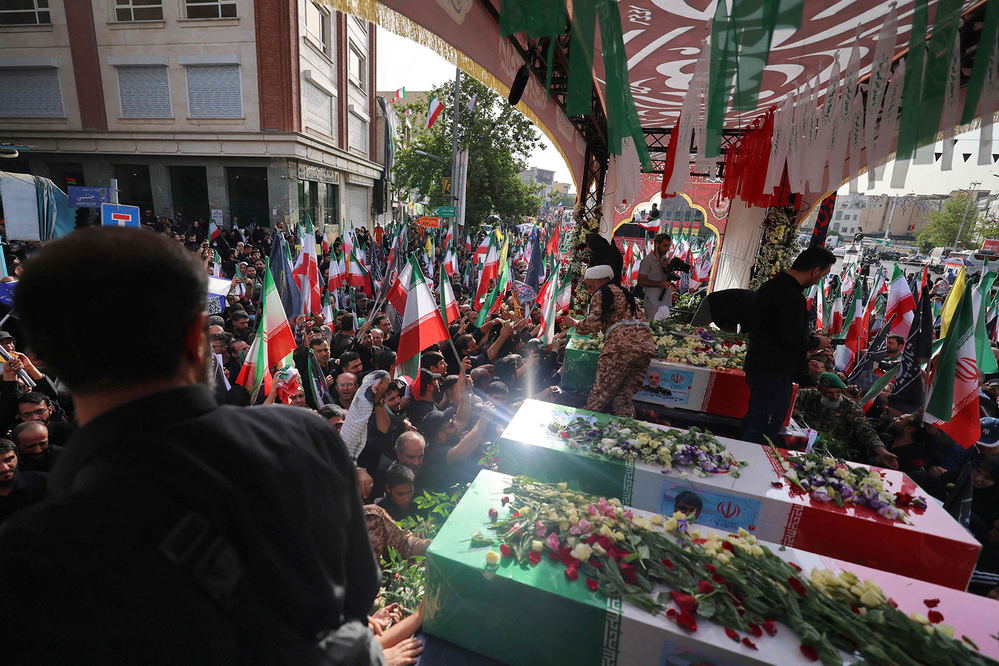
Major General Mohammad Bagheri, scientist Dr. Mohammad Mehdi Tehranchi and Commander Hossein Salami, whose family members were also killed in the attack. Iran denied the possibility of negotiations after the cease-fire and said that there was no serious damage to its capabilities, while Israel called on the world community to prevent Iran from developing nuclear weapons.
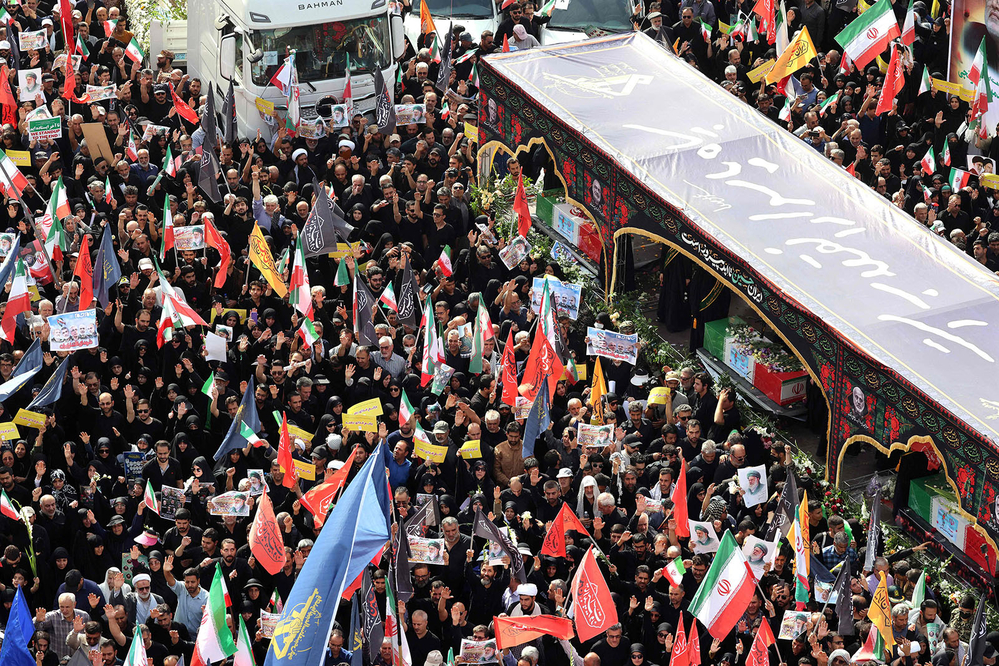 Photos: AFP, Russia
Although both countries declared themselves winners after the war, diplomatic bitterness is still visible. Under such circumstances, moderation, consensus and respectful dialogue seem imperative for long-term peace and stability.

