The second phase of the ceasefire has not been negotiated, confusion over the future of the ceasefire
We use Google Cloud Translation Services. Google requires we provide the following disclaimer relating to use of this service:
This service may contain translations powered by Google. Google disclaims all warranties related to the translations, expressed or implied, including any warranties of accuracy, reliability, and any implied warranties of merchantability, fitness for a particular purpose, and noninfringement.
Israel released more than 600 Palestinian prisoners on Thursday. Palestinian prisoners were freed as Hamas handed over the bodies of four Israelis for the last time under the first phase of the ceasefire.
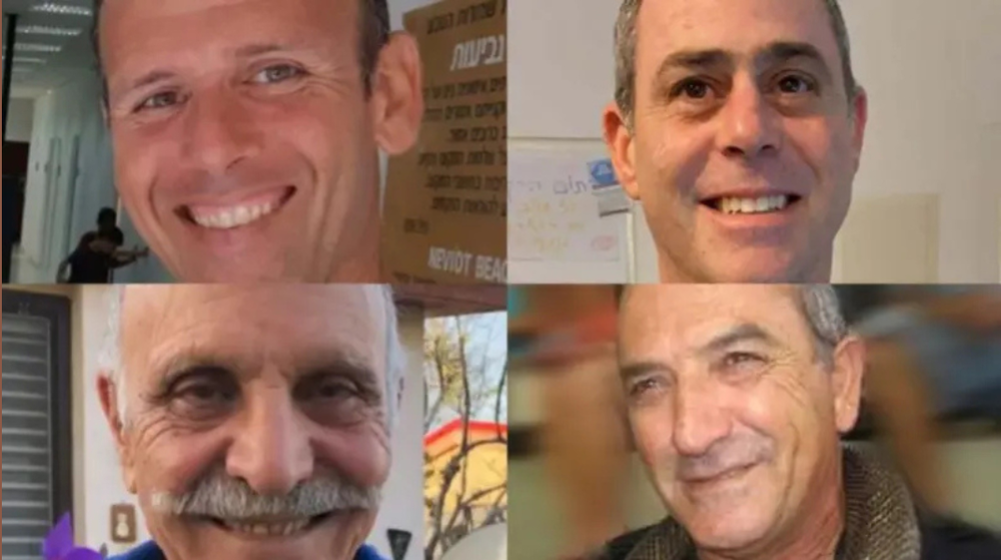
As Hamas handed over the bodies of 86-year-old Shlomo Mansour, 50-year-old Ohad Yahlomi, 50-year-old Sachi Idan and 69-year-old Itzik Elgarat to Israel, Israel released more than 600 Palestinian prisoners, according to the BBC.
Six weeks into the ceasefire agreement between Israel and Hamas, the first phase of the last prisoner exchange has taken place. But it is not certain how the ceasefire between the two sides will progress in the future. A cease-fire agreement between Hamas and Israel came into effect on January 19 after a 15-month war. In the first phase of the three-phase cease-fire, it was agreed that 33 people held hostage by Hamas would be released and Israel would release 1900 Palestinians in return.
Talks about the second phase of the ceasefire have not been held. Because of this, there is confusion about the future of the ceasefire. Hamas has said it is ready to start the delayed talks on a second phase. The second phase aims to end the war and release the remaining Israeli and Palestinian hostages. But the political allies of Israeli Prime Minister Benjamin Netanyahu are suggesting that the ceasefire should be broken.
According to the Israeli Prime Minister's office, there are still 59 hostages under the control of the Palestinian group Hamas. The office said that less than half of them are still alive. A Nepalese youth, Bipin Joshi, is also under the control of Hamas. Joshi from Kanchanpur went to Israel to study agriculture under the 'Learn and Earn' programme. Hamas attacked Israel on October 7, 2023, killing 1,200 people. 251 people were taken hostage by Hamas. After that, a war broke out between Hamas and Israel.
According to the Ministry of Health in Gaza, 48 thousand 189 Palestinians have lost their lives in the war since October 7. More than a third of them are children. 100,000 were injured in the Israeli attack. More than 60 percent of the structures were destroyed. More than 1400 people have died in Israel.
Mediators have said they plan to begin a second round of negotiations for the release of the remaining hostages. In the second phase of the ceasefire, Hamas will hand over the remaining hostages and bodies of the dead and the complete withdrawal of Israeli forces from Gaza. The third phase includes the plan for the reconstruction of Gaza.
Earlier, Hamas said it would stop the release of hostages, citing Israel's violation of the terms of the ceasefire. According to the agreement, Hamas said it would not release the hostages because Israel did not allow displaced Palestinians to return to northern Gaza, opened fire on residents and obstructed the delivery of humanitarian aid. But in response, Israel warned that the ceasefire would be broken and Israeli forces would continue fighting until Hamas was defeated.
Similarly, US President Donald Trump also warned that he will kill Hamas by ending the ceasefire if the hostages are not released. After that, after the talks mediated by Egypt and Qatar, Hamas is ready to release the hostages according to the ceasefire agreement.