We use Google Cloud Translation Services. Google requires we provide the following disclaimer relating to use of this service:
This service may contain translations powered by Google. Google disclaims all warranties related to the translations, expressed or implied, including any warranties of accuracy, reliability, and any implied warranties of merchantability, fitness for a particular purpose, and noninfringement.
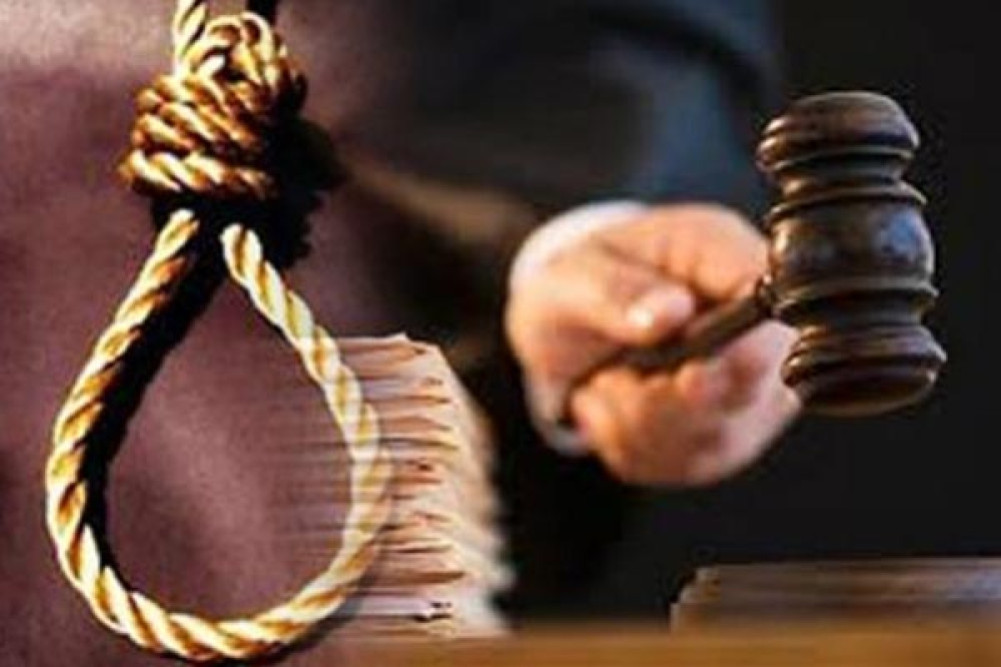
Iran executed at least 975 people last year in an "appalling increase" in its death penalty regime, two human rights groups said on Thursday.
According to the Norway-based Iran Human Rights (IHR) and the French group 'Together Against the Death Penalty (ECPM)', this is the highest number of people sentenced to death in Iran since 2008 in 2024.
Accusing Iran of using the death penalty as a "main weapon of political oppression," the joint report said, "These figures show an alarming increase in the use of the death penalty in Iran in 2024."
IHR Director Mahmoud Amiri Moghaddam said, "These death sentences are part of the Islamic Republic's war against its own people to maintain its grip on power." He said that an average of five people were executed every day in the last three months.
In 2023, 834 people were executed in Iran. According to the report, the number of people sentenced to death has increased by 17 percent this year compared to last year.
Of the 975 people executed, four were hanged in public and 31 were women.
The death penalty for protestors
According to human rights groups, after China, Iran has become the country with the highest death penalty in the world. They accused the authorities of increasing the use of the death penalty to instill fear in the people after nationwide protests began in 2022.
The main pillar of the Shariah-based judicial system established after the 1979 revolution overthrew the Western-backed Mohammad Reza Pahlabi (Shah) is the death penalty.
Crimes punishable by the death penalty include murder, rape and drug offenses, but rights activists say that the death penalty is also given for "behavior contrary to social values and human dignity" and "anti-state activities". According to them,
is used against dissidents who have different opinions with the government. In recent years, those sentenced to death have often been executed by hanging on prison premises and sometimes in public. However, other methods remain as mentioned in the statute books.
In September 2022, two people were executed during nationwide protests that began after the death in custody of Mahsa Amini, an Iranian-Kurdish woman who was arrested for violating Iran's mandatory dress code.
23-year-old Mohammad Ghobadlu was sentenced to death in January 2024 for killing a police officer by hitting him with a car during a demonstration in October 2022. Human rights groups have alleged that his case was deeply flawed and that judges ignored defense evidence that he suffered from bipolar disorder (manic depression).
34-year-old Gholamreza Rasai was secretly executed last August for killing a Revolutionary Guard during the 2022 demonstration. Rights activists say his confession was obtained under torture.
Rights groups say there is evidence that Iran may have carried out more executions last year, and that they have not been able to confirm their reports.
They have said that in 2024, 39 more people were reported to have been executed and this could not be confirmed from a second source. According to IHR statistics, Iran has executed at least 121 people this year.