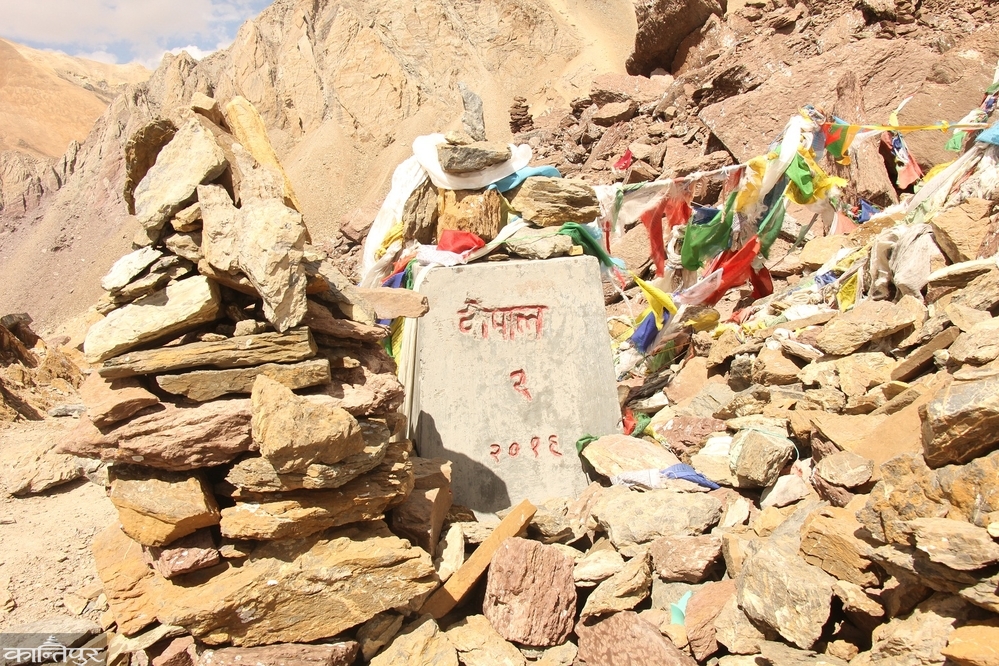
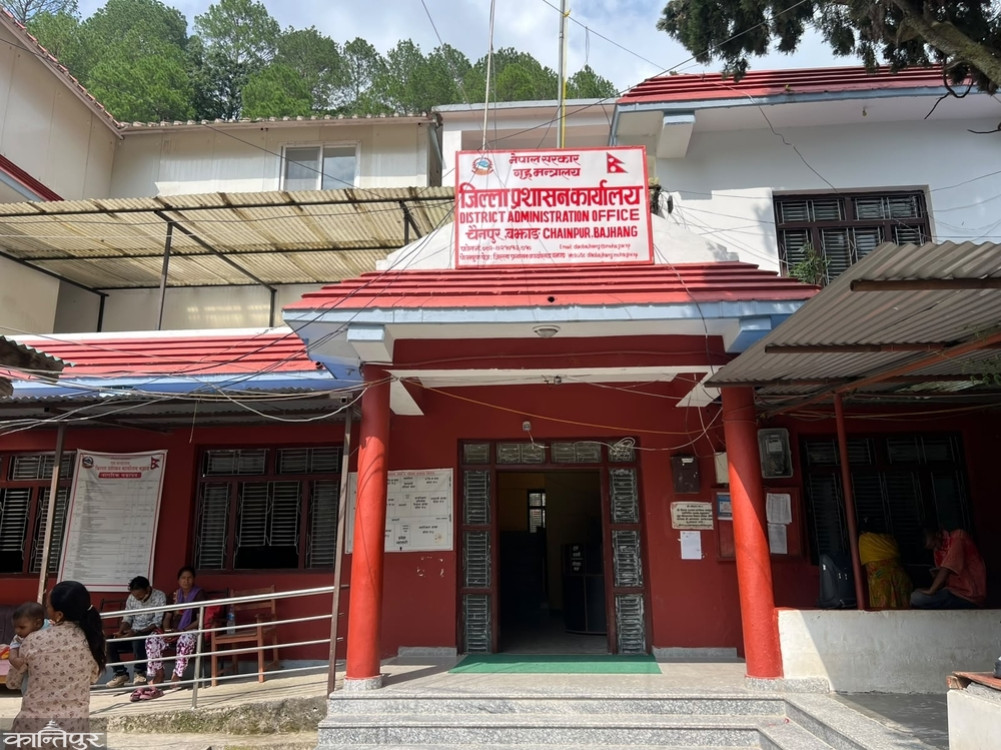
Fifty-seven people from Bajhang who want to go to Taklakot to trade local products have obtained entry permits since Baisakhi.
We use Google Cloud Translation Services. Google requires we provide the following disclaimer relating to use of this service:
This service may contain translations powered by Google. Google disclaims all warranties related to the translations, expressed or implied, including any warranties of accuracy, reliability, and any implied warranties of merchantability, fitness for a particular purpose, and noninfringement.
The District Administration Office, Bajhang has started issuing entry permits to China for people traveling to Taklakot in Tibet via the Urai Bhanjhang border crossing in Bajhang. The District Administration Office has stated that 57 people have obtained entry permits to enter China since last Baisakh. The District Administration Office has stated that the entry permits have been issued accordingly as the Pulang County of bordering China has informed that Bajhang residents who want to go to Taklakot to trade local products will be granted group entry. Of those who have received permits, 31 have renewed their previously issued permits and 26 have obtained new permits. The administration has been issuing permits for a period of one year. The Saipal Village Municipality, which is located on the China-SAG border, is facilitating the work of allowing Bajhang citizens to enter China in groups for business purposes.
Saipal Rural Municipality has issued a notice asking those who want to enter China for business purposes to contact the rural municipality by 5th July with details of the goods they are taking for sale, an entry permit issued by the District Administration Office and their citizenship.
‘The information has come from there (Tibet) that people should not be sent alone like before, and that if they come, they should come only in large groups as much as possible,’ said Saipal Rural Municipality Chairman Manvir Bohra. ‘Therefore, we are facilitating the sending of everyone in groups so that no one faces problems while going alone.’
He said that the municipality is preparing to send everyone in the same day after orienting those who come in contact within the specified date about the changed rules of the Chinese government and the things that can and cannot be done there.
The local residents of Bajhang have had trade relations with Taklakot in Tibet, China, through the Urai border crossing since ancient times. From Bajhang, they sell herbs, wood, agricultural and livestock products found in the Himalayan region to Taklakot. A trader, Ram Bohra, said that various herbs, handicrafts such as straw hats, baskets and traditional wooden utensils fetch a good price when sold in Taklakot. Traders who take goods from Bajhang to Tibet in Asar and Shrawan stay there for two to three months and also do various temporary jobs. When they return, they buy rice, maida, wheat flour, tea leaf liquor, Tibetan salt, clothes and shoes, Chinese jackets, etc.
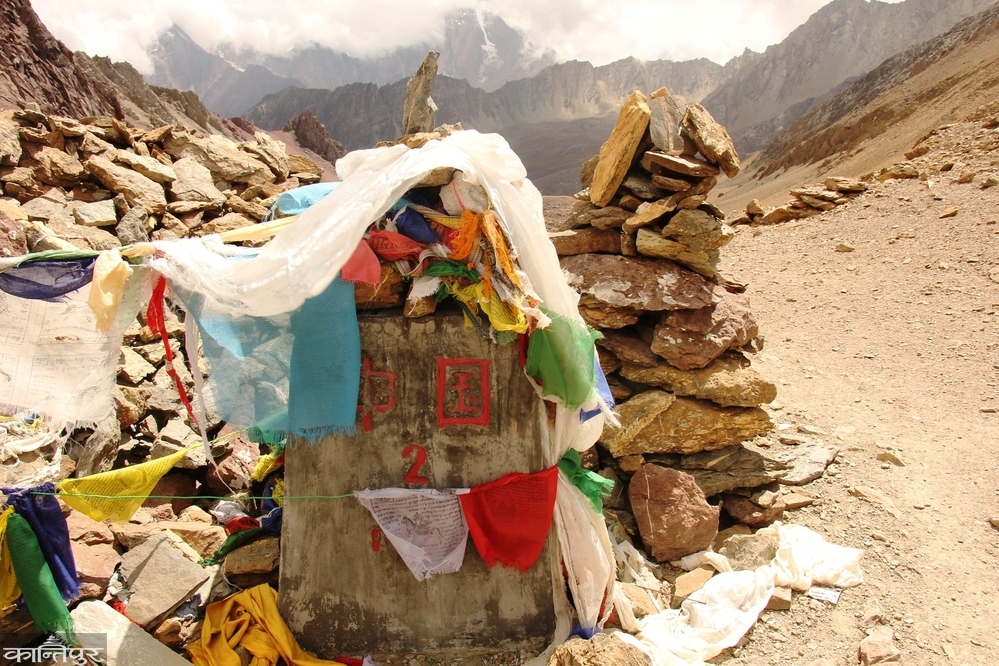
Kantipur News reports on the interest of the Pulang administration
Before the Corona pandemic, a large number of locals from Bajhang used to go to Lake Mansarovar in Tibet in this Shrawan and Bhadra to bathe and fetch water from there. However, after China blocked entry to Lake Mansarovar after the Corona pandemic, the tribal worship of the locals of Bajhang has been halted for seven years. Similarly, the traditional practice of taking sheep and goats to graze in the forests of Tibet during the rainy season has also been hampered by Chinese security personnel and misbehavior towards the herders, making the locals feel unsafe even when taking livestock to Tibet.
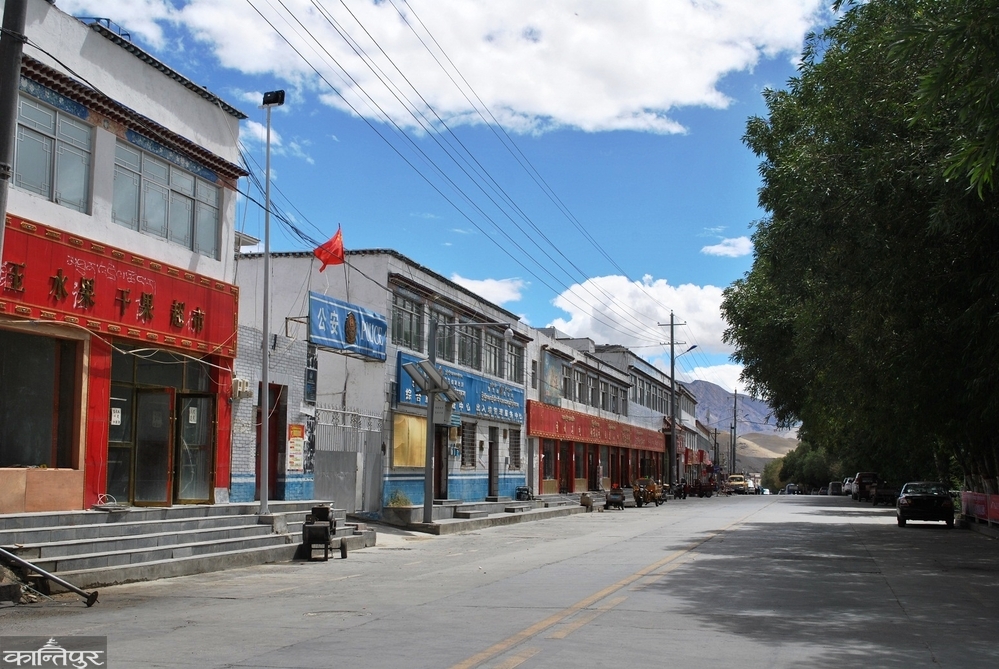
The locals are also in trouble after Tibet has started tightening its grip on traditional business activities. The religious activities that have been going on since the tradition of bringing water from Lake Mansarovar and offering it to the temple have been stopped and the misbehavior from the Chinese side during grazing have been coordinated with the border authorities of China for several years, but this has not been successful.
After the news on this issue was published in Kantipur and Kathmandu Post on Asad 10, an official of the Foreign Affairs Office under the Border Construction and Development Bureau of Pulang County, China, has expressed interest in the news that has reached Kantipur. Jagat Tamang (Dobhase), a local from Bajhang who is doing business in Taklakot, contacted Kantipur and said that the Chinese government has not deprived the locals of the districts on the border with Nepal of any facilities available under the border treaty.
‘We have always kept the entry open for commercial activities,’ he said, ‘Even in terms of livestock, there is no restriction if it is confirmed that there is no disease in the animals brought to our land.’ He said that the restrictions may have been imposed because there is a possibility of disease transmission if the animals entering Tibet are not health checked. ‘The border treaty states that entry is allowed only up to 30 kilometers from another country. Mansarovar is further away than that. He said that it would not be possible to grant entry permission to Mansarovar to locals of Bajhang based on the permit issued by the district administration, adding, "If someone wants to go there, it is possible to enter only by obtaining a visa from our embassy."