KI Singh of the Far West became Prime Minister in the early stages of the establishment of democracy, Lokendra Bahadur Chand four times and Sher Bahadur Deuba. He became Prime Minister five times. The Far West also received representation at the highest levels of other state governance bodies, but the Far West.
We use Google Cloud Translation Services. Google requires we provide the following disclaimer relating to use of this service:
This service may contain translations powered by Google. Google disclaims all warranties related to the translations, expressed or implied, including any warranties of accuracy, reliability, and any implied warranties of merchantability, fitness for a particular purpose, and noninfringement.
According to the Fourth Living Standards Survey (2079/80) published by the National Statistics Office, Sudurpaschim is the 'poorest' province in the country. The absolute poverty rate of Sudurpaschim is the highest at 34.16 percent.
According to the report 'Micro-Area Estimates of Poverty - 2082', out of the 753 local levels in the country, 6 of the 10 local levels with the highest poverty rate are in Sudurpaschim.
According to the latest Human Development Index Report 2024, Nepal's Human Development Index is 0.622, but Sudurpaschim's index is much lower than the average, i.e. 0.601. The per capita income of the Far West is also lower than the national average income. According to the Economic Activity Study Report 083 published by Nepal Rastra Bank Dhangadhi, while Nepal's per capita income is $1,513, Sudurpaschim's per capita income is only $1,179.
KI Singh of Sudurpaschim became the prime minister in the early stages of establishing democracy, Lokendra Bahadur Chand four times and Sher Bahadur Deuba. The above data shows that Sudurpaschim lags behind in most development indicators. The main basis for accelerating development and improving the index is policy and programs and budget. But there are complaints that the federal government's budget has not been prioritized since the past, while the budget of the Sudurpaschim province government has also been a prisoner of extreme chaos, division and political wrangling.
Due to political wrangling, two years ago, in the fiscal year 081/82, when the provincial government failed to pass the budget on time, Sudurpaschim faced a situation of 'budget void' for three months. The budget for the upcoming fiscal year 083/84, like in the past, was also subject to division and division among influential leaders of the ruling party from the construction stage.
Although it was barely presented in the provincial assembly at midnight on Asad 1, the dispute escalated and discussions could not begin for three weeks. The discussions on the budget became uncertain after the ruling party, UML, rejected the budget and took a stand to amend it. Every year, during the preparation of the provincial budget, there is a cycle of division among influential leaders of the ruling party. Leaders distribute fragmented plans targeting workers by grabbing as much budget as possible. Every year, ministers and MPs are accused of buying and selling plans during the budget.
For a few days, accusations have been made on social media among political activists and among MPs in the provincial assembly that the budget plan was sold through intermediaries. But no one listens to anyone. Nor is there an investigation. The same is happening this time too.
'The budget has been prepared by selling plans to intermediaries. We cannot accept it when even the UML, rejecting the budget it brought itself while in government, has taken a stand that it should be amended. We will not allow this budget, which is in a state of chaos, to be passed under any circumstances,' said Khagraj Bhatta, the parliamentary party leader of the main opposition party, the Nepal Communist Party.
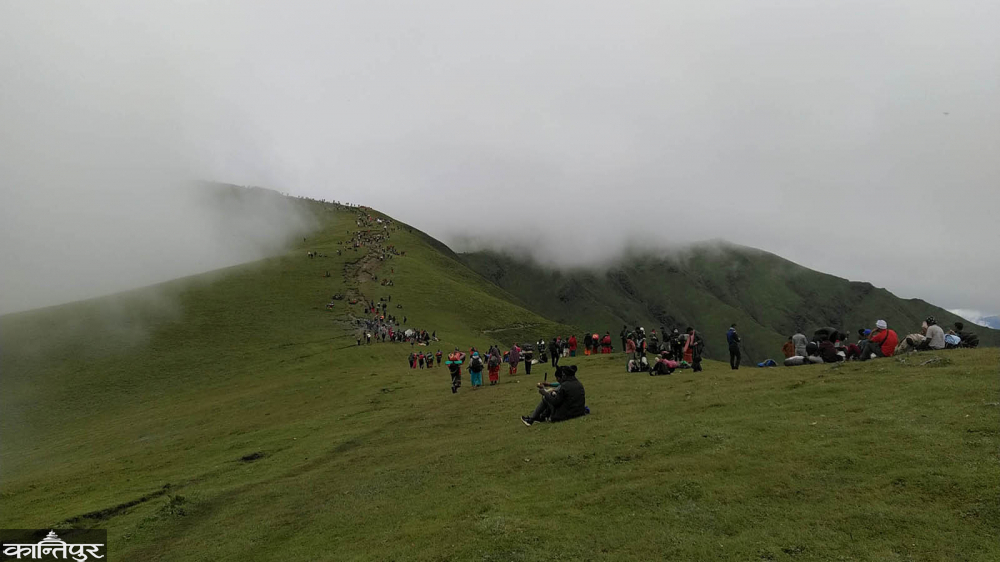
Why is the Far West, which has natural potential and also has an impact on national politics, unable to rise above its poverty, underdevelopment, and poverty? This is an evergreen question hanging on the lips of the people of the Far West. Along with the beautiful plains of the Terai, known as the storehouse of grain, the Shuklaphanta National Park is located here, where you can observe herds of bison in the largest grassland in Nepal. Religious and fascinating tourist destinations located in the high hilly areas such as Badimalika, Ramaroshan, Khaptad, Budhinanda, and high mountain ranges such as Saipal and Api are located in the Far West. ‘These heritages and destinations are symbols of the economic, social, and cultural splendor of the Far West,’ says tourism entrepreneur Bhim Bahadur Khadka, who is also the former executive director of the Khaptad Tourism Development and Management Committee. ‘If we can utilize them properly, our state will be at the forefront.’
The public complaint that the Far West, which was geographically connected to the rest of the country after the construction of a concrete bridge across the Chisapani on the Karnali River in 2050 BS, has not yet been able to develop and emotionally connect to the mainstream of the state has not gone away from the Far West. Prime Minister Balendra Shah had even said at a meeting in Dhangadhi during his election campaign, ‘Badimalika, the father of Switzerland, is here, Ramaroshan, the pinnacle of Switzerland, is here, why do we need Switzerland? We are the ones who are the goods, but we are the ones who are not Will leaders continue to divide and conquer for positions, and will we continue to suffer?’
Not only has the Far West not been able to utilize the opportunities available to it, but it has also been experiencing a situation where all indicators of physical and human development have not seen the expected improvements. He said, ‘The Far West, which has had ten prime ministers and more than 50 influential ministers in the federal government so far, has not been able to come into the mainstream of infrastructure development and living standards. Backwardness persists.’
The grip of poverty
After the announcement of the elections to the House of Representatives on 15 December, the Mayor of Dhangadhi Sub-metropolitan City, Gopal Hamal, wrote a status on social media with a video. ‘We should ask candidates who come to seek votes for a poverty reduction plan, a time frame and a concrete action plan, and not just listen to election slogans,’ Hamal wrote, ‘How did Sudurpaschim, which had 25.30 percent poverty in 2019, reach 34.16 percent, the highest in the country, in 2023? Ask this question to the candidates who come to your door.’ Mayor Hamal says that reducing poverty in Sudurpaschim is the main challenge.
While absolute poverty is highest in Sudurpaschim at 34.16 percent, 26.69 percent in Karnali, 24.34 percent in Lumbini, 22.53 percent in Madhesh, 17.19 percent in Koshi, 12.59 percent in Bagmati, and the lowest in Gandaki Province at 11.88 percent.
The 10 poorest districts in the Far West according to the poverty index include Achham (49.58 percent), Baitadi (48.65 percent), Bajura (47.81 percent), Doti (42.81 percent) and Bajhang (38.83 percent). Of these, Achham is the poorest district in the country. Baitadi is second, Bajura third, Doti fifth and Bajhang ninth.
‘If the state had prioritized tourism infrastructure development and started some big projects, the economic situation could have improved and the Far West could have risen. So far, it has not been prioritized,’ says Hamal, Mayor of Dhangadhi. ‘Shuklaphanta, Khaptad, Ramaroshan, Badimalika, Ranisain, Api and Saipal are waiting for tourists. Our generation is getting old just by listening to the talk of West Seti.'
According to the National Statistics Office's 'Small Area Estimate of Poverty-082' report, the 10 local levels with the highest poverty rate are Dhakari Rural Municipality of Achham (70.54 percent), Sigas Rural Municipality of Baitadi (66.87 percent), Kamalbajar Municipality of Achham (66.80 percent), Shikhar Municipality of Doti (65.34 percent), Triveni Municipality of Bajura (65.17 percent) and Shivnath Rural Municipality of Baitadi (64.07 percent). In terms of per capita income in the province, the Far West ranks third from last.
'There was no quality education environment, no opportunities for technical education, no good hospitals for health treatment,' says Rajendra Bir Chand, professor of economics at Kailali Multiple Campus, 'There are no industries, factories, the hilly districts were only recently connected by road infrastructure. The money earned by going to India or the Gulf countries to earn money to support the family and buy medicines is enough for many reasons. For many reasons, the living standards of the people of the Far West could not improve. And, it continued to lag behind in various indices.'
Vikram Singh Dhami, the Minister of Economic Affairs of the Far West government, is not ready to consider the Far West a poor province. 'We are a very rich province in terms of resources. But we have not been able to develop accordingly,' he says, 'If there are any weaknesses, I must also take responsibility. This time we have tried something. There is no alternative to developing the destinations here and taking the Far West to the top. This time we have caught up.'
Weak health infrastructure
Not only is the Far West at the bottom in poverty and human development indicators, but it is also at the bottom in most facilities related to health services. The government has a policy of establishing at least one medical college or health science institute in all provinces. According to the 'Nepal Health Fact Sheet 2025' published by the Department of Health Services, out of 28 teaching hospitals across the country, the Far West is the only province that does not have a single medical college or institute.
Why is it not being able to rise above poverty, underdevelopment and poverty? This question is always hanging on the lips of the people of the Far West.
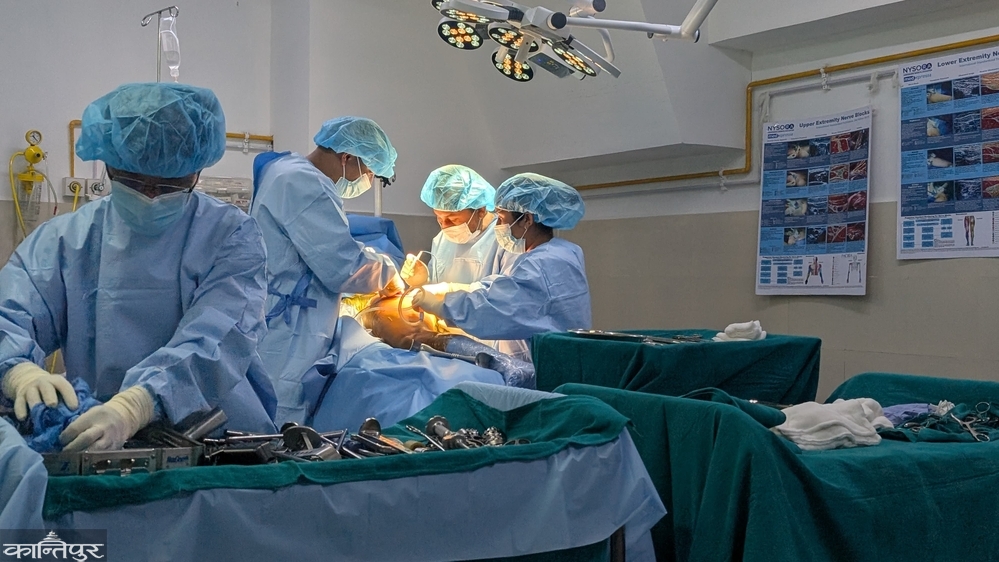
Although there are 109 specialist doctor posts in 13 hospitals in the Far West, only 20 posts have been filled, says Chet Kant Bhusal, Public Health Administrator of the Health Directorate. According to him, out of 79 medical officer posts, only 37 have been filled. According to a study by the Department of Health Services, the number of general hospitals with more than 100 beds is also the lowest in the Far West. 25 in Bagmati, 15 in Madhesh, 12 in Lumbini, 7 in Koshi, 9 in Gandaki and 3 in Karnali have more than 100 beds, while only one in the Far West. 'In the past, those who reached the upper echelons of governance from the Far West neither thought about it themselves, nor did their cadres ask for plans for medical colleges or other major infrastructure for development in the Far West,' says Pramod Pathak, a development activist from Dhangadhi. 'During the political leadership of Girija Prasad Koirala, more than the budget coming to the entire Far West was allocated to Morang and Sunsari districts.'
Another problem in the Far West is child marriage. According to the ‘Nepal Multiple Indicator Cluster Survey 2024/25’ report, the Far West is the third province in terms of early marriage. The percentage of people getting married below the age of 18 in the Far West is 37.9. According to the report, the highest percentage of child marriage is in Madhesh Province (46.3) and Karnali (43.4).
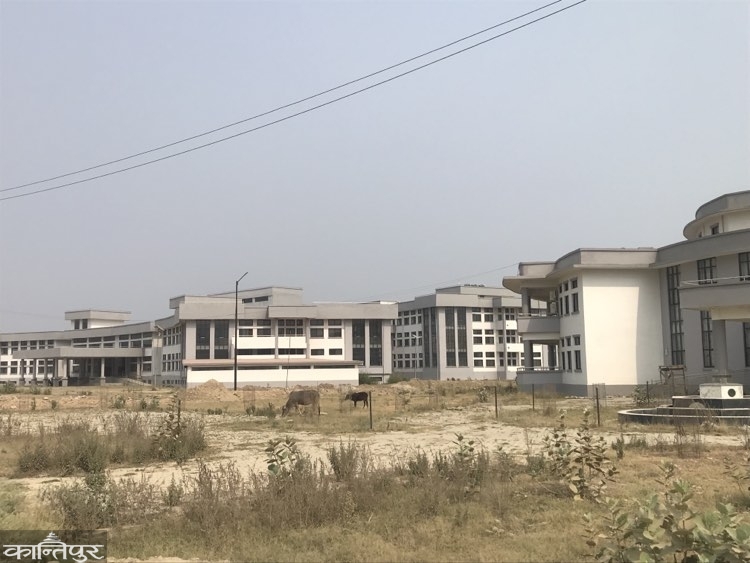
Four years have passed since the magnificent physical infrastructure for Geta Hospital was prepared. With an investment of about seven billion, 53 modern buildings, large and small, have been prepared for at least a 600-bed hospital, medical education and housing. But they have not been used. Spider webs are visible in the deserted rooms of most of the buildings.
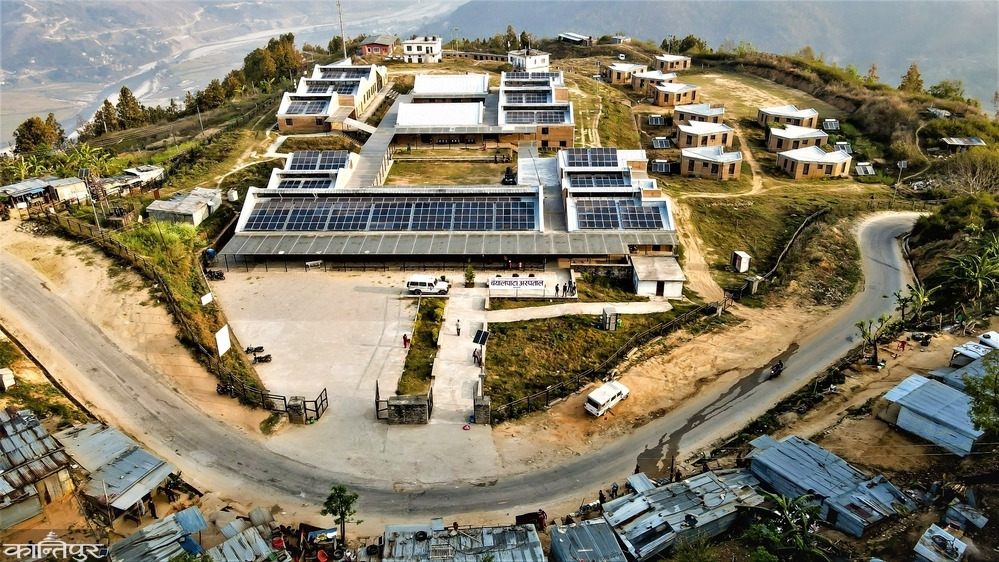
Currently, preparations are being made for the establishment of the university. However, Lokraj Pandey, coordinator of the Shaheed Dashrath Chand Health Sciences University Establishment Struggle Committee, says that there may be a delay in the operation of the university. The government has dismissed the previous vice-chancellor and registrar and started the process of appointing new ones. ‘However, since the government has already decided to start teaching and learning in four disciplines including MBBS in Geta in the coming fiscal year and has also allocated a budget, there is some hope,’ said Pandey.
The university’s previous meeting had already started the process and had requested 50 seats in MBBS, 30 in BSc Nursing, 20 in Medical Lab Technology and 20 in BSc Optometry from the Medical Education Commission for teaching and learning, said the then vice-chancellor Dr. Sunil Kumar Joshi.
Malnutrition is alarming
The Far West is in a vicious cycle of malnutrition. राष्ट्रिय पोषण लेखाजोखा अभियान ०८३ को प्रतिवेदनअनुसार सुदूरपश्चिममा ९३ हजार ८ सय ९२ बालबालिकामा परीक्षण गर्दा ९ हजार ४ सय ८७ जनामा शीघ्र कुपोषण र एक हजार ७ सय ७६ जनामा कडा शीघ्र कुपोषण फेला परेको छ ।
प्रतिवेदनअनुसार सुदूरपश्चिमको समग्र कुपोषण दर १०.१० प्रतिशत रहेको छ । उक्त अवस्थालाई विश्व स्वास्थ्य संगठनको मापदण्डअनुसार गम्भीर अवस्था मानिने जनस्वास्थ्य विज्ञ ज्ञानेन्द्र दवाडी बताउँछन् ।
नेपाल जनसांख्यिक स्वास्थ्य सर्वेक्षण २०२२ को प्रतिवेदनअनुसार नेपालमा पुड्कोपना २५ प्रतिशत छ भने सुदूरपश्चिममा २८ प्रतिशत छ । सुदूरपश्चिममा पनि सबैभन्दा धेरै बाजुरामा पुड्कोपना ४८.८ प्रतिशत रहेको गत वर्ष गरिएको स्मार्ट सर्वेक्षण प्रतिवेदनमा उल्लेख छ । ख्याउटेपना नेपालमा ८ प्रतिशत छ भने बाजुरामा बालिकामा ७.६ प्रतिशत र बालकमा ९.५ प्रतिशत ख्याउटेपना छ । कम तौल भएका बालबालिका नेपालमा १९ प्रतिशत रहेकामा सुदूरपश्चिममा १४ प्रतिशत छन् । बाजुरामा भने ३०.६ प्रतिशतमा ख्याउटेपना भेटिएको स्मार्ट सर्वेक्षण प्रतिवेदनमा उल्लेख छ ।
कुपोषणबाट अत्यधिक प्रभावित क्षेत्रमध्ये एक हो, बाजुराको स्वामीकार्तिक खापर गाउँपालिका–१ मुक्तिकोट । मुक्तिकोटस्थित सामुदायिक स्वास्थ्य इकाइअन्तर्गत उपचार केन्द्र (ओटीसी) मा हाल कडा कुपोषित ८ र मध्यम कुपोषित १६ बालबालिकाको उपचार भइरहेको इकाइ प्रमुख सिअहेब ब्रिज विक बताउँछन् । ‘गरिबीको चपेटामा रहेको मुक्तिकोटका बालबालिकाले पोसिलो खाना, सागपात केही खान पाउँदैनन्,’ उनी भन्छन्, ‘गाउँमा उत्पादन हुँदैन, खानेकुराबारे सचेतनाको पनि कमी छ । जन्मान्तर अवधि कम हुने, बढी बच्चा पाउने, शिशुले आवश्यकताअनुसार स्तनपान गर्न नपाउने हुनाले यहाँका बालबालिका कुपोषणबाट प्रभावित छन् ।’
सुदूरपश्चिममा बहुक्षेत्रीय पोषण योजनामा लामो समय काम गर्नुका साथै विभिन्न जिल्लामा कुपोषणको अवस्था सर्भेक्षणमा संलग्न रहेका जनस्वास्थ्यविद् ज्ञानेन्द्र दवाडी कुपोषणले बालबालिकामा पुड्कोपना, ख्याउटेपना बढाएको बताउँछन् । ‘बालबालिकामा रक्त अल्पता र न्यून तौलको समस्या छ,’ उनले भने, ‘त्यसले बालबालिकाको मानसिक वृद्धि विकासमा पनि असर परिरहेको छ ।’ विश्वस्वास्थ्य संगठनका अनुसार बालबालिकामा हजार दिनभित्र (गर्भ रहेदेखि दुई वर्षको अवधि) ८० प्रतिशत मानसिक वृद्धि विकास भइसक्छ । कुपोषणबाट प्रभावित हुन नदिन गर्भ रहेदेखि नै पोषणयुक्त खानेकुरा, सरसफाइ, नियमित स्वास्थ्य जाँचमा ध्यान दिनुपर्ने दवाडी बताउँछन् ।
शैक्षिक नतिजामा सबैभन्दा कमजोर
राष्ट्रिय जनगणना ०७८ अनुसार सुदूरपश्चिमको साक्षरता दर औसतभन्दा कम ७६.२ प्रतिशत छ । शैक्षिक सत्र ०८२ मा सञ्चालन भएको एसईईमा सबैभन्दा न्यून विद्यार्थी उत्तीर्ण हुने प्रदेश सुदूरपश्चिम हो । सुदूरपश्चिमबाट ५२.०५ प्रतिशत विद्यार्थी मात्र उत्तीर्ण भए, जुन राष्ट्रिय औसत ६५.९८ प्रतिशतभन्दा कम हो । अघिल्लो वर्ष ०८१ मा सुदूरपश्चिमबाट ५५ प्रतिशत परीक्षार्थी उत्तीर्ण भएका थिए ।
हालैको एसईईमा उच्चतम जीपीए ३.६० देखि ४ सम्म प्राप्त गर्ने विद्यार्थीको संख्या सुदूरपश्चिम प्रदेशमा एक हजार तीन सय ८५ रहेको सामाजिक विकास मन्त्रालयका उपसचिव जयदेव महराले जानकारी दिए । विषयगत शिक्षक अभाव, अध्यापन हुने समय कम, शैक्षिक पूर्वाधारको अभाव जस्ता कारणले सुदूरपश्चिम प्रदेशको शैक्षिक नतिजा कमजोर रहेको उनले बताए । ‘माध्यमिक तहमा शिक्षक संख्या अझ कम छ । अनुगमन निरीक्षण कमजोर छ, शिक्षकहरूलाई अध्यापन पद्धतिको तालिम छैन,’ उपसचिव महरा भन्छन्, ‘मुख्य सरकारी सरोकारवाला स्थानीय तह हुन् । यसमा उनीहरूले चनाखो हुनुपर्छ । केन्द्रले पनि आवश्यकताअनुसार दरबन्दी थप गर्नुपर्यो ।’
सदुपयोग गर्न नसकिएको जलसम्पदा
सुदूरपश्चिमको अर्को प्राकृतिक स्रोत जलसम्पदा हो । स्वतन्त्र ऊर्जा उत्पादकहरूको संस्था नेपाल (इप्पान) का अनुसार सुदूरपश्चिमको जलविद्युत् क्षमता १८ हजार १ सय ४९ मेगावाट छ । तर हालसम्म मात्र १ सय ६७ मेगावाट अर्थात् करिब ०.९२ प्रतिशत मात्र उत्पादन भएको सुदूरपश्चिम प्रदेशको आर्थिक सर्वेक्षणमा उल्लेख छ । १० हजार मेगावाट क्षमताको कर्णाली, ६ हजार ७ सय ८० मेगावाटको पञ्चेश्वर, ७ सय ५० मेगावाटको पश्चिम सेती र २० मेगावाटको बूढीगंगा प्रस्तावित जलविद्युत् आयोजना सुदूरपश्चिममै छन् । ‘०५२ सालदेखि निर्माण प्रक्रिया सुरु भएको २० मेगावाट क्षमताको अछामस्थित बूढीगंगा जलविद्युत् आयोजना कहिले बन्छ यकिन छैन,’ साँफेबगरका दीपक कुँवर भन्छन्, ‘अब त हाम्रै पालामा बन्ला भन्ने पनि लाग्नै छाड्यो ।
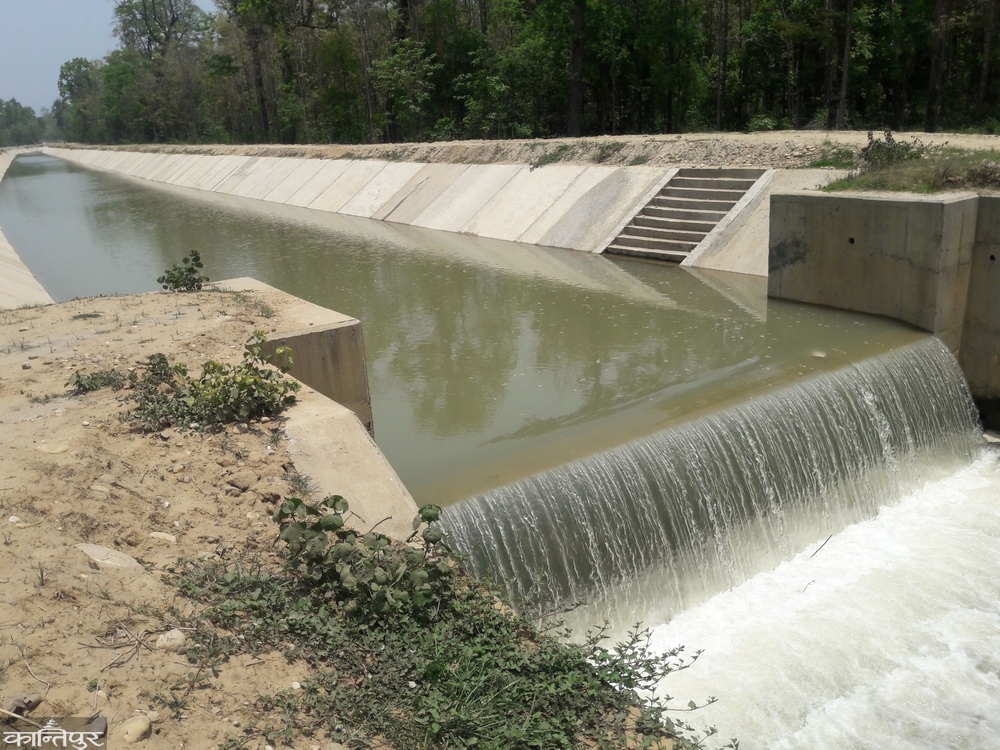
सुदूरपश्चिमको मात्र नभई देशकै मुहार फेर्न सक्ने ठानिएका कर्णाली, पश्चिम सेती र पञ्चेश्वर जलविद्युत् परियोजना करिब चार दशकदेखि चर्चामै सीमित छन् । पश्चिम सेतीको निर्माण प्रक्रिया अहिले पनि सुरु भएको छैन । करिब ४५ हजार हेक्टरमा सिँचाइ सुविधा पुर्याउने लक्ष्यसहित कैलालीमा निर्माणाधीन राष्ट्रिय गौरवको रानीजमरा–कुलरिया सिँचाइ आयोजनाको काम करिब डेढ दशकमा ७४ प्रतिशत मात्रै पूरा भएको आयोजनाको प्रगति प्रतिवेदनमा उल्लेख छ ।
मासिँदै गएको जडीबुटी भण्डार
सुदूरपश्चिम बहुमूल्य जडीबुटीको भण्डार हो । यस प्रदेशमा अत्यधिक गर्मी हुने तराईदेखि बाह्रैमास चिसो रहने अपी–साइपाल हिमालसम्मको उचाइ भएकाले थरीथरीका जडीबुटी उत्पादन हुन्छन् ।
सुदूरपश्चिमको उद्योग, पर्यटन, वन तथा वातावरण मन्त्रालयअन्तर्गतका वन अधिकृत भक्तराज गिरीका अनुसार सुदूरपश्चिममा अन्तर्राष्ट्रिय बजारमा उच्च मूल्य पाउने यार्चागुम्बुदेखि मसलामा प्रयोग गरिने टिमुरसम्म उत्पादन हुन्छन् । सुदूरपश्चिमका हिमाली क्षेत्रमा यार्चागुम्बु र उच्च पहाडी क्षेत्रमा पदमचाल, कुटकी, जटामसी, चिराइतो, सतुवा, अतिस, विषजरा, वन लसुनलगायतका जडीबुटी पाइन्छन् । तर अत्यधिक संकलन र परिपक्व हुनुभन्दा अगाडि संकलन गर्ने प्रवृत्तिले पछिल्ला वर्षहरूमा उत्पादन घट्दो क्रममा छ ।
जडीबुटीको उत्पादनसँगै कारोबार घटेपछि धेरैजसोले यो व्यापार नै छोडिसकेको दार्चुलाका जडीबुटी व्यापारी वीरेन्द्र भट्ट बताउँछन् । बझाङका जडीबुटी व्यापारी दानबहादुर सुर्मेलीको अनुभव पनि उस्तै छ । जिल्लाभर हुने जडीबुटी कारोबार ८/१० वर्षअघिको भन्दा ७० प्रतिशतले घटिसकेको उनले बताए । ‘म एक्लैले वर्षमा २५ करोड बराबरको कारोबार गर्थें । मभन्दा बढीको कारोबार गर्ने पनि धेरै थिए,’ उनले भने, ‘अहिले मेरो फर्मबाट मुस्किलले एक/डेढ करोडको कारोबार हुन्छ ।’
मन्त्रालयका अनुसार सुदूरपश्चिमबाट आर्थिक वर्ष ०८०/८१ मा एक हजार ९ सय ७५ टन, ०८१/८२ मा बढेर दुई हजार १ सय १२.७ टन र ०८२/८३ को चैत मसान्तसम्म दुई हजार १ सय ३२.३ टन सुदूरपश्चिमबाट निकासी भएको तथ्यांक छ ।
सडक पनि उस्तै
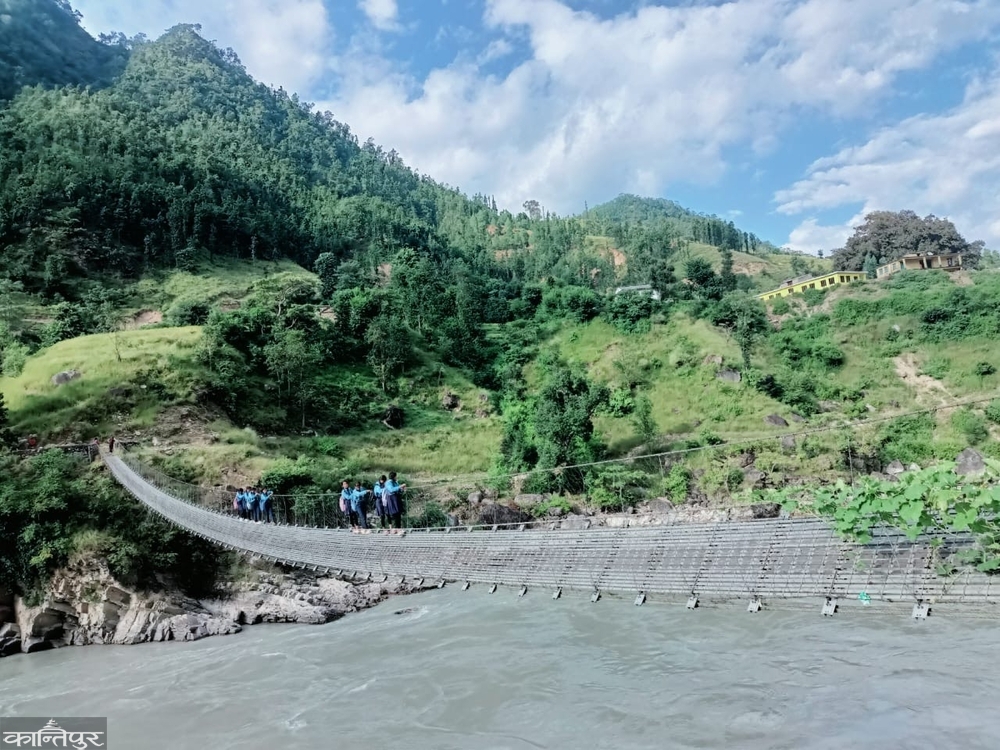
सुदूरपश्चिममा गुणस्तरीय तथा सुरक्षित सडक अत्यन्तै न्यून छन् । पञ्चायतकालमै कुरा उठ्न सुरु गरेका खुटिया–दिपायल द्रुतमार्ग, सेती लोकमार्ग, कञ्चनपुरको ब्रह्मदेवदेखि दार्चुलाको टिंकर नाका जोड्ने महाकाली करिडोर, चैनपुर–ताक्लाकोट सडक, दैजी–छेला तथा डुँडेझारी औद्योगिक क्षेत्रलगायत सुदूरपश्चिमको विकासको मेरुदण्ड हुने ठानिएका योजना न विगतका सरकारको प्राथमिकतामा परे, न त अहिलेको सरकारले ध्यान दियो । सुदूरपश्चिममा अन्तर्राष्ट्रिय आयातनिर्यात हुन सक्ने गरी कम्तीमा एउटा सीमा नाकाको स्तरोन्नति गर्नु अत्यावश्यक रहेको कैलाली उद्योग वाणिज्य संघका अध्यक्ष पुष्करराज ओझा बताउँछन् ।
सुदूरपश्चिम प्रदेश सरकारद्वारा हालै प्रकाशित आर्थिक सर्वेक्षण प्रतिवेदनमा प्रदेश सरकारले ०७७/७८ देखि हालसम्म सात सय ७४ किलोमिटर कालोपत्रे सडक निर्माण गरेको दाबी गरेको छ । सोही अवधिमा एक हजार तीन सय ५१ किलोमिटर ग्राभेल सडक निर्माण गरिएको प्रतिवेदनमा उल्लेख छ ।
अर्कातिर सुदूरपश्चिम प्रदेश सरकारले सात वर्षअघि प्रदेशका नौ वटै जिल्लालाई समेट्ने गरी आठ सय ८२ किलोमिटर सडक निर्माण गर्ने उद्देश्यले नौ सडक आयोजनालाई प्रदेश गौरवका आयोजनाका रूपमा अघि बढाएको थियो । प्रदेश सरकारले फागुन ०७५ मा ती आयोजना छनोट गरेको थियो । ०७६/७७ देखि निर्माणको ठेक्का लगाउन सुरु गरिएको थियो । तर ती सडकको निर्माण पूरा भएको छैन । प्रदेश गौरवका आयोजनाअन्तर्गत हालसम्म एक सय २८ किलोमिटर सडकखण्ड मात्र कालोपत्रे भएको भौतिक पूर्वाधार विकास मन्त्रालयका ग्रामीण सडक महाशाखाका प्रमुख रामचन्द्र खत्री बताउँछन् ।
संघीय सरकारको सिको गर्दै सुदूरपश्चिम प्रदेश सरकारले पनि सडकलाई गौरवका आयोजना नामकरण गरे पनि आवश्यक बजेट विनियोजन नगर्दा प्रगति न्यून छ । सरकारले आगामी आर्थिक वर्षभित्र प्रदेश गौरवका सडकको निर्माण सम्पन्न गर्ने उल्लेख गरेको भए पनि धेरैले पत्याएका छैनन् । भौतिक पूर्वाधार विकास मन्त्रालयका ग्रामीण सडक महाशाखाका प्रमुख खत्री आर्थिक स्रोतको अभावले तीव्र गतिमा काम हुन नसकेको बताउँछन् ।
रोजगारीमा भारतकै भर
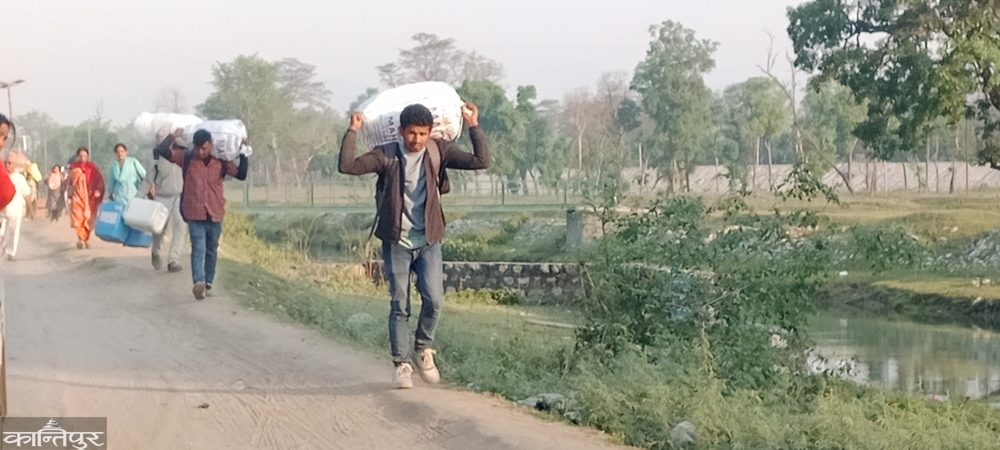
कैलालीको गौरीफन्टा नाकामा दैनिकजसो भारत जाने सर्वसाधारणको लर्को लाग्छ । बाजुराको बूढीगंगा–७ का बिरु एखेडा भन्छन्, ‘बाल्यावस्थादेखि नै भारतमै मजदुरी गर्दै आएको छु । गाउँ बसेर गुजारा चल्दैन । भारतमा मजदुरी गरेर कमाएको पैसा पठाएपछि मात्र यता घरपरिवारको चुलो बल्छ ।’
सुदूरपश्चिमेलीको प्रमुख रोजगारी गन्तव्य भारत हो । नेपाल–भारत आप्रवासनसम्बन्धी अध्ययन गर्ने संस्था निड्स नेपालमा कार्यरत प्रकाशचन्द्र मडैका अनुसार भारतमा काम गर्ने सुदूरपश्चिमेलीको संख्या सात लाखभन्दा बढी छ । उनका अनुसार सुदूरपश्चिमका ७० प्रतिशत घरधुरीबाट कम्तीमा एक जना कामका लागि भारत जाने गरेका छन् । भारतमा भने उनीहरू असुरक्षित श्रम गर्न बाध्य छन् । ‘अधिकांश अनौपचारिक क्षेत्रमा काम गर्छन् । उनीहरूसँग सीप हुँदैन । त्यसैले दैनिक ज्यालादारी तथा न्यून ज्यालामा काम गर्न बाध्य हुन्छन्,’ मडै भन्छन्, ‘सामाजिक सुरक्षा नै हुँदैन । कमाएको पैसा पठाउन पनि कठिनाइ हुन्छ । नगद बोकेर आउँदा बाटामै लुटिएका घटनाहरू दोहोरिरहन्छन् ।’ तेस्रो मुलुकमा जानका लागि सुदूरपश्चिमेलीले सहज पहुँच नपाउँदा भारत जानुको विकल्प नभएको उनको भनाइ छ ।
सरकारले श्रम आप्रवासन नीति ०८२ जारी गरेको भए पनि ऐन बनेको छैन । ‘उक्त नीतिमा तथ्यांक राख्ने, सुरक्षित आप्रवासनसम्बन्धी जानकारी दिने प्रबन्ध छ । तर ऐन नबनेका कारण कार्यान्वयन हुन सकेको छैन,’ मडै भन्छन्, ‘प्रदेश सरकारले कुनै चासो राख्दैन ।’
लाभ लिन नसकेको पर्यटन क्षेत्र
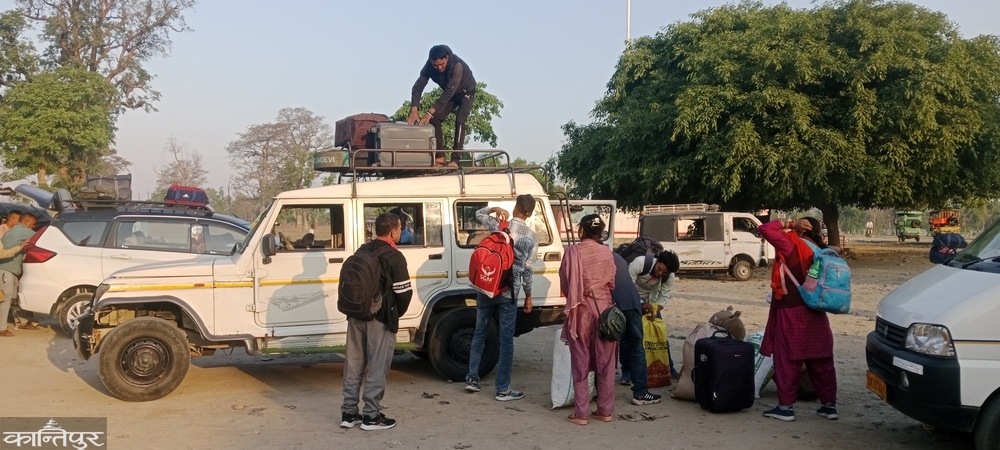
पर्यटन सुदूरपश्चिमको विकास तथा समृद्धिको मुख्य आधार हो । ‘देवभूमि’ का रूपमा परिचित सुदूरपश्चिममा खप्तड, बडिमालिका, रामारोशन, शुक्लाफाँटा राष्ट्रिय निकुञ्ज, बूढीनन्दा, अपी, साइपाललगायत रमणीय धार्मिक तथा पर्यटकीय गन्तव्यहरू छन् । तर कुनै पनि गन्तव्यमा व्यावसायिक गतिविधि हुन नसकेको पर्यटन व्यवसायीहरू बताउँछन् ।
सुदूरपश्चिमको अस्थायी राजधानी धनगढीदेखि ८ देखि १० घण्टासम्मको सडक दूरीमा छिमेकी मुलुक भारतको राजधानी नयाँदिल्लीसहित करिब आधा दर्जनभन्दा बढी ठूला सहर छन् । लखनउ, रुद्रपुर, बरेली, गुरुग्राम, कानपुर लगायतका भारतीय सहर सुदूरपश्चिमको नजिकमा छन् । ती सहरबाट सुदूरपश्चिमले बर्सेनि लाखौं पर्यटक भित्र्याउन सक्ने अवसर हुँदा पनि भारतीय पर्यटकको संख्या न्यून रहेको नाटा सुदूरपश्चिमका अध्यक्ष पदमविक्रम सिंह बताउँछन् ।
संघ सरकारअन्तर्गतको पर्यटन बोर्डको कार्यालयसमेत सुदूरपश्चिममा सञ्चालनमा छैन । अर्कातिर सुदूरपश्चिम प्रदेश सरकारले समेत पर्यटन विकासका लागि ध्यानै नदिएको पर्यटन व्यवसायीहरूको गुनासो छ । ‘आगामी आर्थिक वर्षको बजेटमा एउटै जिल्लाका एक सय ७८ मन्दिरका लागि पाँच करोडभन्दा बढी बजेट विनियोजन गरेको प्रदेश सरकारले शुक्लाफाँटा राष्ट्रिय निकुञ्जमा बाह्रै महिना सफारी गर्न मिल्ने गरी सडक स्तरोन्नतिका लागि दुई करोड बजेट विनियोजन गर्न पटक–पटक माग गर्दा पनि वास्ता गरेन,’ अध्यक्ष सिंह भन्छन्, ‘शुक्लाफाँटामा सडक सुधार गरेको भए हामी बाह्रै महिना उत्पादन बिक्री गर्न सक्थ्यौं । वर्षा लागेपछि शुक्लाफाँटा बन्द हुन्छ ।’
कैलालीको गौरीफन्टा र कञ्चनपुरको गड्डाचौकी सीमा नाकामा पर्यटक सहायता केन्द्र स्थापना गर्नुपर्ने, शुक्लाफाँटाको सडक सुधार गर्नुपर्ने, अपी हिमालको पदमार्गमा गएको पहिरो नियन्त्रण गर्नुपर्ने, पर्यटन तथा होटल क्षेत्रमा दक्ष जनशक्ति उत्पादनका लागि तालिम सञ्चालन गर्नुपर्ने, अपी, बडिमालिका र रामारोशनमा पर्यटन पूर्वाधार विकास गर्नुपर्ने लगायतका माग सधैं उठ्ने गरे पनि सुनुवाइ नै भएन । ‘प्रदेश सरकार बनेको १० वर्ष हुन लाग्यो । हामी बर्सेनि माग तथा सुझाव पेस गर्छौं तर सरकारले सुन्दैन,’ नेपाल पर्वतारोहण संघका प्रदेश अध्यक्ष किशोर खड्का भन्छन्, ‘सरकारले पर्यटन विकासका नाममा बर्सेनि अनुत्पादक ठाउँमा खर्च गरिरहेको छ । यसरी त सुदूरपश्चिमको पर्यटन विकास हुन सक्दैन ।’
अर्का पर्यटन व्यवसायी दिनेशराज भण्डारी उत्कृष्ट पर्यटकीय गन्तव्य भएर पनि पूर्वाधार नभएकाले सुदूरपश्चिममा पर्यटन गतिविधि बढ्न नसकेको बताउँछन् । ‘सुधारिएका पदमार्ग छैनन्, इजाजतप्राप्त गाइड उपलब्ध छैनन्, पर्यटक बोक्ने हरियो प्लेटका सवारीसाधन छैनन् । सीमाको झन्झट उस्तै छ,’ उनी भन्छन्, ‘प्रदेश पर्यटन मन्त्रालयले व्यवसायीका कुरा नै सुन्दैन । पर्यटन ऐन बनाएको छैन । अनि कसरी सुदूरपश्चिममा पर्यटन विकास हुन्छ र ?’
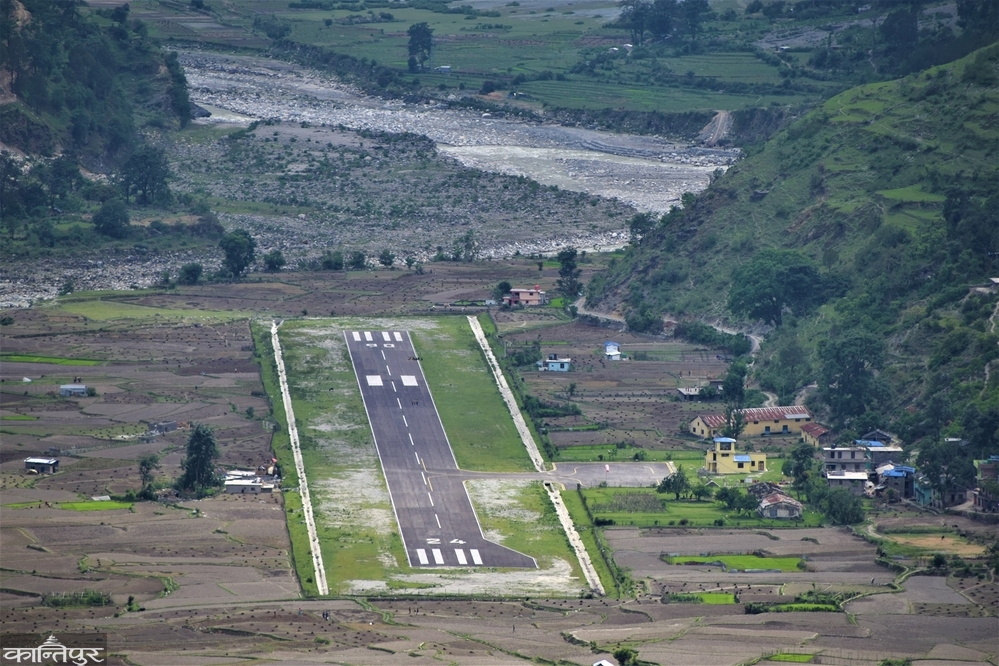
भद्रगोल प्रदेश सरकार
मुलुक संघीयतामा गएपछि विकास क्षेत्रको भूगोलमा नटुक्रिएको प्रदेश सुदूरपश्चिम हो । तराई, पहाड र हिमालको सम्मिश्रण भएको र गरिबी दर घटाउन सकिने प्रचुर सम्भावना भएको प्रदेश भएर पनि गरिबी दर सबैभन्दा बढी हुन पुगेको छ ।
प्रदेश सरकारले आफ्नो प्रदेशको विकास प्राथमिकतालाई आफैं निर्क्योल गरेर काम गर्ला भन्ने अपेक्षा थियो । तर प्रदेश सरकारका गतिविधिले धेरैलाई निराश बनाइरहेको धनगढीका नागरिक अगुवा खडकराज जोशी बताउँछन् ।
सुदूरपश्चिम प्रदेश सरकार मन्त्री उत्पादन गर्ने कारखानाजस्तो हुन गएको छ । सुदूरपश्चिम प्रदेशसभामा सदस्य संख्या ५३ छ । साढे तीन वर्षको अवधिमा चार सरकार फेरबदल भए । सभामुख, उपसभामुख र एक जनाबाहेक ४९ जनामा हालसम्म ३६ जना मन्त्री/राज्यमन्त्री भइसके । मन्त्री हुन नपाएकाहरूमा कांग्रेसका १८ जना (एक जनाको मृत्यु भएको) मध्ये ६, एमालेका ११ मध्ये (एक उपसभामुख) चार, हाल नेकपाका २२ जनामध्ये (एक सभामुख) चार जना मात्रै छन् । राप्रपाका एक सांसदले पनि मन्त्री हुन पाएका छैनन् ।
प्रदेशप्रति सबैभन्दा ठूलो जनगुनासो बजेट बाँडफाँटप्रति हो । सुदूरपश्चिम प्रदेश सरकारले ०७४/७५ को आंशिक बजेटसहित चालु आर्थिक वर्ष ०८२/८३ सम्म गरी नौ वटा बजेट ल्याएको छ । हालसम्म ल्याइएका बजेटको कुल रकम दुई खर्ब ४९ अर्ब ८ करोड ७२ लाख २५ हजार छ । त्यसमध्ये गत आर्थिक वर्ष ०८१/८२ सम्म एक खर्ब ३९ अर्ब ४१ करोड ९ लाख ४१ हजार खर्च भएको आर्थिक मामिला मन्त्रालयको अभिलेख छ । चालु आर्थिक वर्ष ०८२/८३ को बजेट कार्यान्वयनकै क्रममा रहेकाले यस आर्थिक वर्षको अन्त्यसम्म खर्च अंक २० अर्ब हाराहारीमा बढ्ने आर्थिक मामिला मन्त्रालयका अधिकारीहरू बताउँछन् ।
सुदूरपश्चिम प्रदेश सरकारको आफ्नै आम्दानी करिब डेढ अर्ब हाराहारी छ । त्यसबाहेक संघ सरकारबाट प्राप्त हुने अनुदानमा आधारित छ । तर सोही बजेटमा समेत प्राथमिकता एवं रूपान्तरणकारी आयोजनाको छनोट तथा कार्यान्वयनमा केन्द्रित हुनुभन्दा पनि बजेटमा लुँछाचुँडी गर्ने प्रवृत्ति छ । पहुँचका आधारमा कार्यकर्तामुखी, अनुत्पादक ठाउँमा टुक्रे बजेट योजना वितरण हुने गरेको छ ।
प्रदेशको बजेटमा बेथितिको चक्र सुरुदेखि नै हो । पछिल्ला वर्षहरूमा यो क्रम बढ्दै गएको छ । सांसद, मन्त्री र केही प्रभावशाली कर्मचारीले कमिसनमा बजेट आयोजना बिक्री गर्ने गरेको आरोपसमेत लाग्दै आएको छ । ‘प्रदेशमा हाकाहाकी बेथिति छ । बजेट निर्माणका बिचौलिया हाबी भएर योजना किनबेच भएको चर्चा मात्र चल्छ,’ नागरिक अगुवासमेत रहेका धनगढीका प्रमोद पाठक भन्छन्, ‘प्रदेश सरकारले अहिलेसम्म ठूला र रूपान्तरणकारी कुनै आयोजना सञ्चालन गर्न सकेन । प्रदेशप्रति जनगुनासो तीव्र गतिमा बढ्दो क्रममा देखिन्छ ।’
सरकारले सांसदहरूलाई घुमाउरो बाटोबाट बजेटमा भाग लगाउने गरेको छ । चालु आर्थिक वर्षको बजेटमा प्रत्यक्षतर्फका सांसदलाई पाँच र समानुपातिकतर्फका सांसदलाई तीन करोड बजेट भागबन्डा गरिएको थियो । सुदूरपश्चिम प्रदेश सरकारले आगामी आर्थिक वर्ष ०८३/८४ को बजेटमा प्रत्यक्ष निर्वाचित सांसदलाई सात करोड र समानुपातिकतर्फका सांसदलाई पाँच करोड छुट्याएर उनीहरूका ‘गोप्य’ सिफारिसका आयोजना समावेश गरिएको छ । हरेक सांसदले आफ्नो भागको बजेट बराबर हुने गरी आयोजनाको सूची बनाएर मुख्यमन्त्री तथा मन्त्रिपरिषद्को कार्यालयमा पेस गरेका थिए । ‘सांसदले आफ्ना कार्यकर्तालाई लक्ष्य गरेर त्यस्ता योजना हाल्छन्, त्यसपछि के गर्छन्, कसरी गर्छन्, थाहै हुँदैन,’ कैलालीको भजनीका प्रभुराम चौधरीले भने, ‘सांसदहरूले सेटिङमा योजना हाल्छन् जस्तो लाग्छ ।’
राष्ट्रिय योजना आयोगका पूर्वसदस्य विजय कुँवर विगतको केन्द्रीकृत शासन प्रणालीमा राज्यको नीतिका कारण सुदूरपश्चिम प्राथमिकतामा नपरेको बताउँछन् । तर अहिले प्रदेश सरकारले पनि स्रोतको सदुपयोग गर्न नसकेर निराशा बढाएको उनको भनाइ छ । ‘विगतमा केन्द्रले स्रोतको बाँडफाँटमा सुदूरपश्चिमलाई प्राथमिकता राखेन । अहिले पनि एकातिर उक्त प्रवृत्ति कायमै छ भने अर्कातिर केन्द्र तहमा सुदूरपश्चिमको कमजोर उपस्थिति छ,’ कुँवर भन्छन्, ‘प्रदेश सरकारलाई आफ्नो प्रदेशको भविष्य आफैं कोर्ने अवसर थियो । तर प्रदेश सरकारले परिणाम दिन सकिरहेको छैन । बजेटको दुरुपयोग गरिरहेको देखिन्छ । यही कारण सुदूरपश्चिमले विकासमा फड्को मार्न सकिरहेको छैन ।’
अहिलेसम्म राजधानीको समेत टुंगो लगाउन नसकेको सुदूरपश्चिमले सत्ताकै खिचातानी र फेरबदलकै कारण आर्थिक वर्ष ०८१/८२ मा बजेट शून्यता व्यहोरिसकेको छ । अहिले पनि बजेटमा तानातान छ । आगामी आर्थिक वर्षको बजेटप्रति सरकारमै रहेको दल एमालेले समेत असन्तुष्टि जनाउँदै संशोधन हुनुपर्ने निर्णय गरेको छ । यसले बजेट पारित हुने या नहुने भन्ने अन्योल पैदा भएको छ ।