We use Google Cloud Translation Services. Google requires we provide the following disclaimer relating to use of this service:
This service may contain translations powered by Google. Google disclaims all warranties related to the translations, expressed or implied, including any warranties of accuracy, reliability, and any implied warranties of merchantability, fitness for a particular purpose, and noninfringement.
In the social, economic and political history of Nepal, bandhs and strikes have long been a traditional weapon to express dissatisfaction and demand.
Whether it is the royalist movement, the protests of teachers, doctors or transporters - all these have repeatedly brought the country to a standstill.
Recently, the bandh in protest against the ride-sharing regulations issued by the Gandaki state government has once again affected people's lives. But the question arises, are bandhs and strikes really the solution to the problem? Or is he only causing suffering to the people and hindering the development of the country?
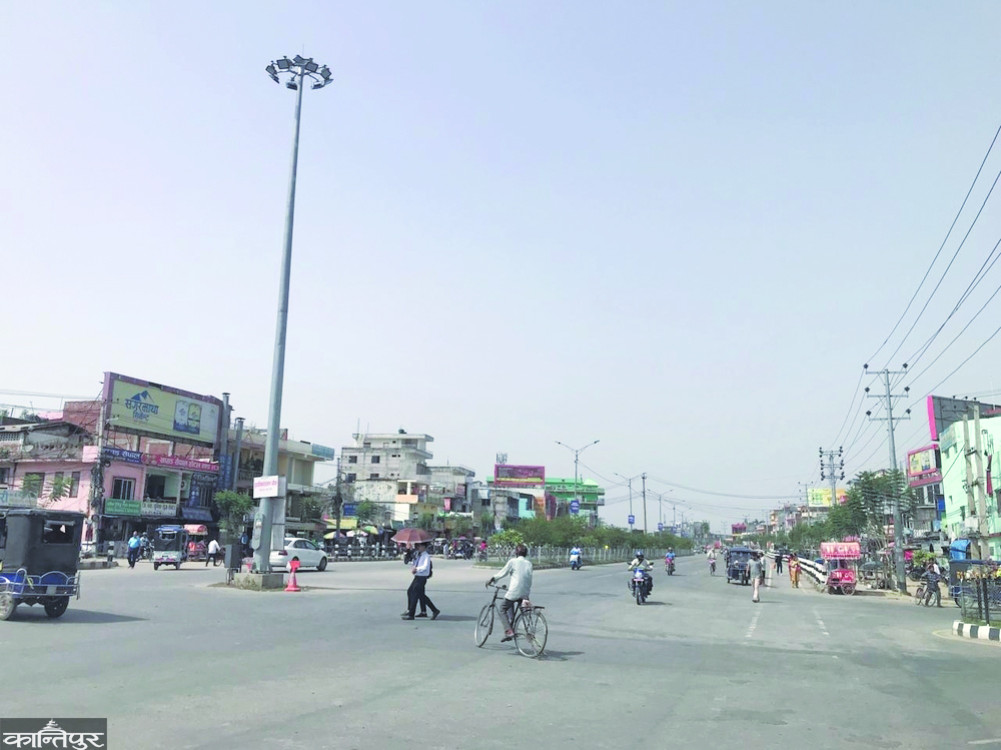
Shutdowns and strikes have a direct impact on ordinary citizens. Workers who have to go to work early in the morning, students who run to school, patients who have to go to the hospital and small traders have become the main star of this movement. The bandh on May 18-19 left roads across the country deserted and thousands of commuters stranded. The protestors were traveling easily in their private vehicles, but were stranded on the roads due to public compulsion. This clearly shows the class gap between the protestors and the victimized class – the powerful hold the common people hostage for their interests.
In economic terms, such shutdowns cause huge damage to the country's economy. When trade, industry, tourism and transport sectors are stopped, billions of rupees are lost. The National Federation of Nepal Transport Professionals claims that investment of 13 trillion rupees and 1.5 million jobs are at risk in its sector. But they do not account for how much the country lost due to the shutdown.
According to the ride-sharing regulations brought by the Gandaki state government, private vehicles are allowed to be used for ride-sharing with conditions. Transport businessmen have protested saying that this rule will damage their business. According to them, this rule is contrary to the Vehicle Act 2049 and they are also demanding the implementation of the government decision to transform the transport committee into a company in 2074 and the removal of property seizure. Their demands are considered just, but methods like bandh and strike are not the solution to the problem. Instead, such means reduce people's sympathy towards the protestors.
Ride-sharing services are not unusual in today's digital age. Nepal cannot remain trapped in the cycle of shutdowns and strikes forever. Patients not getting treatment, students losing education, workers losing jobs cannot be the price of any movement. Although the constitution has given the right to make demands, it has not given anyone the right to harm the life and livelihood of others.
– Santosh Simkhada , Tokyo Japan