We use Google Cloud Translation Services. Google requires we provide the following disclaimer relating to use of this service:
This service may contain translations powered by Google. Google disclaims all warranties related to the translations, expressed or implied, including any warranties of accuracy, reliability, and any implied warranties of merchantability, fitness for a particular purpose, and noninfringement.
Unnecessary delays and disputes in the process of appointing high-level officials in Nepal have raised serious questions about the credibility of the government.
Political partisanship, conflict of personal interests and factionalism are the root causes of the unnatural delay in appointments to important administrative posts ranging from constitutional bodies, commissions, regulatory bodies. The practice of giving priority to the power equation over the criteria of merit will certainly not yield the desired results.
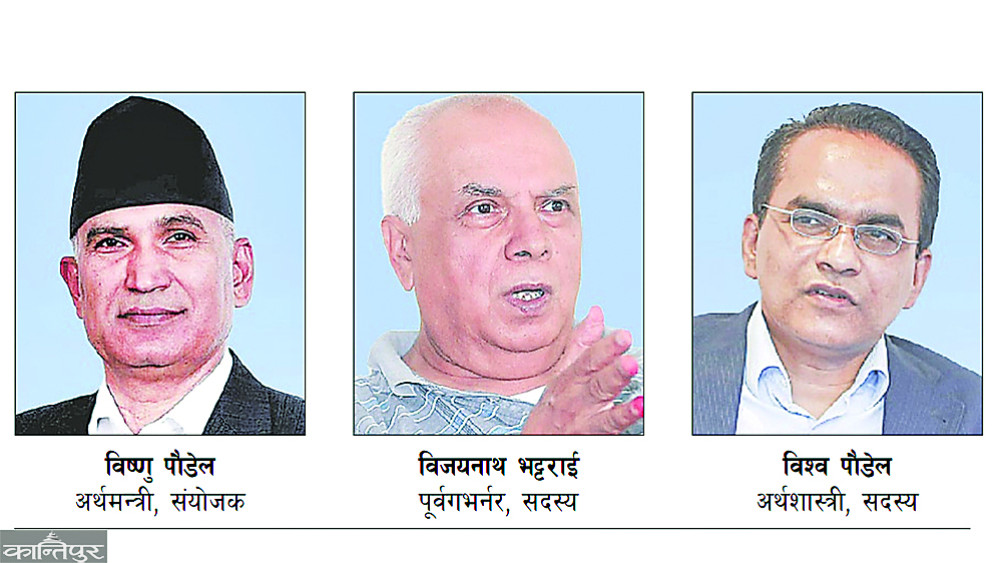
The recent delay in the appointment of the Governor of Nepal Rastra Bank is a vivid example of this trend. It is really a shame that without a clear process and reason, there is no timely appointment to the post of Governor, the decisive role of the economic advisor to the government and the regulatory body of the entire economic sector. This is not only a delay in appointments, but also a reflection of systemic weakness. Nepal Rastra Bank is an important body that formulates the country's monetary policy, provides stability to the banking system, maintains discipline in the market and provides necessary financial opinions, advice and suggestions to the government. The confusion seen in the appointment of the post of governor to lead such a body can have a serious impact on the overall economic stability of the country.
Due to the disputes and delays in the appointment, even the officials holding the responsibilities cannot perform the work with confidence. Due to the opaque appointment process, many questions arise about the governor or other officials who are appointed. This has a direct impact on their decision-making process. Under the leadership of the governor, monetary policy is formulated in the public interest. But it would be difficult to expect such an independent and impartial role from a person who comes with the burden of political recommendations.
This is a time of serious introspection, especially for the government and the political parties in the ruling coalition. Let's select the leadership based on legal and institutional methods, not just for the sake of getting results and public trust from the state agencies. If the post-appointment results are to be expected, the pre-appointment process itself needs to be pure and fair.
– Techendra Adhikari , Biratnagar