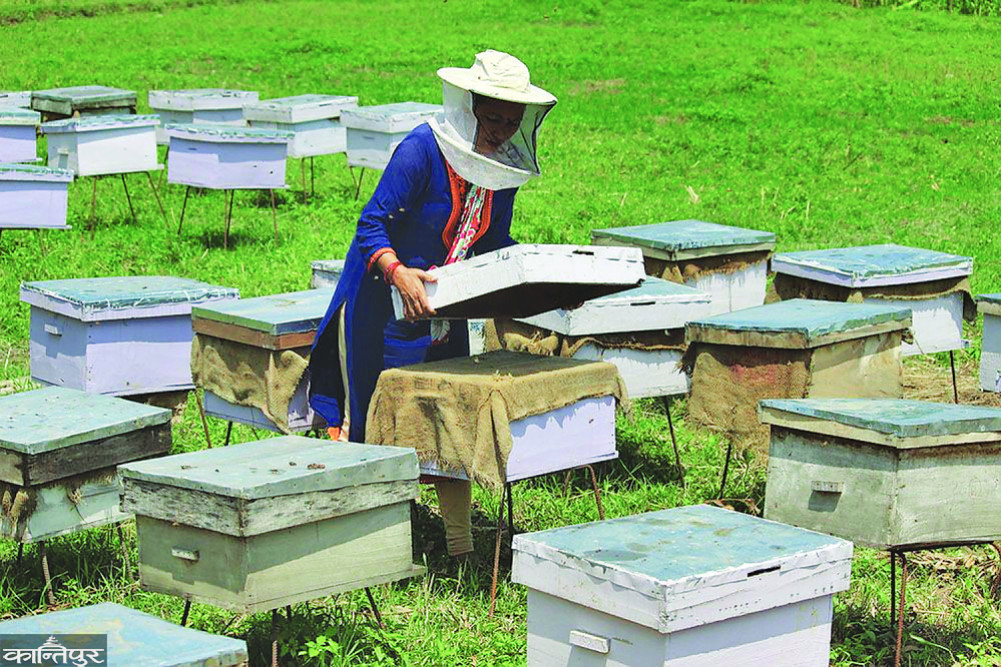
Honey is now being aggressively marketed. Imported brands are competing with local honey. Specialty honeys like ‘Mad Honey’ are being promoted on social media.
We use Google Cloud Translation Services. Google requires we provide the following disclaimer relating to use of this service:
This service may contain translations powered by Google. Google disclaims all warranties related to the translations, expressed or implied, including any warranties of accuracy, reliability, and any implied warranties of merchantability, fitness for a particular purpose, and noninfringement.
One of the oldest sweet foods in human history is honey. Long before refined sugar entered the kitchen, people relied on honey for sweetness and energy. However, honey is not water with sugar dissolved in it. Bees collect nectar from flowers and, with the help of their own enzymes, convert it into honey through a process of reducing the amount of water and storing it in the hive. The honey that is finally formed is not just sugar. It also contains small amounts of minerals, vitamins, enzymes, and other useful elements from flowers and plants. That is why honey is considered different and special from ordinary sweeteners.
Research on honey collected from different parts of the country has shown that it contains the right amount of natural sugar, beneficial antioxidants for the body, and antibacterial properties. Some research has even shown its ability to inhibit the growth of harmful bacteria, which makes it easy to understand why the old custom of using honey for wounds or sore throats has persisted.
The useful elements in honey depend on which flower the bees brought the nectar from. Dark-colored honey, which is often collected from forests or wild plants, is higher in antioxidants that are beneficial to the body. These elements help reduce the harmful effects of aging on the body. Therefore, such honey helps reduce the damage that occurs with aging and reduces the risk of chronic diseases.
Honey is now being aggressively marketed. Imported brands are competing with local honey. Special honeys like ‘Mad Honey’ are being promoted on social media. Honey is now being aggressively marketed. Imported brands are competing with local honey. Special honeys like ‘Mad Honey’ are being promoted on social media. Health and lifestyle influencers promote honey as a solution to almost everything from weight loss to digestion, sleep, immunity, and more. However, modern farming is increasingly dependent on chemical pesticides, which are increasingly threatening the quality of bees and ultimately the honey itself.
Among Nepali products, there are probably few that have received as much international attention as Mad Honey. Social media shows foreign tourists climbing mountains to Nepal, tasting honey, and then feeling intoxicated. Its price is also increasing, and honey collection trips are now being promoted as adventure tourism. However, Mad Honey is not just a unique, fun item. It contains a natural toxic substance called grayanotoxin, which is found in the juice collected from some types of honeysuckle flowers. These substances affect the nervous system. If consumed in large quantities, dizziness, sweating, vomiting, low blood pressure, and slow heartbeat may occur. In some cases, it may be necessary to go to the hospital for treatment.
Traditionally, local communities used Mad Honey for medicinal purposes in very small quantities and with caution. It was never consumed routinely or for pleasure. On the other hand, people collect honey by hanging from rocks and risking their lives. For them, it is not entertainment, but a livelihood and a cultural tradition. However, social media rarely shows the health emergencies that can occur after consuming honey. Promoting ‘mad honey’ as a mere thrill without sufficient information risks damaging human safety as well as cultural meaning.
Rural honey and honey found in the market are not always the same. Nowadays, many urban consumers buy honey in packets or bottles. These bottles are labeled as ‘pure’, ‘organic’ and ‘healthy’. However, the reality is not always that simple.
How long does honey last? This depends on how it is processed and how long it is stored. If honey is heated too much or stored for too long, its quality can gradually deteriorate. At such times, some chemical indicators that indicate ‘oldness’ increase in honey. One of these indicators is hydroxymethylfurfural (HMF), which can be more visible in honey that has been heated too much or stored for a long time. Some research has shown that some commercial honeys available in the market have higher levels of this sign. This suggests that the honey may have been overheated or stored for a long time.
Another problem is adulteration. Sometimes, sugar syrup or other sweeteners are added to increase the amount of honey. Consumers cannot easily tell this by taste alone. This gradually erodes trust in the market and causes losses to honest beekeepers. Ironically, today, many urban consumers pay high prices for imported honey, but beekeepers in their own villages are struggling to sell pure honey at a fair price. Supporting reliable local producers not only protects the quality of honey, but also supports the livelihood of the village.
Another topic that is rarely discussed when talking about honey is pesticides. In modern agriculture, the use of chemical pesticides is increasing to protect crops and increase production. Bees, on the other hand, fly long distances to collect nectar and pollen from fields, gardens, and wild plants. In the process, they also come into contact with pesticide residues. Scientific studies conducted in various countries have shown that bees and hive products contain residues of pesticides used in agriculture.
The effects of pesticides can weaken bees' memory, navigational skills, and ability to fight disease, which is why bee populations are declining worldwide. For humans, prolonged exposure to such chemicals through food is also a concern, especially for children. Bees are also considered environmental signal organisms. If pollution is seen in hive products, it indicates that there is a problem in the surrounding agricultural environment. Therefore, monitoring the quality of honey is also an understanding of the health of the environment. Saving bees is not only about saving honey production. Many crops depend on pollination by bees. If the number of bees decreases, agricultural production can be affected.
In today's market and advertising, honey is presented as a cure for almost all diseases. However, the reality is different and balanced. Honey can provide relief from sore throats and coughs. It also has antibacterial properties, which can help with wound care to some extent. The antioxidant properties found in honey can benefit overall health. Using honey in limited quantities instead of refined sugar can also be good in some ways. However, it should not be forgotten that honey is high in sugar. Eating too much can increase calories in the body and cause problems related to metabolism.
People with diabetes should exercise special caution when using honey. Honey cannot replace antibiotics in the treatment of serious infections, nor can it cure chronic diseases. In traditional Nepali culture, the use of honey was already balanced. It was not customary to eat a lot every day, it was used only when necessary.
Nepal produces thousands of tons of honey every year, but this sector has not yet been developed well compared to its potential. Many beekeepers do not have the necessary training, modern equipment or access to stable markets. The system for testing and certifying the quality of honey is still limited. However, Nepal's natural diversity offers great potential for producing various types of high-quality honey. Sustainable beekeeping helps protect forests and also provides a source of income without damaging the environment. Bees thrive in a healthy environment and bees also contribute to crop production.
With policy reforms, investment in research, training for beekeepers, proper regulation of pesticide use, and increased transparency in the market, honey production can become a strong and golden foundation for rural economic development.