‘Problem tigers’ were publicly seized upon, creating a narrative that certain tigers or the behavior of local communities was responsible for covering up planned overpopulation.
We use Google Cloud Translation Services. Google requires we provide the following disclaimer relating to use of this service:
This service may contain translations powered by Google. Google disclaims all warranties related to the translations, expressed or implied, including any warranties of accuracy, reliability, and any implied warranties of merchantability, fitness for a particular purpose, and noninfringement.
Bardiya is in the midst of the worst human-wildlife conflict crisis. Five people died in January 2026 alone, two more in the first week of February, and more than 40 between 2020 and 2025—a frightening pattern emerges. Is this humanitarian disaster deliberately created to pave the way for trophy hunting in Nepal?
Consider this strategic timeline –
Stage 1 : Tiger numbers were artificially increased beyond the carrying capacity of the habitat, despite full knowledge of the inevitable habitat loss and human conflict.
Stage 2 : Proven conflict reduction techniques were refused, human casualties were allowed to mount and community frustrations were allowed to reach their peak.
Stage 3 : ‘Problem tigers’ were publicly captured, a narrative was created that certain tigers or the behaviour of local communities was responsible for the planned overpopulation.
Stage 4 : Governments and communities waited until the crisis point, let alone taking any action, perpetuated the very causes that led to the increase in tiger numbers. And, finally, a climate was created that made drastic ‘tiger poaching for population management’ socially and politically acceptable.
Step 5 : Now it’s time to propose trophy hunting as a solution, to promote the concept that there are many benefits to selling licenses to foreigners for trophy hunting rather than letting tigers die because they need to be killed, and to establish yourself as the ‘messiah’ who will bring the solution.
Nepal’s more than 150 ‘extra’ tigers in the Bardiya-Banke region, at a price of US$50,000-100,000 per trophy hunt, could generate $15 million. Conservation is a lucrative business that far exceeds current tourism revenues and is based on the vicious cycle of tiger overpopulation.
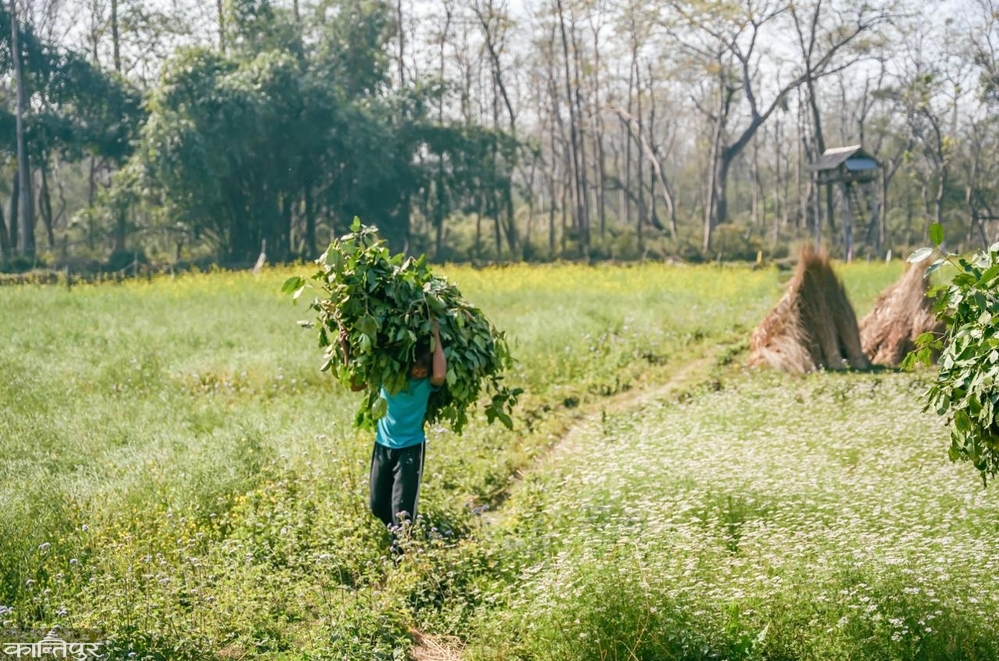
Most interestingly, while unprecedented human deaths are occurring in Bardiya, organizations are promoting the story of unlimited capacity. The World Wildlife Fund and partners say that Nepal can support more than 500 tigers. ‘Bardiya, which is 968 sq km in area, can accommodate many tigers’, while an adult male tiger in Nepal can only live in an area of 5-20 sq km,’ according to a statement published in Dialogue Art. Making such a claim amid devastating human-wildlife conflict suggests that the crisis is not an unfortunate outcome, but rather a deliberate creation of a long-term strategy.
Four Tiger Conservation Action Plans—Zero
Human Security: From 2008 to 2027, conservation partners implemented four ‘Tiger Conservation Action Plans (TCAPs),’ but measures to empower communities, protect people and reduce unavoidable conflict are strikingly absent. Instead, the strategies focused on:
-180 artificial water sources to eliminate natural scarcity,
-aggressive grassland management—creating artificially productive monocultures that only benefit tigers and prey species,
-massive habitat modification despite knowing that territorial contraction would occur.
The critically endangered Bengal florican has declined in numbers. Indiscriminate burning of grasslands for tigers may have wiped out the species from Bardiya. If it were really about stopping extinction, the Bengal lorican (less than 1,000 worldwide) would be prioritized over tigers (more than 4,500 worldwide and counting).
The price paid by local communities:
There were zero deaths from tiger attacks in Bardiya between 2008–2019. Since 2019—when tiger numbers have filled the habitat—the deaths have begun. By 2021, 10 people have been killed in nine months. By 2022, 21 people have been killed in 12 months. The most recent TCAP was finalized (2023–2027), after more than 20 Bardiya residents had died, but it had no provision for saving human lives. The question is worth the cost of nearly 70 lives lost—why did it all happen? If the answer is to create a backdrop for trophy hunting—if this entire manufactured crisis was designed to overcome Nepal’s resistance to the commercialization of endangered species—then liability must extend beyond negligence to conspiracy. Institutions cannot be allowed to create a humanitarian disaster as a business development strategy. The whole matter requires an urgent judicial investigation. There are enough signs of possible voluntary genocide in this case to warrant a correspondingly serious judicial, ethical, technical, and civil investigation.
It should come as no surprise that conservation organizations are now openly discussing trophy hunting of tigers and leopards in Nepal. The groundwork has been carefully laid: tiger populations have been artificially inflated to unsustainable densities, a humanitarian crisis has been created through deliberate inaction, communities have been pushed to desperate breaking points, the narrative of ‘problem animals’ is setting a precedent for lethal management.
When the proposal comes, it will be shrouded in human welfare. It will be introduced in the name of addressing community concerns through scientifically managed population reduction measures and generating revenue for conservation and compensation. It will cite examples from Africa, reference the sustainable use framework from CITES, and emphasize how trophy hunting revenues can fund conflict reduction programs that institutions refuse to implement. The deliberate creation of a humanitarian crisis to justify the commercialization of wildlife is a profound moral and criminal violation. It goes far beyond the conservation debate.
Thus, neither the people of Bardiya nor the wildlife will benefit from trophy hunting. The community was not consulted or consented to interventions that put their lives at risk. Now that they have lost their lives and livelihoods, they are destined to face a future defined by conservation colonialism. Trophy hunting will generate profits for the elite at the cost of the lives of marginalized communities who have lived here for centuries.
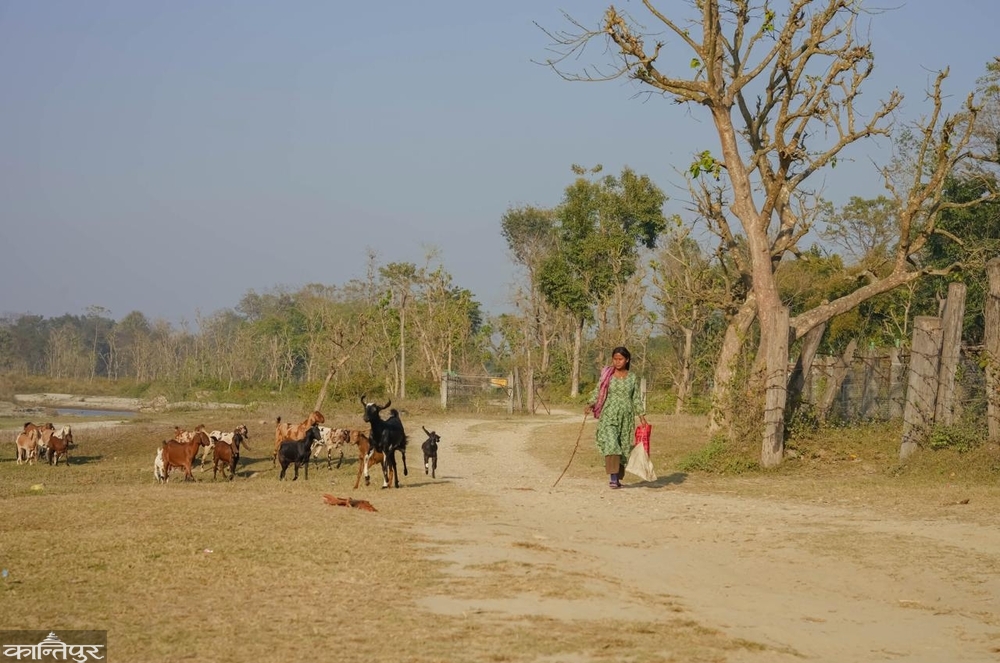
When a sector loses its morality so completely that it can celebrate the conditions created in human corpses as achievements, when it can manufacture humanitarian crises to serve institutional agendas, when it can silence dissent and reward criminal complicity, it ceases to be worthy of any claim to legitimacy.
Perhaps the concept and practice of ‘conservation’ has no relevance in today’s world. Perhaps it is time for all of us who care about the health of the planet to consider an entirely new concept and practice of how we proceed in the quest to preserve the sanctity and integrity of Mother Earth. The immediate question is not whether conservation can improve itself or not. The question is – in its current criminal form, is ‘conservation’ worth living for?