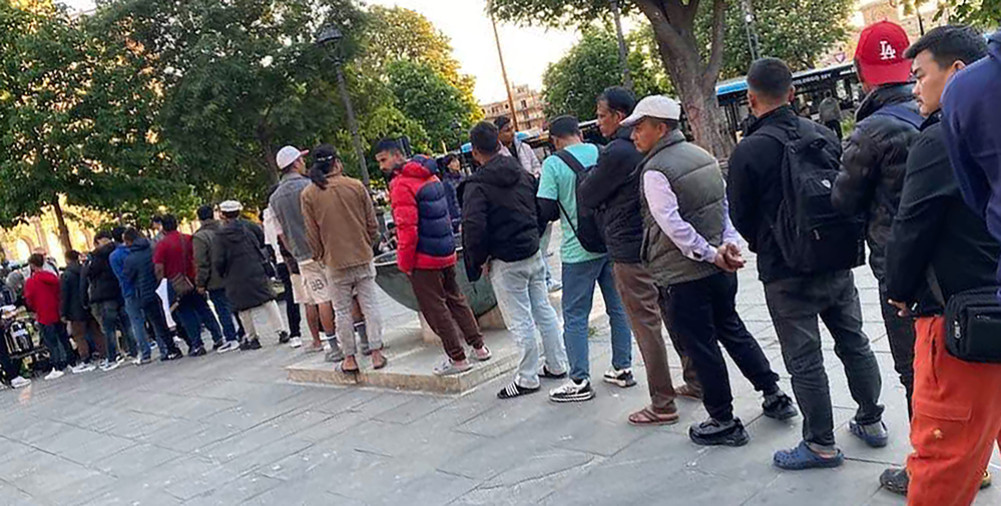
In 2025 alone, 1,060 Nepalis who entered via the Balkan route without a visa spent months in the dilapidated buildings, parks, and streets of the old port of Trieste, Italy, trying to obtain refugee status, but most have yet to receive refugee recognition.
We use Google Cloud Translation Services. Google requires we provide the following disclaimer relating to use of this service:
This service may contain translations powered by Google. Google disclaims all warranties related to the translations, expressed or implied, including any warranties of accuracy, reliability, and any implied warranties of merchantability, fitness for a particular purpose, and noninfringement.
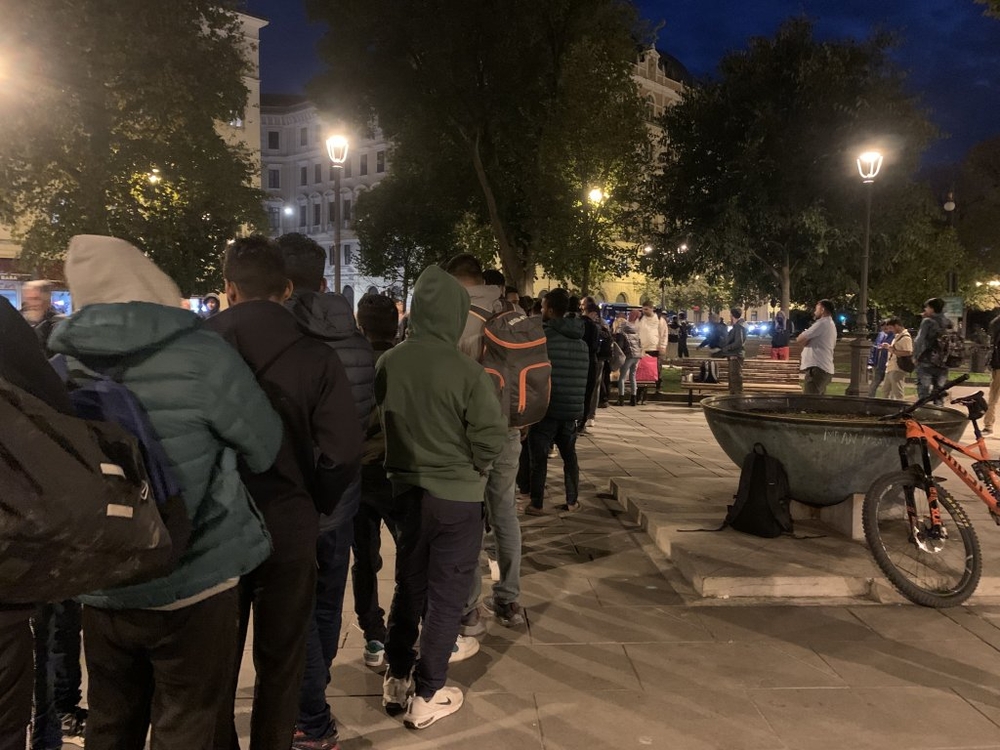
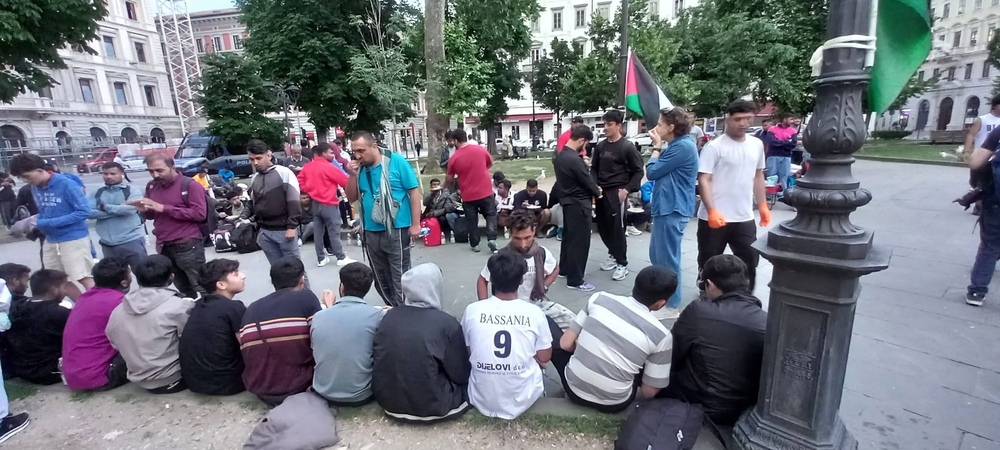
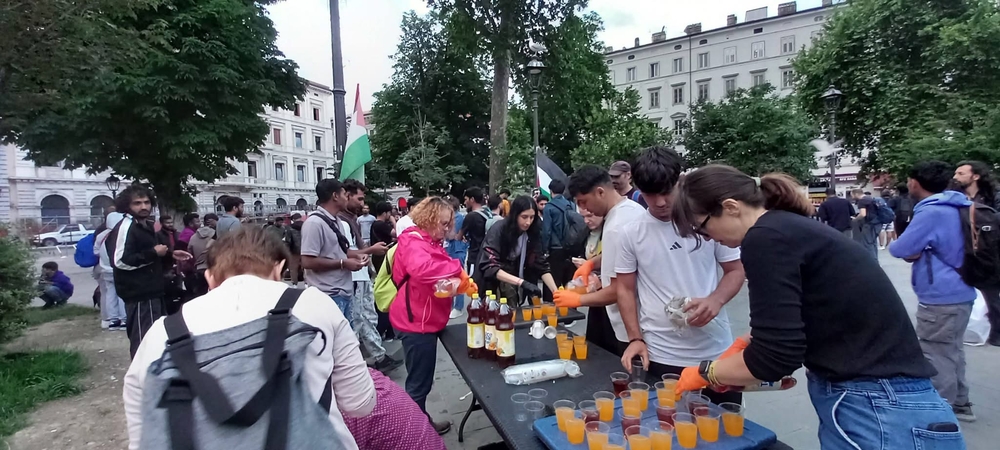
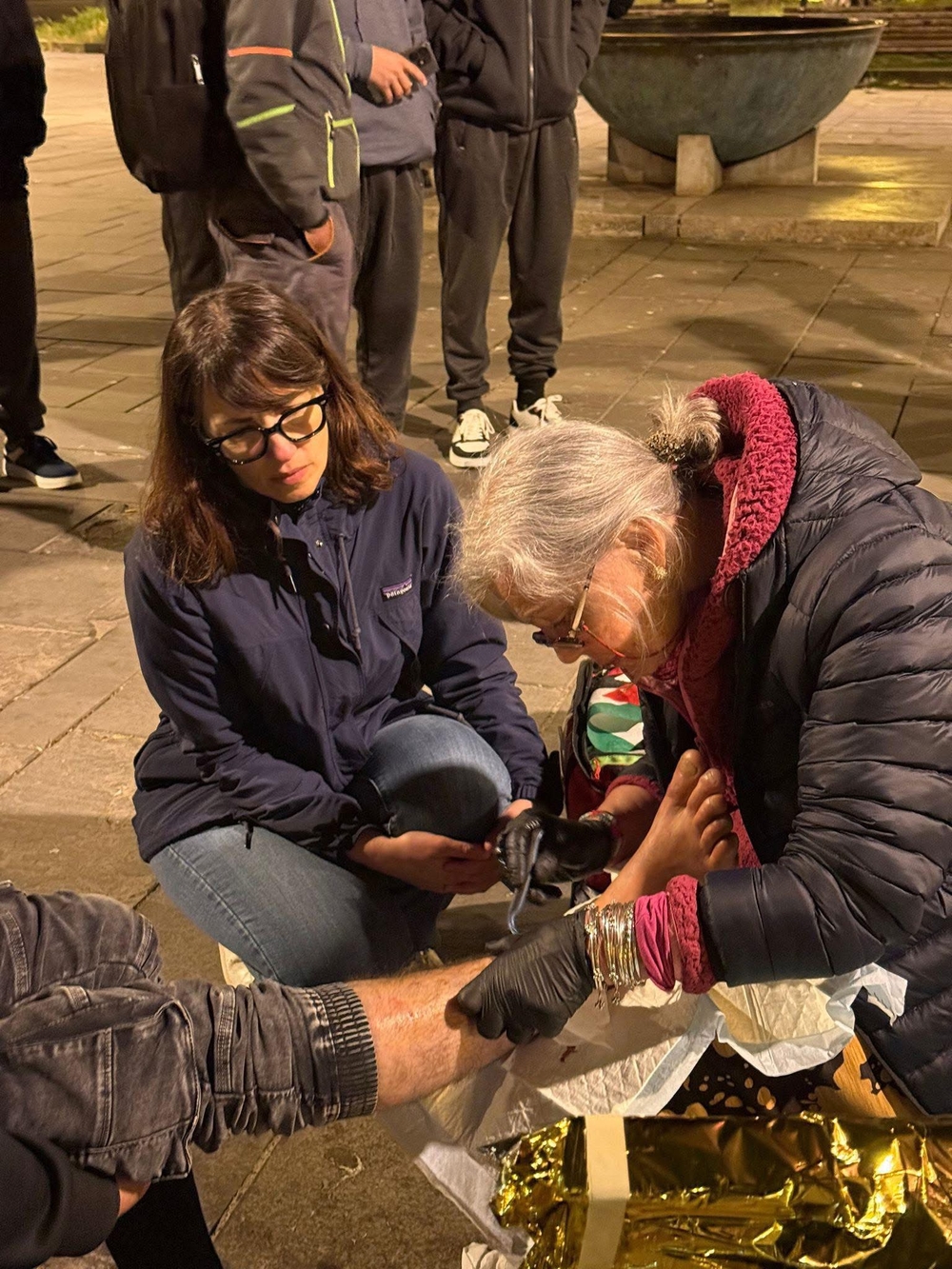
Every evening, at least 10 Nepalis flock to the park near the central train station in the northeastern Italian city of Trieste, seeking help from the Linia Dombra ODV association. Linia is a local NGO that has been providing basic health checks, food and clothing to migrants, including Nepalis, who have taken shelter on the streets of Trieste Centrale. “Every evening, at least 10 Nepalis come looking for food and clothing,” Lorena Forncer, the founder of the association, told Kantipur. “Due to the weak administration here, Nepalis are among the last to receive shelter.”
According to her, the daily presence of Nepalis in the square in front of Trieste station has increased significantly in the past year. Nepalis who come looking for food have to stay on the streets until they are given shelter by the Italian administration. More than a hundred Nepalis are stranded in this park. This number has become regular. These Nepalis arrived at Trieste Centrale Station via the Western Balkan route.
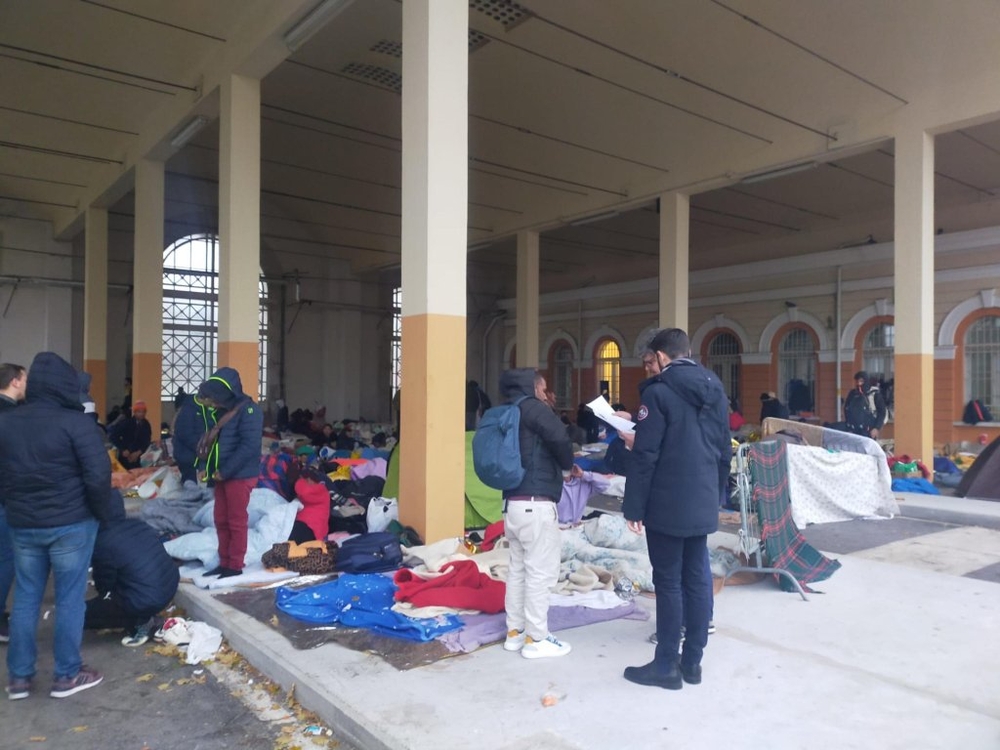
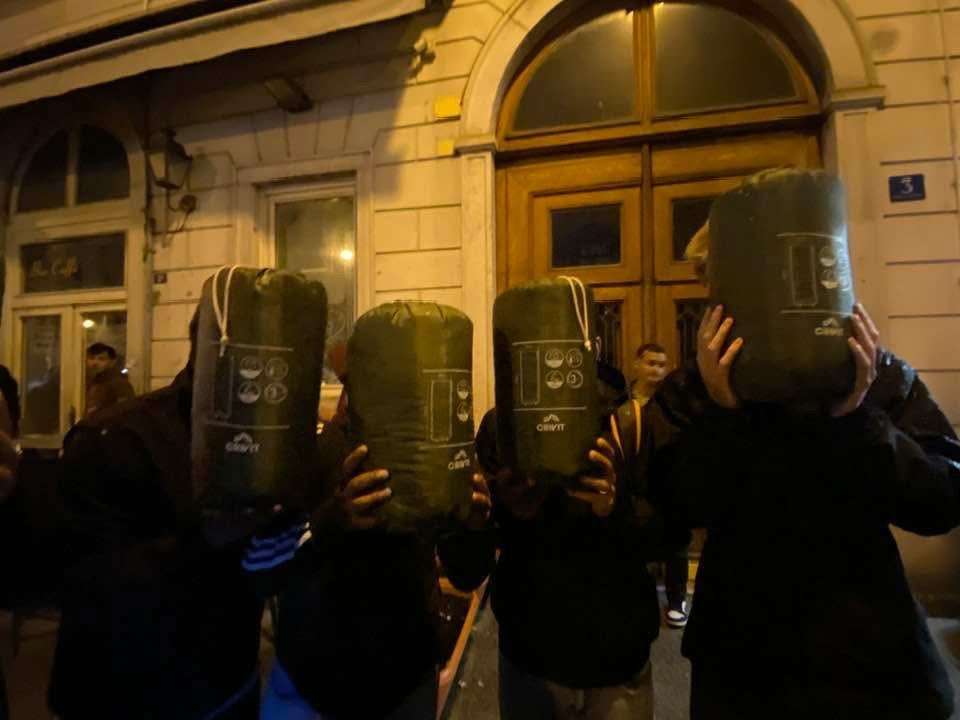
Trieste, near the Italy-Slovenia border, is considered one of the main entry points to Italy via the Balkan route. Trieste's park is a place where immigrants from all over the world arrive. Nepalis who have come into contact with the Linea get food and blankets (some tents) as they arrive here. Relying on that, they have been spending the night on the cold floor in the dilapidated buildings of the streets, parks and the old port for months.
'We are living in tents inside the old building. There are two women. The rest are men. Sleeping on the floor brought tears to my eyes many times. I even cried. But I reminded myself again. This is the path I chose myself, I have to endure it,' Sita Rai of Sankhuwasabha told Kantipur, 'The climate in Italy is also very difficult. When it rains, the building leaks. There is dirt all over the floor. It becomes muddy. We have to cover ourselves with an umbrella. Sometimes even plastic can't protect us. It is even more difficult for a girl. There is no proper toilet. There is no shower. There is no safe living environment.’
The risky journey on the Balkan route
It took Rai 18 days to reach Trieste from Cyprus via Turkey, Greece and France. It is also known as the Balkan route. The Balkan route refers to the illegal route used mainly by refugees and migrants from Asia, the Middle East and Africa who want to enter the European Union. Migrants usually enter Europe via Turkey or Greece. Then they travel north (the Balkan countries – North Macedonia, Serbia, Bosnia and Herzegovina, Croatia and Hungary). After crossing these countries, they aim to reach Germany, France, Italy or other northern and western European countries.
Many people choose the Balkan route to enter Europe without a visa. There are hundreds of dangerous land routes to get here. It is transported by agents and smugglers through forests and mountains, crossing borders between countries. Rai paid the agent/smuggler four thousand euros (about seven hundred thousand rupees) to reach Italy. She had saved this amount by working as a domestic worker in Cyprus for three years. ‘It was very difficult to cross the borders of Turkey, Greece and France. We had to walk through narrow, uphill and downhill, mountains and forests. We drank water from the river.’
‘When we reached the mountains, even the water we were carrying seemed to boil,’ Rai said, ‘We had to walk not three or four hours a day, but nine or nine hours. We had to hide in the forest after crossing the border and wait for a taxi. When a taxi arrived, it would honk its horn, and we had to run and get on. If we had been separated, we would have stayed in the forest for another day or two.’

After reaching France, they reached Trieste via Milan, Italy by bus. ‘We had a lot of trouble reaching France. There was no agent to show us the way. We had to look for the location ourselves. We needed data on our mobile, and if there was no WiFi, we were afraid of getting lost. It was even more difficult when we didn’t speak the language,’ she said, ‘We had asked to be taken to one place, but the taxi driver left us at another place and left us stranded. Finally, we reached the bus stop to Italy. It was already one or two in the night. It was raining. We got completely soaked. Since we couldn’t carry much luggage, we dried the clothes we were wearing on our bodies and walked.’
Ramchandra Bishwakarma of Lamjud also gave 2,500 euros to a Pakistani agent to reach Italy from Albania. He paid 600,000 rupees to a manpower company and got a work permit and reached Albania in 2022. ‘I had 22 Nepalis working in a shoe factory in Albania. Many people who came to this company started running away. The number of workers was decreasing. Then the company started withholding salaries,’ Bishwakarma told Kantipur, ‘There were five of us. We had given 2500 euros to the agent. He took the responsibility of taking us to Italy.’
He reached Italy on the 22nd day after leaving Albania. By that time, Bishwakarma had completed his journey from Albania to Italy via Montenegro, Bosnia, and Slovenia. His team reached Trieste Park, eight kilometers from the Slovenia-Italy border. The location sent by the agent was also in Trieste Park.
‘Sometimes, when crossing the border, we had to wait for 4-5 days. Sometimes, we were kept in hotels. Once inside the country, we would buy tickets and travel in cars. Sometimes, we would be kept in containers. But from there, wherever there was a police check, we had to walk 12-15 kilometers. We had to walk through cliffs, forests, and difficult paths. It was a very dense forest. There were bushes, thorns, and big trees,” he said. “The person showing us the way was not directly with us. The agent would send the live location on the mobile. We had to walk looking at that location. There was a lot of struggle on the way. We were afraid of what would happen at any given time, and there was also the risk of our lives. There was no time to eat or sleep. Even now, when I remember it, it feels terrible.” He initially found it strange that many Nepalis had gathered at the train station next to the park. Some of them had come to fill up with water. Some were staying in the park. A Nepali told him, “After submitting a refugee application, you can stay in the camp here for free. You will also get help.”
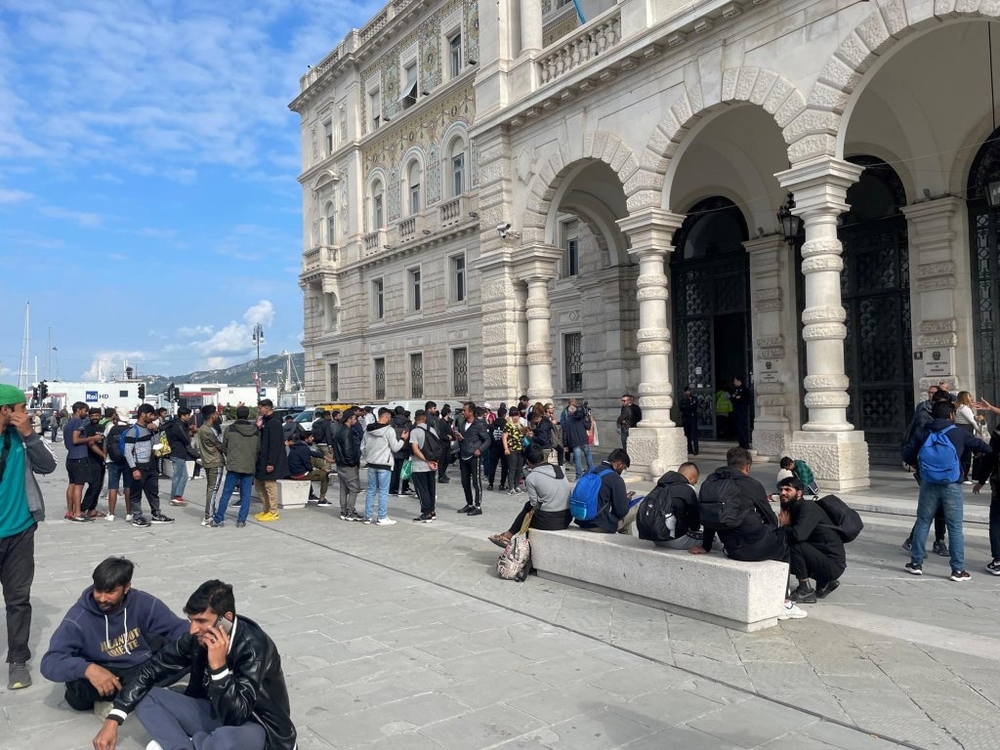
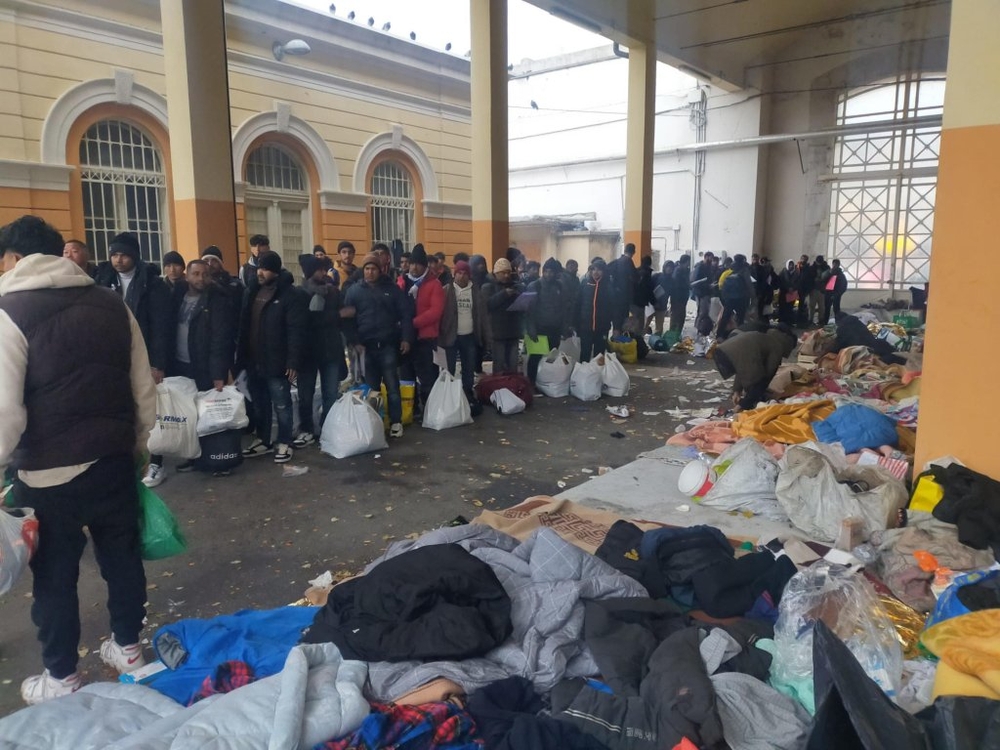
Bishwakarma, who was walking to France, stopped at the same park. After experiencing such suffering/shock, Bishwakarma is living an unexpected life in the park. “It feels like we have come from one miserable country to another miserable one,” he said. “We have to queue for food. There are Pakistanis, Nepalis, Bengalis, Afghanis in that queue. There are no pulses and vegetables like in Nepal. Food comes in plastic packets. Sometimes I don’t feel like eating it. I am just eating to survive.”
Recent reports from European and international agencies indicate a steady decline in the movement of people along the Balkan route due to the strictness of European countries. According to the European Border and Coast Guard Agency (Frantex), which helps manage the external borders of European member states, the number of migrants identified entering Europe via this route fell by 42 percent in 2025. It reached 21,520 in 2024. This has decreased to 12,525 in 2025. Frontex attributes this decrease to strengthened border control measures and increased cooperation between national authorities and agencies. It supports member states at the EU's external borders by conducting patrols, air surveillance and border security activities.
The United Nations High Commissioner for Refugees (UNHCR) reported a 39 percent decrease in the number of migrants using the Balkan route in 2025 compared to 2024. Of these, about 9,350 people traveled through the Western Balkans. However, the number of people arriving by land towards Italy during the same period has decreased.
Although the report by international bodies shows a decrease, there are different details and figures in the Nepali context. Based on the conversations that Kantipur had with Nepali workers and Nepali embassies in Europe, the number of undocumented Nepalis using the Balkan route is increasing day by day. The number of Nepalis going to countries in Eastern and Southeastern Europe with work permits (institutional and individual) from the Department of Foreign Employment is increasing. However, the Ministry of Foreign Affairs has stopped the verification of institutional demand letters based on a letter sent by the Ministry of Foreign Affairs on March 8, 2023, stating that it would discourage them from going to Western Europe.
According to the Department of Foreign Employment, 35,000 Nepalis went to Europe through personal access (agents) in the last fiscal year alone. Of these, 21,000 went to Romania, 11,000 to Croatia, 1,900 to Portugal, 1,100 to Slovenia, and 1,000 to Austria. Apart from the department's data, businessmen claim that the number of Nepali workers going to Europe through third countries is even higher. As the institutional sending of workers has been stopped, Nepali workers are going to Europe through unregistered agents with personal labor permits. Nepali workers who reach Europe in this way are subject to problems including financial exploitation and fraud.
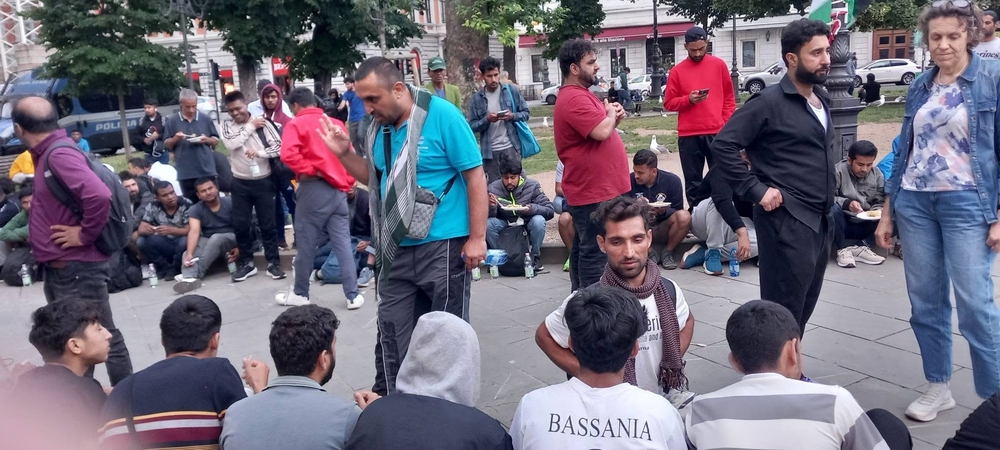
The International Rescue Committee (IRC), Italy, has a record that 9,761 people, including 1,060 Nepalis, reached Trieste Railway Station Park via the Balkan route in 2025. Of these, 92 percent were men and 8 percent were women. These figures are based on direct interviews with migrants conducted by IRC and local NGO Diaconia Valdese staff. They only provide a partial picture of the migration situation in the border area. According to the IRC, the number of migrants entering Italy via the Balkan route could be even higher.
While the total number of migrants arriving at the park has decreased by 27 percent compared to 2024, the number of Nepalis is increasing, the IRC report states. The number of people arriving at the park in 2024 was 13,460. Of these, 793 were Nepalis. The highest number is 40 percent Afghan, 13 percent Turkish, 11 percent Nepali, 11 percent Bangladeshi, and 11 percent Pakistani. However, among women arriving alone, the highest number is Nepali (76 percent (193), Indian (7 percent (18), Sri Lankan (4 percent (10)), and Turkish (4 percent (10)). The IRC report states that there are 50 Nepali couples arriving with their husbands and wives.
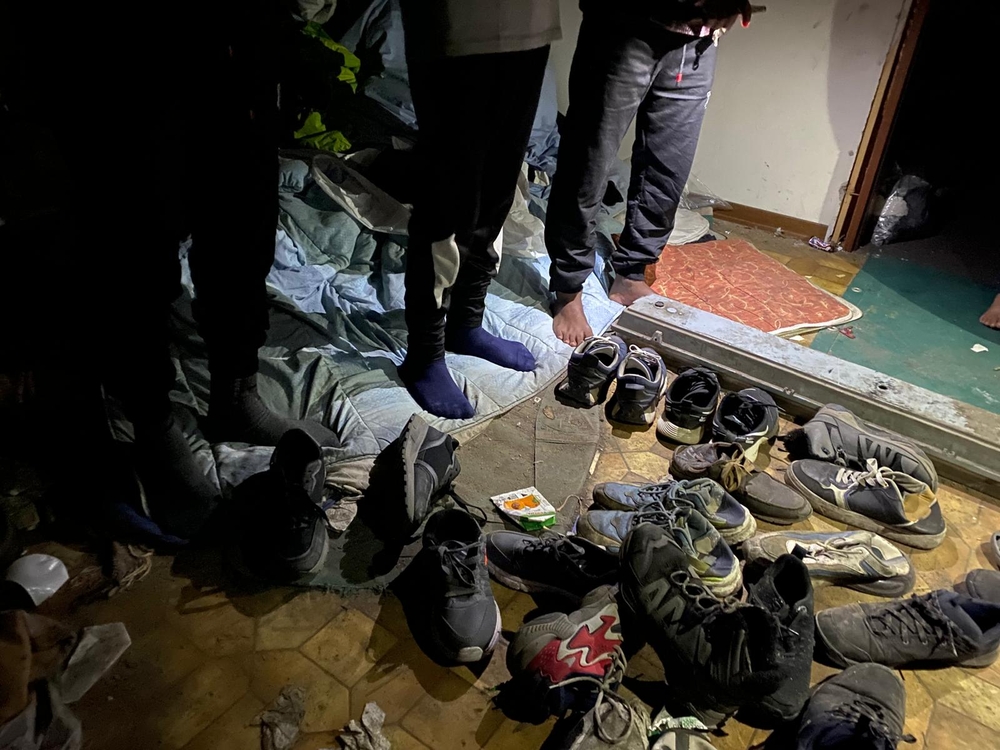
The story of migrants living in a dilapidated government building in the old port (Porto Vecchio) in Trieste is even more tragic. According to a report by the Italian news agency ‘Ainsa’, 43-year-old Sunil Tamang was found seriously ill in one of these buildings on January 12. He was declared dead by doctors after being taken to the hospital. Tamang had only returned the previous day after applying for asylum. Gianfranco Schiavone, president of the Italian Consortium of Solidarity (ICS), which has been helping migrants, said that the Nepali died because he did not receive timely treatment. ‘He had been living outside for weeks. He arrived in Trieste around Christmas. At that time, the temperature had dropped below zero for several days. He was left helpless,’ ‘Ainsa’ wrote on January 15, quoting Schiavone, ‘Had he had access to treatment in time, he could have been saved. He was neither given safe shelter nor health care in time.’
Italian authorities have also been evicting those living in such buildings from time to time. However, due to the increasing pressure of migrants, another group arrives within a few days to settle. “Many people are left homeless due to delays in accessing housing services. They are forced to take precarious shelter in warehouses. Where health risks are high due to the lack of sanitation and proper housing arrangements and harsh living conditions,” he said. “Of those sheltering there, many migrants will arrive at the daytime clinic every day to be checked for respiratory and other diseases. Without special equipment or quality tests, diagnosing and treating those diseases and problems is difficult.”
Months of waiting for white paper
It took five months for Sanjeev Thapa of Sindhupalchowk to receive the ‘formal registration certificate (white paper)’ of his refugee application issued by the provincial police headquarters (Crestura) in Trieste. A person who has applied for asylum cannot stay in a temporary accommodation center (camp) until he receives the ‘white paper’ by filling out the C-3 form. Until then, he has to spend his time on the cold floor of the same dilapidated building. ‘I stayed in such a house for five months.
There were not even windows and doors. It was like a jungle. I always had to sleep in fear. There was always marijuana, alcohol, and fights between people. I had to go two to three kilometers away to get food,’ he said, ‘The dunkers would come. People would leave.’
He reached Italy from Croatia in October 2023. That year, 7,441 people from Nepal went to Croatia with work permits. Thapa told Kantipur that he paid eight hundred thousand rupees to an agent in Nepal to go to Croatia. ‘In Croatia, we were given a work permit for only one year. However, we had to find work ourselves. I got a job lifting heavy loads in a warehouse for four months. I quit the job because it was too difficult. I couldn't complete the 25 daily targets given in delivery even after working 13-14 hours. After that, I didn't have any skills even after looking for a job for a month,' he said. 'At that time, I found out that an acquaintance's brother had reached Italy. I also reached Italy with his help.' At that time, he had only three months left on his temporary residence permit (TRC) in Croatia. 'It didn't cost two to three thousand euros to come to Italy like others. Because I had a TRC card. After that, I was able to come by bus,' he said.
After reaching Italy, his mountain of sorrow grew even higher. He had to face many hardships to register his refugee application. 'There is only one place where hundreds of people sleeping on the streets like us can go to apply. You can't fill out the form online. I always got a message that it was booked and the quota was full. I used to go to the office in Crestura every day,' he said. 'I went five times. At first, they asked me to hand over my passport. I was afraid to hand over my passport. What would happen next? I was not told how it would happen. Finally, I was registered. My photo was taken, my fingerprints were taken.’ Migrants like Thapa reach the police headquarters every morning at 5 am to apply for asylum. They wait outside the police headquarters for hours, regardless of rain, sun, heat or cold. Then an officer comes out and says, ‘Come back tomorrow.’ The same thing is repeated every day, ‘Come back tomorrow.’
According to Lorena Fornerser, founder of Linea, the police headquarters constantly postpones this process for Nepalis. ‘Sometimes it takes months,’ she told Kantipur, ‘The administration here has stopped following the law. The current policy seems to be to discourage refugees. Its aim is to prevent migrants from coming to Italy by treating them badly.’
According to Italian law, the police must complete the registration process of an asylum application within three days (office hours) of submitting the application. If there is a lot of pressure, it can take up to 10 days. However, according to the report of the Asylum Information Database (AIDA)-2025, the formal registration of an application takes an average of 5 to 8 months. In which the police take photos of only a limited number of people every day and collect fingerprints. These separate tasks take time. According to Ajay Gautam from Kathmandu, who is a volunteer interpreter at the police headquarters, the interview will take time. “A form (C-3) must be filled out for the formal registration of the application. To complete this form, the police officer will ask questions about the applicant’s identity, personal situation, family, personal history, journey to Italy and the reason for fleeing their country of origin,” Gautam said. “The applicant can express his/her views in Nepali. We will explain it in Italian. This also takes time.”
According to the ‘Access Denied’ report, released on 17 December 2025 by eight NGOs working in Italy, only 10-12 migrants manage to enter the Trieste police station every day, despite dozens of migrants arriving daily for asylum. And the application process can take anywhere from three weeks to 60 days. During this time, refugees remain in legal limbo. As a result, they are deprived of shelter, healthcare and other fundamental rights.
Fabrizio Maniago, general secretary of the Friuli Venezia Giulia branch of the Italian Union of Police Workers’ Unions, said that despite the dramatic increase in the number of refugees coming to Trieste to apply, the number of police and staff has not been increased, which is delaying the application process. ‘Twenty years ago, Trieste used to receive 100-150 asylum applications a year. Now, 120 people arrive in a single day,’ said a statement issued by general secretary Maniago on 13 January. ‘Twenty years ago, the number of police officers at the Trieste police headquarters was 600. Now it has dropped to 400.’ After the death of the Nepali migrant, human rights activists questioned the local administration. The police cited a lack of manpower in its defense.
The IRC has stated that Italy’s administrative system and practices create many difficulties for people seeking asylum and protection. ‘These problems are not only related to administrative capacity or management limitations. They also raise serious questions about whether the legal system is being followed and whether the protection system is working effectively. This has led to delays in the registration of applications, confusion in the process and, in some cases, the inability to apply at all,’ the IRC report states. ‘As a result, many migrants are forced to stay in a legally uncertain situation for weeks. They face difficulties in legalizing their stay, accessing rights and services related to the refugee process, and obtaining the necessary protection.’
Difficult to get refugee cards
Migrants are allowed to stay in emergency accommodation centers (camps) run by local NGOs only after receiving a formal registration certificate from the police. Such camps are run by the Italian Ministry of Home Affairs in partnership with specialized NGOs and private companies. There are separate camps for men and families. ‘My husband and I applied at the same time, and we got family status. Two families have been placed in one flat. There is one room, a dining room, a bathroom-toilet, and a kitchen,’ said Rekha Bhandari of Khotang. ‘They quickly give rooms or houses to the girls and families.’
Rekha and her husband Lekh Bahadur met for the first time in the city of Trieste. After marriage, Rekha went to Cyprus. Lekh Bahadur reached Romania. But they both dreamed of Europe. They had made plans to live together. Both reached Trieste by taking different routes through the Balkan route. Lekh Bahadur had been waiting for Rekha on the cold floor of the dilapidated building there for two months. ‘If you apply together, you will get family status. The family will get a camp a little faster,’ Lekh Bahadur said. ‘We finally managed to register the application after a month.’
They have been living in the Malala Camp since August 15, 2023. The family has been receiving a monthly allowance of 650 euros. ‘We cannot afford to live outside with our own room. Living outside costs a lot. I also don’t have a job. Only my husband works. Those who live here are taught the language for two hours. If they don’t speak the language, they don’t get a job,’ she said. ‘If they do a regular eight-hour good job, they are kicked out of the camp. If they don’t get a job, they are allowed to stay in the camp. I also have a child now. After having a child, I was not able to work. That’s why we haven’t been able to leave the camp.’
Lekh Bahadur said that he only got a job after living in the camp for more than a year. ‘जबकि यहाँ आएपछि काम थालिहाल्नुछ र पैसा कमाउन थाल्नु भन्ने सोचेको थिएँ । सँगै कार्ड पनि बनिहाल्छ जस्तो लागेको थियो,’ उनले भने, ‘हामीले कार्डका लागि मार्च २०२५ मै पहिलो अन्तर्वार्ता दिएका थियौं । तर, त्यसमा सफल भएनौं । अब २०२७ मा दोस्रो अन्तर्वार्ता दिन पाइन्छ भन्ने आसमा बसेका छौं ।’
उनका अनुसार कार्ड बन्न अझै गाह्रो छ । ‘सरकारको आफ्नै नियम हुन्छ । सरकारले जे नियम बनाउँछ, त्यहीअनुसार चल्नुपर्छ,’ उनले भने । आवेदनको प्रारम्भिक छानबिन र सुनुवाइ गर्ने तथा त्यसमा अन्तिम निर्णय लिने अधिकार शरणार्थीसम्बन्धी प्रादेशिक आयोगलाई हुन्छ । आयोगले अस्वीकृति गरेपछि दोस्रो पटक मौका दिइन्छ । इटलीभर त्यस्ता २० वटा प्रादेशिक आयोग छन् । प्रादेशिक आयोगले स्वीकृत गरे पछि राष्ट्रिय शरणार्थी अधिकार आयोगले अन्तिम निर्णय दिन्छ ।
नवलपरासीका विकास चौधरीले दुई पटक आवेदन अस्वीकृति भएपछि पुनरावेदन अदालतमा अपिल गरेको बताए । उनी २०२२ मा इटली पुगेका थिए । चार वर्ष बितिसक्दा पनि उनले शरणार्थी कार्ड पाएका छैनन् । ‘पहिलो सुनुवाइमा फेल भएपछि पुनरावेदन अदालतमा जानुपर्छ । त्यहाँ न्यायाधीशसँग आमनेसामने हुन्छ । पास गर्ने र फेल गर्ने उनमै निर्भर गर्छ,’ उनले भने, ‘पुनरावेदनमा पनि फेल भयो भने सर्वोच्चमा जानुपर्छ । मैले त्यसैका लागि वकिल राखेको छु । अहिलेसम्म एक हजार युरो जति खर्च भइसकेको छ ।’
उनी अस्थायी क्याम्पमा बसेका छैनन् । खेतीपातीको काम गरिरहेका छन् । ‘म सुरुको केही महिना पुरुष क्याम्पमा बसेको थिएँ । जहाँ एउटै कोठामा ५–६ जना राखिन्थ्यो । खाना र केही पकेट खर्च दिन्छ । तर, सुतेर खान विदेश आएको होइन । उता नेपालमा परिवार छ । पाल्नुपर्यो,’ उनले भने, ‘कमाइ गर्न भए पनि क्याम्प छोड्नुपर्यो । खेतमा काम गर्न धेरै सीप र भाषा चाहिँदैन । होटलतिर काम गर्न भने भाषा र सीप चाहिन्छ । खाना पकाउने, ग्राहकसँग बोल्ने, अर्डर बुझ्ने जस्ता कुरा जान्नुपर्छ । त्यसैले धेरै नेपाली सुरुमा खेतमै काम गर्छन् ।’
चौधरी काम गर्ने ठाउँमा १५ जना नेपाली छन् । उनीहरू कसैले पनि शराणार्थी कार्ड पाएका छैनन् । ‘हामी नेपालीहरू वास्तवमै शरणार्थीको मापदण्डभित्र पर्छौं कि पर्दैनौं भन्ने मुख्य कुरा रहेछ,’ उनले भने, ‘जस्तै एउटा देशमा आन्तरिक द्वन्द्व हुनुपर्यो । हाम्रो देशमा ०६२–६३ सालको जनआन्दोलन भयो । एक किसिमको द्वन्द्व थियो । त्यस्तो बेला मान्छे देश छोड्न बाध्य हुन्छ । पहिलेजस्तै भूकम्प आयो भने पनि देशको जनजीवन अस्तव्यस्त हुन्छ, रोजगारी हुँदैन, खानलाउन समस्या हुन्छ । त्यस्तो अवस्थामा पनि मान्छे देश छोड्न बाध्य हुन सक्छ । कि त एउटा देशले अर्को देशमा आक्रमण गरेको हुनुपर्यो ।’ उनको अनुभवमा पाकिस्तानी, अफगानीहरूले सजिलै कार्ड पाइरहेका छन् । ‘हाम्रो त अन्तर्वार्ता नै साढे दुई घण्टासम्म चल्छ । एउटा बन्दकोठामा चारैतिर सीसीटीभी हुन्छ । त्यहाँ नेपालबाट किन आयौ ? नेपालमा के गर्थ्यौ ? घरमा को–को छन् ? जस्ता धेरै प्रश्न सोधिन्छ । दोभाषेले इटालियनमा अनुवाद गरेर सुनाउँछन्,’ उनले भने, ‘अहिले त हामीहरूले अन्तर्वार्तामा शरणार्थीका लागि योग्य हुन चाहिने पर्याप्त आधार नै पेस गर्न नसकेको हो कि जस्तो लाग्न थालेको छ ।’
इटलीको आन्तरिक मन्त्रालयको सूचनाका आधारमा तयार गरिएको यूएनसीएचआरको प्रतिवेदनअनुसार २०२५ मा इटलीमा १ लाख २६ हजार ६ सय जनाले पहिलो पटक शरणार्थीका लागि आवेदन दिएका थिए । त्यो वर्ष ३० प्रतिशतको आवेदन मात्रै स्वीकृत भएको थियो । आवेदन स्वीकृत भएकामध्ये पनि ६ प्रतिशतले मात्रै शरणार्थीको दर्जा पाएका छन् । तीमध्ये ११ प्रतिशतले सहायक संरक्षण र १३ प्रतिशतले मानवीय संरक्षणको हैसियत प्राप्त गरेको यूएनसीएचआरले जनाएको छ । गम्भीर जोखिम (युद्ध, मृत्युदण्ड) मा परेकालाई सहायक संरक्षणको हैसियत दिइन्छ । त्यस्तै गम्भीर रोग, चरम गरिबी, प्राकृतिक प्रकोपलगायतका जोखिममा परेकालाई मानवीय संरक्षणको हैसियत दिइन्छ ।
युरोपेली संघ (ईयू) को तथ्यांकअनुसार युरोपभरिमा आवेदन स्वीकृत गर्नेमा इटली चौथो स्थानमा पर्छ । जबकि पूरै ईयूको औसत स्वीकृत दर ३९ प्रतिशतभन्दा यो निकै कम हो । यूएनसीएचआरले आफ्नो औपचारिक प्रतिवेदनमा इटलीको शरणार्थी प्रक्रियामा देखिएको कमी र ढिलाइलाई गम्भीर प्रणालीगत समस्याका रूपमा उल्लेख गरेको छ । यूएनसीएचआरले आवेदन प्रक्रिया समयमै पूरा नहुँदा उत्पन्न हुने जोखिम (जस्तैः बेघर हुनु, शोषणमा पर्नु) बारे चिन्ता व्यक्त गर्नुका साथै प्रक्रियालाई पारदर्शी तथा पहुँचयोग्य बनाउन निर्देशनसमेत जारी गरेको छ ।
रुकुमका हरिशरण वली शरणार्थी प्रक्रियामा सामेल भएकोमा पछुतो मानिरहेका छन् । उनी घर जान नपाएको चार वर्ष भइसकेको छ । अहिले उनी दोस्रो अन्तर्वार्ताको मिति पर्खिरहेका छन् । ‘घरमा पाका बुबाआमा हुनुहुन्छ । भाइबहिनी छन्, श्रीमती छन् । साना छोरी र छोरा छन् । उनीहरूसँग यति लामो समयसम्म कहिले टाढा भएको थिएन । घर जान नपाउँदा साह्रै पीडा हुन्छ । कहिलेकाहीं त यो कार्ड नै लिने बाटोमा नलागेको भए हुन्थ्यो जस्तो लाग्छ,’ उनले भने, ‘चार वर्ष बिताइसक्दा पनि सोचेजस्तो युरोपको जीवन पाएको छैन । हामीजस्ता मान्छेका लागि सधैं संघर्ष नै छ ।’