Advocate Dr. Premraj Silwal has called for a discussion after holding the first hearing on the second writ petition claiming that the Property Commission is unconstitutional and without jurisdiction, but refusing to issue an interim order.
We use Google Cloud Translation Services. Google requires we provide the following disclaimer relating to use of this service:
This service may contain translations powered by Google. Google disclaims all warranties related to the translations, expressed or implied, including any warranties of accuracy, reliability, and any implied warranties of merchantability, fitness for a particular purpose, and noninfringement.
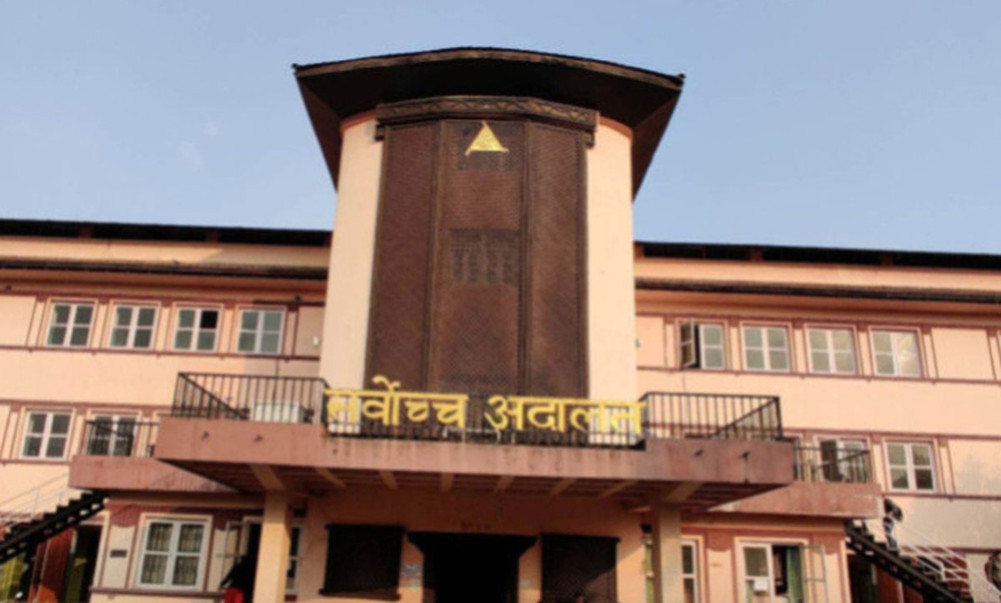
The Supreme Court has issued a show cause order in a writ petition filed against the Property Investigation Commission. A single bench of Justice Bal Krishna Dhakal has also summoned the opposition for discussion along with a written reply.
The first hearing was held on the second writ petition filed by Advocate Dr. Premraj Silwal claiming that the Property Investigation Commission is unconstitutional and without jurisdiction, and the interim order was refused and the case was called for discussion. The writ petition was filed on April 29, alleging that judges and former judges were also included in the property investigation.
The Supreme Court has issued a show cause order in the name of the Government of Nepal, the Office of the Prime Minister and Council of Ministers, the Property Investigation Commission and the Chairman of the Investigation Commission, Rajendra Kumar Bhandari.
The writ petition claims that the government, contrary to international practice, has made arrangements to enable former Chief Justices, judges and even sitting judges to file complaints with the commission under the jurisdiction of the investigation under Section 2, Section 17 (b). This would destroy the essence, recognition, basis and constitutional arrangements of an independent judiciary and create a situation where judges would have to be under pressure, influence, hope and fear of the government, and therefore the aforementioned commission itself was demanded to be abolished as it lacks jurisdiction.
The petitioner claimed that if there is evidence and basis for corruption by the Chief Justice or a judge in the writ petition, the constitutional provision that the Commission for the Investigation of Abuse of Authority, a constitutional body, can investigate, investigate and prosecute the case in a special court after impeachment by the Parliament as provided in Article 101 of the Constitution is made in accordance with the legal provisions and legal procedures.