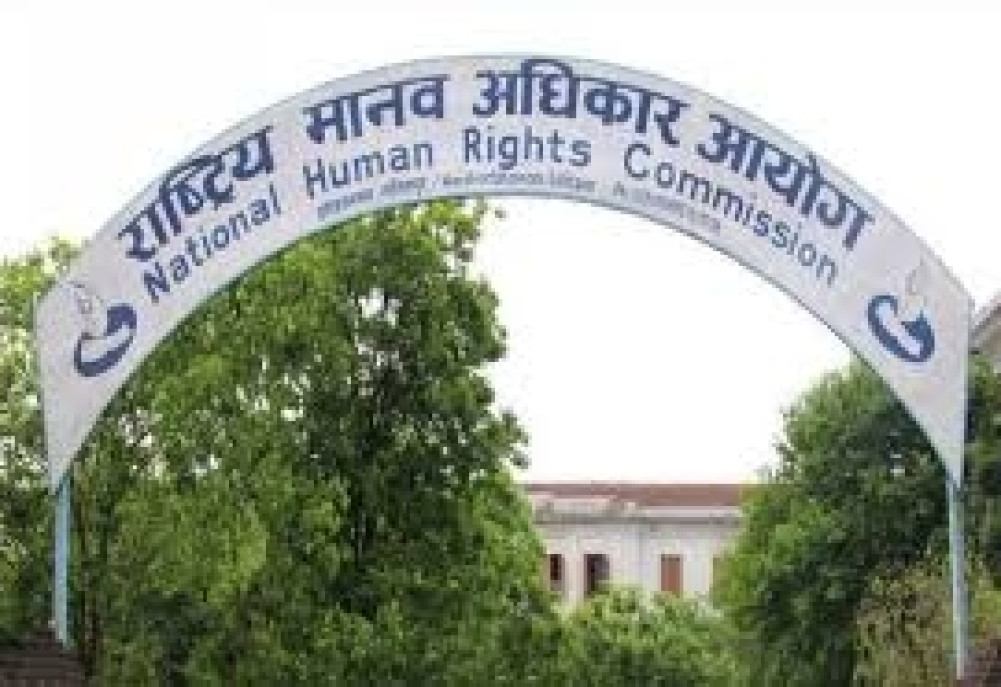
The commission has directed the government to take all measures to facilitate the distribution of petroleum products and to bring to justice those found to have created artificial shortages.
We use Google Cloud Translation Services. Google requires we provide the following disclaimer relating to use of this service:
This service may contain translations powered by Google. Google disclaims all warranties related to the translations, expressed or implied, including any warranties of accuracy, reliability, and any implied warranties of merchantability, fitness for a particular purpose, and noninfringement.
The Human Rights Commission has directed the government to ensure the supply of petroleum products, including gas. The Commission has drawn its attention to the fact that the situation in West Asia and the subsequent tensions have led to a shortage of LP gas in the Kathmandu Valley for some time, creating concern and fear among consumers.
The government has been directed to adopt all measures to facilitate the distribution of petroleum products, bring them under legal jurisdiction if they are found to be creating artificial shortages, take necessary initiatives to regulate the trend of unnecessary hoarding, and protect the rights of consumers by making arrangements for the supply of essential goods without delay.
The Commission has monitored and observed the Nepal Oil Corporation, the Department of Commerce, Nepal Food Management Company Limited, and gas sales and distribution depots.
'Monitoring and observation have revealed that Nepal is mainly dependent on imports for the supply of petroleum products, essential raw materials are being supplied regularly as usual, and although there is some shortage in supply due to the transportation management of some gas companies, various media outlets have spread the message that there is a problem in the overall supply management of gas, consumers are tending to store more than necessary and some businessmen are creating artificial shortages,' the statement issued by the commission states.
It has been found that Article 44 of the Constitution of Nepal, the Consumer Protection Act, 2075 BS, and the International Covenant on Economic, Social and Cultural Rights, 1966, to which Nepal is a party, have created inconvenience in the exercise of the rights granted to consumers. .