Stating that misinformation has affected all sectors of society, experts pointed out the need to understand technology and the pace of time and to increase information literacy to counter misinformation.
We use Google Cloud Translation Services. Google requires we provide the following disclaimer relating to use of this service:
This service may contain translations powered by Google. Google disclaims all warranties related to the translations, expressed or implied, including any warranties of accuracy, reliability, and any implied warranties of merchantability, fitness for a particular purpose, and noninfringement.
A two-day conference organized against misinformation has concluded. The conference urged people to base news and information on facts and not follow rumors to make it more credible.
At a conference organized by the Central Department of Journalism and Mass Communication of Tribhuvan University and the Center for Media Research Nepal (CMR-Nepal) in Kathmandu, experts and scholars said that even if there is a lot of false information due to access to technology, it is important to select it and believe only the facts.
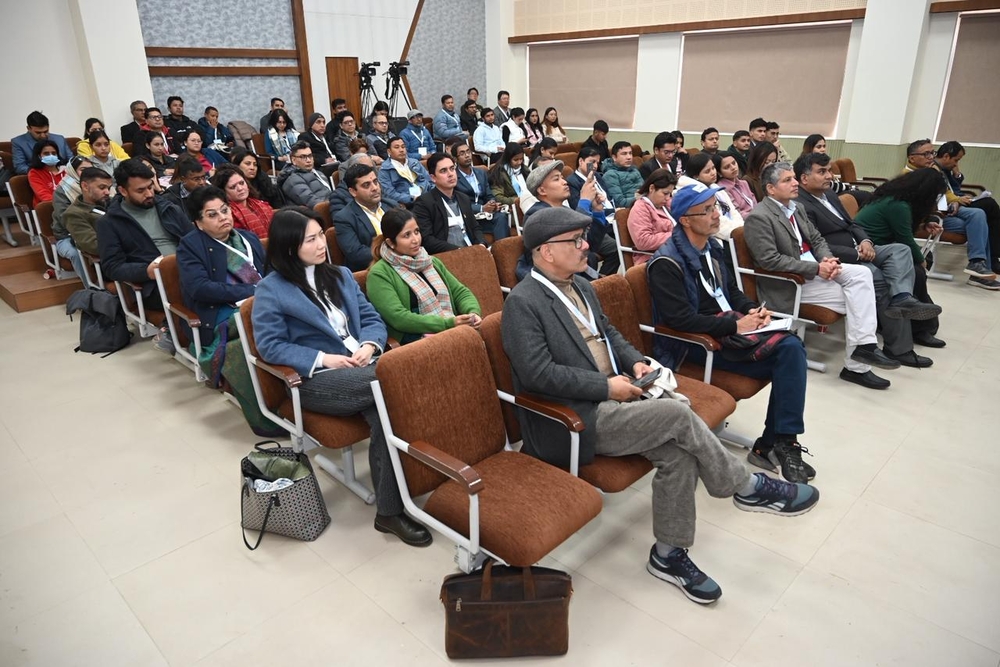
Stating that false information has affected all sectors of society, experts have pointed out the need to understand technology and the pace of time and increase information literacy to counter false information.
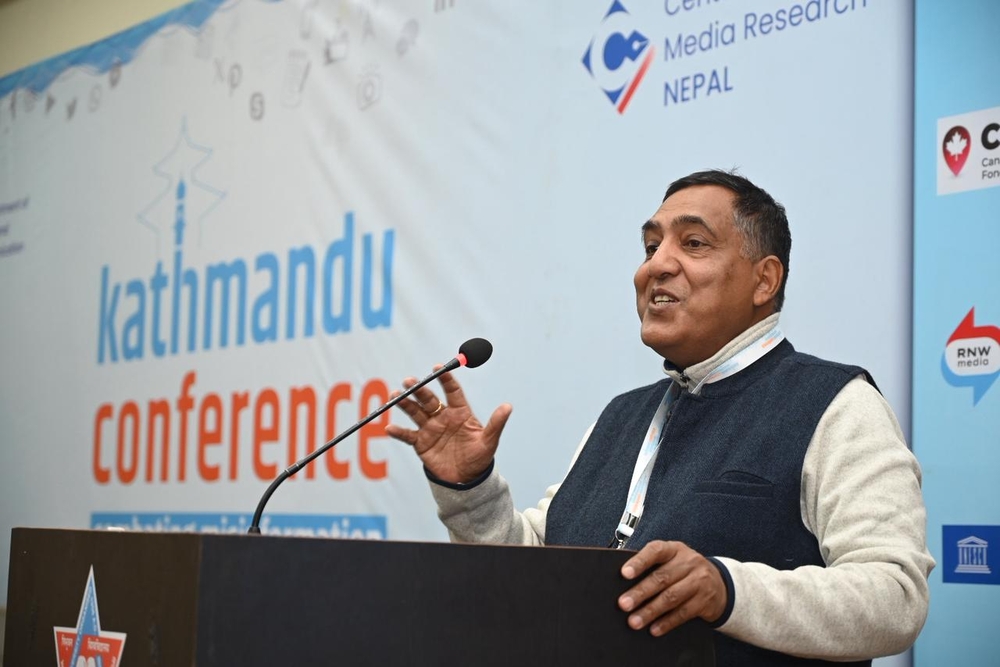
At the conference, political scientist Hari Sharma stated that false information has affected all sectors including politics and said that even what we see with our eyes is not correct. He believed that democracy will die if questions are asked, and false information will gain ground if questions are asked.
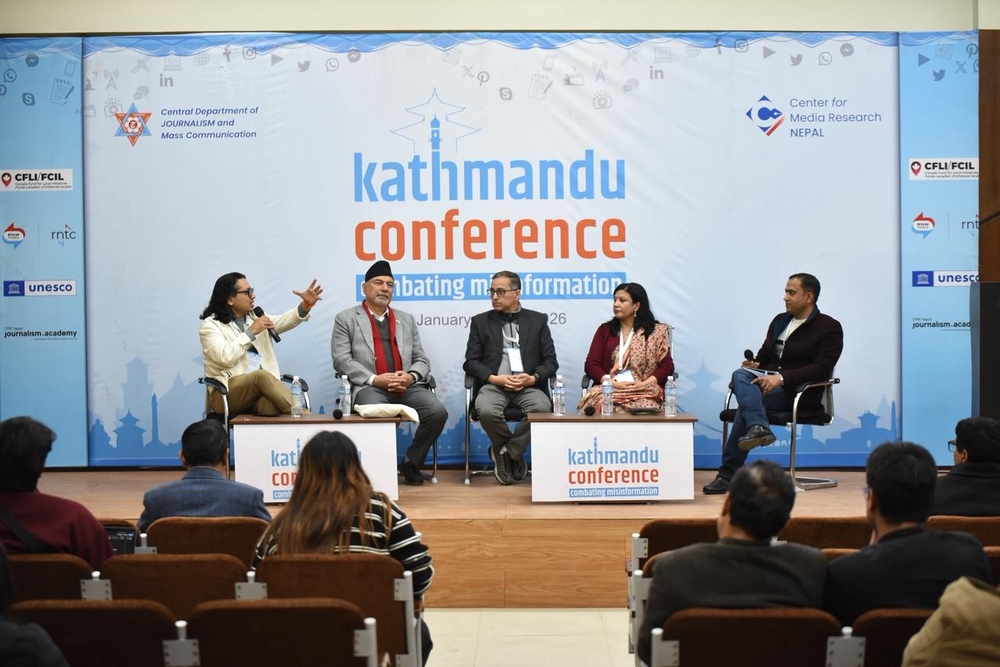
A dozen research papers related to media, social media and media literacy were presented at the two-day conference. Thematic discussions were held among experts, policymakers, journalists, and others. More than 200 people participated in the conference over the two days.

