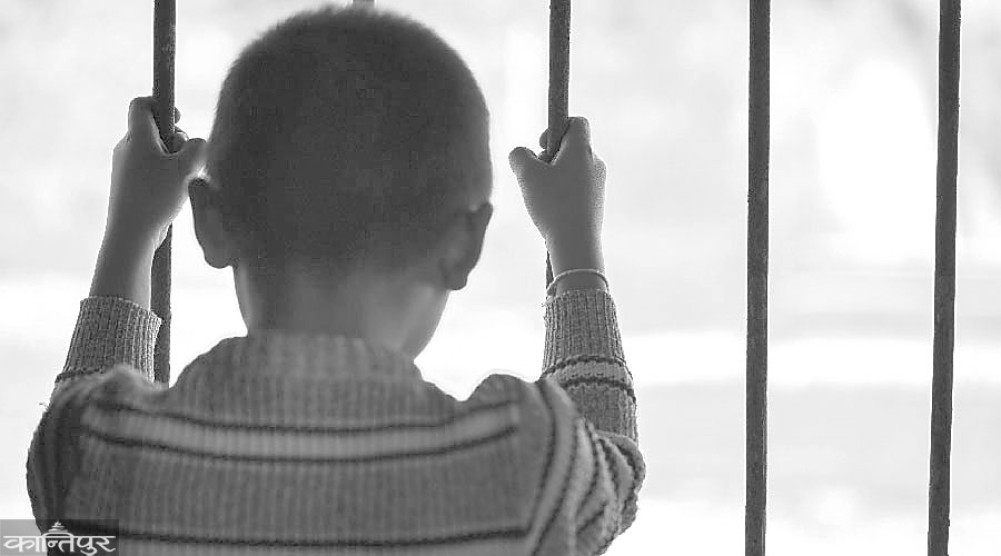
In the revised draft of the Criminal Code, no matter what offense is committed, 14 to 16 year olds are sentenced to a maximum of 5 years in prison and 16 to 18 year olds are sentenced to a maximum of 7 years in prison.
We use Google Cloud Translation Services. Google requires we provide the following disclaimer relating to use of this service:
This service may contain translations powered by Google. Google disclaims all warranties related to the translations, expressed or implied, including any warranties of accuracy, reliability, and any implied warranties of merchantability, fitness for a particular purpose, and noninfringement.
In the revised draft of the Criminal Code, the government has proposed to reduce the punishment for crimes committed by those under the age of 18.
In the current law, there is a provision for two-thirds of the punishment for adults if they commit a crime between 16 to 18 years old, while if children between 14 and 16 years of age commit a crime, there is a provision for half of the punishment for adults. In the revised draft, the government has proposed that 16 to 18-year-olds should not be sentenced to imprisonment for more than 7 years regardless of their crime.
Similarly, it has been proposed that punishment for crimes committed by children between the ages of 14 and 16 should not exceed 5 years. In the current law, there is a provision that children under 10 years of age will not be punished if they commit any crime. The revised draft has increased this age to 12 years. Similarly, in the current system, there is a provision that children between 10 and 14 years of age should be sent home without being fined if they commit a crime that is punishable by an adult, and adults should be imprisoned for a maximum of 6 months or kept in a juvenile detention center for a year.
In the revised draft, it has also been proposed to change it to no punishment. Legal experts have warned that even if this proposal of the draft seems to be good for the welfare of children, it may have serious consequences.
'A heavy relaxation of punishment, especially children aged 14-15 years, may lead to a situation where they can be used by criminal gangs to commit crimes,' says former Law Minister Madhav Prasad Paudel, 'Therefore, it seems that both the government and the House should consider the possible consequences of the relaxation of punishment.' According to Phaninder Gautam, Law Secretary of the Office of the Prime Minister and Council of Ministers, the coordinator of the Bill sub-committee, discussions are going on about the provisions of the draft and its potential impact. He said that along with other provisions of the bill, the proposal to reduce the crimes of children is also being discussed and it is ready to be concluded with a proper conclusion.
"When reducing the punishment for crimes committed by children, the danger that someone can use them cannot be denied," said Gautam, "so we are aware of the risk of passing it like this."