1,893 complaints related to trademark disputes, only 209 adjudicated, delay discourages entrepreneurs
We use Google Cloud Translation Services. Google requires we provide the following disclaimer relating to use of this service:
This service may contain translations powered by Google. Google disclaims all warranties related to the translations, expressed or implied, including any warranties of accuracy, reliability, and any implied warranties of merchantability, fitness for a particular purpose, and noninfringement.
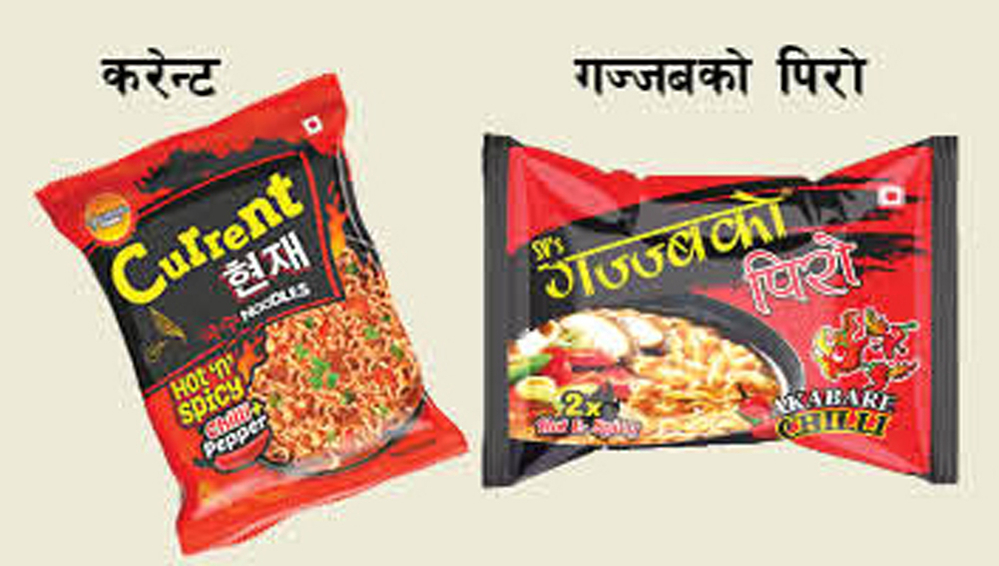
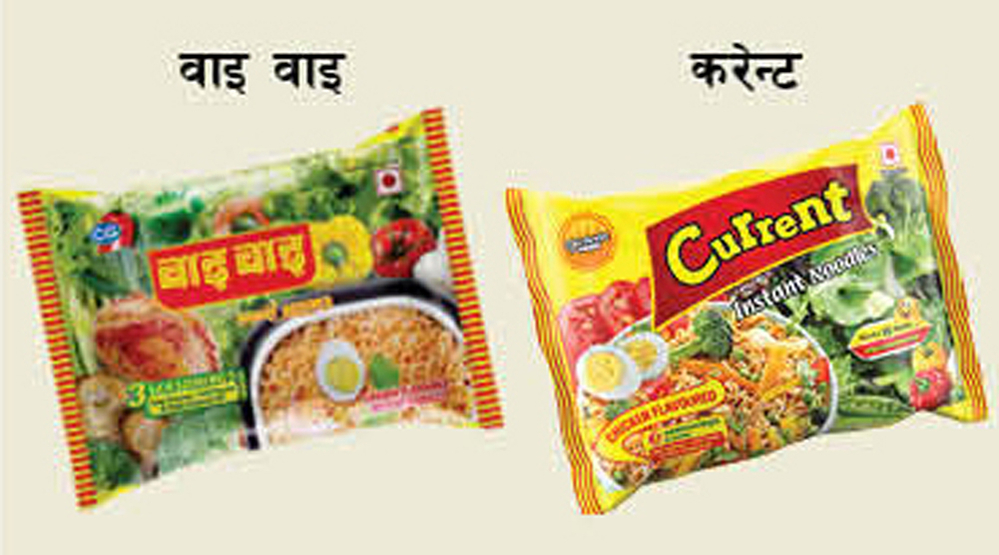
At first glance it looks the same. The packaging and bottle logo are the same. There are many such items in the market. From cosmetics, food and beverages to paints, the same design and packaging as name brands confuses some consumers.
Not only is the conflict between investors and businessmen increasing because of the same trademark, many have even filed lawsuits.
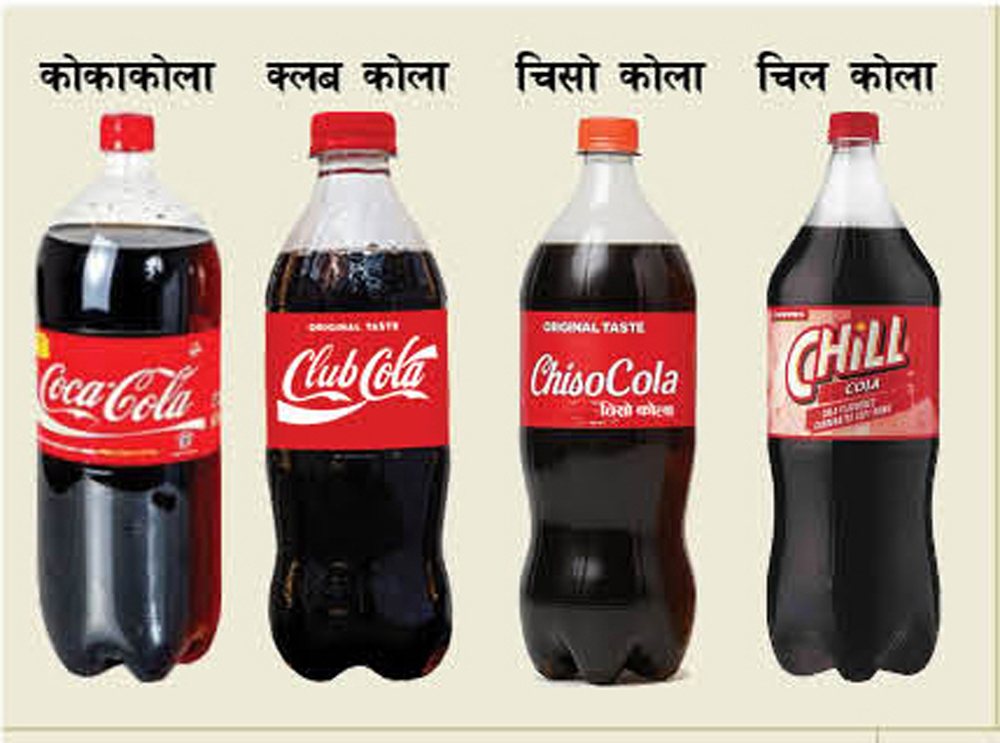
Since August 2068, only 1,893 complaints have been filed regarding trademark duplication and disputes. But only 209 of them have been decided. Counterfeit materials, even those of international brands, are rife in the market. Like – Chilcola that looks like Coca-Cola. Chilkola is being sold by Manakamana Food and Beverage Pvt Ltd.
He has introduced Chilcola that looks like Coca-Cola two years ago. The Coca-Cola Company filed a complaint against the trademark claim against Manakamana Food and Beverage before the bench led by the Director General of the Department of Industries. Although a complaint was filed with the Industries Department on 7 August 2080, it has not yet been heard and decided. Cold cola and club cola are the same. The
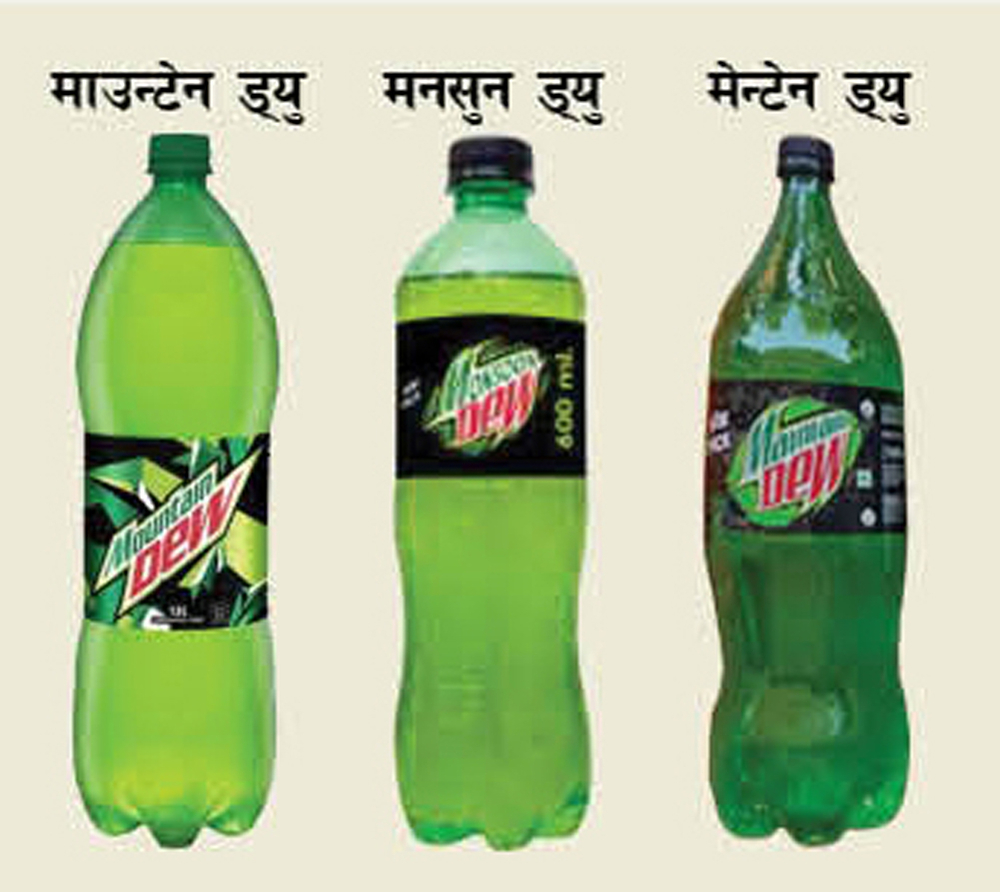
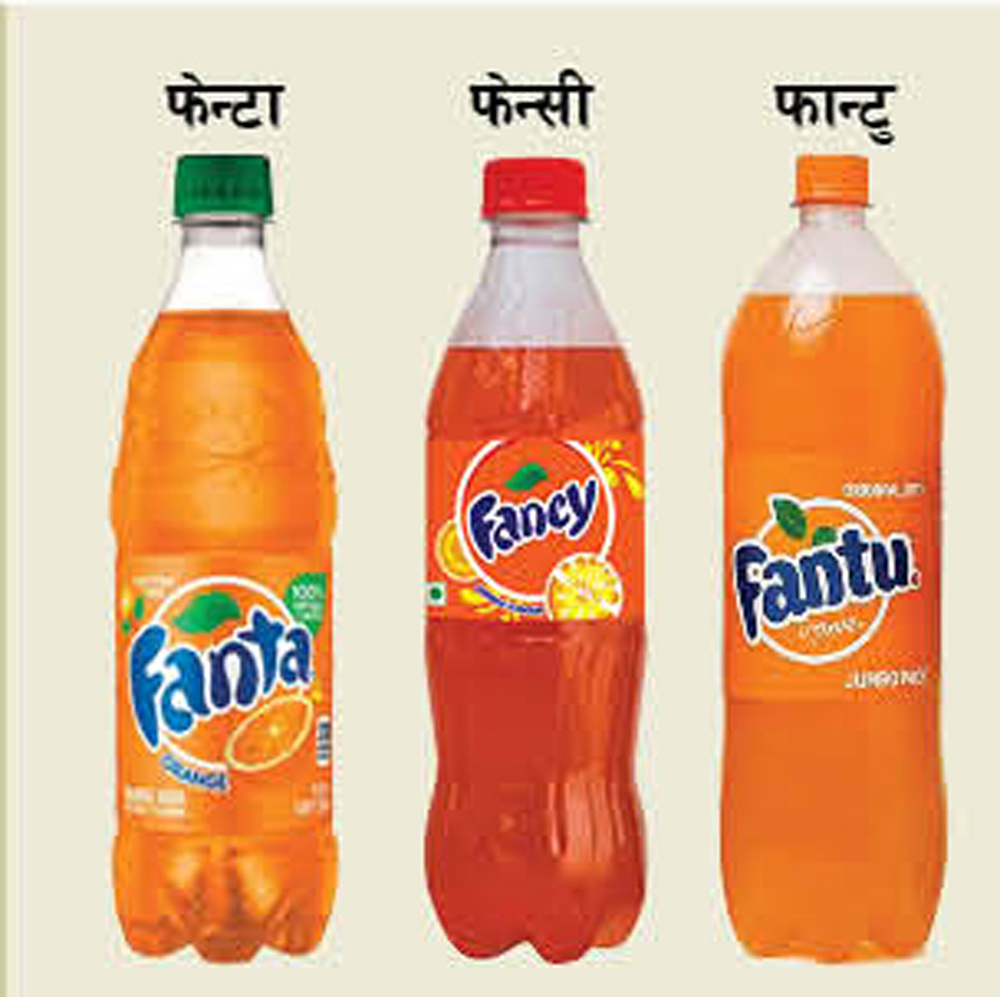
market also has sprite-like Wright and Sport, Fanta-like Fancy and Fantu. There is also Monsoon Dew and Maintain Dew, which look similar to Mountain Dew. Sprite, Fanta and Mountain Dew promoter Bottlers Nepal have also filed a complaint in the bench. He has not been heard either.
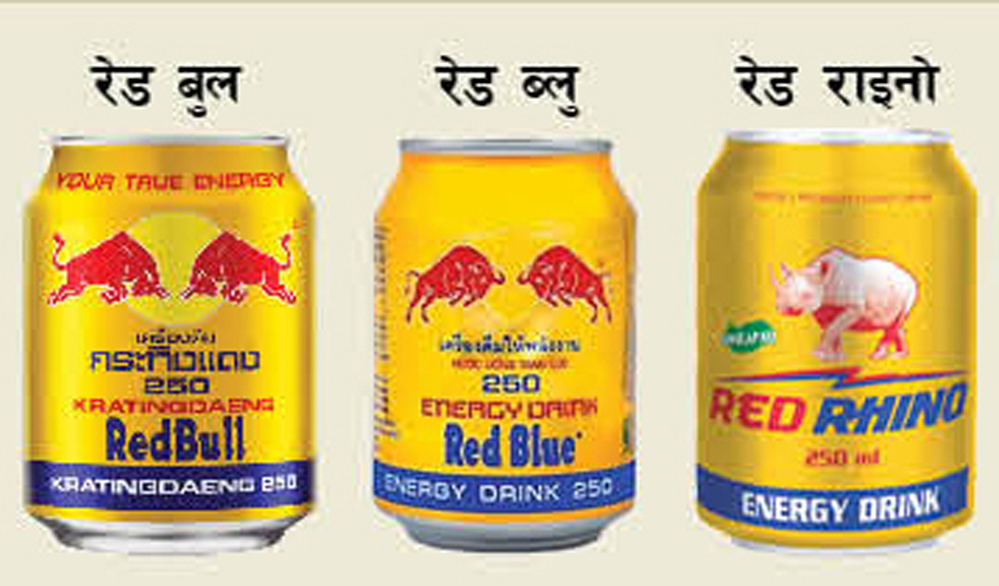
There is also a controversy about energy drinks Red Bull and Red Blue, which look similar at a glance. Thailand's Red Bull has filed a complaint against Vietnamese brand Red Blue, accusing it of copying its 'trademark'. The complaint has not been resolved. Red Rhino, which looks like Red Bull, is also available in the Nepali market. Red Rhino is sold by Amrapali Beverages Pvt. The department said that a complaint has been filed against Red Rhino. According to the
department, a complaint has also been filed against Tensberg, which looks like a Carlsberg beer. Tensburg is a product of Tiger Breweries Industries Pvt. The department has not heard it either. Similar to X-Extreme Energy Drink, a complaint has been filed against the name of 'X-Extreme Sock'. X-Extreme Sock is a product of Triveni Food & Beverage Pvt Ltd.
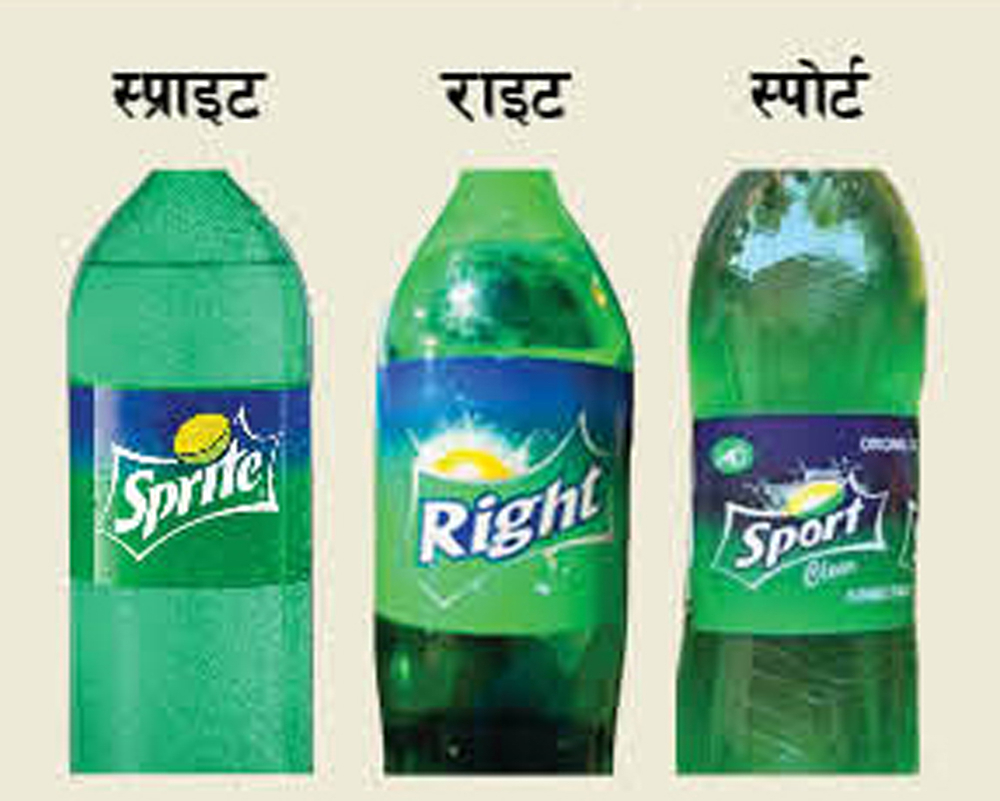
is a trade mark of one industry while another is registered and a 90-day opposition period is allowed. Both sides are debated. Then a single bench of the Director General of Industries passes an order or decision. "Despite widespread complaints against claims, opposition industrialists do not agree to understand the letter," says an official of the industry department, "due to which the decision has been delayed." On the one hand, consumers are being cheated because of the lack of a decision, while investors are finding it difficult to recognize their brand.
A complaint has also been filed in the department against Manakamana Nimbu Fresh, which looks like Nimbu Pani. Nimbu Pani Singapore Beverage is a product of Nepal. Nimbu Fresh is a product of Mankamana Fruit and Beverage Pvt. Although a complaint was filed on 1st August 2080 in this matter, no hearing was held. Ramesh Sharma, the owner of Singapore Beverages, says that he had to go to court for copying his company's trademark. "The trademark registered by Singapore has also been registered by others, we have filed a complaint in accordance with the law," says Sharma.
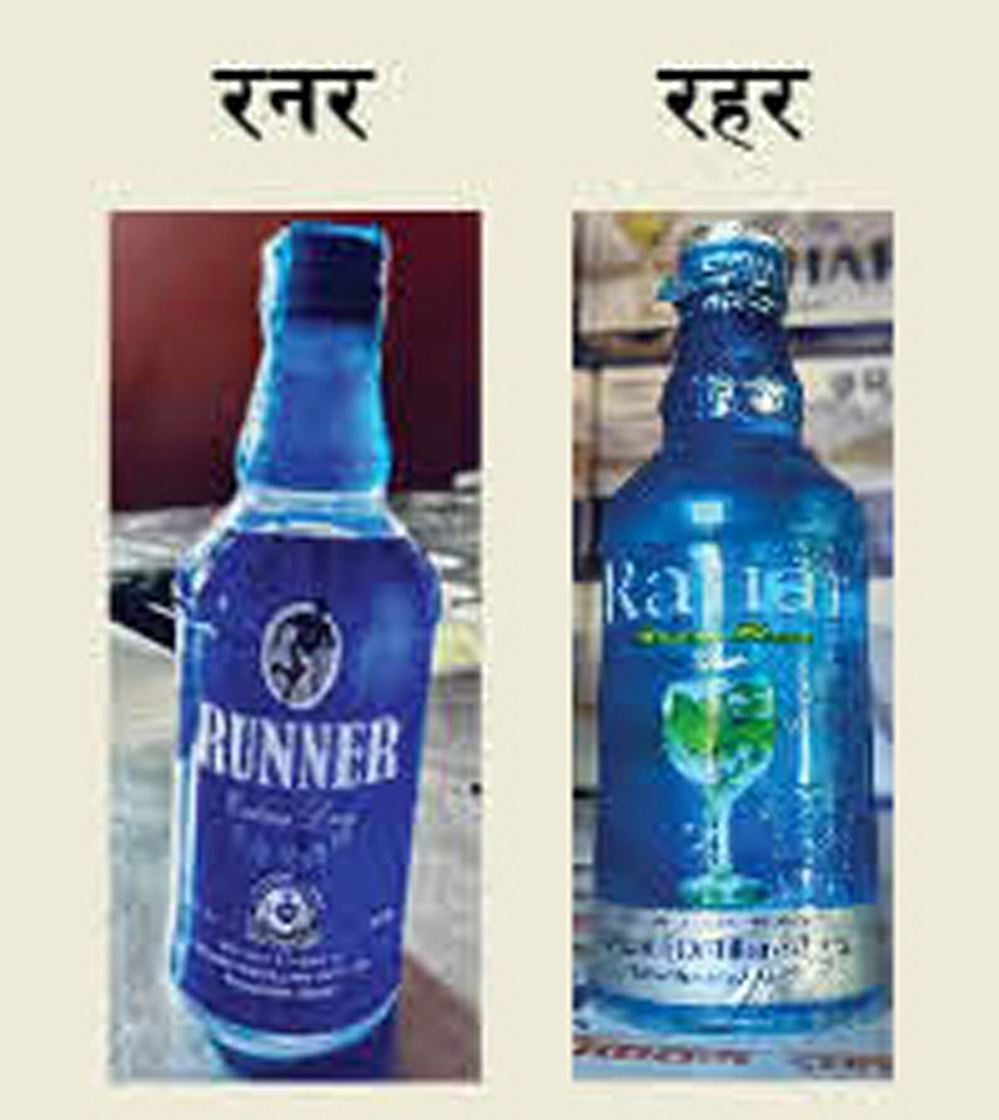
Navraj Bharti, the owner of Manakamana Beverages claims that the product made by mixing lemon and water can be taken to the market by anyone and no one can have a monopoly on it. "Lemon and water are the common property of the country, everyone should be able to sell it, now 15 companies produce and sell lemon water," he said.
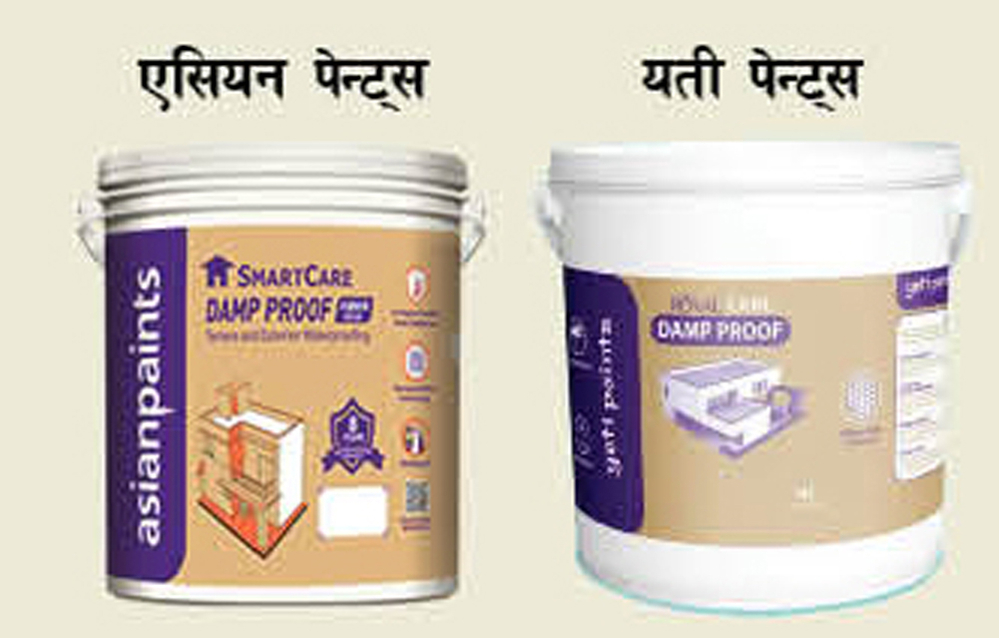
Agro Thai Company produces and distributes Crazy Lemon. Vishal Group has also been selling products under the Nimbu brand. Maniyan is also sold under the Nimbu brand, he said. Asian Paints has also filed a complaint against Yeti Paints challenging the trademark claim of Damp Proof. Sujal Foods Pvt Ltd has filed a trademark protection complaint against Chandeswari Industries. Sujal has filed a complaint for trademark protection of juicy hajmola candy.
'The common people are confused when products with the same taste come in the market with the same name,' says Niranjan Shrestha, owner of Sujal Foods Pvt. This will affect the real industry.
He alleges that designs and trademarks are being stolen because the regulatory body is not paying enough attention to this matter. A complaint has also been filed in the department that the trademark of rice has been copied. A complaint has been filed saying that Subhash Traders Pvt Ltd is selling and distributing rice under the name of 'Nau Bajje' produced by Bhagwati Manufacturers. Consumers trust a company with a
name. According to the entrepreneur, taking advantage of this, some companies are deceiving the general public by keeping similar names. Advocate Semant Dahal says that because trademark copying is intellectual theft, those who do such work should be fined.
A trademark identifies an industry brand. Common people know the industry by looking at that brand. But when trademark is stolen, common people are confused. Ultimately, the consumer does not get a quality product as paid for. And, they are also cheated," says Dahal, "There is also a problem because there is not enough law to control fake trademarks. The Bill on Intellectual Property has been submitted to Parliament. After the bill is passed, it will become a judicial court and it will be easy to control illegal activities.'
Complaints about fake trademarks have been filed not only in goods but also in the service sector. Meeting Restaurant in Anamnagar, Kathmandu has filed a complaint against Meeting Restaurant Chitwan and Meeting Restaurant Pokhara for using illegal trademarks. The complaint lodged with the department on 1 July 2080 has not yet been heard. Castrol Limited has filed a complaint against Jaiswal Lubricants Industries Pvt. Jaiswal has been producing Fastron Mobil which looks similar to Castrol Mobil.
Gopal Soap Udyog has contested the trademark claim against Soap and Chemical Udyog. He contested the trademark claim on Naulo Sangram Soap. Shashi Distillery Pvt Ltd has filed a trademark registration complaint against Devchuli Distillery Pvt Ltd.
In October 2080, despite filing a complaint with the department, it has not been heard. Devchuli Distillery Pvt Ltd has also filed a complaint against the registration of the trademark against Crystal Bottlers Pvt Ltd. Sriram Tobaco Udyog Pvt Ltd has also opposed the trademark claim against Rautahat Pan Masala Udyog Pvt Ltd. Sriram has filed a complaint against Ripuraj Gold Gudkha's trademark claim.
Trademark theft harms the intellectual property of the industry, says Jyoti Baniyan, president of Consumer Interest Protection Forum Nepal. "The responsibility of protecting the intellectual property of the industry is the responsibility of the state," Baniyan says. This has affected the quality, the health of the general public has also been affected.
Director General of the Department of Commerce, Kumar Prasad Dahal, said that the Industry Department has the right to look into the issue of fake trademarks. "Looking at the market, there is a lot of trademark theft and import of fake goods, rice is brought from India and packaged here and sold cheaply. "Nepali trademarks are also sold," says Dahal, "complaints have also been filed in commerce regarding counterfeit goods." He says that about 500 complaints are received annually. "After receiving a complaint, usually the registration process, company and brand are looked at," he says, "on the same basis, the single bench of the director general decides." If the decision made by the director general's bench is not satisfied, the industrialists can go to the high court. But the department said that the decision of the department was upheld by the high court.