42 percent of waste is plastic
We use Google Cloud Translation Services. Google requires we provide the following disclaimer relating to use of this service:
This service may contain translations powered by Google. Google disclaims all warranties related to the translations, expressed or implied, including any warranties of accuracy, reliability, and any implied warranties of merchantability, fitness for a particular purpose, and noninfringement.
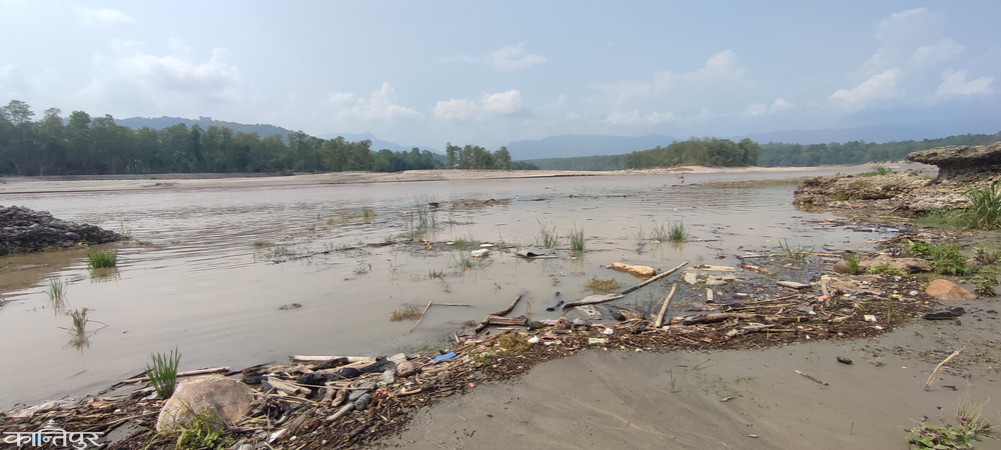
The highest amount of plastic waste was found on the banks of Narayani river. Such a situation was discovered while analyzing the garbage found from Devghat to Golaghat in Narayani River in Bharatpur Metropolitan City. "Better Chitwan", an organization of the youth of Chitwan, which has been conducting an awareness campaign about garbage and other issues, has published a report on Sunday after studying the riverside garbage.
Former president of Better Chitwan and study coordinator Sagar Karki informed that the condition of waste has been analyzed in eight places, namely the bathing ghat and cremation ground in two areas of Devghat, Zorkusum Park, the area behind the school on the bank of the Narayangadh river and the exhibition area, the Nagar Forest river bank, the Bhangerithan of Shivghat and the last western point of Bharatpur from Gola. 42 and a half percent of the waste found in these areas is plastic.
Karki said that 72 percent of the plastic waste is in Devghat area. Out of the eight areas, about 23 percent of excessive waste was found in the urban forest area. Until some time ago, garbage of Bharatpur metropolis was taken to the city forest area. Now, the garbage collection has stopped there. The metropolis has taken Jaldevi Barandabhar to the forest and started removing the garbage.
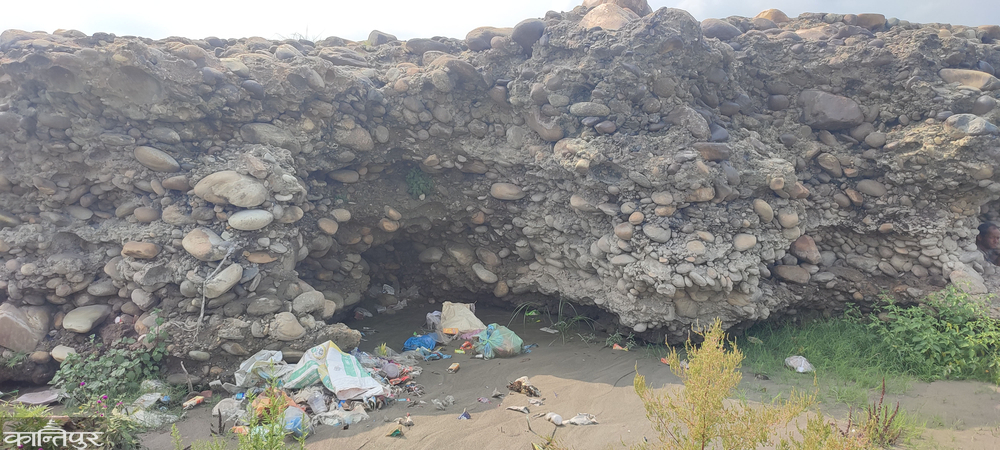 Better Chitwan has conducted an account of the garbage situation under the project 'Nadi Sang Hami', which was conducted by an organization called Nawalpur Gaindakot Consent. According to Akriti Subedi, who coordinated the project on behalf of Better Chitwan, a study was conducted on this issue from November 24th to 30th. She informed that the garbage found within 15 meters in these eight areas has been analyzed.
17.14 percent of clothing waste was found in the second place on the river bank. 12.62 percent of lead was found in the third and 7.89 percent of decaying waste was found in the fourth. After that, the waste coming out of the hospital is 4.69 percent and paper is 4.02 percent, it is mentioned in the report. Metal and wood are around one and a half percent and soil rent is around two and a half percent. Karki said that plastic waste was found at all points. He said that in places like Bhangerithan, syringes used by drug addicts and plastic waste of biscuits and chips eaten and thrown away by tourists were found. Even if a little attention is paid to waste management, there is no waste in a place like Bhangerithan. But it was found that even the ward office did not take care of it," said Karki.
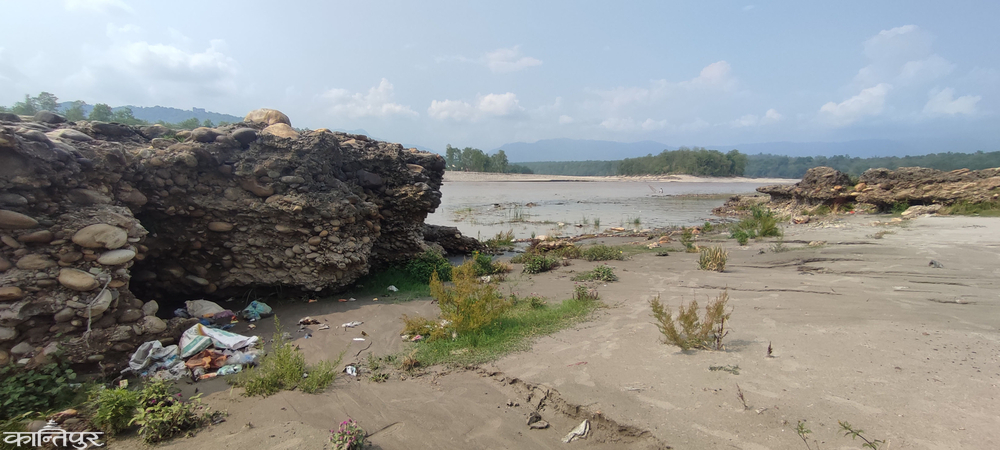 Narayani river is considered holy from religious point of view. Devghat has a bath and a cremation place. Golaghat has been developed as a tourist area. This river is also very important for wild animals as it flows through Chitwan Park. Study coordinator Karki said that although it is important from the point of view of environment and religion, the situation of garbage is terrible.
Subedi, who is the coordinator on behalf of the Better Chitwan project, said that if there is no good and sustainable management of garbage, the condition of Narayani will deteriorate in no time. It was found necessary for the metropolis to pay attention to the systematic collection and disposal of garbage. Similarly, Devghat and Golaghat areas have to be declared as plastic bag free areas and implemented, said Subedi. She also urged the metropolis to strictly implement policies to prevent the direct mixing of sewage and excreta into the river.
She informed that in seven places from Devghat to Golaghat, untreated sewage water was mixed directly into the river. It is mentioned in the report that garbage in the river is increasing due to sewage contamination, unorganized fairs and the carelessness of tourists.