We use Google Cloud Translation Services. Google requires we provide the following disclaimer relating to use of this service:
This service may contain translations powered by Google. Google disclaims all warranties related to the translations, expressed or implied, including any warranties of accuracy, reliability, and any implied warranties of merchantability, fitness for a particular purpose, and noninfringement.
Stakeholders emphasized that Nepal should prepare a competent negotiation team with efficient, strategic and institutional preparation to secure its long-term interests in the international balance of power. The speakers made this statement in the recently held seminar on 'Strengthening Nepal's Diplomatic Dialogue'.
Inaugurating the seminar, Center for Social Innovation and Foreign Policy (CESIF) executive chairman and former ambassador Vijayakant Karna opined that Nepal should take visionary decisions in relation to powerful countries including China. "The balance of power in the world scenario is changing, in such a situation, Nepal should prepare a negotiation team capable of protecting its interests," he said.
Former Foreign Secretary Madhurman Acharya, quoting Yadunath Khanal, said that diplomacy is a kind of 'negotiation art' and pointed out that Nepal's preparation for it is still weak. "When negotiating with a powerful country like China, proceeding without understanding strategic interests can cause danger," he said.
Ajaybhadra Khanal, research director of CESIF, analyzed issues such as widespread corruption in Nepal, debt burden and impracticality of the project as challenges in the diplomatic talks with China . He stressed the need for strategic and strategic autonomous negotiations under the leadership of foreign affairs bodies and not politicians. Two panel discussions were organized in the
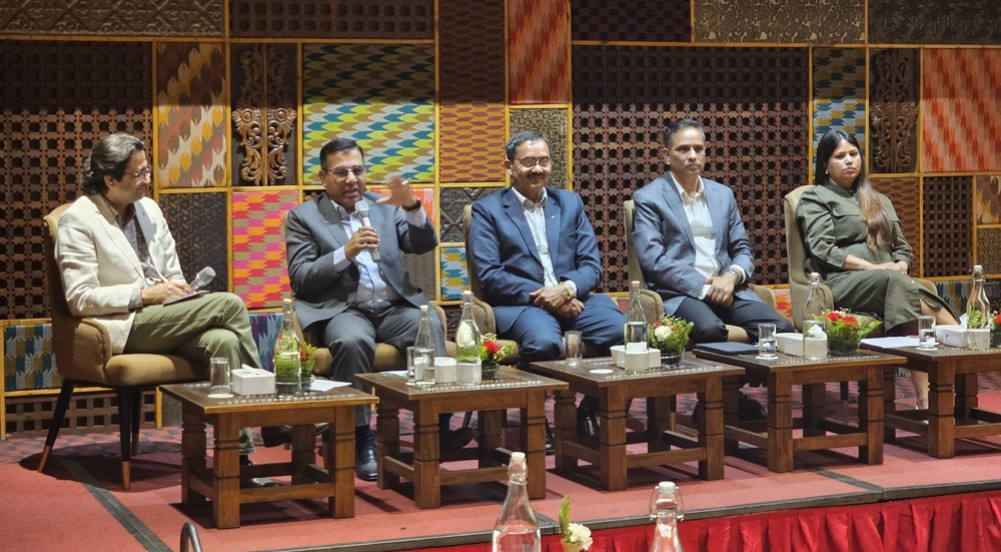
seminar. Participating in the first panel, Vice Chairman of the Planning Commission Govindaraj Pokharel, former Principal Secretary Shankardas Bairagi, former Finance Secretary Madhukumar Marasini and former ambassador Sharmila Parajuli Dhakal pointed out the need for institutional clarity, strategic awareness and national consensus.
In the second panel, former Finance Minister Surendra Pandey, former Foreign Minister NP Saud, MP Shishir Khanal, Madhav Sapkota and former Finance Secretary Rameshwar Khanal emphasized the need for coordination, research-based policy, transparency and long-term approach in foreign policy making.
The speakers shared the same view that it is essential to develop a clear strategy, strong institutional mechanisms and an experienced negotiation team for Nepal to have a strong presence in international diplomatic negotiations.