Rs 53 million to run a free laboratory testing program for at-risk pregnant women, from telemedicine
We use Google Cloud Translation Services. Google requires we provide the following disclaimer relating to use of this service:
This service may contain translations powered by Google. Google disclaims all warranties related to the translations, expressed or implied, including any warranties of accuracy, reliability, and any implied warranties of merchantability, fitness for a particular purpose, and noninfringement.
The Lumbini Provincial Government has allocated Rs 5.65 billion for the development of the health sector for the upcoming fiscal year. This amount is 15.15 percent of the provincial government's overall budget. Rs 2.12 billion has been allocated for the infrastructure construction of the Lumbini Provincial Hospital and other hospitals, which are being built as a provincial pride project. Budget allocation has also been made with priority for the construction of buildings and equipment management of other major health institutions.
Through the budget, the government has emphasized expanding access to health services in remote and rural areas, improving maternal and child health, managing chronic diseases, and emergency treatment services. Similarly, the government is going to operate telemedicine services at Lumbini Provincial Hospital. The government has also allocated Rs 40 million to expand Rapti Provincial Hospital to 200 beds.
The provincial government is going to operate a health service program through 'Expert Services in Remote Areas: Mobile Medical Vans' targeting citizens of remote areas. Rs 35 million has been allocated for this. Through this program, the services of specialist doctors will be extended to remote settlements. In addition, a plan has been put forward to connect rural citizens with specialist doctors online by expanding telemedicine services from Lumbini Provincial Hospital.
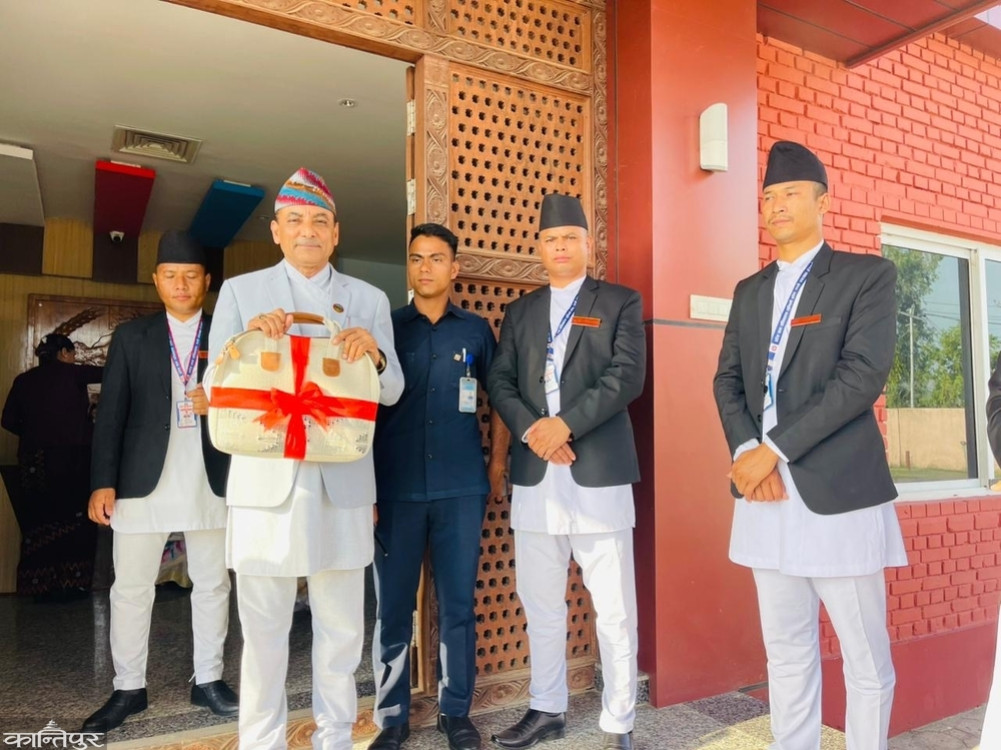
Rs 53 million has been allocated to run a free laboratory testing program for high-risk pregnant women, prioritizing reduction in maternal mortality. Health Minister Ramji Ghimire, who is also the government spokesperson, said that this program will ensure safe motherhood. ‘The government has prioritized the services of remote areas of Lumbini Province in the budget,’ he said, ‘The largest amount has also been allocated to health infrastructure.’
The provincial government has continued the program of providing concessions of up to Rs 200,000 per person for heart valve transplantation, kidney transplantation and cancer treatment.
In addition, free blood transfusion service is also going to be operated continuously next year. Free medicines, equipment, screening and public awareness programs have also been continued for patients with diseases such as sickle cell anemia, thalassemia and hemophilia, which are especially common in the Tharu community in the Terai districts. Minister Ghimire said that this will facilitate the treatment of chronic patients.
Similarly, plans to expand specialized services such as dialysis services, neonatal intensive care units, burn treatment rooms, infertility management services have also been included in the budget.
Rabies vaccination and regular supply of necessary medicines in snakebite treatment centers will be ensured in all hospitals in the province. This program has been given special priority considering the problem of snakebite, which is more common in the Terai districts. Snakebite treatment, which is a problem during the rainy season, has become complicated in the Terai districts of Lumbini.
Although the Nepal Army's Snake Bite Treatment Center in Gorusinge, Kapilvastu, used to treat snakebite patients, the hospital always had a shortage of snakebite medicine. The government has stated that it will manage sufficient medicine through the upcoming budget.