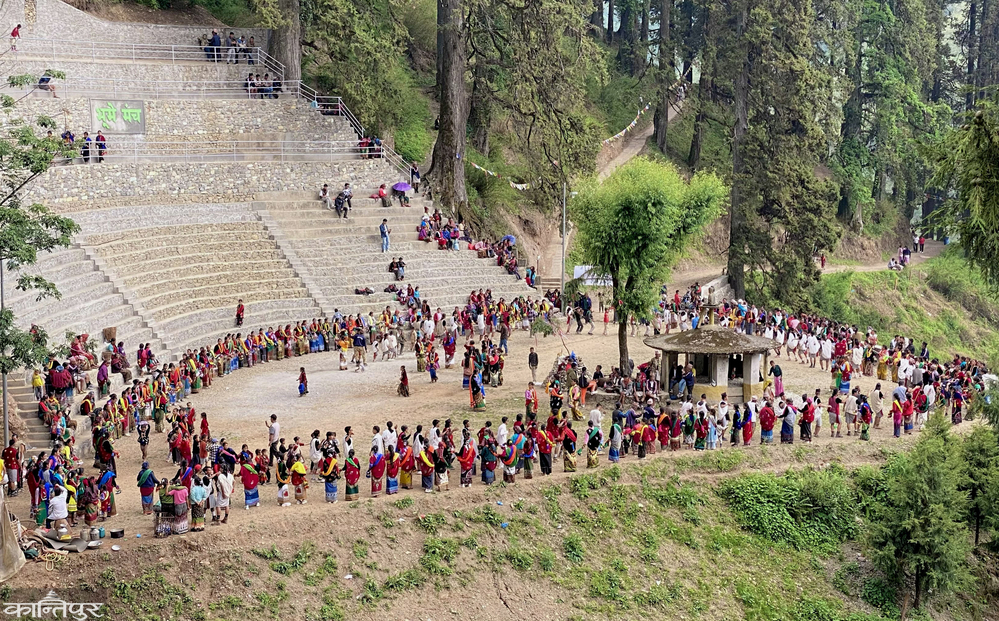
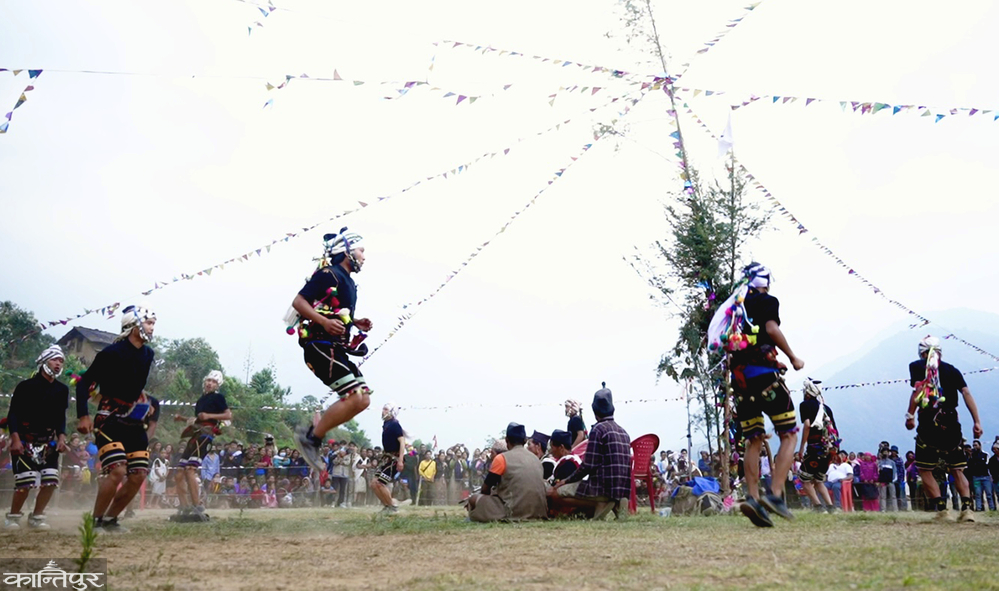
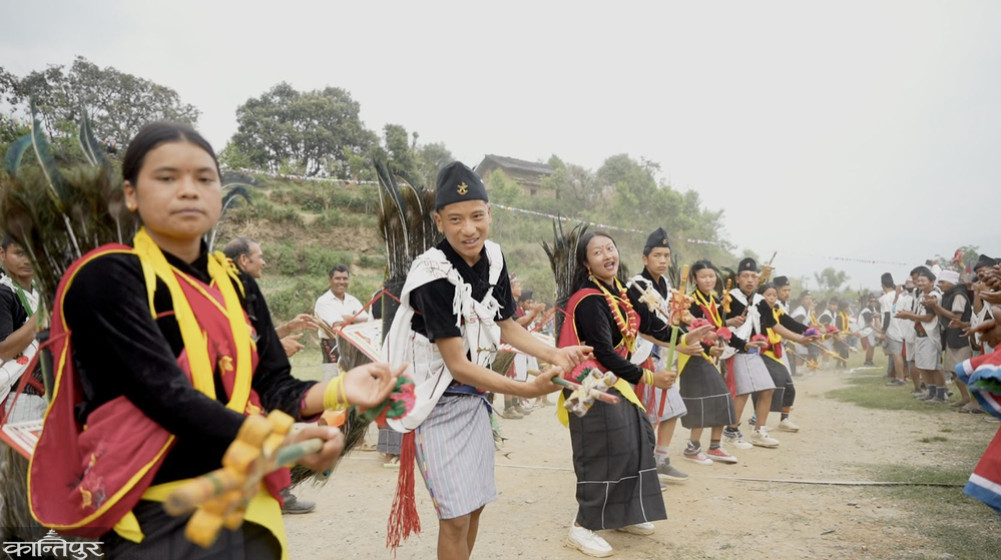
Yanimaya, Sayli Barai, Sayliji, Mayali sings the songs while the Rukum preludes, similarly the dances with many moves also enthrall you.
We use Google Cloud Translation Services. Google requires we provide the following disclaimer relating to use of this service:
This service may contain translations powered by Google. Google disclaims all warranties related to the translations, expressed or implied, including any warranties of accuracy, reliability, and any implied warranties of merchantability, fitness for a particular purpose, and noninfringement.
Rukum East, the only Himalayan district of Lumbini Province. The original language, art and culture of the tribes especially here attract anyone. There is diversity in the clothes and language used in the houses, and more than a dozen original songs and dances also have a distinct identity.
The music mixed with the rhythm of the song and many dances will attract anyone's heart. The audience and listeners are bound by the wave of music. Tilak Roka, the founder and scholar of original song and music, says, "The three rural villages of Rukum East, Bhume, Puthauttarganga and Sisne, have their own song lyrics and dance rhythms."
According to him, the first of the songs is – Laske. By picking up the first piece, returning the second and again picking up the third and returning the fourth, this song of four parts in total, men and women of the Rukum East and Rolpa tribes sing and rejoice for twelve months whenever they get a chance. Another song is - Fak. This song is sung in two parts especially during Dasain-Tihar, Chaitedsain and Ranke Sankranti. This is also sung by both men and women.
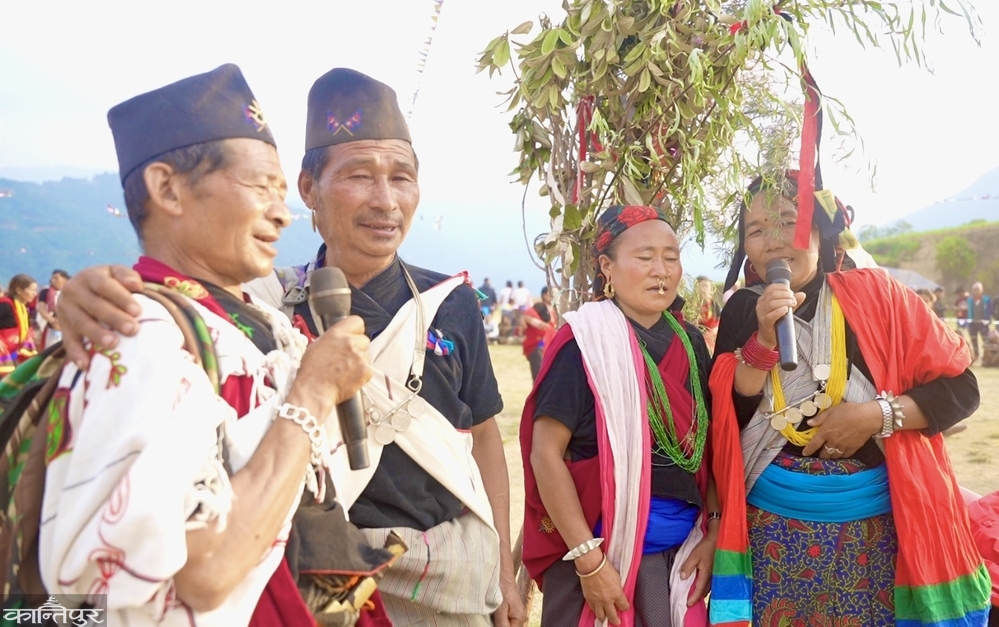
Then comes Nanila song. This song, especially sung towards Putha Uttarganga, consists of 4 parts. Along with this, the two-part Yanimaya, Saili Barai/Saili Ji and Mayali and the four-part Saili song, which is sung in various fun gatherings held during the twelve month period, are also popular in this area.
The Magar community here has special songs sung during the Bhumya Festival, which is celebrated annually with grandeur. When he goes to pick flowers for Bhumya, he breaks his finger on Chautara and sings the name of the lake's flower - cha saralne song. Roka says that during Bhumya Parva, a song is sung in Nepal while picking flowers, while the Nyaho song is sung by saying the names of the flowers.
Roka says that he collected and recorded all the songs except Yanimaya among the 12 Thari songs mentioned. "Even though these songs were well known in the previous generation, I started to collect them because they were neglected in the last generation," he said.
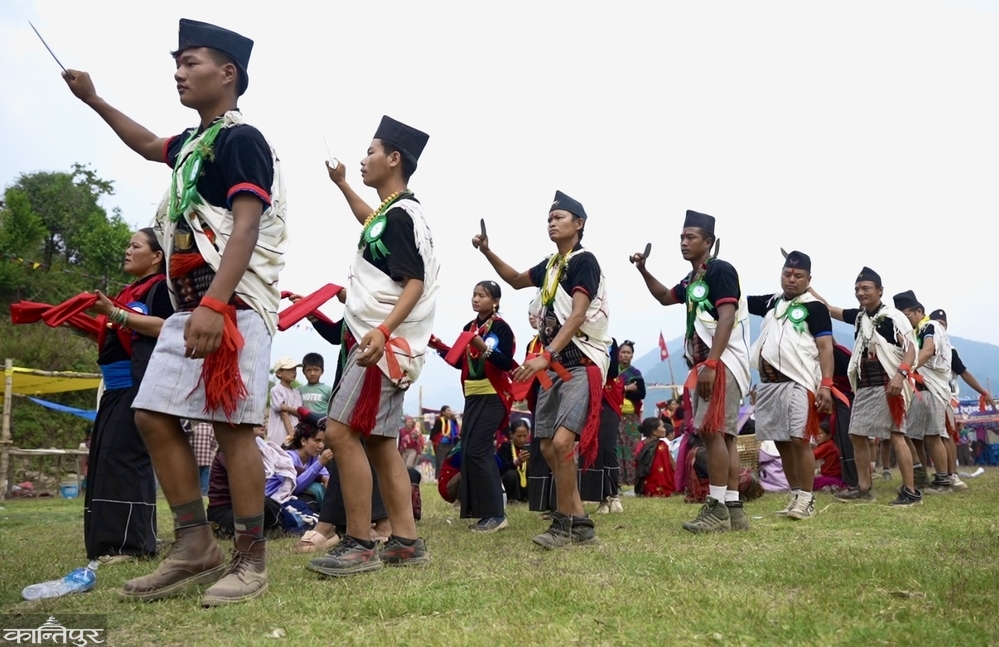
Along with these kinds of different phrases and songs, dances are also varied in this section. The first is – Bhume Naach. Every year from the beginning of June to the first week of Asar, this festival is ritually celebrated and Bhumi is worshiped and danced to Bhumi singing the above mentioned verses. According to Roka, there are 22 movements in this dance. But recently, not all moves are danced because the scope of knowledge about it is narrowing. Next is Nacharu Naach. Danced only by men, this dance is associated with life and martial arts. It is danced on Chaitedasain, Ranke Sankranti or Dasain with a formal fukuwa and this dance has 22 movements.