The US-Israeli attack on Iran and the disruption of the Strait of Hormuz have had an impact not only on fuel but also on agricultural chemical fertilizers.
We use Google Cloud Translation Services. Google requires we provide the following disclaimer relating to use of this service:
This service may contain translations powered by Google. Google disclaims all warranties related to the translations, expressed or implied, including any warranties of accuracy, reliability, and any implied warranties of merchantability, fitness for a particular purpose, and noninfringement.
The price of chemical fertilizers in the international market has increased by 30 percent in two weeks. Currently, the price of urea has reached $650 per ton and DAP has reached $775.
The conflict that began after the US-Israeli attack on Iran and the resulting impact on the Hormuz waterway has affected not only fuel but also agricultural chemical fertilizers.
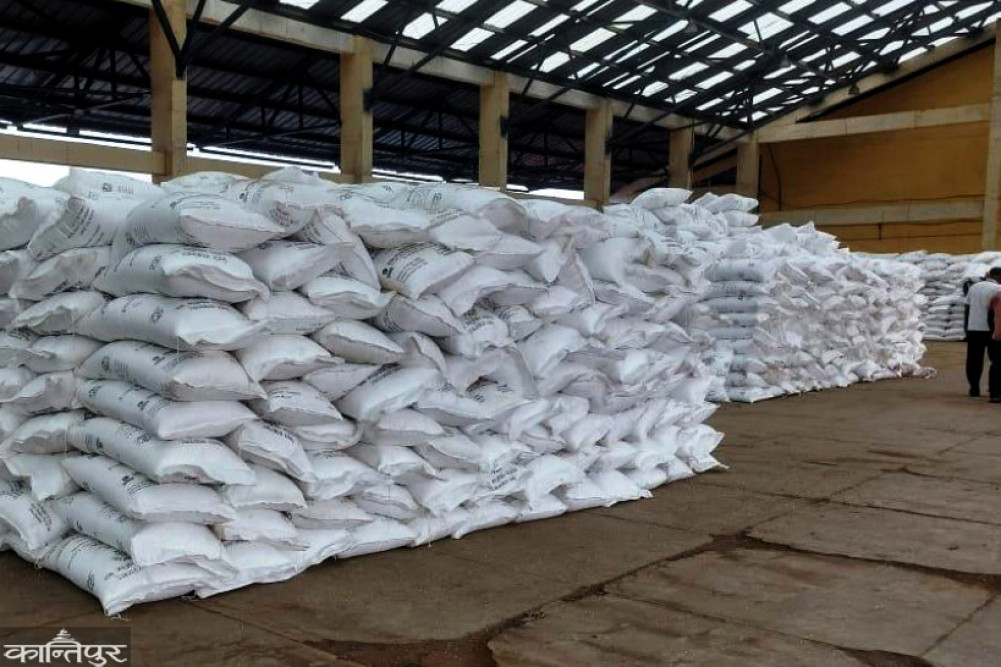
Bishnu Prasad Pokharel, manager of an agricultural materials company, said that the rapid price increase will affect Nepal. If prices continue to increase at this rate, he said, Nepal will not be able to buy even 300,000 tons annually. 'There is a demand for 600,000 to 700,000 tons of fertilizer annually in Nepal,' he said. 'Agricultural materials companies and the Salt Trading Corporation have 160,000 tons of DAP and urea in stock.'
Even though the current procurement has been sufficient until Asad, officials from the Ministry of Finance and Agriculture have said that discussions are underway on how to address the demand for fertilizer after Shrawan. A budget of around Rs 28 billion has been allocated for fertilizer in the current fiscal year, of which 397 tons have been received so far.
Nepal's suppliers have been importing from West Asian countries. Along with fuel, the war has also affected the import of chemical fertilizers through the Strait of Hormuz. This disruption has increased the risk of affecting the winter and summer crops of South Asian countries. It is being analyzed that this will also pose a challenge to agriculture-dependent industries and food security.