Emphasis on striking a balance between 'environmental sustainability' and 'limited employment'
We use Google Cloud Translation Services. Google requires we provide the following disclaimer relating to use of this service:
This service may contain translations powered by Google. Google disclaims all warranties related to the translations, expressed or implied, including any warranties of accuracy, reliability, and any implied warranties of merchantability, fitness for a particular purpose, and noninfringement.
The International Labor Organization (ILO) has said that thousands of jobs are at risk in Nepal, which is most affected by climate change, and has called attention to the timely and effective implementation of the action plan related to just transition.
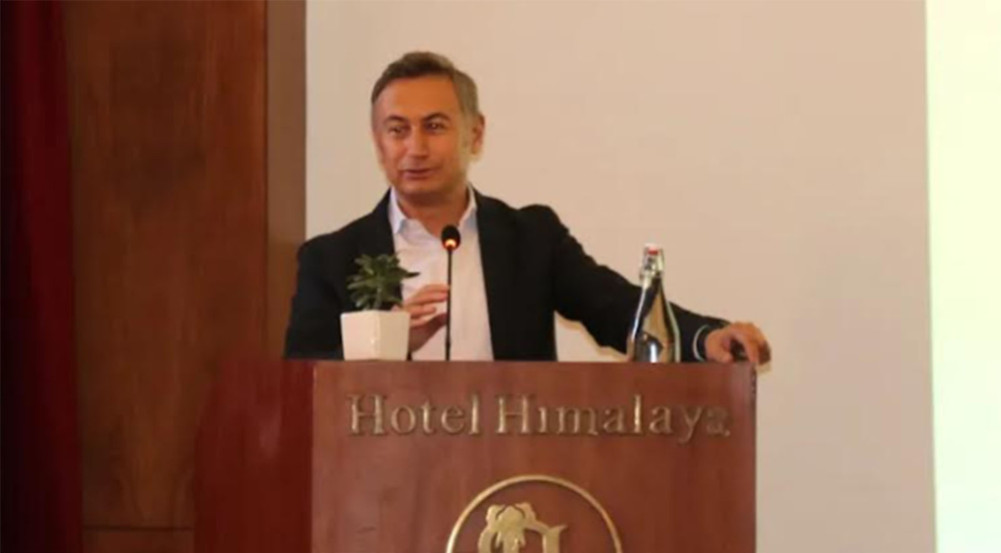
"We are concerned about the direct impact of climate change on Nepal's major sectors (agriculture, construction, tourism and forestry)," said Numan Ozkan, head of ILO Nepal. "Effects such as melting glaciers, floods, droughts, and hot winds are threatening thousands of jobs." "For Nepal, 'just transformation' is not an option, it is a necessity," he said.
Nepal has implemented the 'equitable transformation' included in the Third Nationally Determined Contribution (NDC 3.0) to mitigate the effects of climate change. He emphasized on implementation. In an event held in Kathmandu to discuss the action plan related to 'just transformation', the stakeholders said that Nepal, which is the most affected by climate change, is now taking the path of 'just transformation' and is committed to building a green and inclusive future. In the
program, Naresh Sharma, Deputy Secretary of the Ministry of Forests and Environment, mentioned 'just transformation' as a cross-cutting topic included in NDC 3.0. "Climate justice should be mainstreamed in policy and planning and inclusiveness should be maintained at every stage of implementation," he said.
The Equitable Transformation concept ensures the creation and implementation of policies that protect workers, communities and businesses while dealing with climate change. It balances between 'environmental sustainability' and 'limited employment', ensuring that no one feels 'left out' in the transformation process.