We use Google Cloud Translation Services. Google requires we provide the following disclaimer relating to use of this service:
This service may contain translations powered by Google. Google disclaims all warranties related to the translations, expressed or implied, including any warranties of accuracy, reliability, and any implied warranties of merchantability, fitness for a particular purpose, and noninfringement.
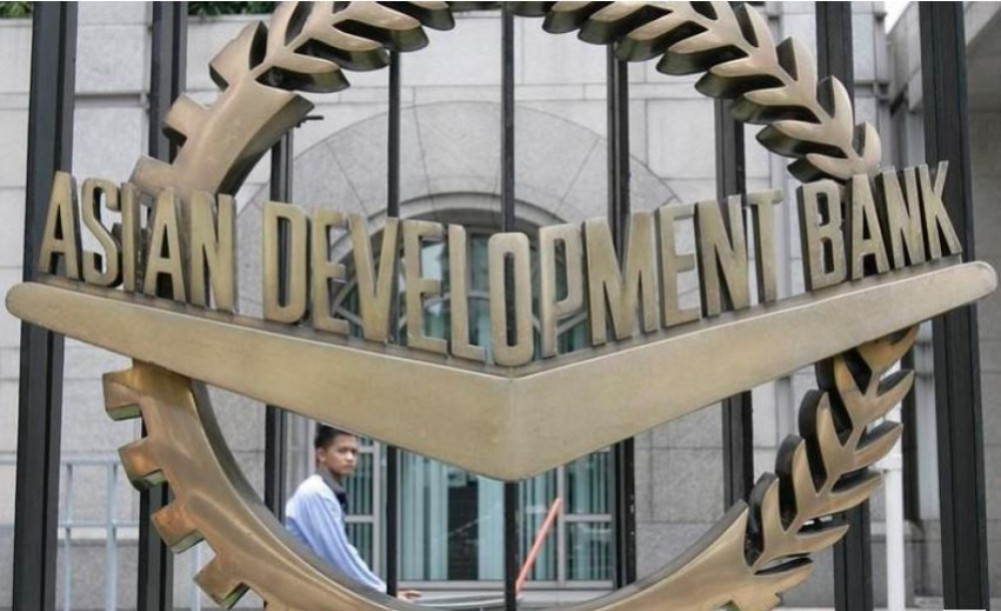
The Asian Development Bank (ADB) has projected that Nepal's economic growth rate will be 4.9 percent in the financial year 081/82. This is higher than ADB's estimated projection of 3.9 percent for the financial year 2080/81. ADB's latest major economic publication, the Asian Development Outlook, has shown this.
"Gross domestic product (GDP) will increase with growth in domestic demand, acceleration in infrastructure spending and revival of tourism-related services," said Arno Koshwa, ADB's national director for Nepal. According to the
Asian Development Outlook (September 2024), the growth of the agricultural sector will depend on the suitability of the harvest as rice planting is completed on time with a normal monsoon . Increased power generation capacity will support industrial growth.
The increase in the arrival of tourists is expected to expand the service sector to support the growth of activities including accommodation and food services.
With flexible monetary policy, plans to accelerate capital budget spending, ADB expects further improvement in domestic demand as well as strengthening commercial activities such as wholesale and retail trade, transportation and storage, and real estate.
Nepal Rastra Bank ADB is also of the view that the goal of Nepal Rastra Bank to limit inflation within 5 percent in the financial year 2081/82 can be achieved. "With simple crop collection and the main source of Nepal's imports in India, inflation is expected to remain within the limits determined by the Central Bank," the report said.
external risks will remain relatively under control . The decline in trade deficit, encouraging remittance inflows and increase in tourist arrivals have seen strong growth in the external sector in the last financial year 2080/81. However, the current account deficit in FY 2081/82 could reach one percent of GDP, which was in surplus at 3.9 percent last fiscal year with economic recovery and moderate improvement in remittance inflows .