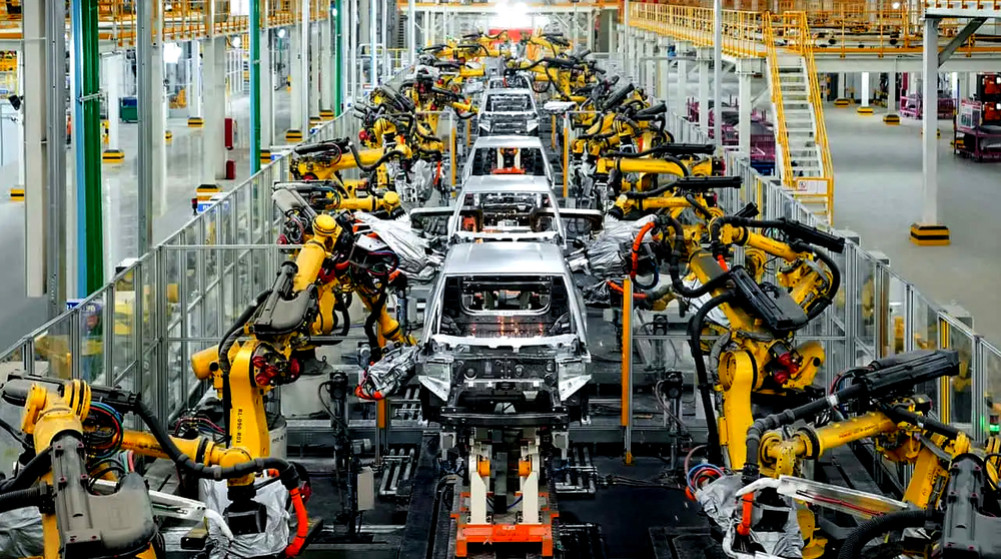
In less than a minute, a crowd of robots could be seen at the car assembly line. People were scattered everywhere. Each robot was doing the work as instructed. Seeing this scene, it seemed that the work done by humans was almost over, and the robot era had begun.
We use Google Cloud Translation Services. Google requires we provide the following disclaimer relating to use of this service:
This service may contain translations powered by Google. Google disclaims all warranties related to the translations, expressed or implied, including any warranties of accuracy, reliability, and any implied warranties of merchantability, fitness for a particular purpose, and noninfringement.
While in Kathmandu, I saw electric vehicles with various models and features, and I wondered, where are these made? How are they made? With this curiosity in mind, I reached China in the last week of April. That too in coordination with BYD Nepal's official dealer, Cymax Inc. and Avani Advertising Agency, which is making a strong presence not only in the Chinese market but also in Nepal. On this visit from April 23 to 29, I was accompanied by two dozen media personnel, including other journalists, content creators, and influencers. On this journey, we reached Zhengzhou and Shenzhen via Guangzhou.
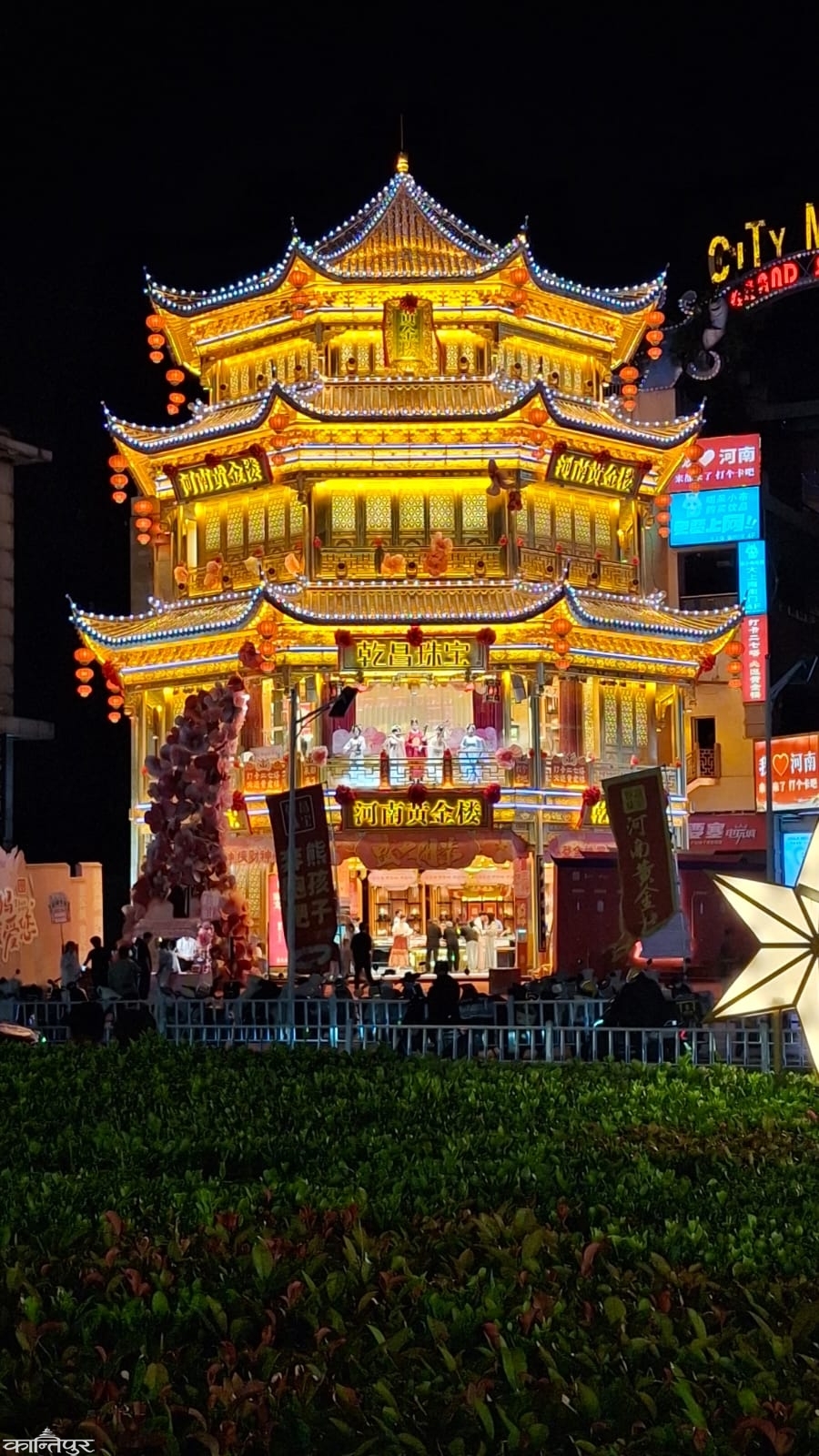
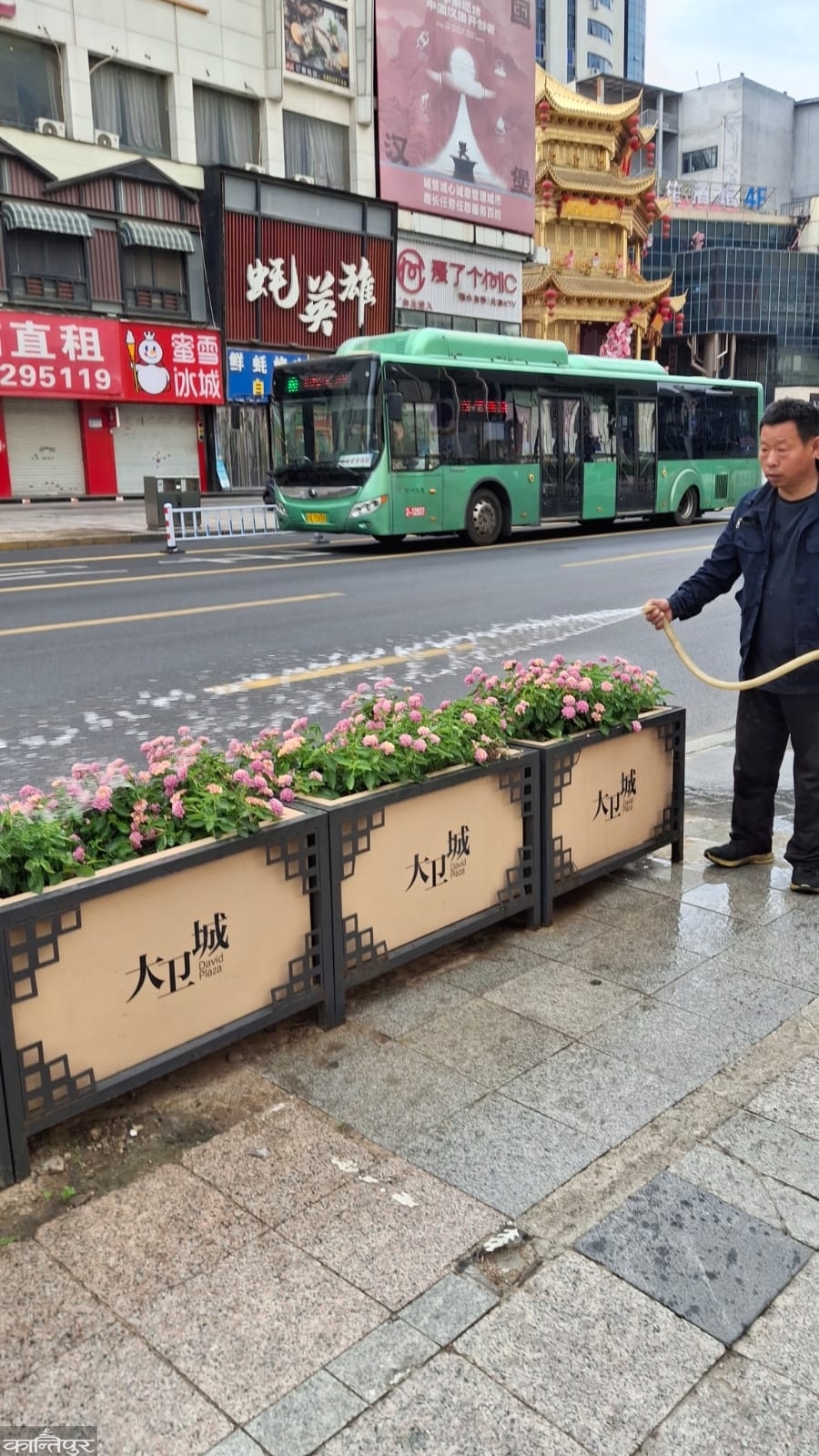
There must be a lot of people at the car manufacturing plant. There must be a lot of crowds and vans. And there must be a lot of cars waiting to go to the market. I thought so. And I had planned to take a lot of photos and videos when I got there. After transiting through Guangzhou, we reached Zhengzhou, China. The Chinese city was beautiful and huge. I had seen traffic police at every corner of the streets of Kathmandu, but it was a different experience not to see traffic police on the streets here, even though there were lines of cars. There were no motorcycles on the streets. There were plenty of EV (electric) scooters. There is also a separate lane for that. BYD cars were seen driving around on the streets of Zhengzhou. Similarly, we reached the D-Space complex in Zhengzhou while observing the scene. There, we were given a detailed explanation of how the concept of BYD came to us? In which year, which model of BYD came out? How were BYD cars made? We were then given a detailed explanation of everything.
Then we headed to the factory that produced BYD cars, which everyone was interested in and had to visit. When we reached the BYD factory located in the Airport Economy Zone, which is spread over an area of 10.67 square kilometers, it was deserted. However, entry to the factory was restricted. Taking videos and photos was prohibited. As we entered the factory, our 24-member team was given the responsibility of explaining the factory to BYD Nepal's country manager, Lin Jill.
Bluetooth was arranged for everyone to hear his voice. He spoke in English about the factory's capacity, how the work was being done, and more. All these things he said reached everyone's ears through Bluetooth. When he said that a BYD car would be ready in less than a minute, those who were observing the factory, including me, were surprised. How was this possible? Everyone kept wondering.
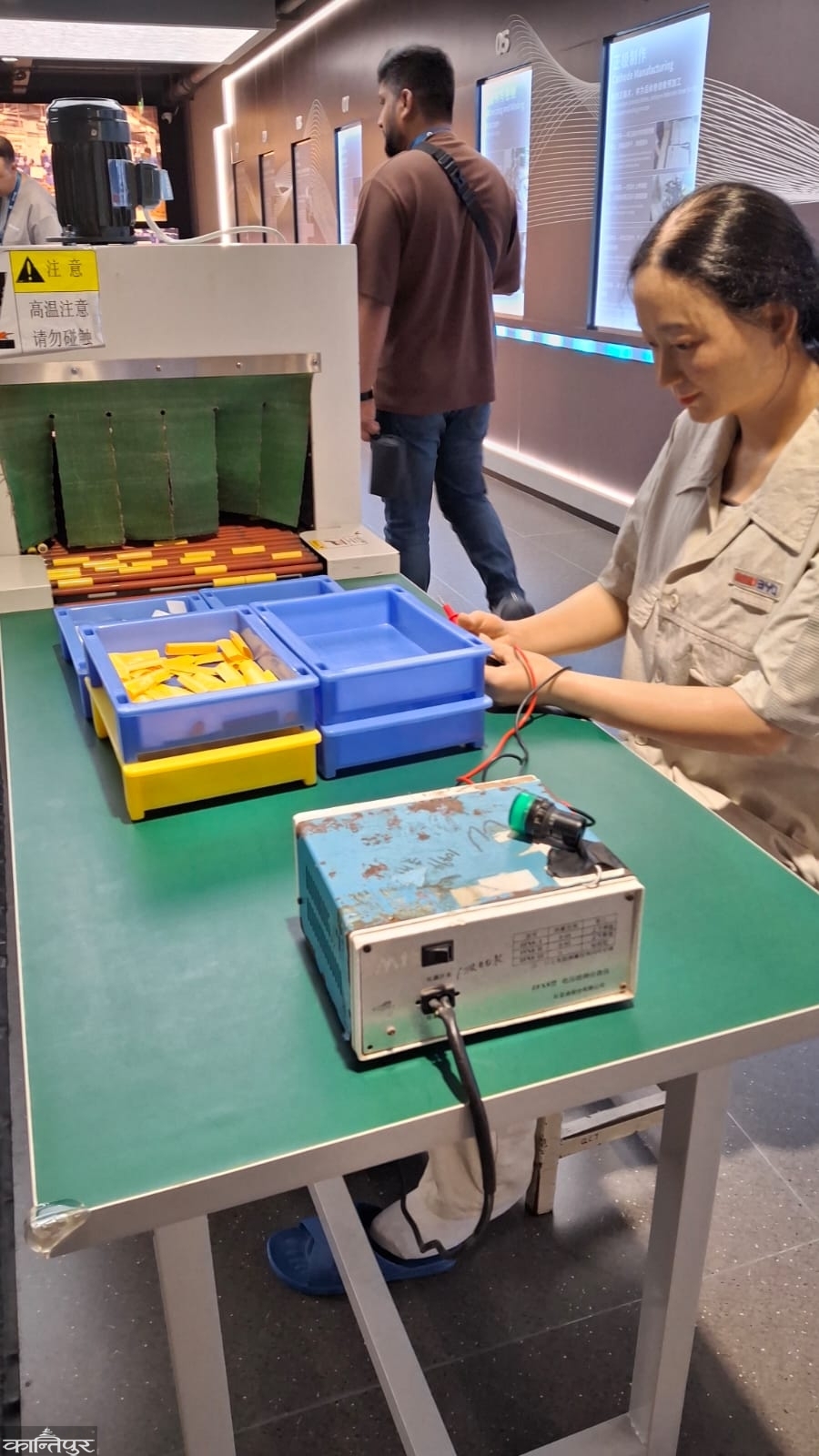
The work going on inside the factory seemed to confirm what he said. In the factory, electric vehicles, main parts, power batteries, and new materials are prepared. A crowd of robots could be seen in the car manufacturing area. People were found scattered here and there. Each robot was doing the work as instructed. Seeing this scene, it seemed that the work done by humans was almost over, the robot era had begun.
Where work like connecting car parts and detecting errors was being done by robots. In September 2021, BYD put into operation a car and battery factory in the Zhengzhou Airport Economic Zone. The BYD factory produces cutting-edge electric vehicles and key car parts. In addition to the main processes of electric car production, stamping, welding, painting and assembling, BYD has also established other important factories here.
Where the vehicle's motor, electronic control, power supply, power train, air conditioning, steering, trim, lights, frame, seats and other key parts, as well as blade battery power, are produced. All the necessary infrastructure for BYD production has been prepared in Zhengzhou. The factory's core competitiveness is its 98 percent automation rate, which demonstrates the world's leading intelligent manufacturing level.
A new car is produced in the factory every 59 seconds. Currently, 1,500 to 1,700 cars are produced daily. The factory has an annual production capacity of 400,000 units. The factory aims to expand this to more than 1 million vehicles. This is BYD's largest plant.
According to BYD, 98 percent of the welding work here is done by robots, where 1,500 robots are in operation. Informing journalists who visited the BYD factory from Nepal, Jill said that the company has achieved great achievements with the help of robots in a short time. According to Lin Jill, more than 120,000 people are employed in the company's research and development units alone. He also told everyone that a power battery cell is produced every three seconds.
Employees working in the factory are given 10 minutes of rest every two hours. This was also amazing.
In Zhengzhou, we didn't just see cars.
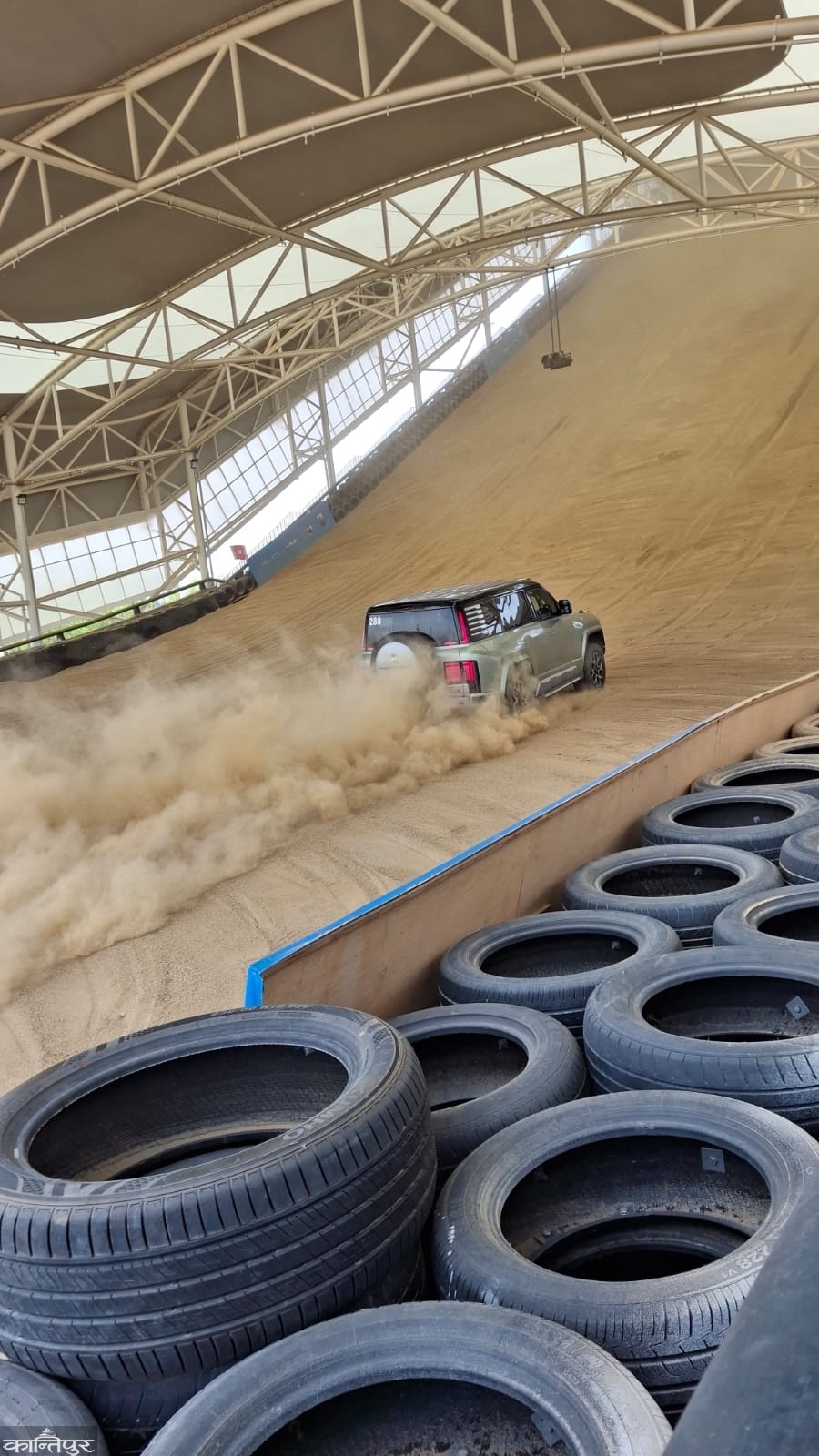
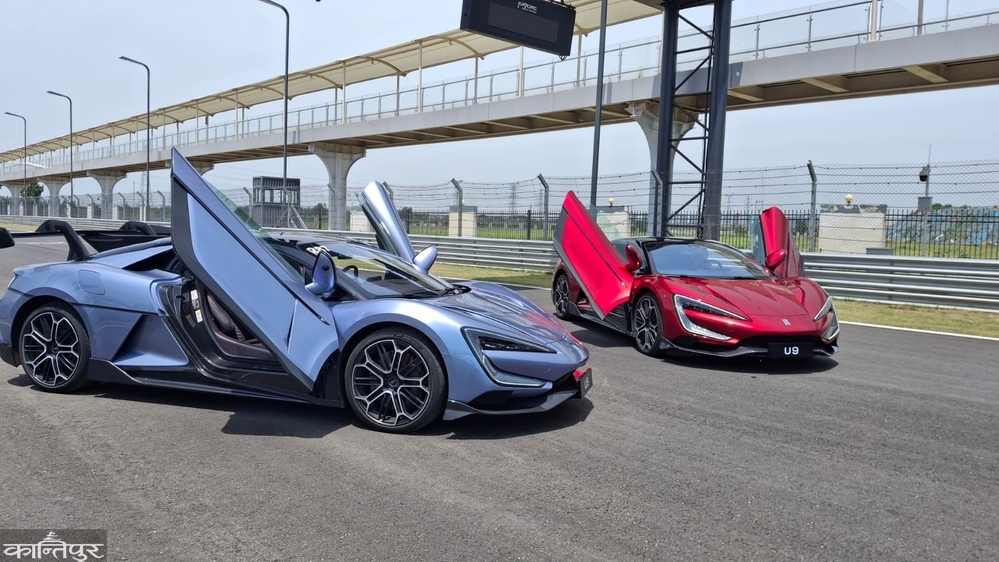
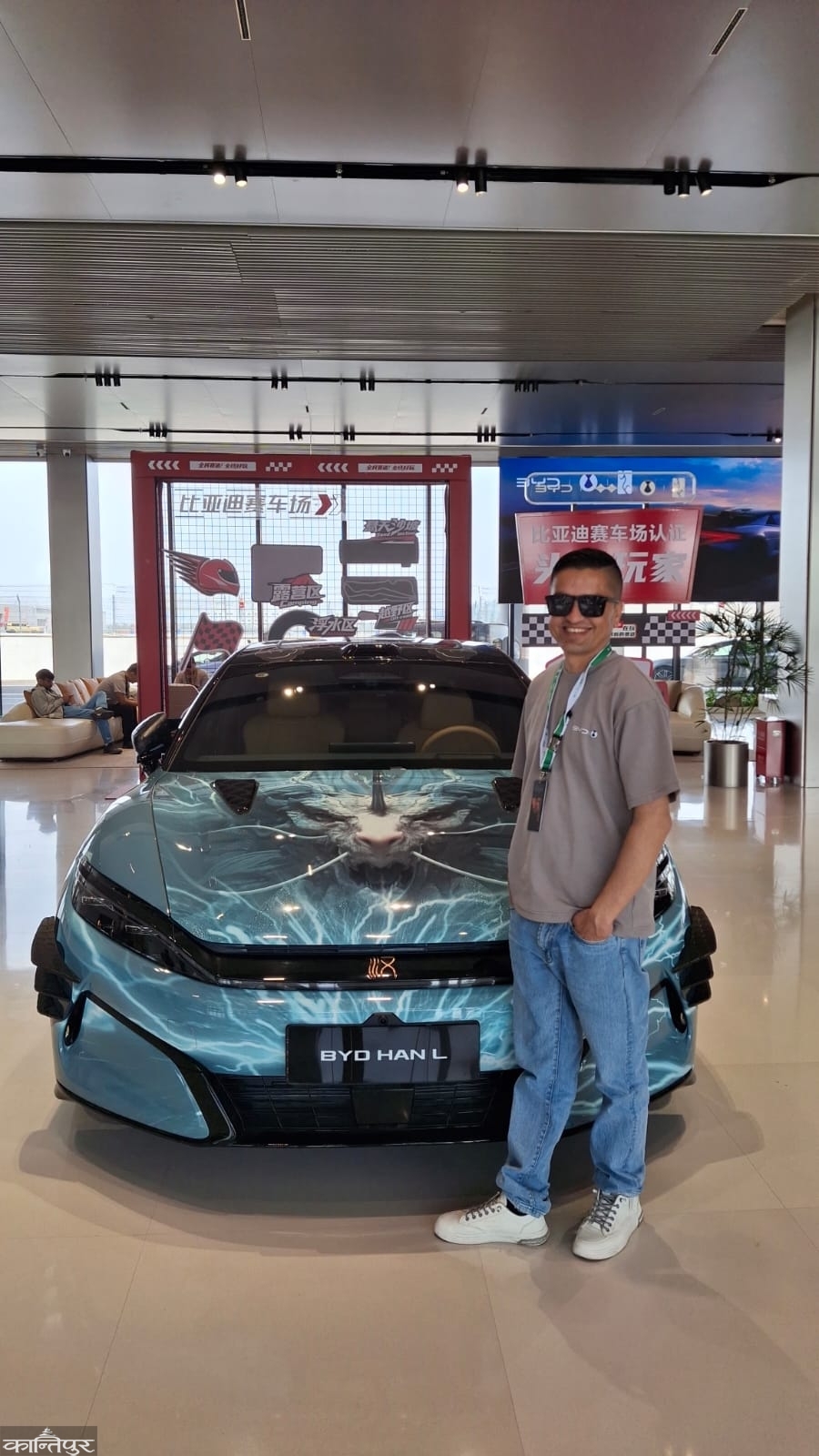
We also enjoyed BYD's U-9 race car. Arrangements were made to race the car on the race track. The race car was first made to dance. These attractive cars caught everyone's attention. We competed to take photos and videos by standing in front of the sky blue and red cars. Later, our friends who had gone with us in the same car participated in the race track. Some of them even gained experience by driving it themselves. The participants were shown driving various models of BYD cars in the desert, uphill, downhill, in water, off-road and at high speed.
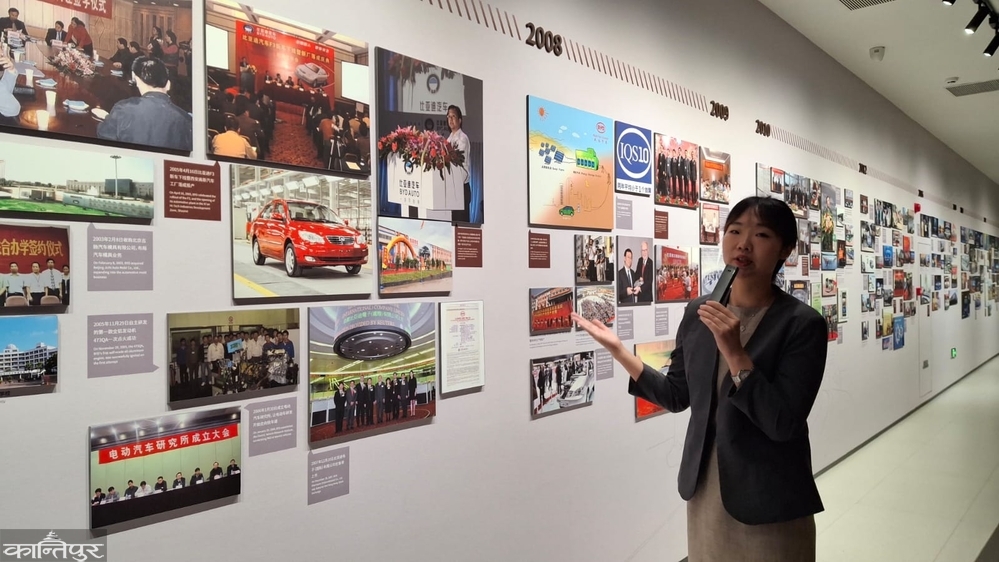
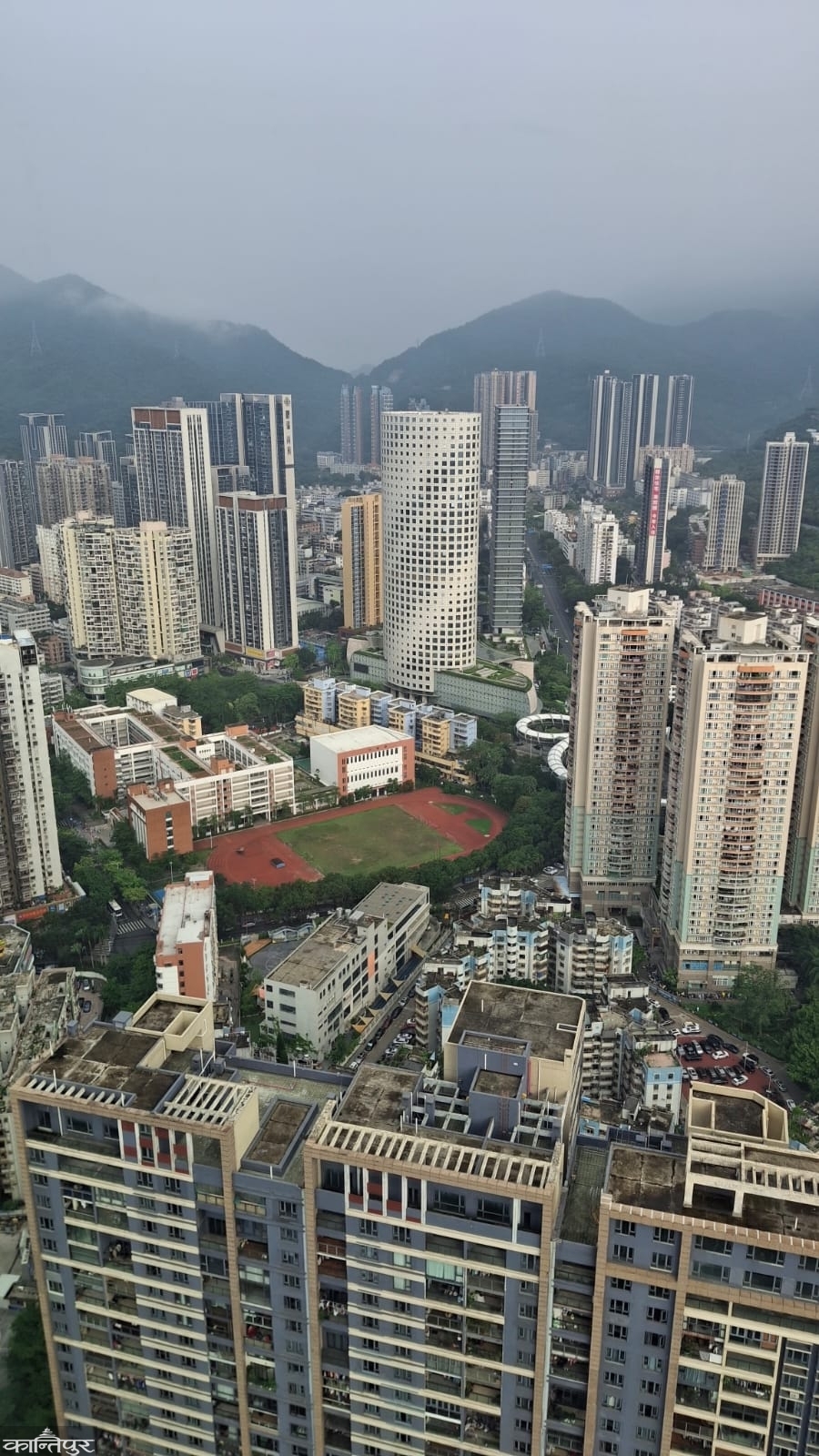
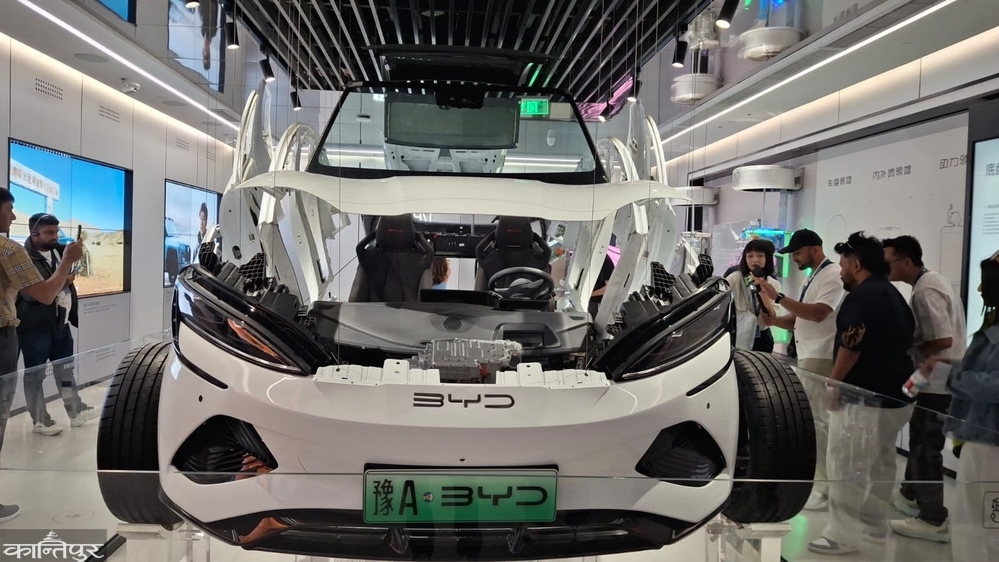
Our next journey turned towards Shenzhen city. Where we first reached the BYD headquarters. We visited the museum in the same area. Where the offices established when BYD was started and models of cars were kept . The battery reflecting the history of batteries, the train developed by BYD itself to solve the problem of urban vehicles are also being prepared .
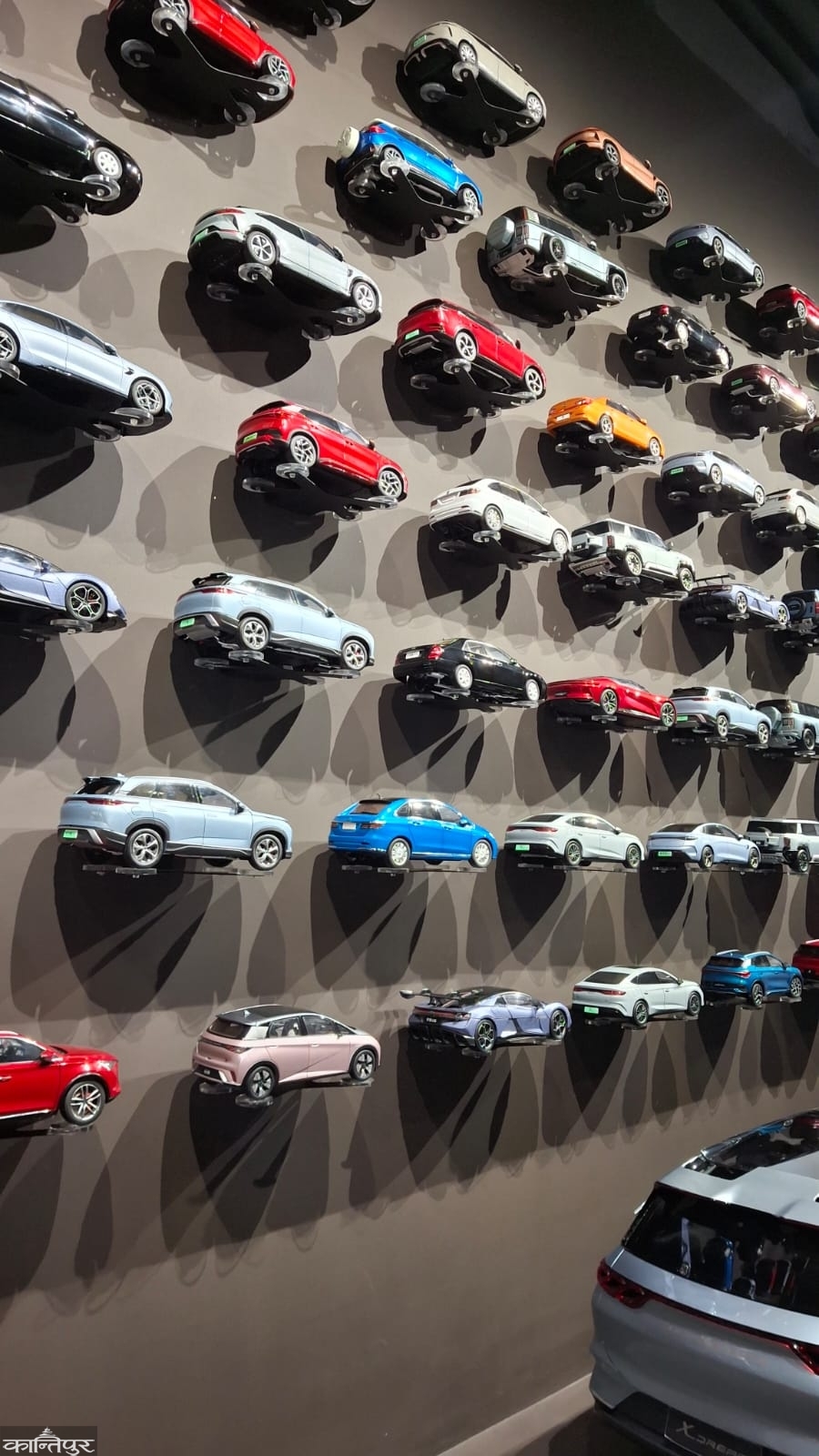
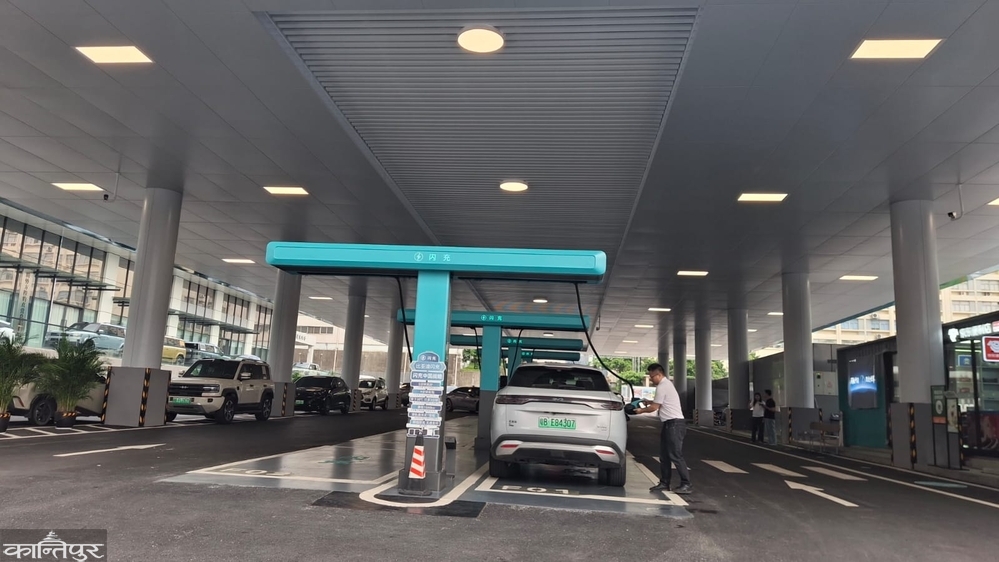
We were able to see a model of this in the museum . Where the cars released by BYD so far were displayed on the wall in toy shape, it was a new sight . Similarly, in Shenzhen itself, we were able to see firsthand the 'flash charging' that charges a car 97 percent in about 9 minutes, that is, 8 minutes and 26 seconds .
It is said that a 9-minute flash charging can drive an electric car up to 988 kilometers . BYD is building a large number of flash charging stations across China . 4,239 stations have been built in various cities and places in China . BYD is preparing to bring 20,000 such stations into operation across China by the end of 2026 .
Only through continuous technological innovation can any company do something meaningful for society, said Liu Suliang, general manager of BYD's Asia Pacific region. He said that he spent 20 years pursuing the technological dream he first proposed in 2004, and also told the success story of achieving that goal by 2024. He was saying, 'We are a company that creates, pursues, and fulfills dreams. We create and fulfill them.'
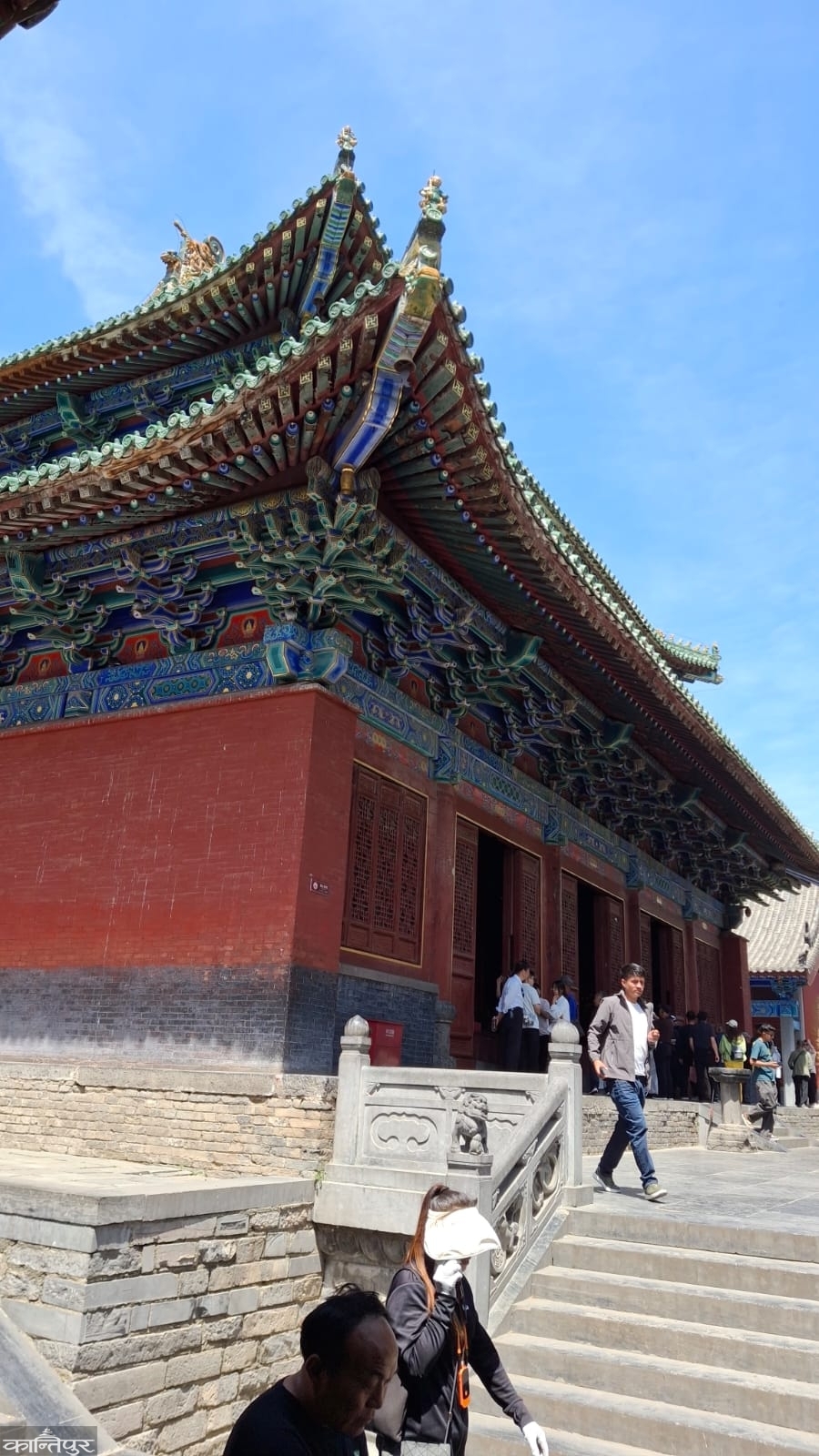
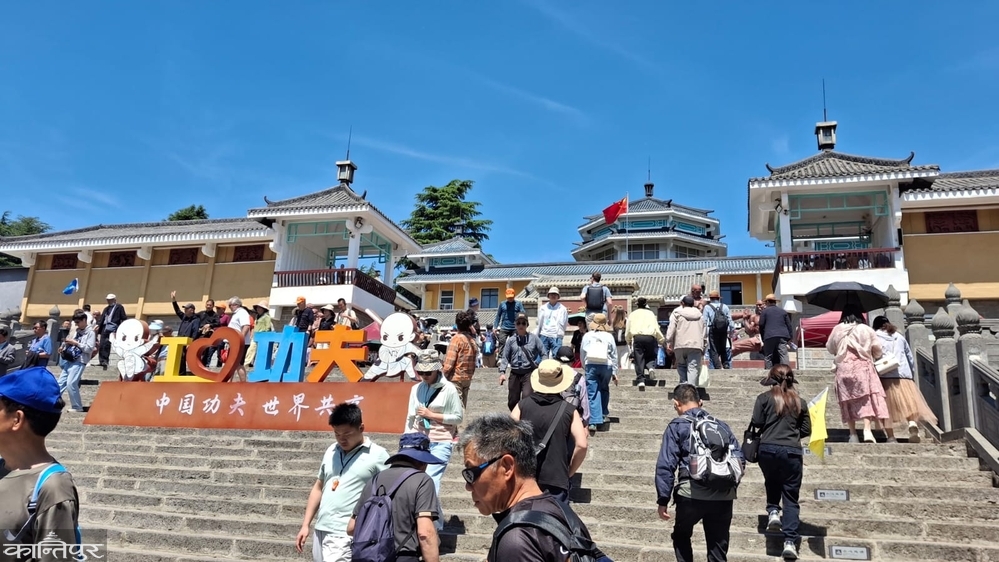
In the meantime, we also reached the ancient Shaolin Kung Fu Temple in Zhengzhou. This temple is the birthplace of Chinese Kung Fu and the origin of Zen Buddhism.
Suliang understood that only through this kind of innovation can any company do something meaningful for society. ‘Imagine, who was interested in electric vehicles 20 years ago?’ Suliang was telling us during our meeting, ‘We participated in the 2004 Beijing International Auto Show. We exhibited our first electric concept car, which is now in the Zhengzhou Museum.’
He also mentioned Nepal. Suliang praised Nepal as an important market for BYD. ‘I visited Nepal for the first time about 10 years ago, and the impression I got at that time was that there was a lack of electricity. I was wondering how Nepal could help in the development of electric vehicles,’ Suliang told us while recounting his visit to Nepal. ‘But after talking to government officials and partners there, I was very impressed to see that everyone was optimistic about Nepal’s future development.’ Our short but important tour of BYD’s car and battery factory ended in Shenzhen. From here, we took a two-hour bus ride to Gonzalo and returned to Nepal with news of the revolution in BYD vehicle production.